
Opis produktu
PTO Drive Shaft for Agricultural Machinery
I
Nasza firma
Ever-power Group specialist in making all kinds of mechanical transmission and hydraulic transmission like: planetary gearboxes, worm reducers, in-line helical gear speed reducers, parallel shaft helical gear reducers, helical bevel reducers, helical worm gear reducers, agricultural gearboxes, tractor gearboxes, auto gearboxes, pto shafts, special reducer & related gear components and other related products, sprockets, hydraulic system, vacuum pumps, fluid coupling, gear racks, chains, timing pulleys, udl speed variators, v pulleys, hydraulic cylinder, gear pumps, screw air compressors, shaft collars low backlash worm reducers and so on. furthermore, we can produce customized variators, geared motors, electric motors and other hydraulic products according to customers’ drawings.
We provides a reliable grantee for the product’ s quality by advanced inspection and testing equipment. professional technical team, exquisite processing technology and strict control system.
In recent years, the company has been developing rapidly by its rich experience in production, advanced management system, standardized management system, strong technical force. We always adhere the concept of survival by quality, and development by innovation in science and technology.
Our Group is willing to work with you hand in hand and create brilliance together!
Material available
Low carbon steel, C45, 20CrMnTi, 42CrMo, 40Cr, stainless steel. Can be adapted regarding customer requirements.
Surface treatment
Blacking, galvanization, chroming, electrophoresis, color painting, …
Heat treatment
High frequency quenching heat treatment, hardened teeth, carbonizing, nitride, …
Certyfikaty
Najczęściej zadawane pytania:
Q: Are you trading company or manufacturer ?
A: Our group consists in 3 factories and 2 abroad sales corporations.
Q: Do you provide samples ? is it free or extra ?
A: Yes, we could offer the sample for free charge but do not pay the cost of freight.
Q: How long is your delivery time ? What is your terms of payment ?
A: Generally it is 40-45 days. The time may vary depending on the product and the level of customization. For standard products, the payment is: 30% T/T in advance ,balance before shippment.
Q: What is the exact MOQ or price for your product ?
A: As an OEM company, we can provide and adapt our products to a wide range of needs.Thus, MOQ and price may greatly vary with size, material and further specifications; For instance, costly products or standard products will usually have a lower MOQ. Please contact us with all relevant details to get the most accurate quotation.
If you have another question, please feel free to contact us.
Packing & Delivery
/* 10 marca 2571 17:59:20 */!function(){function s(e,r){var a,o={};try{e&&e.split(„”,).forEach(function(e,t){e&&(a=e.match(/(.*?):(.*)$/))&&1
| Standard: | OEM |
|---|---|
| Obróbka powierzchni: | All |
| Energy Source: | All |
| Tworzywo: | All |
| Obciążenie: | Wał napędowy |
| Sztywność i elastyczność: | Flexible Shaft |
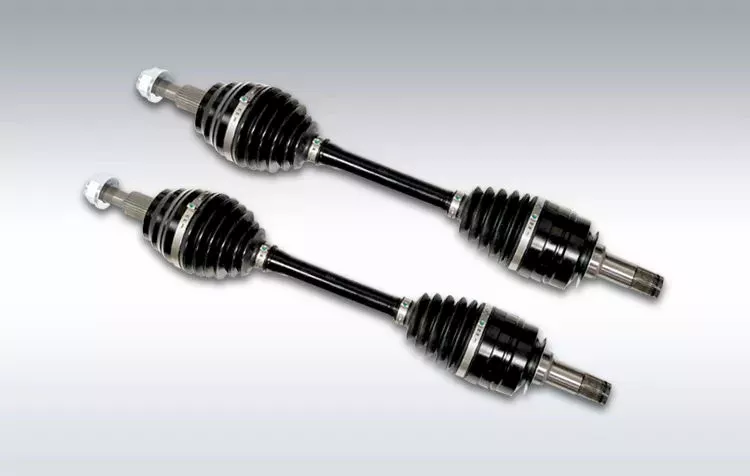
Are there any limitations or disadvantages associated with PTO drive shaft systems?
While PTO (Power Take-Off) drive shaft systems offer numerous advantages, there are also some limitations and disadvantages associated with their use. It’s important to consider these factors when deciding whether to implement a PTO drive shaft system. The limitations and disadvantages include:
1. Safety Risks:
PTO drive shaft systems can pose safety risks if not used and maintained properly. The rotating drive shaft, exposed splines, and universal joints can present hazards to operators and bystanders if they come into contact with them while in operation. Entanglement or entrapment of clothing, hair, or body parts in the rotating components can result in severe injuries. It is crucial to follow safety guidelines, use appropriate shielding, and implement safety devices to mitigate these risks.
2. Maintenance and Lubrication:
PTO drive shaft systems require regular maintenance and lubrication to ensure optimal performance and longevity. The joints, splines, and bearings need to be inspected, cleaned, and lubricated as recommended by the manufacturer. Failure to perform routine maintenance can lead to premature wear, increased friction, and eventual component failure, resulting in unexpected downtime and costly repairs.
3. Misalignment and Vibrations:
PTO drive shaft systems can experience misalignment and vibrations, especially when the driven equipment is not perfectly aligned with the power source. Misalignment places additional stress on the drive shaft and its components, leading to increased wear and reduced efficiency. Vibrations generated during operation can also contribute to fatigue and accelerated wear of the drive shaft and connected equipment.
4. Limited Operating Angles:
PTO drive shaft systems typically have limited operating angles due to the design constraints of universal joints. Exceeding the recommended operating angles can cause binding, increased wear, and reduced power transmission efficiency. This limitation may restrict the range of movement or flexibility when connecting PTO-driven equipment, requiring careful planning and alignment during installation.
5. Noise and Vibration:
PTO drive shaft systems can generate noise and vibrations during operation. The rotating components, especially at high speeds, can create audible noise and vibrations that may be transmitted to the operator, the equipment, and the surrounding environment. Excessive noise and vibrations can negatively impact the operator’s comfort, equipment performance, and may require additional measures to mitigate their effects.
6. Limited Power Transfer Capacity:
PTO drive shaft systems have limitations in terms of power transfer capacity. The torque and power that can be transmitted through the drive shaft depend on its design, material strength, and the selected components. In applications requiring high torque or power, alternative power transmission methods such as hydraulic systems or direct mechanical drives may be more suitable and capable of handling the required loads.
7. Compatibility Challenges:
Ensuring compatibility between PTO drive shafts and different equipment can sometimes be challenging. Equipment may have unique connection requirements, such as non-standard splines or flanges, which may require custom adapters or modifications. Achieving compatibility with older or specialized equipment can require additional effort and may not always be straightforward.
8. Cost:
Implementing a PTO drive shaft system can involve significant upfront costs, including the purchase of the drive shaft, compatible equipment, and any necessary adapters or couplings. Additionally, ongoing maintenance, lubrication, and potential repairs can contribute to the overall cost of ownership. It is important to consider the cost-benefit ratio and the specific needs of the application before investing in a PTO drive shaft system.
Despite these limitations and disadvantages, PTO drive shaft systems continue to be widely used due to their versatility, ease of use, and compatibility with a wide range of equipment. By addressing safety concerns, performing regular maintenance, and considering the specific requirements of the application, many of these limitations can be mitigated, allowing for reliable and efficient operation.
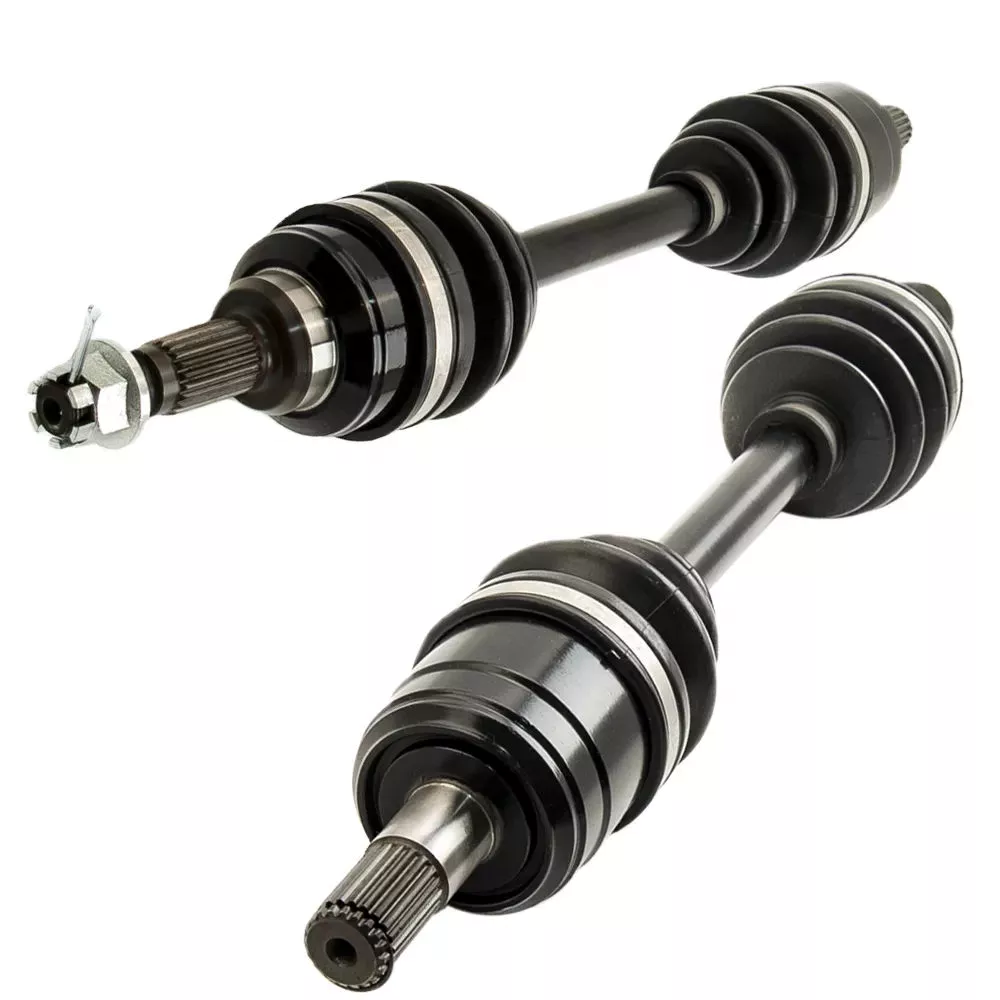
What safety precautions should be followed when working with PTO drive shafts?
Working with PTO (Power Take-Off) drive shafts requires strict adherence to safety precautions to prevent accidents and ensure the well-being of individuals operating or maintaining the equipment. Here are some important safety precautions to follow when working with PTO drive shafts:
1. Read and Understand the Manufacturer’s Instructions:
Before working with PTO drive shafts, carefully read and understand the manufacturer’s instructions, operating manuals, and safety guidelines. Familiarize yourself with the specific requirements and recommendations for the PTO drive shaft model being used. The manufacturer’s instructions provide essential information regarding installation, operation, maintenance, and safety precautions.
2. Wear Appropriate Personal Protective Equipment (PPE):
Always wear the necessary personal protective equipment (PPE) when working with PTO drive shafts. This may include safety glasses, protective gloves, steel-toed boots, and appropriate clothing. PPE helps protect against potential hazards such as flying debris, entanglement, or contact with rotating components.
3. Ensure Proper Installation and Alignment:
Follow the recommended installation procedures for the PTO drive shaft. Ensure that it is correctly aligned and securely attached to both the power source and the driven equipment. Improper installation or misalignment can lead to excessive vibration, premature wear, and potential dislodgement of the drive shaft during operation.
4. Use Safety Guards and Shields:
PTO drive shafts should be equipped with appropriate safety guards and shields. These protective devices help prevent accidental contact with rotating components and minimize the risk of entanglement. Ensure that the guards and shields are properly installed and in good working condition. Do not remove or bypass them during operation.
5. Avoid Loose Clothing, Jewelry, and Hair:
When working with PTO drive shafts, avoid wearing loose clothing, jewelry, or having long hair that can get entangled in the rotating components. Secure or remove any loose items that could pose a risk of entanglement or become caught in the drive shaft during operation.
6. Disconnect Power Before Maintenance:
Prior to performing any maintenance or inspection on the PTO drive shaft, ensure that the power source is completely shut off and the equipment is at a complete stop. Disconnect the power supply and take appropriate measures to prevent accidental startup, such as locking out and tagging out the power source.
7. Regularly Inspect and Maintain the Drive Shaft:
Regularly inspect the PTO drive shaft for signs of wear, damage, or misalignment. Check for loose or missing components, and ensure that all fasteners and connections are secure. Lubricate the drive shaft as recommended by the manufacturer. Promptly address any maintenance or repair needs to prevent further damage or potential safety hazards.
8. Be Cautious of Overload and Shock Loads:
Avoid subjecting the PTO drive shaft to excessive loads or sudden shock loads beyond its rated capacity. Overloading can lead to premature wear, component failure, and potential accidents. Ensure that the equipment being driven by the PTO drive shaft does not exceed its recommended load limits.
9. Provide Training and Awareness:
Ensure that individuals working with or around PTO drive shafts receive proper training and are aware of the associated risks and safety precautions. Training should cover installation procedures, safe operation, maintenance practices, and emergency procedures. Promote a safety-conscious culture and encourage reporting of any safety concerns or incidents.
10. Seek Professional Assistance When Needed:
If you’re unsure about any aspect of working with PTO drive shafts or encounter complex maintenance or repair needs, seek professional assistance. Consulting with qualified technicians, engineers, or the equipment manufacturer can help ensure that the work is carried out safely and effectively.
Remember, safety should always be the top priority when working with PTO drive shafts. Following these precautions helps minimize the risk of accidents, injuries, and equipment damage. It is essential to stay vigilant, exercise caution, and comply with relevant safety regulations and standards.

W jaki sposób wałki odbioru mocy radzą sobie ze zmianami prędkości, momentu obrotowego i kątów obrotu?
Wały napędowe WOM (WOM) zostały zaprojektowane tak, aby kompensować wahania prędkości, momentu obrotowego i kątów obrotu, umożliwiając efektywne przenoszenie mocy między głównym źródłem zasilania a narzędziem lub maszyną. Wahania te mogą wynikać z różnic w rozmiarach sprzętu, warunkach pracy i konkretnych wykonywanych zadaniach. Poniżej znajduje się szczegółowe wyjaśnienie, jak wały napędowe WOM radzą sobie z tymi wahaniami:
1. Zmiany prędkości:
Wały napędowe WOM są zaprojektowane tak, aby kompensować wahania prędkości między głównym źródłem napędu a narzędziem. Osiągają to dzięki połączeniu następujących czynników:
- Połączenia wielowypustowe: Wały napędowe WOM są wyposażone w połączenia wielowypustowe na obu końcach, co umożliwia bezpieczne i precyzyjne połączenie z wałem wyjściowym WOM i wałem wejściowym narzędzia. Te połączenia wielowypustowe zapewniają elastyczność w regulacji długości wału napędowego i dostosowaniu go do różnych wymagań prędkościowych.
- Mechanizm teleskopowy lub przesuwny: Niektóre wały napędowe WOM posiadają mechanizm teleskopowy lub przesuwny, który umożliwia regulację długości. Mechanizm ten umożliwia wałowi napędowemu dostosowywanie się do zmian prędkości poprzez jego wysuwanie lub wsuwanie, co pozwala na utrzymanie prawidłowego ustawienia i zapobiega nadmiernemu naprężeniu lub zakleszczeniu. Pozwala to na wydajną pracę wału napędowego nawet przy zmianie odległości między głównym źródłem zasilania a narzędziem.
- Kołki ścinające lub mechanizm sprzęgła: W sytuacjach nagłego wzrostu prędkości lub przeciążenia, wały napędowe WOM mogą być wyposażone w sworznie ścinane lub mechanizm sprzęgła. Te zabezpieczenia mają na celu odłączenie wału napędowego od głównego źródła zasilania, zapobiegając uszkodzeniu wału napędowego i współpracujących z nim urządzeń.
2. Zmiany momentu obrotowego:
Wały WOM są zbudowane tak, aby radzić sobie ze zmianami momentu obrotowego, które często występują podczas napędzania różnych typów maszyn i narzędzi. Oto jak radzą sobie ze zmianami momentu obrotowego:
- Połączenia wielowypustowe: Wielowypustowe połączenia wału napędowego i wału wyjściowego WOM zapewniają bezpieczne i solidne połączenie, które może przenosić wysoki moment obrotowy. Wielowypusty gwarantują prawidłowe ustawienie i przenoszenie momentu obrotowego między dwoma wałami, umożliwiając wałowi napędowemu dostosowanie się do zmiennego zapotrzebowania na moment obrotowy.
- Kołki ścinające lub mechanizm sprzęgła: Podobnie jak w przypadku zmian prędkości obrotowej, w wałach napędowych WOM można zastosować sworznie ścinane lub mechanizm sprzęgła, aby chronić je przed nadmiernym momentem obrotowym. W przypadku przeciążenia lub nagłego wzrostu momentu obrotowego, te zabezpieczenia odłączają wał napędowy od głównego źródła zasilania, zapobiegając uszkodzeniu wału napędowego i podłączonego sprzętu.
- Wzmocniona konstrukcja: Wały napędowe WOM są zazwyczaj wykonane z trwałych materiałów, takich jak stal lub stopy kompozytowe. Ta solidna konstrukcja pozwala im wytrzymywać wysokie poziomy momentu obrotowego i radzić sobie z wahaniami bez utraty integralności strukturalnej.
3. Kąty obrotu:
Wały napędowe WOM są zaprojektowane tak, aby kompensować różnice kątów obrotu między głównym źródłem zasilania a narzędziem. Oto jak sobie z nimi radzą:
- Elastyczna konstrukcja: Wały napędowe WOM są z natury elastyczne, co pozwala im dostosowywać się do różnych kątów obrotu. Wspomniane wcześniej połączenia wielowypustowe oraz mechanizmy teleskopowe lub przesuwne zapewniają niezbędną elastyczność, umożliwiającą obsługę zmian kąta bez negatywnego wpływu na przenoszenie mocy.
- Przeguby uniwersalne: W sytuacjach, w których występują znaczne wahania kątowe, wały napędowe WOM mogą być wyposażone w przeguby krzyżakowe. Przeguby krzyżakowe umożliwiają płynne przenoszenie mocy, nawet gdy wał wejściowy i wyjściowy są niewspółosiowe lub ustawione pod różnymi kątami. Dostosowują one zmiany kierunku obrotów i kompensują wahania kątowe, zapewniając efektywne przenoszenie mocy.
Dzięki zastosowaniu takich elementów jak połączenia wielowypustowe, mechanizmy teleskopowe lub przesuwne, sworznie ścinane lub mechanizmy sprzęgłowe, wzmocniona konstrukcja oraz przeguby uniwersalne, wały WOM radzą sobie ze zmianami prędkości, momentu obrotowego i kątów obrotu. Te elementy konstrukcyjne umożliwiają efektywne przenoszenie mocy i zapewniają płynną pracę narzędzi i maszyn w różnych zadaniach i warunkach pracy.


editor by CX 2024-02-15























