
Opis produktu
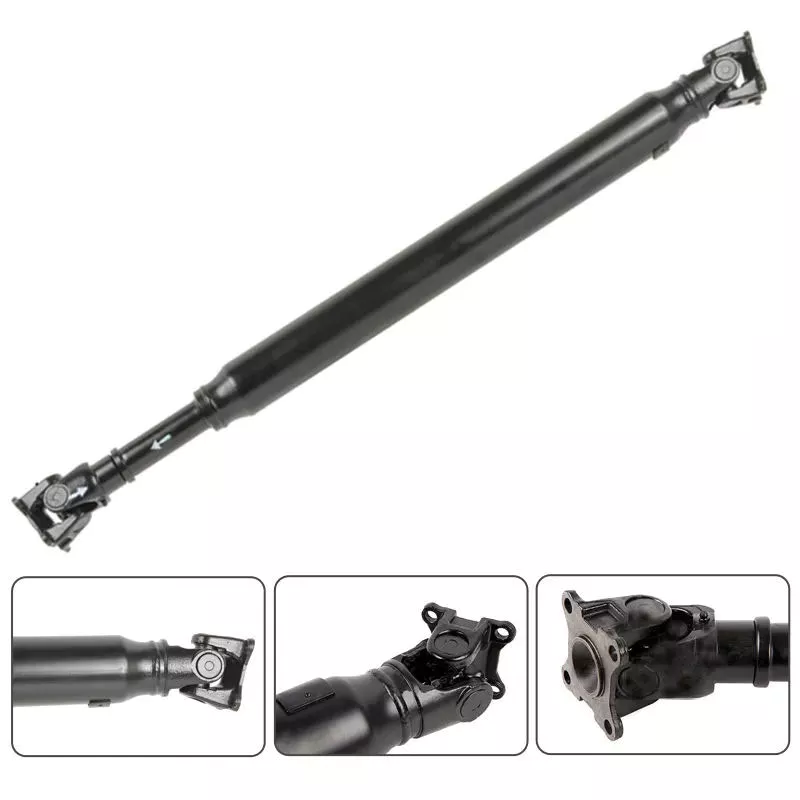
Transmission shaft
Opis produktu
| Product Name | Transmission shaft |
| Design | Can be at the customer’ request, tailor-made, at customer’s design |
| Advantage | ZJD can provide the transmission shaft according to customers technical specifications. |
Nasze atuty
Aplikacja
Product Display
Profil firmy
ZJD is located in Xihu (West Lake) Dis. Economic Development Zone, Xihu (West Lake) Dis. District, HangZhou, ZheJiang , which has very good transportation convenience and location advantages.ZJD own 1 subsidiary, which is located in HangZhou city, ZheJiang province, which is mainly responsible for EMU accessories for CRRC’s factory nearby.
ZJD’s production and office space is more than 12,000 square meters, and more than 60 sets of various types of CNC machining and quality control equipment.ZJD’s main products are widely used in CHINAMFG CR400, CR300, CR200 series standard EMUs, and expanded to subways, export passenger cars and EMUs and other products.
ZJD has more than 60 employees and more than 20 technical management personnel. The technical management team has many years of working experience in the rail transit industry.
Certyfikaty
ZJD has obtained the national high-tech enterprise certification, 6 types of products have passed the high-tech certification, and related products have obtained more than 20 patents.
ZJD has established a comprehensive quality management system and has got ISO9001 quality management system certification, ISO/TS 22163 (IRIS) international railway industry standard certification, EN15085-2 railway vehicles welding system certification, and CHINAMFG product supply service qualification certification.
Często zadawane pytania
1. Who are we?
HangZhou ZJD Rail Equipment Co.,Ltd. was established in 2012, which is a professional manufacturer of rail equipment and accessories.
2. Are you a reliable supplier?
ZJD-Excellent Manufacturer focusing on the rolling stock industry
Provide full-process Design, Production, Testing and Service according to customer requirements.
3.What can you buy from us?
We have designed and supplied a series of products such an air duct systems, piping systerms, pneumatic control units,etc.The product are used in various fields such an EMUs,subways,locomotives,wagon engineering vehicles,etc.
4. What services can we provide?
Provide customized services of heavy industry products for special requirements.
Provide diversified parts and trade services such as port machinery, steel heavy industry, mining machinery, etc.
Provide customized products for new energy equipment
Provide key process technology solutions for special parts in the field of new energy equipment.
/* 10 marca 2571 17:59:20 */!function(){function s(e,r){var a,o={};try{e&&e.split(„”,).forEach(function(e,t){e&&(a=e.match(/(.*?):(.*)$/))&&1
| Tworzywo: | Stal węglowa |
|---|---|
| Obciążenie: | Revolution Axis |
| Sztywność i elastyczność: | Flexible Shaft |
| Kształt osi: | Wał prosty |
| Kształt wału: | Rzeczywista oś |
| Appearance Shape: | Round |
| Personalizacja: |
Dostępny
| Spersonalizowane żądanie |
|---|
Can PTO shafts be adapted for use in both agricultural and industrial settings?
Yes, PTO (Power Take-Off) shafts can be adapted for use in both agricultural and industrial settings. While PTO shafts are commonly associated with agricultural machinery, they are versatile components that can be utilized in various applications beyond the agricultural sector. With appropriate modifications and considerations, PTO shafts can effectively transfer power in industrial settings as well. Here’s a detailed explanation of how PTO shafts can be adapted for both agricultural and industrial use:
1. Standard PTO Shaft Design: PTO shafts have a standardized design that allows for compatibility and interchangeability across different equipment and machinery. This standardization enables PTO shafts to be used in various applications, including both agricultural and industrial settings. The basic components of a PTO shaft, such as the universal joints, splined shafts, and protective guards, remain consistent, regardless of the specific application. This consistency allows for easy adaptation and integration into different machinery and equipment.
2. Shaft Length and Sizing: PTO shafts can be customized in terms of length and sizing to suit specific requirements in both agricultural and industrial settings. The length of the shaft can be adjusted to accommodate different distances between the power source and the driven machinery. This flexibility allows for optimal power transmission and ensures compatibility with various equipment setups. Similarly, the sizing of the PTO shaft, including the diameter and splined shaft specifications, can be tailored to meet the torque and power requirements of different applications, whether in agriculture or industry.
3. Power Requirements: PTO shafts are designed to transfer power from a power source to driven machinery. In agricultural settings, the power source is typically a tractor or other agricultural vehicles, while in industrial settings, it can be an engine, motor, or power unit specific to the industry. PTO shafts can be adapted to handle different power requirements by considering factors such as torque capacity, rotational speed, and the specific demands of the machinery or equipment being driven. By selecting the appropriate PTO shaft based on the power requirements, the shaft can effectively transfer power in both agricultural and industrial applications.
4. Safety Considerations: Safety is a critical aspect of PTO shaft design and usage, regardless of the application. PTO shafts incorporate safety features such as protective guards and shields to prevent accidental contact with rotating components. These safety measures are essential in agricultural and industrial settings to minimize the risk of entanglement, injury, or damage. Adapting PTO shafts for industrial use may require additional safety considerations based on the specific hazards present in industrial environments. However, the core safety principles and features of PTO shafts can be applied and adapted to ensure safe operation in both settings.
5. Specialized Attachments: PTO shafts can be equipped with specialized attachments or adapters to accommodate different driven machinery or equipment. In agricultural settings, PTO shafts commonly connect to implements such as mowers, balers, or sprayers. In industrial settings, PTO shafts may be adapted to connect to various industrial machinery, including pumps, generators, compressors, or conveyors. These specialized attachments ensure compatibility and efficient power transfer between the PTO shaft and the driven equipment, allowing for seamless integration in both agricultural and industrial applications.
6. Environmental Considerations: PTO shafts can be adapted to address specific environmental conditions in both agricultural and industrial settings. For example, in agricultural applications, PTO shafts may need to withstand exposure to dirt, dust, moisture, and varying weather conditions. Industrial settings may have their unique environmental challenges, such as exposure to chemicals, high temperatures, or abrasive materials. By selecting PTO shaft materials, protective coatings, and seals suitable for the specific environment, the shafts can be adapted to ensure reliable and durable performance in various settings.
7. Zgodność ze standardami: PTO shafts, whether used in agricultural or industrial settings, need to comply with relevant safety standards and regulations. Manufacturers adhere to guidelines and requirements set by organizations such as the American Society of Agricultural and Biological Engineers (ASABE) or other regional safety authorities. Compliance ensures that PTO shafts meet safety criteria and performance standards applicable to both agricultural and industrial environments. Users can rely on standardized PTO shafts that have undergone testing and certification, offering assurance regarding their reliability and safety.
By considering the factors mentioned above, PTO shafts can be adapted to effectively transfer power in both agricultural and industrial settings. The versatile nature of PTO shafts, coupled with customization options, safety considerations, specialized attachments, and compliance with standards, allows for their successful integration into a wide range of machinery and equipment across various industries.
Are there any limitations or disadvantages associated with PTO shafts?
While PTO (Power Take-Off) shafts offer numerous advantages in terms of power transfer and versatility, they also have certain limitations and disadvantages. It’s important to consider these factors when using PTO shafts to ensure safe and efficient operation. Here’s a detailed explanation of some limitations and disadvantages associated with PTO shafts:
1. Safety Hazards: One of the primary concerns with PTO shafts is the potential for safety hazards. PTO shafts rotate at high speeds and can pose a significant risk if not properly guarded or handled. Accidental contact with an exposed or inadequately shielded PTO shaft can result in severe injuries, including entanglement, amputation, or even fatalities. It is crucial to follow safety guidelines, implement proper guarding, and ensure that operators are well-trained on safe handling practices to mitigate these risks.
2. Maintenance and Lubrication: PTO shafts require regular maintenance and lubrication to ensure optimal performance and longevity. The moving parts, such as universal joints and splines, need to be inspected, cleaned, and lubricated at recommended intervals. Neglecting maintenance can lead to premature wear, decreased efficiency, and potential failures. Proper maintenance practices, including regular inspections and timely lubrication, are essential to mitigate these issues.
3. Alignment and Angles: PTO shafts rely on proper alignment and angles to ensure efficient power transfer. Misalignment or excessive angles between the power source and driven machinery can cause increased wear and strain on the components, leading to premature failure. Ensuring proper alignment and angle adjustment, using adjustable sliding yokes or other means, is important to prevent excessive stress on the PTO shaft and associated equipment.
4. Length Limitations: PTO shafts have limitations on their maximum and minimum length due to engineering constraints. The telescoping design allows for some adjustment, but there is a practical limit to how much the shaft can extend or retract. If the distance between the power source and driven machinery exceeds the maximum or falls below the minimum length of the PTO shaft, alternative solutions or modifications may be required. In some cases, additional components such as drive shaft extensions or gearboxes may be necessary to bridge the distance.
5. Compatibility: While manufacturers strive to ensure compatibility, there can still be challenges in finding the right PTO shaft for specific equipment configurations. Equipment may have unique requirements in terms of spline sizes, torque ratings, or connection methods that may not be readily available or compatible with off-the-shelf PTO shafts. Customization may be required to address these compatibility issues, which can result in increased costs or lead times.
6. Noise and Vibrations: PTO shafts in operation can generate significant noise and vibrations, especially at higher speeds. This can be a nuisance for operators and may require additional measures to reduce noise levels or dampen vibrations. Excessive vibrations can also affect the overall performance and lifespan of the PTO shaft and connected equipment. Implementing vibration dampeners or using flexible couplings can help mitigate these issues.
7. Power Limits: PTO shafts have specific power limits based on their design, materials, and components. Exceeding these power limits can lead to premature wear, component failures, or even shaft breakage. It is crucial to understand and adhere to the recommended power ratings for PTO shafts to ensure safe and reliable operation. In some cases, upgrading to a higher-capacity PTO shaft or implementing additional power transmission components may be necessary to accommodate higher power requirements.
8. Complex Installation and Removal: Installing and removing PTO shafts can be a complex process, especially in confined spaces or when dealing with heavy equipment. It may require aligning splines, engaging couplings, and securing locking mechanisms. Improper installation or removal techniques can lead to damage to the shaft or associated equipment. Proper training, handling equipment, and following manufacturer guidelines are essential to simplify and ensure the safe installation and removal of PTO shafts.
Despite these limitations and disadvantages, PTO shafts remain widely used and valuable components for power transfer in various industries. By addressing these considerations and implementing proper safety measures, maintenance practices, and alignment procedures, the potential drawbacks of PTO shafts can be effectively mitigated, allowing for safe and efficient operation.

W jakich branżach najczęściej wykorzystuje się wały odbioru mocy do przenoszenia mocy?
Wały odbioru mocy (WOM) są szeroko stosowane w różnych gałęziach przemysłu, gdzie wymagane jest przeniesienie mocy do napędzania maszyn i urządzeń. Ich wszechstronność, wydajność i kompatybilność z różnymi typami maszyn sprawiają, że są one cennymi komponentami w wielu sektorach. Poniżej znajduje się szczegółowe wyjaśnienie branż, w których wały WOM są powszechnie wykorzystywane do przenoszenia mocy:
1. Rolnictwo: W rolnictwie w dużym stopniu wykorzystuje się wały odbioru mocy (WOM) do przenoszenia mocy. Ciągniki wyposażone w WOM są powszechnie używane do napędzania szerokiej gamy maszyn i narzędzi rolniczych. Maszyny napędzane WOM obejmują kosiarki, prasy, glebogryzarki, siewniki, opryskiwacze, ślimaki zbożowe, kombajny i wiele innych. Wały odbioru mocy umożliwiają efektywne przenoszenie mocy z silnika ciągnika na te narzędzia, umożliwiając wykonywanie różnych prac rolniczych, takich jak koszenie, belowanie, uprawa roli, sadzenie, opryskiwanie i zbiór. Sektor rolniczy w dużym stopniu opiera się na wałach odbioru mocy, aby zwiększyć wydajność i usprawnić procesy rolnicze.
2. Budownictwo i roboty ziemne: W branży budowlanej i robót ziemnych wały WOM znajdują zastosowanie w maszynach do wykopów, niwelacji terenu i transportu materiałów. Sprzęt napędzany WOM, taki jak koparki, ładowarki, koparki łańcuchowe i frezarki do pni, wykorzystuje wały WOM do przenoszenia mocy z głównych napędów, zazwyczaj układów hydraulicznych, do napędzania niezbędnego osprzętu. Osprzęt ten wymaga wysokiego momentu obrotowego i mocy zapewnianej przez wały WOM do wykonywania zadań takich jak kopanie, załadunek, kopanie rowów i frezowanie. Wały WOM umożliwiają wszechstronne i wydajne przenoszenie mocy w pracach budowlanych i robotach ziemnych.
3. Leśnictwo: W przemyśle leśnym wały przegubowo-teleskopowe (WOM) służą do przenoszenia mocy w różnych maszynach do wyrębu i obróbki drewna. Maszyny napędzane WOM, takie jak rębaki do drewna, tartaki, łuparki do drewna i korowarki, wykorzystują wały WOM do przenoszenia mocy z ciągników lub dedykowanych agregatów napędowych do wykonywania zadań takich jak rozdrabnianie, piłowanie, rozłupywanie i korowanie drewna. Wały WOM zapewniają niezbędną moc i moment obrotowy do napędzania mechanizmów tnących i przetwarzających, umożliwiając wydajne i produktywne prace leśne.
4. Projektowanie krajobrazu i utrzymanie terenów zielonych: Wały odbioru mocy (WOM) odgrywają kluczową rolę w branży ogrodniczej i utrzymania terenów zielonych. Urządzenia takie jak kosiarki do trawy, kosiarki rotacyjne, kosiarki bijakowe i aeratory wykorzystują wały odbioru mocy do przenoszenia mocy z ciągników lub dedykowanych agregatów napędowych do napędzania mechanizmów tnących lub pielęgnacyjnych. Wały odbioru mocy umożliwiają wydajne przenoszenie mocy, umożliwiając operatorom precyzyjną i wydajną pielęgnację trawników, parków, pól golfowych i innych terenów zewnętrznych.
5. Górnictwo i wydobycie: Wały przegubowo-teleskopowe znajdują zastosowanie w górnictwie i kamieniołomach, szczególnie w urządzeniach do wydobywania, kruszenia i przesiewania materiałów. Maszyny napędzane wałami przegubowo-teleskopowymi, takie jak kruszarki, przesiewacze i przenośniki, wykorzystują wały przegubowo-teleskopowe do przenoszenia mocy z silników spalinowych do napędzania mechanizmów kruszenia i przesiewania, a także systemów transportu materiałów. Wały przegubowo-teleskopowe zapewniają niezbędną moc i moment obrotowy do efektywnego przetwarzania i transportu materiałów sypkich w górnictwie i kamieniołomach.
6. Produkcja przemysłowa: Wały przegubowo-teleskopowe (PTO) są wykorzystywane w różnych procesach produkcyjnych, które wymagają przeniesienia mocy do napędzania określonych maszyn i urządzeń. Branże takie jak przetwórstwo spożywcze, produkcja tekstyliów, produkcja papieru i przetwórstwo chemiczne mogą wykorzystywać maszyny napędzane PTO do zadań takich jak mieszanie, łączenie, cięcie, wytłaczanie i transport. Wały PTO umożliwiają efektywne przenoszenie mocy do tych maszyn, zapewniając płynną i niezawodną pracę w warunkach produkcji przemysłowej.
7. Utrzymanie mediów i infrastruktury: Wały przegubowo-teleskopowe znajdują zastosowanie w usługach komunalnych i pracach konserwacyjnych infrastruktury. Maszyny takie jak zamiatarki uliczne, maszyny do czyszczenia kanalizacji, maszyny do utrzymania dróg i świdry drenażowe wykorzystują wały przegubowo-teleskopowe do przenoszenia mocy z pojazdów ciężarowych lub dedykowanych agregatów napędowych do wykonywania zadań takich jak zamiatanie, czyszczenie i konserwacja dróg, kanalizacji i innych obiektów infrastruktury publicznej. Wały przegubowo-teleskopowe umożliwiają wydajne przenoszenie mocy, gwarantując efektywną i niezawodną pracę tych maszyn komunalnych i konserwacyjnych.
8. Inne: Wały odbioru mocy są również stosowane w wielu innych branżach i sektorach, w których wymagane jest przeniesienie napędu. Należą do nich zastosowania w transporcie do zasilania agregatów chłodniczych, pomp paliwowych i układów hydraulicznych w samochodach ciężarowych i przyczepach. Wały odbioru mocy znajdują również zastosowanie w przemyśle morskim do zasilania wciągarek, pomp i innego sprzętu na łodziach i statkach.
Podsumowując, wały odbioru mocy (WOM) są powszechnie stosowane w wielu gałęziach przemysłu do przenoszenia mocy. Należą do nich rolnictwo, budownictwo i roboty ziemne, leśnictwo, architektura krajobrazu i utrzymanie terenów zielonych, górnictwo i wydobywanie kamieniołomów, produkcja przemysłowa, przedsiębiorstwa użyteczności publicznej i utrzymanie infrastruktury, transport oraz sektor morski. Wały odbioru mocy odgrywają kluczową rolę w zwiększaniu wydajności, umożliwiają wydajną pracę maszyn i ułatwiają wykonywanie różnych zadań w tych branżach.

editor by CX 2024-02-01























