
Opis produktu
Kawashima Rockers /Nakashi Drive Shaft
| Aplikacja | Opis |
| Kawashima rockers | P/tube Length:1.50m|Axle diameter:7mm|Teeth:7|tube diameter:26mm| |
| Kawashima rockers | P/tube Length:1.50m|Axle diameter:8mm|Teeth:9|tube diameter:28mm| |
| Nakashi kawashima Premium and Plus Rock Grinders | P/tube Length:1.55m|Axle diameter:6mm|Teeth:10|tube diameter:25mm| |
| Nakashi Rockers,Kawashima Premium Plus | P/tube Length:1.55m|Axle diameter:7mm|Teeth:7|tube diameter:25mm| |
| Premium and Nakashi Rock Grinders | P/tube Length:1.55m|Axle diameter:8mm|Teeth:9|tube diameter:28mm| |
| Nakashi Premium Derricks | P/tube Length:1.10m|Axle diameter:6mm|Teeth:10|tube diameter:25mm| |
| Premium and Nakashi Derrickers | P/tube Length:1.10m|Axle diameter:7mm|Teeth:7|tube diameter:25mm| |
| Premium and Nakashi Derrickers | P/tube Length:0.9m|Axle diameter:6mm|Teeth:10|tube diameter:25mm| |
Najczęściej zadawane pytania:
Notice
1. We maintain high standards of customer satisfaction! Your feedback is very important to us. Before giving us neutral or negative feedback, please contact us to satisfactorily address your concerns.
2. Please compare the good’s appearance, shape, size with your original parts before ordering.
3. Due to the different color resolution settings of the display, the CZPT may have a color difference, please know it.
4. All our products are non-assembled, pictures are for reference only.
Problem with An Order?
We work hard to get everything right but mistakes happen and we want to fix them quickly, please ask any questions using the Made-in-China system before starting a dispute.
Feedback
We maintain high standards of CZPT and strive for 100% customer satisfaction! If you are not satisfied with our products or services please contact us first, sincerely hope through our cooperation, we can resolve the problems smoothly.
About Us
We do retail and wholesale for gasoline chainsaw, brush cutter, grass trimmer, and other garden tool parts. Welcome here to pick out and buy.
Contact
If you have questions or problems please leave messages, we will reply to you as soon as possible.
/* 10 marca 2571 17:59:20 */!function(){function s(e,r){var a,o={};try{e&&e.split(„”,).forEach(function(e,t){e&&(a=e.match(/(.*?):(.*)$/))&&1
| Orzecznictwo: | RoHS, CE, ISO, CCC |
|---|---|
| Źródło zasilania: | Gasoline |
| Typ: | Wał napędowy |
| Tworzywo: | 40cr/72b Aluminium |
| Pakiet transportowy: | Color Box |
| Specyfikacja: | MANY SIZE |
| Personalizacja: |
Dostępny
| Spersonalizowane żądanie |
|---|
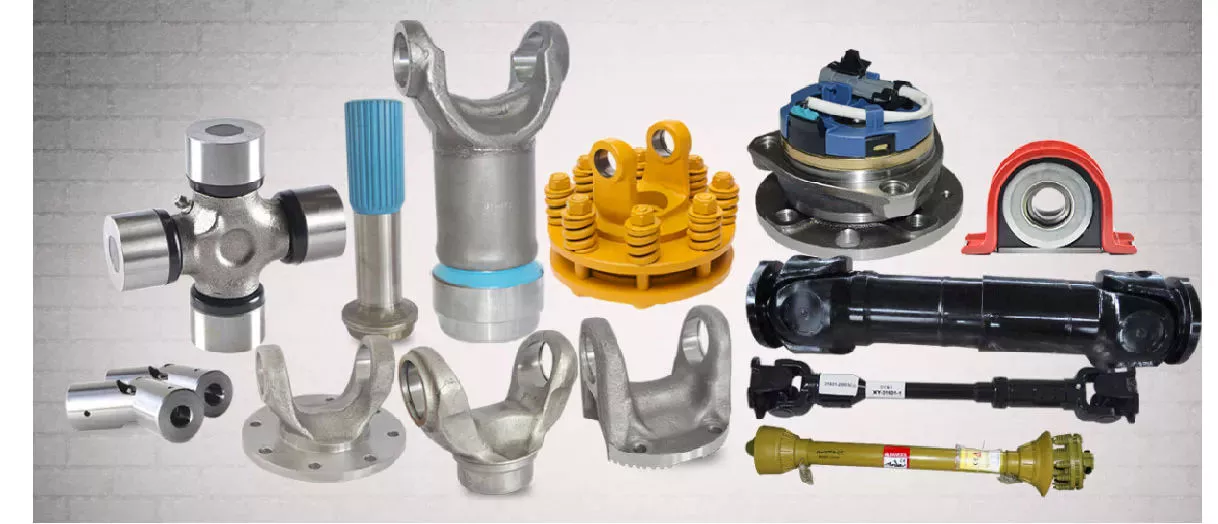
What factors should be considered when selecting the right drive shaft for an application?
When selecting the right drive shaft for an application, several factors need to be considered. The choice of drive shaft plays a crucial role in ensuring efficient and reliable power transmission. Here are the key factors to consider:
1. Wymagania dotyczące mocy i momentu obrotowego:
The power and torque requirements of the application are essential considerations. It is crucial to determine the maximum torque that the drive shaft will need to transmit without failure or excessive deflection. This includes evaluating the power output of the engine or power source, as well as the torque demands of the driven components. Selecting a drive shaft with the appropriate diameter, material strength, and design is essential to ensure it can handle the expected torque levels without compromising performance or safety.
2. Operating Speed:
The operating speed of the drive shaft is another critical factor. The rotational speed affects the dynamic behavior of the drive shaft, including the potential for vibration, resonance, and critical speed limitations. It is important to choose a drive shaft that can operate within the desired speed range without encountering excessive vibrations or compromising the structural integrity. Factors such as the material properties, balance, and critical speed analysis should be considered to ensure the drive shaft can handle the required operating speed effectively.
3. Length and Alignment:
The length and alignment requirements of the application must be considered when selecting a drive shaft. The distance between the engine or power source and the driven components determines the required length of the drive shaft. In situations where there are significant variations in length or operating angles, telescopic drive shafts or multiple drive shafts with appropriate couplings or universal joints may be necessary. Proper alignment of the drive shaft is crucial to minimize vibrations, reduce wear and tear, and ensure efficient power transmission.
4. Space Limitations:
The available space within the application is an important factor to consider. The drive shaft must fit within the allocated space without interfering with other components or structures. It is essential to consider the overall dimensions of the drive shaft, including length, diameter, and any additional components such as joints or couplings. In some cases, custom or compact drive shaft designs may be required to accommodate space limitations while maintaining adequate power transmission capabilities.
5. Environmental Conditions:
The environmental conditions in which the drive shaft will operate should be evaluated. Factors such as temperature, humidity, corrosive agents, and exposure to contaminants can impact the performance and lifespan of the drive shaft. It is important to select materials and coatings that can withstand the specific environmental conditions to prevent corrosion, degradation, or premature failure of the drive shaft. Special considerations may be necessary for applications exposed to extreme temperatures, water, chemicals, or abrasive substances.
6. Application Type and Industry:
The specific application type and industry requirements play a significant role in drive shaft selection. Different industries, such as automotive, aerospace, industrial machinery, agriculture, or marine, have unique demands that need to be addressed. Understanding the specific needs and operating conditions of the application is crucial in determining the appropriate drive shaft design, materials, and performance characteristics. Compliance with industry standards and regulations may also be a consideration in certain applications.
7. Konserwacja i serwisowanie:
The ease of maintenance and serviceability should be taken into account. Some drive shaft designs may require periodic inspection, lubrication, or replacement of components. Considering the accessibility of the drive shaft and associated maintenance requirements can help minimize downtime and ensure long-term reliability. Easy disassembly and reassembly of the drive shaft can also be beneficial for repair or component replacement.
By carefully considering these factors, one can select the right drive shaft for an application that meets the power transmission needs, operating conditions, and durability requirements, ultimately ensuring optimal performance and reliability.

Jakie środki ostrożności należy zachować podczas pracy z wałami napędowymi?
Praca z wałami napędowymi wymaga przestrzegania szczególnych środków ostrożności, aby zapobiec wypadkom, obrażeniom ciała i uszkodzeniom sprzętu. Wały napędowe są kluczowymi elementami układu napędowego pojazdu lub maszyny i mogą stanowić zagrożenie, jeśli nie są prawidłowo obsługiwane. Poniżej znajduje się szczegółowe wyjaśnienie środków ostrożności, które należy zachować podczas pracy z wałami napędowymi:
1. Środki ochrony indywidualnej (PPE):
Podczas pracy z wałami napędowymi należy zawsze nosić odpowiedni sprzęt ochrony osobistej. Mogą to być okulary ochronne, rękawice, buty z metalowymi noskami i odzież ochronna. Środki ochrony indywidualnej (PPE) chronią przed potencjalnymi obrażeniami spowodowanymi przez odłamki, ostre krawędzie lub przypadkowy kontakt z ruchomymi częściami.
2. Procedury blokowania/oznakowania:
Przed przystąpieniem do pracy przy wale napędowym należy upewnić się, że źródło zasilania jest prawidłowo zablokowane i oznaczone. Obejmuje to odizolowanie źródła zasilania, np. poprzez wyłączenie silnika lub odłączenie zasilania elektrycznego, i zabezpieczenie go blokadą/oznakowaniem. Zapobiega to przypadkowemu zazębieniu się wału napędowego podczas prac konserwacyjnych lub naprawczych.
3. Wsparcie pojazdu lub sprzętu:
Podczas pracy z wałami napędowymi w pojazdach lub urządzeniach należy stosować odpowiednie mechanizmy podporowe, aby zapobiec nieoczekiwanemu ruchowi. Należy bezpiecznie zablokować koła pojazdu lub użyć podpór, aby zapobiec stoczeniu się lub przesunięciu pojazdu podczas demontażu lub montażu wału napędowego. Pomaga to zachować stabilność i zmniejsza ryzyko wypadków.
4. Prawidłowe techniki podnoszenia:
Podczas podnoszenia ciężkich wałów napędowych należy stosować odpowiednie techniki podnoszenia, aby zapobiec przeciążeniom i urazom. Podnoś za pomocą odpowiedniego urządzenia podnoszącego, takiego jak wciągnik lub podnośnik, i upewnij się, że ładunek jest równomiernie rozłożony i bezpiecznie zamocowany. Unikaj podnoszenia ciężkich wałów napędowych ręcznie lub za pomocą niewłaściwego sprzętu do podnoszenia, ponieważ może to prowadzić do wypadków i obrażeń.
5. Kontrola i konserwacja:
Przed przystąpieniem do prac przy wale napędowym należy go dokładnie sprawdzić pod kątem uszkodzeń, zużycia lub niewspółosiowości. W przypadku wykrycia jakichkolwiek nieprawidłowości, przed przystąpieniem do prac należy skonsultować się z wykwalifikowanym technikiem lub inżynierem. Regularna konserwacja jest również niezbędna, aby zapewnić dobry stan techniczny wału napędowego. Należy przestrzegać zalecanego przez producenta harmonogramu i procedur konserwacji, aby zminimalizować ryzyko awarii lub usterek.
6. Odpowiednie narzędzia i sprzęt:
Używaj odpowiednich narzędzi i sprzętu przeznaczonego specjalnie do pracy z wałami napędowymi. Niewłaściwe narzędzia lub prowizoryczne rozwiązania mogą prowadzić do wypadków lub uszkodzenia wału napędowego. Upewnij się, że narzędzia są w dobrym stanie, mają odpowiedni rozmiar i są odpowiednie do danego zadania. Podczas korzystania ze specjalistycznych narzędzi lub sprzętu postępuj zgodnie z instrukcjami i wytycznymi producenta.
7. Kontrolowane uwalnianie zmagazynowanej energii:
Niektóre wały napędowe, szczególnie te z tłumikami drgań skrętnych lub innymi elementami magazynującymi energię, mogą magazynować energię nawet po odłączeniu źródła zasilania. Należy zachować ostrożność podczas pracy z takimi wałami napędowymi i upewnić się, że zgromadzona energia zostanie bezpiecznie uwolniona przed demontażem lub wymontowaniem.
8. Szkolenia i wiedza specjalistyczna:
Prace przy wałach napędowych powinny być wykonywane wyłącznie przez osoby posiadające odpowiednie przeszkolenie, wiedzę i doświadczenie. Jeśli nie znasz się na wałach napędowych lub nie posiadasz wymaganych umiejętności, zwróć się o pomoc do wykwalifikowanych techników lub specjalistów. Nieprawidłowe obchodzenie się z wałami napędowymi lub ich montaż może prowadzić do wypadków, uszkodzeń lub pogorszenia wydajności.
9. Postępuj zgodnie z wytycznymi producenta:
Zawsze należy przestrzegać wytycznych, instrukcji i ostrzeżeń producenta dotyczących wału napędowego, z którym pracujesz. Wytyczne te zawierają ważne informacje dotyczące montażu, konserwacji i bezpieczeństwa. Odstępstwa od zaleceń producenta mogą skutkować niebezpiecznymi warunkami lub unieważnieniem gwarancji.
10. Utylizacja starych lub uszkodzonych wałów napędowych:
Stare lub uszkodzone wały napędowe należy utylizować zgodnie z lokalnymi przepisami i wytycznymi dotyczącymi ochrony środowiska. Nieprawidłowa utylizacja może mieć negatywny wpływ na środowisko i naruszać wymogi prawne. Należy skonsultować się z lokalnymi władzami odpowiedzialnymi za gospodarkę odpadami lub punktami recyklingu, aby upewnić się, że stosowane są odpowiednie metody utylizacji.
Przestrzegając tych środków ostrożności, można zminimalizować ryzyko związane z pracą z wałami napędowymi i stworzyć bezpieczne środowisko pracy. Kluczowe jest priorytetowe traktowanie bezpieczeństwa osobistego, stosowanie odpowiedniego sprzętu i technik oraz w razie potrzeby korzystanie z pomocy fachowca, aby zapewnić prawidłową obsługę i konserwację wałów napędowych.
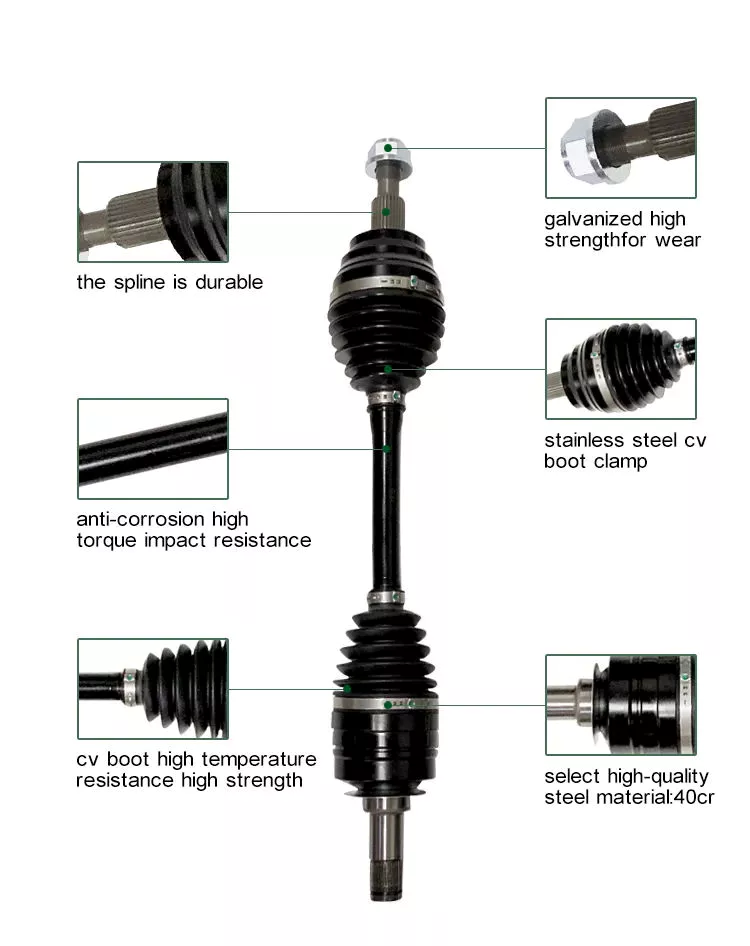
Can you explain the different types of drive shafts and their specific applications?
Drive shafts come in various types, each designed to suit specific applications and requirements. The choice of drive shaft depends on factors such as the type of vehicle or equipment, power transmission needs, space limitations, and operating conditions. Here’s an explanation of the different types of drive shafts and their specific applications:
1. Solid Shaft:
A solid shaft, also known as a one-piece or solid-steel drive shaft, is a single, uninterrupted shaft that runs from the engine or power source to the driven components. It is a simple and robust design used in many applications. Solid shafts are commonly found in rear-wheel-drive vehicles, where they transmit power from the transmission to the rear axle. They are also used in industrial machinery, such as pumps, generators, and conveyors, where a straight and rigid power transmission is required.
2. Tubular Shaft:
Tubular shafts, also called hollow shafts, are drive shafts with a cylindrical tube-like structure. They are constructed with a hollow core and are typically lighter than solid shafts. Tubular shafts offer benefits such as reduced weight, improved torsional stiffness, and better damping of vibrations. They find applications in various vehicles, including cars, trucks, and motorcycles, as well as in industrial equipment and machinery. Tubular drive shafts are commonly used in front-wheel-drive vehicles, where they connect the transmission to the front wheels.
3. Constant Velocity (CV) Shaft:
Constant Velocity (CV) shafts are specifically designed to handle angular movement and maintain a constant velocity between the engine/transmission and the driven components. They incorporate CV joints at both ends, which allow flexibility and compensation for changes in angle. CV shafts are commonly used in front-wheel-drive and all-wheel-drive vehicles, as well as in off-road vehicles and certain heavy machinery. The CV joints enable smooth power transmission even when the wheels are turned or the suspension moves, reducing vibrations and improving overall performance.
4. Slip Joint Shaft:
Slip joint shafts, also known as telescopic shafts, consist of two or more tubular sections that can slide in and out of each other. This design allows for length adjustment, accommodating changes in distance between the engine/transmission and the driven components. Slip joint shafts are commonly used in vehicles with long wheelbases or adjustable suspension systems, such as some trucks, buses, and recreational vehicles. By providing flexibility in length, slip joint shafts ensure a constant power transfer, even when the vehicle chassis experiences movement or changes in suspension geometry.
5. Double Cardan Shaft:
A double Cardan shaft, also referred to as a double universal joint shaft, is a type of drive shaft that incorporates two universal joints. This configuration helps to reduce vibrations and minimize the operating angles of the joints, resulting in smoother power transmission. Double Cardan shafts are commonly used in heavy-duty applications, such as trucks, off-road vehicles, and agricultural machinery. They are particularly suitable for applications with high torque requirements and large operating angles, providing enhanced durability and performance.
6. Composite Shaft:
Composite shafts are made from composite materials such as carbon fiber or fiberglass, offering advantages such as reduced weight, improved strength, and resistance to corrosion. Composite drive shafts are increasingly being used in high-performance vehicles, sports cars, and racing applications, where weight reduction and enhanced power-to-weight ratio are critical. The composite construction allows for precise tuning of stiffness and damping characteristics, resulting in improved vehicle dynamics and drivetrain efficiency.
7. PTO Shaft:
Power Take-Off (PTO) shafts are specialized drive shafts used in agricultural machinery and certain industrial equipment. They are designed to transfer power from the engine or power source to various attachments, such as mowers, balers, or pumps. PTO shafts typically have a splined connection at one end to connect to the power source and a universal joint at the other end to accommodate angular movement. They are characterized by their ability to transmit high torque levels and their compatibility with a range of driven implements.
8. Marine Shaft:
Marine shafts, also known as propeller shafts or tail shafts, are specifically designed for marine vessels. They transmit power from the engine to the propeller, enabling propulsion. Marine shafts are usually long and operate in a harsh environment, exposed to water, corrosion, and high torque loads. They are typically made of stainless steel or other corrosion-resistant materials and are designed to withstand the challenging conditions encountered in marine applications.
It’simportant to note that the specific applications of drive shafts may vary depending on the vehicle or equipment manufacturer, as well as the specific design and engineering requirements. The examples provided above highlight common applications for each type of drive shaft, but there may be additional variations and specialized designs based on specific industry needs and technological advancements.


editor by CX 2024-01-15























