
Opis produktu
The W 2100 series PTO drive shaft provides proven CHINAMFG scheid technology, with a perfect design that is suitable for all applications. The advantages of this CHINAMFG scheid PTO drive shaft are long service life, convenient use, and good safety performance. For decades, Walterscheid has been the guarantee of the highest quality. The size of the W series is suitable for powertrain tasks, from simple to complex. It has impressed users with its robust design and high reliability for daily use. Another advantage is that all components in the PTO drive shaft W-series can be easily replaced to improve ease of use, or if spare parts are required.
| Długość | 710 mm | Power 540 rpm | 12 kW |
| Torque of clutch in daNm | 0 | Power 1000 rpm | 18 kW |
| Locking type by tractor side | Collar lock | Max static torque | 1150 N·m |
| Connection outside diameter by machine side | 1-3/8 Inch | Cross joint bush diameter by tractor side | 22 mm |
| Connection number of splines/grooves by machine side | 6 | Cross joint length by tractor side | 55 mm |
|
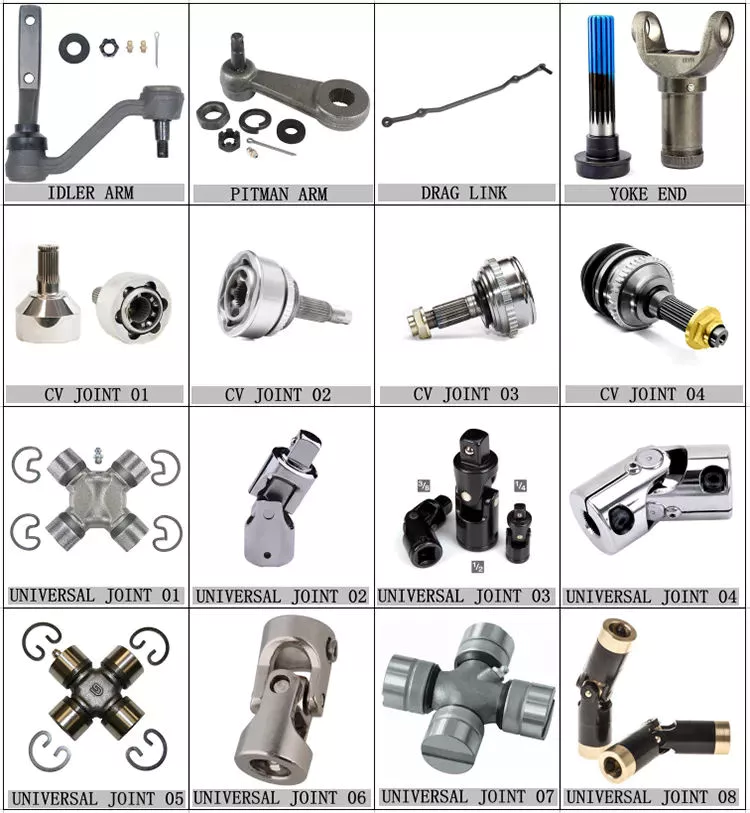
Cross Kit/ Universal Joint
|
Tube
|
Shaft Shield Guard
|
Yoke
|
|
Torque Limiter
|
PTO Spline & Adaptor & Hub |
Universal Coupling
|
Wide Angle Joint
|
As a China PTO shaft manufacturer, we have the following advantages:
- High quality products: We use the most advanced technology and materials to ensure that the PTO shafts we produce have excellent quality and durability.
- Comprehensive product line: Our PTO shafts cover a variety of types and sizes to meet the needs of different customers.
- Customized service: We can produce customized PTO shaft products according to the specific needs of customers, thereby ensuring that customer requirements are met.
- Fast delivery time: Our production line operates efficiently and can quickly respond to customer needs, ensuring rapid delivery of PTO shaft products.
- Professional technical support: We have a professional technical team that can provide customers with various technical support and consulting services to ensure that customers receive the best solution.
We welcome you to our PTO shaft production factory in China. We are 1 of the largest China PTO shaft manufacturers , focusing on providing customers with high-quality and high-performance PTO shaft. We are an experienced manufacturer dedicated to producing high-quality PTO shafts to help customers successfully complete their various projects.
We are committed to using the most advanced technology and equipment to ensure that the PTO shafts we produce have excellent quality and reliability, to ensure that customers receive the best performance and service life. Our team is composed of experienced professionals who can tailor the PTO shaft to the customer’s needs to best meet their specific requirements.
In addition, our factory has a strict quality management system to ensure that each PTO shaft meets industry standards and passes all necessary quality tests. We have first-class after-sales service and will make every effort to ensure customer satisfaction.
We look CHINAMFG to working with you and manufacturing high-quality PTO shafts for you to help your project achieve greater success. If you have any questions about our factory, please feel free to contact us.
| Tworzywo: | Stal węglowa |
|---|---|
| Obciążenie: | Wał napędowy |
| Sztywność i elastyczność: | Sztywność / Sztywna oś |
| Dokładność wymiarowa średnicy czopu: | IT6-IT9 |
| Kształt osi: | Wał prosty |
| Kształt wału: | Rzeczywista oś |
| Samples: |
US$ 9999/Piece
1 Piece(Min.Order) | |
|---|
Can PTO shafts be adapted for use in both agricultural and industrial settings?
Yes, PTO (Power Take-Off) shafts can be adapted for use in both agricultural and industrial settings. While PTO shafts are commonly associated with agricultural machinery, they are versatile components that can be utilized in various applications beyond the agricultural sector. With appropriate modifications and considerations, PTO shafts can effectively transfer power in industrial settings as well. Here’s a detailed explanation of how PTO shafts can be adapted for both agricultural and industrial use:
1. Standard PTO Shaft Design: PTO shafts have a standardized design that allows for compatibility and interchangeability across different equipment and machinery. This standardization enables PTO shafts to be used in various applications, including both agricultural and industrial settings. The basic components of a PTO shaft, such as the universal joints, splined shafts, and protective guards, remain consistent, regardless of the specific application. This consistency allows for easy adaptation and integration into different machinery and equipment.
2. Shaft Length and Sizing: PTO shafts can be customized in terms of length and sizing to suit specific requirements in both agricultural and industrial settings. The length of the shaft can be adjusted to accommodate different distances between the power source and the driven machinery. This flexibility allows for optimal power transmission and ensures compatibility with various equipment setups. Similarly, the sizing of the PTO shaft, including the diameter and splined shaft specifications, can be tailored to meet the torque and power requirements of different applications, whether in agriculture or industry.
3. Power Requirements: PTO shafts are designed to transfer power from a power source to driven machinery. In agricultural settings, the power source is typically a tractor or other agricultural vehicles, while in industrial settings, it can be an engine, motor, or power unit specific to the industry. PTO shafts can be adapted to handle different power requirements by considering factors such as torque capacity, rotational speed, and the specific demands of the machinery or equipment being driven. By selecting the appropriate PTO shaft based on the power requirements, the shaft can effectively transfer power in both agricultural and industrial applications.
4. Safety Considerations: Safety is a critical aspect of PTO shaft design and usage, regardless of the application. PTO shafts incorporate safety features such as protective guards and shields to prevent accidental contact with rotating components. These safety measures are essential in agricultural and industrial settings to minimize the risk of entanglement, injury, or damage. Adapting PTO shafts for industrial use may require additional safety considerations based on the specific hazards present in industrial environments. However, the core safety principles and features of PTO shafts can be applied and adapted to ensure safe operation in both settings.
5. Specialized Attachments: PTO shafts can be equipped with specialized attachments or adapters to accommodate different driven machinery or equipment. In agricultural settings, PTO shafts commonly connect to implements such as mowers, balers, or sprayers. In industrial settings, PTO shafts may be adapted to connect to various industrial machinery, including pumps, generators, compressors, or conveyors. These specialized attachments ensure compatibility and efficient power transfer between the PTO shaft and the driven equipment, allowing for seamless integration in both agricultural and industrial applications.
6. Environmental Considerations: PTO shafts can be adapted to address specific environmental conditions in both agricultural and industrial settings. For example, in agricultural applications, PTO shafts may need to withstand exposure to dirt, dust, moisture, and varying weather conditions. Industrial settings may have their unique environmental challenges, such as exposure to chemicals, high temperatures, or abrasive materials. By selecting PTO shaft materials, protective coatings, and seals suitable for the specific environment, the shafts can be adapted to ensure reliable and durable performance in various settings.
7. Zgodność ze standardami: PTO shafts, whether used in agricultural or industrial settings, need to comply with relevant safety standards and regulations. Manufacturers adhere to guidelines and requirements set by organizations such as the American Society of Agricultural and Biological Engineers (ASABE) or other regional safety authorities. Compliance ensures that PTO shafts meet safety criteria and performance standards applicable to both agricultural and industrial environments. Users can rely on standardized PTO shafts that have undergone testing and certification, offering assurance regarding their reliability and safety.
By considering the factors mentioned above, PTO shafts can be adapted to effectively transfer power in both agricultural and industrial settings. The versatile nature of PTO shafts, coupled with customization options, safety considerations, specialized attachments, and compliance with standards, allows for their successful integration into a wide range of machinery and equipment across various industries.

W jaki sposób wały odbioru mocy zwiększają wydajność ciągników i maszyn rolniczych?
Wały odbioru mocy (WOM) odgrywają kluczową rolę w zwiększaniu wydajności ciągników i maszyn rolniczych. Zapewniając niezawodny mechanizm przenoszenia mocy, wały WOM umożliwiają tym maszynom wydajną, efektywną i wszechstronną pracę. Oto szczegółowe wyjaśnienie, w jaki sposób wały WOM zwiększają wydajność ciągników i maszyn rolniczych:
1. Przenoszenie mocy: Wały odbioru mocy (WOM) ułatwiają przenoszenie mocy z silnika ciągnika na różne narzędzia i maszyny rolnicze. Moc obrotowa generowana przez silnik jest przekazywana przez wał WOM do napędzania podłączonego sprzętu. To bezpośrednie przeniesienie mocy eliminuje potrzebę stosowania oddzielnych silników elektrycznych dla każdego narzędzia, zmniejszając złożoność, wagę i wymagania konserwacyjne. Wały WOM zapewniają stałe i niezawodne zasilanie, umożliwiając maszynom rolniczym wykonywanie zadań z optymalną wydajnością i efektywnością.
2. Wszechstronność: Wały odbioru mocy (WOM) zapewniają ciągnikom i maszynom rolniczym większą wszechstronność. Ponieważ wały WOM mają znormalizowane wymiary i sposoby mocowania, można łatwo podłączyć i napędzać szeroką gamę narzędzi za pomocą tego samego ciągnika. Ta wszechstronność pozwala rolnikom szybko przełączać się między różnymi zadaniami, takimi jak koszenie, uprawa roli, sadzenie i zbiór, bez konieczności posiadania wielu specjalistycznych maszyn. Możliwość wykorzystania jednego zespołu napędowego do różnych zadań obniża koszty, oszczędza miejsce w magazynie i poprawia ogólną wydajność operacyjną.
3. Poprawa produktywności: Wały odbioru mocy przyczyniają się do poprawy wydajności w rolnictwie. Wykorzystując moc ciągników, maszyny rolnicze mogą pracować z większą prędkością i wydajnością w porównaniu z ręcznymi lub alternatywnymi metodami napędu. Maszyny napędzane WOM, takie jak kosiarki, prasy i kombajny, mogą obsługiwać większe obszary i wykonywać zadania szybciej, skracając czas potrzebny na wykonanie prac rolniczych. Ta zwiększona wydajność pozwala rolnikom osiągnąć więcej w danym czasie, co przekłada się na wyższe plony i poprawę ogólnej wydajności gospodarstwa.
4. Zmniejszone wymagania dotyczące siły roboczej: Wały przegubowo-teleskopowe (WOM) pomagają zmniejszyć nakład pracy w rolnictwie. Wykorzystując zmechanizowany sprzęt napędzany wałami WOM, rolnicy mogą zminimalizować nakład pracy ręcznej i związany z nim wysiłek fizyczny. Zadania takie jak orka, uprawa roli i zbiory mogą być wykonywane wydajniej i z mniejszym wykorzystaniem siły roboczej. To zmniejszenie nakładu pracy pozwala rolnikom na efektywniejszą alokację zasobów, skupienie się na innych istotnych zadaniach i potencjalne obniżenie kosztów pracy.
5. Precyzja i dokładność: Wały odbioru mocy (WOM) przyczyniają się do precyzji i dokładności w pracach rolniczych. Stałe zasilanie z silnika ciągnika zapewnia równomierną pracę i wydajność podłączonych maszyn. Ta precyzja jest kluczowa w przypadku takich zadań, jak wysiew nasion, nawożenie lub stosowanie środków chemicznych, a także zbiór plonów. Sprzęt napędzany WOM zapewnia stałą liczbę obrotów na minutę (obr./min) i utrzymuje niezbędne parametry operacyjne, co przekłada się na precyzyjne i dokładne prowadzenie prac rolniczych. Precyzja ta przekłada się na lepszą jakość plonów, redukcję strat i optymalne wykorzystanie zasobów.
6. Zdolność adaptacji do różnych zadań: Wały odbioru mocy (WOM) zwiększają możliwości adaptacyjne ciągników i maszyn rolniczych do wykonywania różnorodnych zadań. Dzięki możliwości podłączenia różnych narzędzi, takich jak kosiarki, siewniki, opryskiwacze czy prasy, za pośrednictwem wałów WOM, rolnicy mogą szybko przekształcić swoje ciągniki w maszyny specjalistyczne do konkretnych zadań. Ta elastyczność pozwala na efektywne wykorzystanie sprzętu na różnych etapach produkcji roślinnej, umożliwiając rolnikom reagowanie na zmieniające się potrzeby i warunki w sposób ekonomiczny.
7. Zwiększone bezpieczeństwo: Wały odbioru mocy przyczyniają się do zwiększenia bezpieczeństwa w pracach rolniczych. Wiele wałów odbioru mocy jest wyposażonych w zabezpieczenia, takie jak osłony, chroniące operatorów przed potencjalnymi zagrożeniami związanymi z obracającymi się elementami. Te środki bezpieczeństwa pomagają zapobiegać wypadkom spowodowanym zaplątaniem i zmniejszają ryzyko obrażeń. Ponadto, korzystając z maszyn napędzanych WOM, rolnicy mogą zachować bezpieczną odległość od niektórych niebezpiecznych zadań, takich jak koszenie czy rozdrabnianie, co dodatkowo poprawia ogólne bezpieczeństwo w gospodarstwie.
8. Integracja z technologią: W nowoczesnych ciągnikach i maszynach rolniczych wałki odbioru mocy (WOM) można zintegrować z zaawansowanymi technologiami i systemami automatyki. Taka integracja umożliwia precyzyjne sterowanie, monitorowanie danych i optymalizację wydajności maszyn. Na przykład, precyzyjne systemy naprowadzania można zsynchronizować z narzędziami napędzanymi WOM, aby zapewnić precyzyjne rozmieszczenie nasion lub aplikację środków chemicznych. Ponadto, gromadzenie i analiza danych może dostarczyć informacji na temat zużycia paliwa, potrzeb konserwacyjnych i ogólnej wydajności maszyn, co prowadzi do optymalizacji pracy i zwiększenia wydajności.
Podsumowując, wały odbioru mocy (WOM) poprawiają osiągi ciągników i maszyn rolniczych, umożliwiając efektywne przenoszenie mocy, zwiększając wszechstronność, poprawiając wydajność, redukując nakłady pracy, zapewniając precyzję i dokładność, ułatwiając adaptację, zwiększając bezpieczeństwo oraz integrując się z zaawansowanymi technologiami. Korzyści te przyczyniają się do ogólnej wydajności operacyjnej, opłacalności oraz możliwości efektywnego zarządzania działalnością rolniczą przez rolników.
What is a PTO shaft and how is it used in agricultural and industrial equipment?
A power take-off (PTO) shaft is a mechanical component used in agricultural and industrial equipment to transfer power from a power source, such as an engine or motor, to another machine or implement. It is a driveline shaft that transmits rotational power and torque, allowing the connected equipment to perform various tasks. PTO shafts are commonly used in agricultural machinery, such as tractors, as well as in industrial equipment, including generators, pumps, and construction machinery. Here’s a detailed explanation of what a PTO shaft is and how it is used:
Structure and Components: A typical PTO shaft consists of a hollow metal tube with universal joints at each end. The hollow tube allows the shaft to rotate freely, while the universal joints accommodate angular misalignments between the power source and the driven equipment. The universal joints consist of a cross-shaped yoke with needle bearings, providing flexibility and allowing the transmission of power at varying angles. Some PTO shafts may also include a telescopic section to adjust the length for different equipment setups or to accommodate varying distances between the power source and the driven machine.
Power Transfer: The primary function of a PTO shaft is to transfer power and torque from the power source to the driven equipment. The power source, typically an engine or motor, drives the PTO shaft through a mechanical connection, such as a gearbox or a clutch. As the power source rotates, it transmits rotational force to the PTO shaft. The PTO shaft, in turn, transfers this rotational power and torque to the driven equipment, enabling it to perform its intended function. The torque and rotational speed transmitted through the PTO shaft depend on the power source’s characteristics and the gear ratio or clutch engagement.
Agricultural Applications: In agriculture, PTO shafts are commonly used in tractors to power various implements and attachments. The PTO shaft is connected to the tractor’s power take-off, a rotating drive shaft located at the rear of the tractor. By engaging the PTO clutch, the tractor’s engine power is transferred through the PTO shaft to the attached implements. Agricultural machinery, such as mowers, balers, tillers, sprayers, and grain augers, often rely on PTO shafts to receive power for their operation. The PTO shaft allows the implements to be powered directly by the tractor’s engine, eliminating the need for separate power sources and increasing the versatility and efficiency of agricultural operations.
Industrial Applications: PTO shafts also find extensive use in various industrial applications. Industrial equipment, such as generators, pumps, compressors, and industrial mixers, often incorporate PTO shafts to receive power from engines or electric motors. The PTO shaft connects the power source to the driven equipment, allowing it to operate and perform its intended function. In construction machinery, PTO shafts can be found in equipment like concrete mixers, hydraulic hammers, and post hole diggers, enabling the transfer of power from the machinery’s engine to the specific attachment or tool being used.
Safety Considerations: It is important to note that PTO shafts can pose safety risks if not handled properly. The rotating shaft can cause serious injuries if operators come into contact with it while it is in operation. To ensure safety, PTO shafts are often equipped with shielding or guards that cover the rotating shaft and universal joints, preventing accidental contact. It is crucial to maintain and inspect these safety features regularly to ensure their effectiveness. Additionally, operators should receive proper training on PTO shaft operation, including safe attachment and detachment procedures, as well as the use of personal protective equipment when working near PTO-driven machinery.
In summary, a PTO shaft is a mechanical component used in agricultural and industrial equipment to transmit power and torque from a power source to a driven machine or implement. It enables the direct power transfer from engines or motors to various equipment, increasing efficiency and versatility in agricultural and industrial operations. While PTO shafts offer significant benefits, operators must be aware of the associated safety considerations and take appropriate precautions to prevent accidents and injuries.


editor by CX 2023-10-03























