
Opis produktu
Parametry produktu
| Gwarancja | Other |
| Miejsce pochodzenia | ZHangZhoug, China |
| Nazwa marki | Huijue |
| Numer modelu | HJPJ-Z-M4 |
| Product name | 304 Stainless Steel Anti-rust Welded Shaft |
| Size | Zwyczaj |
| Aplikacja | Industrial Equipment Mechanical machining shafts are commonly used for motors, water pumps, mechanical connections, etc |
| Process | CNC machining,Auto lathing/turning,Milling,Grindin, Tapping Drilling,Bending,Casting,Laser cutting |
| Surface treatment | Coating/Ni plating/Zn plating/QPQ/Carbonization/Quenching/Black Treatment/Steaming Treatment/Nitrocarburizing/Carbonitriding |
| Certificate | ISO9001:2008,SGS, ROHS |
| Delivery Time | 15-30days |
| MOQ | 1000 |
| Tolerancja | ±0.01mm |
| Tworzywo | 40Cr/35C/GB45/70Cr/40CrMo |
| Kolor | Natural Color |
Szczegółowe zdjęcia
aplikacja
Mechanical machining shafts are commonly used for motors, water pumps, mechanical connections, etc
Other products
Opis produktu
We make various kinds of shaft as per customer’s drawing and samples. Our shaft is widely applied the different industrials.
Quality comes from being controlled rather than be done. On the basis of the escalating production equipment and optimized process, CHINAMFG spares no efforts and keeps improving for quality control. Quality assurance covered with system, technology and human resources are in full swing.
Shaft material range: carbon steel, alloy steel, stainless steel, aluminum alloy, copper alloy
|
Stainless steel |
C |
St |
Mn |
P |
S |
Ni |
Cr |
Mo |
Cu |
|
SUS303 |
≤0.15 |
≤1 |
≤2 |
≤0.2 |
≥0.15 |
8~10 |
17~19 |
≤0.6 |
\ |
|
SUS303CU |
≤0.08 |
≤1 |
≤2.5 |
≤0.15 |
≥0.1 |
6~10 |
17~19 |
≤0.6 |
2.5~4 |
|
SUS304 |
≤0.08 |
≤1 |
≤2 |
≤0.04 |
≤0.03 |
8~10.5 |
18~20 |
\ |
\ |
|
SUS420J2 |
0.26~0.40 |
≤1 |
≤1 |
≤0.04 |
≤0.03 |
<0.6 |
12~14 |
\ |
\ |
|
SUS420F |
0.26~0.40 |
>0.15 |
≤1.25 |
≤0.06 |
≥0.15 |
<0.6 |
12~14 |
\ |
\ |
Opakowanie i wysyłka
DHL: 3-5 working days ;
UPS: 5-7 working days;
TNT: 5-7 working days;
FedEx: 7-9 working days;
EMS: 12-15 working days;
ChinaPost: Depends on ship to which country;
Sea: Depends on ship to which country
Profil firmy
HangZhou Shunhui Trading Co., Ltd. is a company that integrates factory and trade, specializing in various types of mechanical shafts. The company is located in HangZhou, ZHangZhoug Province, the city of machinery. Since its establishment in 2018, it has grown into a technologically mature shaft machinery processing enterprise and has established a good reputation among local cooperative enterprises in HangZhou.
The company has more than 30 employees, including half of professional CNC technicians; The company’s main products include various hardware processing products such as motor shafts, worm shafts, water pump shafts, and connectors.
The company has always been committed to mastering various types of shafts and therefore has strict control over product quality; Our company’s products are mainly exported to countries such as the United States, Germany, and Brazil. We welcome mechanical enterprises from all over the world to send samples for customization. Your satisfaction is our company’s pursuit
Często zadawane pytania
Q: Are you a factory or a trading company?
A: We are a company that integrates factories and trade, so our product prices are more advantageous
Q: How to place an order?
A: Inquire with us → Customize with drawings and samples → Notify us of usage scenarios → Receive our product design recommendations → Negotiate details → Confirm samples → CHINAMFG contracts/deposits → Mass production → Prepare goods → Balance/deliver → Further cooperation.
Q: How about the sample order?
A: We can provide you with samples. Please contact us for details. Once we charge you for the sample fee, please rest assured that it will be a refund when you place your formal order.
Q: Which transportation method is available?
A: It is sea express delivery, China express delivery. There are other transportation options available for express delivery. Please contact us if you need another shipping route.
Q: How long does it take for delivery [production] and shipment?
A: The delivery time depends on the quantity you order. Usually takes 15-45 working days.
Q: My package is missing some products, what can I do?
A: Please contact our support team and we will confirm the contents of your order with packaging. We will compensate for the shipment based on the actual situation. We apologize for any inconvenience caused.
Q: How to confirm payment?
A: We accept wire transfer and PayPal payment methods, and other payment methods are also acceptable. Please contact us before making payment through other payment methods. An additional 10-30% deposit is feasible, and the remaining balance should be paid before shipment.
/* 10 maja 2571 16:49:51 */!function(){function d(e,r){var a,o={};try{e&&e.split(“,”).forEach(function(e,t){e&&(a=e.match(/(.*?):(.*)$/))&&1
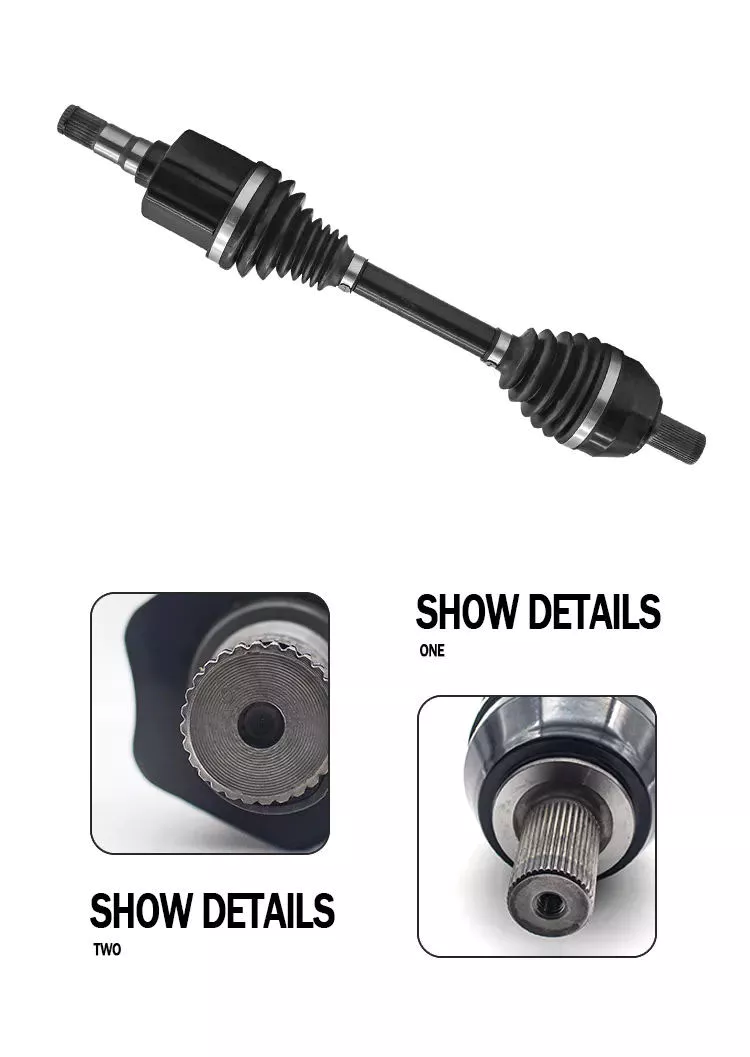
How do manufacturers ensure the compatibility of PTO shafts with different equipment?
Manufacturers employ various measures to ensure the compatibility of PTO (Power Take-Off) shafts with different equipment. Compatibility is crucial to ensure that PTO shafts can effectively transfer power from the power source to the driven machinery without compromising performance, safety, or ease of use. Here’s a detailed explanation of how manufacturers ensure compatibility:
1. Standaryzacja: PTO shafts are designed and manufactured based on standardized specifications. These specifications outline the essential parameters such as shaft dimensions, spline sizes, torque ratings, and safety requirements. By adhering to standardized designs, manufacturers ensure that PTO shafts are compatible with a wide range of equipment that meets the same standards. Standardization allows for interchangeability, meaning that PTO shafts from one manufacturer can be used with equipment from another manufacturer as long as they conform to the same specifications.
2. Collaboration with Equipment Manufacturers: PTO shaft manufacturers often collaborate closely with equipment manufacturers to ensure compatibility. They work together to understand the specific requirements of the equipment and design PTO shafts that seamlessly integrate with the machinery. This collaboration may involve sharing technical specifications, conducting joint testing, and exchanging feedback. By working in partnership, manufacturers can address any compatibility issues early in the design and development process, resulting in PTO shafts that are tailored to the equipment’s needs.
3. Opcje personalizacji: PTO shaft manufacturers offer customization options to accommodate different equipment configurations. They provide flexibility in terms of shaft length, spline sizes, yoke designs, and coupling mechanisms. Equipment manufacturers can specify the required parameters, and the PTO shafts can be customized accordingly. This ensures that the PTO shafts precisely match the equipment’s power input/output requirements and connection methods, guaranteeing compatibility and efficient power transfer.
4. Testing and Validation: Manufacturers conduct rigorous testing and validation processes to ensure the compatibility and performance of PTO shafts. They subject the shafts to various tests, including torque testing, rotational speed testing, and durability testing. These tests verify that the PTO shafts can handle the expected power loads and operating conditions without failure. By validating the performance of the PTO shafts, manufacturers can ensure that they are compatible with a wide range of equipment and can reliably transfer power under different operating scenarios.
5. Compliance with Industry Standards: PTO shaft manufacturers adhere to industry standards and regulations to ensure compatibility. Organizations such as the American Society of Agricultural and Biological Engineers (ASABE) establish safety and performance standards for PTO shafts. Manufacturers design and produce their shafts in accordance with these standards, ensuring that their products meet the necessary requirements for compatibility and safety. Compliance with industry standards provides assurance to equipment manufacturers and end-users that the PTO shafts are compatible and suitable for use with different equipment.
6. Documentation and Guidelines: Manufacturers provide comprehensive documentation and guidelines to assist equipment manufacturers and end-users in ensuring compatibility. This documentation includes technical specifications, installation instructions, maintenance guidelines, and safety recommendations. The documentation helps equipment manufacturers select the appropriate PTO shaft for their equipment and provides guidance on proper installation and use. By following the manufacturer’s guidelines, equipment manufacturers can ensure compatibility and optimize the performance of the PTO shafts.
7. Ciągłe badania i rozwój: PTO shaft manufacturers continuously invest in research and development to enhance compatibility with different equipment. They stay updated with industry trends, technological advancements, and evolving equipment requirements. This ongoing research and development enable manufacturers to improve the design, materials, and features of PTO shafts, ensuring compatibility with the latest equipment innovations and addressing any compatibility challenges that may arise.
By employing standardization, collaborating with equipment manufacturers, offering customization options, conducting thorough testing, complying with industry standards, providing documentation and guidelines, and investing in research and development, manufacturers ensure the compatibility of PTO shafts with different equipment. This compatibility allows for seamless integration, efficient power transfer, and optimal performance across a wide range of machinery and equipment in various industries.

W jaki sposób wały odbioru mocy zwiększają wydajność ciągników i maszyn rolniczych?
Wały odbioru mocy (WOM) odgrywają kluczową rolę w zwiększaniu wydajności ciągników i maszyn rolniczych. Zapewniając niezawodny mechanizm przenoszenia mocy, wały WOM umożliwiają tym maszynom wydajną, efektywną i wszechstronną pracę. Oto szczegółowe wyjaśnienie, w jaki sposób wały WOM zwiększają wydajność ciągników i maszyn rolniczych:
1. Przenoszenie mocy: Wały odbioru mocy (WOM) ułatwiają przenoszenie mocy z silnika ciągnika na różne narzędzia i maszyny rolnicze. Moc obrotowa generowana przez silnik jest przekazywana przez wał WOM do napędzania podłączonego sprzętu. To bezpośrednie przeniesienie mocy eliminuje potrzebę stosowania oddzielnych silników elektrycznych dla każdego narzędzia, zmniejszając złożoność, wagę i wymagania konserwacyjne. Wały WOM zapewniają stałe i niezawodne zasilanie, umożliwiając maszynom rolniczym wykonywanie zadań z optymalną wydajnością i efektywnością.
2. Wszechstronność: Wały odbioru mocy (WOM) zapewniają ciągnikom i maszynom rolniczym większą wszechstronność. Ponieważ wały WOM mają znormalizowane wymiary i sposoby mocowania, można łatwo podłączyć i napędzać szeroką gamę narzędzi za pomocą tego samego ciągnika. Ta wszechstronność pozwala rolnikom szybko przełączać się między różnymi zadaniami, takimi jak koszenie, uprawa roli, sadzenie i zbiór, bez konieczności posiadania wielu specjalistycznych maszyn. Możliwość wykorzystania jednego zespołu napędowego do różnych zadań obniża koszty, oszczędza miejsce w magazynie i poprawia ogólną wydajność operacyjną.
3. Poprawa produktywności: Wały odbioru mocy przyczyniają się do poprawy wydajności w rolnictwie. Wykorzystując moc ciągników, maszyny rolnicze mogą pracować z większą prędkością i wydajnością w porównaniu z ręcznymi lub alternatywnymi metodami napędu. Maszyny napędzane WOM, takie jak kosiarki, prasy i kombajny, mogą obsługiwać większe obszary i wykonywać zadania szybciej, skracając czas potrzebny na wykonanie prac rolniczych. Ta zwiększona wydajność pozwala rolnikom osiągnąć więcej w danym czasie, co przekłada się na wyższe plony i poprawę ogólnej wydajności gospodarstwa.
4. Zmniejszone wymagania dotyczące siły roboczej: Wały przegubowo-teleskopowe (WOM) pomagają zmniejszyć nakład pracy w rolnictwie. Wykorzystując zmechanizowany sprzęt napędzany wałami WOM, rolnicy mogą zminimalizować nakład pracy ręcznej i związany z nim wysiłek fizyczny. Zadania takie jak orka, uprawa roli i zbiory mogą być wykonywane wydajniej i z mniejszym wykorzystaniem siły roboczej. To zmniejszenie nakładu pracy pozwala rolnikom na efektywniejszą alokację zasobów, skupienie się na innych istotnych zadaniach i potencjalne obniżenie kosztów pracy.
5. Precyzja i dokładność: Wały odbioru mocy (WOM) przyczyniają się do precyzji i dokładności w pracach rolniczych. Stałe zasilanie z silnika ciągnika zapewnia równomierną pracę i wydajność podłączonych maszyn. Ta precyzja jest kluczowa w przypadku takich zadań, jak wysiew nasion, nawożenie lub stosowanie środków chemicznych, a także zbiór plonów. Sprzęt napędzany WOM zapewnia stałą liczbę obrotów na minutę (obr./min) i utrzymuje niezbędne parametry operacyjne, co przekłada się na precyzyjne i dokładne prowadzenie prac rolniczych. Precyzja ta przekłada się na lepszą jakość plonów, redukcję strat i optymalne wykorzystanie zasobów.
6. Zdolność adaptacji do różnych zadań: Wały odbioru mocy (WOM) zwiększają możliwości adaptacyjne ciągników i maszyn rolniczych do wykonywania różnorodnych zadań. Dzięki możliwości podłączenia różnych narzędzi, takich jak kosiarki, siewniki, opryskiwacze czy prasy, za pośrednictwem wałów WOM, rolnicy mogą szybko przekształcić swoje ciągniki w maszyny specjalistyczne do konkretnych zadań. Ta elastyczność pozwala na efektywne wykorzystanie sprzętu na różnych etapach produkcji roślinnej, umożliwiając rolnikom reagowanie na zmieniające się potrzeby i warunki w sposób ekonomiczny.
7. Zwiększone bezpieczeństwo: Wały odbioru mocy przyczyniają się do zwiększenia bezpieczeństwa w pracach rolniczych. Wiele wałów odbioru mocy jest wyposażonych w zabezpieczenia, takie jak osłony, chroniące operatorów przed potencjalnymi zagrożeniami związanymi z obracającymi się elementami. Te środki bezpieczeństwa pomagają zapobiegać wypadkom spowodowanym zaplątaniem i zmniejszają ryzyko obrażeń. Ponadto, korzystając z maszyn napędzanych WOM, rolnicy mogą zachować bezpieczną odległość od niektórych niebezpiecznych zadań, takich jak koszenie czy rozdrabnianie, co dodatkowo poprawia ogólne bezpieczeństwo w gospodarstwie.
8. Integracja z technologią: W nowoczesnych ciągnikach i maszynach rolniczych wałki odbioru mocy (WOM) można zintegrować z zaawansowanymi technologiami i systemami automatyki. Taka integracja umożliwia precyzyjne sterowanie, monitorowanie danych i optymalizację wydajności maszyn. Na przykład, precyzyjne systemy naprowadzania można zsynchronizować z narzędziami napędzanymi WOM, aby zapewnić precyzyjne rozmieszczenie nasion lub aplikację środków chemicznych. Ponadto, gromadzenie i analiza danych może dostarczyć informacji na temat zużycia paliwa, potrzeb konserwacyjnych i ogólnej wydajności maszyn, co prowadzi do optymalizacji pracy i zwiększenia wydajności.
Podsumowując, wały odbioru mocy (WOM) poprawiają osiągi ciągników i maszyn rolniczych, umożliwiając efektywne przenoszenie mocy, zwiększając wszechstronność, poprawiając wydajność, redukując nakłady pracy, zapewniając precyzję i dokładność, ułatwiając adaptację, zwiększając bezpieczeństwo oraz integrując się z zaawansowanymi technologiami. Korzyści te przyczyniają się do ogólnej wydajności operacyjnej, opłacalności oraz możliwości efektywnego zarządzania działalnością rolniczą przez rolników.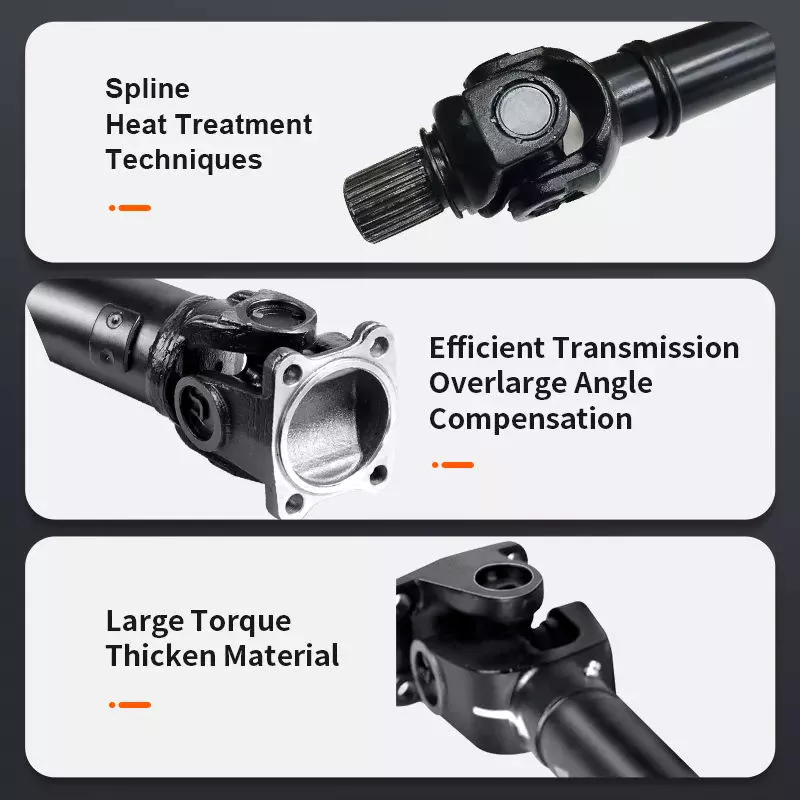
How do PTO shafts contribute to transferring power from tractors to implements?
PTO shafts (Power Take-Off shafts) play a critical role in transferring power from tractors to implements in agricultural and industrial settings. They provide a reliable and efficient means of power transmission, enabling tractors to drive various implements and perform a wide range of tasks. Here’s a detailed explanation of how PTO shafts contribute to transferring power from tractors to implements:
Źródło zasilania: Tractors are equipped with powerful engines designed to generate substantial amounts of mechanical power. This power is harnessed to drive the tractor’s wheels and operate hydraulic systems, as well as to provide power for the attachment of implements through the PTO shaft. The PTO shaft typically connects to the rear or side of the tractor, where the power take-off mechanism is located. The power take-off derives power directly from the tractor’s engine or transmission, allowing for efficient power transfer to the PTO shaft.
PTO Shaft Design: PTO shafts are designed as driveline components that transmit rotational power and torque from the tractor’s power take-off to the implement. They consist of a hollow metal tube with universal joints at each end. The universal joints accommodate angular misalignments and allow the PTO shaft to transmit power even when the tractor and implement are not perfectly aligned. The PTO shaft is also equipped with a safety shield or guard to prevent accidental contact with the rotating shaft, ensuring operator safety during operation.
PTO Engagement: To transfer power from the tractor to the implement, the PTO shaft needs to be engaged. Tractors are equipped with a PTO clutch mechanism that allows operators to engage or disengage the PTO shaft as needed. When the PTO clutch is engaged, power flows from the tractor’s engine through the power take-off mechanism and into the PTO shaft. This rotational power is then transmitted through the PTO shaft to the implement, driving its working components.
Rotational Power Transmission: The rotational power generated by the tractor’s engine is transferred to the PTO shaft through the power take-off mechanism. The PTO shaft, being directly connected to the power take-off, rotates at the same speed as the engine. This rotational power is then transmitted from the PTO shaft to the implement’s driveline or gearbox. The implement’s driveline, in turn, distributes the power to the implement’s working components, such as blades, augers, or pumps, enabling them to carry out their respective functions.
Matching Speed and Power: PTO shafts are designed to match the rotational speed and power requirements of various implements. Tractors often feature multiple speed settings for the PTO, allowing operators to select the appropriate speed for the specific implement being used. Different implements may require different rotational speeds to operate optimally, and the PTO shaft allows for easy adjustment to match those requirements. Additionally, the power generated by the tractor’s engine is transmitted through the PTO shaft, providing the necessary torque to drive the implement’s working components effectively.
Versatility and Efficiency: PTO shafts offer significant versatility and efficiency in agricultural and industrial operations. They allow tractors to power a wide range of implements, including mowers, balers, tillers, sprayers, and grain augers, among others. By connecting implements directly to the tractor’s power source, operators can quickly switch between tasks without the need for separate power generators or engines. This versatility and efficiency streamline workflow, reduce costs, and increase overall productivity in agricultural and industrial settings.
Safety Considerations: While PTO shafts are essential for power transmission, they can pose safety risks if mishandled. The rotating shaft and universal joints can cause severe injuries if operators come into contact with them while in operation. That’s why PTO shafts are equipped with safety shields or guards to prevent accidental contact. Operators should always ensure that the safety shields are in place and secure before engaging the PTO shaft. Proper training, adherence to safety guidelines, and regular maintenance of PTO shafts and associated safety features are crucial to ensuring safe operation.
In summary, PTO shafts are vital components that enable the transfer of power from tractors to implements in agricultural and industrial applications. They provide a reliable and efficient means of power transmission, allowing tractors to drive various implements and perform a wide range of tasks. By engaging the PTO clutch and transmitting rotational power through the PTO shaft, tractors power the working components of implements, providing versatility, efficiency, and productivity in agricultural and industrial operations.


redaktor przez lmc 2024-11-19























