
Opis produktu
Quality Shaft Selection: Drive, Gear, Cardan, Transmission, Rotor, Propeller, Motor, Spline, Axle, Steel, Flexible, and PTO Shafts Available
| Przybory | Carbon steel: 10#, 18#, 1018, 22#, 1571, 40Cr, 45#, 1045, 50#, 55#, 60#, 65Mn, 70#, 72B, 80#, 82B Alloy Structure Steel: B7, 20CrMo, 42Crmo, SCM415, SCM440, 4140 High-carbon chromium bearing steel: GCr15, 52100, SUJ2 Free-cutting steel: 12L14, 12L15 Stainless steel: 1Cr13, 2Cr13, 3Cr13, 4Cr13, 1Cr17, SUS410, SUS420, SUS430, SUS416, SUS440C, 17-4, 17-4PH, 130M, 200, 201, 202, 205, 303, 303Cu, 304, 316, 316L Aluminum grade: 6061, 6063 Brass: Hpb58-2.5 (C38000), Hpb59-1 (C37710), Hpb61-1 (C37100), Hpb62-0.8 (C35000), Hpb63-0.1 (C34900), Hpb63-3 (C34500), H60, H62, H63, H65 |
| Średnica | Ø0.3-Ø25 |
| Diameter tolerance | 0.002mm |
| Roundness | 0.0005mm |
| Roughness | Ra0.05 |
| Straightness | 0.005mm |
| Twardość: | HRC/HV |
| Długość | 2mm-1000mm |
| Heat treatment | 1. Oil Quenching 2. High frequency quenching 3. Carburization 4. Vacuum Heat treatment 5. Mesh belt CZPT heat treatment |
| Surface treatment | 1. Plating nickel 2. Plating zinc 3. Plating passivation 4. Plating phosphating 5. Black coating 6. Anodized treatment |
| Pakiet | Plastic bags inside and standard cartons outside. Shipment by pallets or according to customer’s packing specifications. |
| Warranty Policy | We confirm our qualities satisfy to 99.9%, and have 6-month quality warranty |
| Serwis posprzedażowy | We will follow up the requst strictly for customers and will help customers solve problems after sale. |
Swiss High-Precision CNC Machining Process
Other Category From Cold Forging Process
Profil firmy
HangZhou CZPT is an integrated manufacturing and trading enterprise with over 30 years of experience. We specialize in providing customized solutions for non-standard fasteners, CNC machined parts, stamping parts, and other metal products. With a sprawling facility covering an area of 5,500 square meters, we have 3 workshops including cold heading, stamping, and cnc machining.
At Hanyee Metal, we take pride in our commitment to delivering high-quality products and tailor-made solutions to meet our customers’ specific needs. Our team of skilled professionals ensures precision and CZPT in every aspect of the manufacturing process. Whether it’s fasteners for unique applications, intricately machined parts, or precision-stamped components, we have the capabilities to exceed your expectations.
Hanyee’s products exporting to more than 30 countries, especially in North American and European markets. Being the supplier for famous brands like : ITW, Ruen, Infenion, WMG,Fnox, ects. many years.
inspection
Exhibiting
Customer reception
Packaging and transportation
Customer feedback
Często zadawane pytania
Q: Please send your price list for our reference.
A: We do not have standard price list because we produce according to customer design.
We can provide the quotation for your inquiries in a shortest possible time.
Q:Please quote the price for me
A: Our standard response time is 2 working hours, once you confirm the demand and drawing we shall provide the quote within 12 working hours.
Q:Can I get some sample?
A: Sure. We believe sample order is a good way to start our cooperation.
If it is a standard product, it would be for free but freight on your account.
If customized, we shall prepare the sample after receipt of development cost.
Q: Have FASTENERS 100% assembled well in stock?
A: Some of standard size is in stock. Most is OEM item out of stock.
Q: Could I use my own LOGO or design on goods?
A: Yes, Customized logo and design on mass production are available.
Q: What is the delivery time?
A: Our lead time for samples is 1 week; 15-30 days for mass production. It is usually according to the quantity and items.
Q:What payment do you accept?
A: We accept T/T, West Union,L/C,Trade Assurance in Alibaba.
Q: Can I trust you?
A: Absolutely! We are “Made In China” & “Alibaba” verified supplier.
Q: May I visit your factory?
A: You are welcome to visit us anytime. We can also pick you up from nearest airport and Train station.
/* 10 maja 2571 16:49:51 */!function(){function d(e,r){var a,o={};try{e&&e.split(“,”).forEach(function(e,t){e&&(a=e.match(/(.*?):(.*)$/))&&1
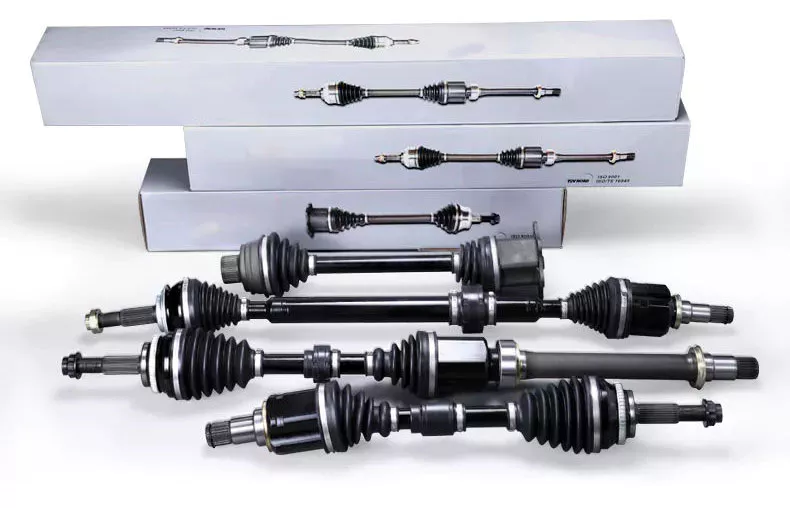
What maintenance practices are crucial for prolonging the lifespan of drive shafts?
To prolong the lifespan of drive shafts and ensure their optimal performance, several maintenance practices are crucial. Regular maintenance helps identify and address potential issues before they escalate, reduces wear and tear, and ensures the drive shaft operates smoothly and efficiently. Here are some essential maintenance practices for prolonging the lifespan of drive shafts:
1. Regularna kontrola:
Performing regular inspections is vital for detecting any signs of wear, damage, or misalignment. Inspect the drive shaft visually, looking for cracks, dents, or any signs of excessive wear on the shaft itself and its associated components such as joints, yokes, and splines. Check for any signs of lubrication leaks or contamination. Additionally, inspect the fasteners and mounting points to ensure they are secure. Early detection of any issues allows for timely repairs or replacements, preventing further damage to the drive shaft.
2. Smarowanie:
Proper lubrication is essential for the smooth operation and longevity of drive shafts. Lubricate the joints, such as universal joints or constant velocity joints, as recommended by the manufacturer. Lubrication reduces friction, minimizes wear, and helps dissipate heat generated during operation. Use the appropriate lubricant specified for the specific drive shaft and application, considering factors such as temperature, load, and operating conditions. Regularly check the lubrication levels and replenish as necessary to ensure optimal performance and prevent premature failure.
3. Balancing and Alignment:
Maintaining proper balancing and alignment is crucial for the lifespan of drive shafts. Imbalances or misalignments can lead to vibrations, accelerated wear, and potential failure. If vibrations or unusual noises are detected during operation, it is important to address them promptly. Perform balancing procedures as necessary, including dynamic balancing, to ensure even weight distribution along the drive shaft. Additionally, verify that the drive shaft is correctly aligned with the engine or power source and the driven components. Misalignment can cause excessive stress on the drive shaft, leading to premature failure.
4. Protective Coatings:
Applying protective coatings can help prolong the lifespan of drive shafts, particularly in applications exposed to harsh environments or corrosive substances. Consider using coatings such as zinc plating, powder coating, or specialized corrosion-resistant coatings to enhance the drive shaft’s resistance to corrosion, rust, and chemical damage. Regularly inspect the coating for any signs of degradation or damage, and reapply or repair as necessary to maintain the protective barrier.
5. Kontrola momentu obrotowego i elementów złącznych:
Ensure that the drive shaft’s fasteners, such as bolts, nuts, or clamps, are properly torqued and secured according to the manufacturer’s specifications. Loose or improperly tightened fasteners can lead to excessive vibrations, misalignment, or even detachment of the drive shaft. Periodically check and retighten the fasteners as recommended or after any maintenance or repair procedures. Additionally, monitor the torque levels during operation to ensure they remain within the specified range, as excessive torque can strain the drive shaft and lead to premature failure.
6. Environmental Protection:
Protecting the drive shaft from environmental factors can significantly extend its lifespan. In applications exposed to extreme temperatures, moisture, chemicals, or abrasive substances, take appropriate measures to shield the drive shaft. This may include using protective covers, seals, or guards to prevent contaminants from entering and causing damage. Regular cleaning of the drive shaft, especially in dirty or corrosive environments, can also help remove debris and prevent buildup that could compromise its performance and longevity.
7. Manufacturer Guidelines:
Follow the manufacturer’s guidelines and recommendations for maintenance practices specific to the drive shaft model and application. The manufacturer’s instructions may include specific intervals for inspections, lubrication, balancing, or other maintenance tasks. Adhering to these guidelines ensures that the drive shaft is properly maintained and serviced, maximizing its lifespan and minimizing the risk of unexpected failures.
By implementing these maintenance practices, drive shafts can operate reliably, maintain efficient power transmission, and have an extended service life, ultimately reducing downtime and ensuring optimal performance in various applications.

How do drive shafts contribute to the efficiency of vehicle propulsion and power transmission?
Drive shafts play a crucial role in the efficiency of vehicle propulsion and power transmission systems. They are responsible for transferring power from the engine or power source to the wheels or driven components. Here’s a detailed explanation of how drive shafts contribute to the efficiency of vehicle propulsion and power transmission:
1. Przenoszenie mocy:
Drive shafts transmit power from the engine or power source to the wheels or driven components. By efficiently transferring rotational energy, drive shafts enable the vehicle to move forward or drive the machinery. The design and construction of drive shafts ensure minimal power loss during the transfer process, maximizing the efficiency of power transmission.
2. Torque Conversion:
Drive shafts can convert torque from the engine or power source to the wheels or driven components. Torque conversion is necessary to match the power characteristics of the engine with the requirements of the vehicle or machinery. Drive shafts with appropriate torque conversion capabilities ensure that the power delivered to the wheels is optimized for efficient propulsion and performance.
3. Constant Velocity (CV) Joints:
Many drive shafts incorporate Constant Velocity (CV) joints, which help maintain a constant speed and efficient power transmission, even when the driving and driven components are at different angles. CV joints allow for smooth power transfer and minimize vibration or power losses that may occur due to changing operating angles. By maintaining constant velocity, drive shafts contribute to efficient power transmission and improved overall vehicle performance.
4. Lightweight Construction:
Efficient drive shafts are often designed with lightweight materials, such as aluminum or composite materials. Lightweight construction reduces the rotational mass of the drive shaft, which results in lower inertia and improved efficiency. Reduced rotational mass enables the engine to accelerate and decelerate more quickly, allowing for better fuel efficiency and overall vehicle performance.
5. Minimized Friction:
Efficient drive shafts are engineered to minimize frictional losses during power transmission. They incorporate features such as high-quality bearings, low-friction seals, and proper lubrication to reduce energy losses caused by friction. By minimizing friction, drive shafts enhance power transmission efficiency and maximize the available power for propulsion or operating other machinery.
6. Balanced and Vibration-Free Operation:
Drive shafts undergo dynamic balancing during the manufacturing process to ensure smooth and vibration-free operation. Imbalances in the drive shaft can lead to power losses, increased wear, and vibrations that reduce overall efficiency. By balancing the drive shaft, it can spin evenly, minimizing vibrations and optimizing power transmission efficiency.
7. Maintenance and Regular Inspection:
Proper maintenance and regular inspection of drive shafts are essential for maintaining their efficiency. Regular lubrication, inspection of joints and components, and prompt repair or replacement of worn or damaged parts help ensure optimal power transmission efficiency. Well-maintained drive shafts operate with minimal friction, reduced power losses, and improved overall efficiency.
8. Integration with Efficient Transmission Systems:
Drive shafts work in conjunction with efficient transmission systems, such as manual, automatic, or continuously variable transmissions. These transmissions help optimize power delivery and gear ratios based on driving conditions and vehicle speed. By integrating with efficient transmission systems, drive shafts contribute to the overall efficiency of the vehicle propulsion and power transmission system.
9. Aerodynamic Considerations:
In some cases, drive shafts are designed with aerodynamic considerations in mind. Streamlined drive shafts, often used in high-performance or electric vehicles, minimize drag and air resistance to improve overall vehicle efficiency. By reducing aerodynamic drag, drive shafts contribute to the efficient propulsion and power transmission of the vehicle.
10. Optimized Length and Design:
Drive shafts are designed to have optimal lengths and designs to minimize energy losses. Excessive drive shaft length or improper design can introduce additional rotational mass, increase bending stresses, and result in energy losses. By optimizing the length and design, drive shafts maximize power transmission efficiency and contribute to improved overall vehicle efficiency.
Overall, drive shafts contribute to the efficiency of vehicle propulsion and power transmission through effective power transfer, torque conversion, utilization of CV joints, lightweight construction, minimized friction, balanced operation, regular maintenance, integration with efficient transmission systems, aerodynamic considerations, and optimized length and design. By ensuring efficient power delivery and minimizing energy losses, drive shafts play a significant role in enhancing the overall efficiency and performance of vehicles and machinery.

Czym jest wał napędowy i jaką pełni funkcję w pojazdach i maszynach?
Wał napędowy, znany również jako wał napędowy lub wał napędowy, to element mechaniczny, który odgrywa kluczową rolę w przenoszeniu mocy obrotowej z silnika na koła lub inne napędzane elementy w pojazdach i maszynach. Jest powszechnie stosowany w różnych typach pojazdów, w tym w samochodach osobowych, ciężarowych, motocyklach oraz maszynach rolniczych i przemysłowych. Oto szczegółowe wyjaśnienie, czym jest wał napędowy i jak działa:
1. Definicja i konstrukcja: Wał napędowy to cylindryczna metalowa rura łącząca silnik lub źródło napędu z kołami lub elementami napędzanymi. Zazwyczaj jest wykonany ze stali lub aluminium i składa się z jednego lub więcej odcinków rurowych z przegubami krzyżakowymi (U-joints) na każdym końcu. Przeguby te umożliwiają ruch kątowy i kompensację niewspółosiowości między silnikiem/przekładnią a kołami lub elementami napędzanymi.
2. Przeniesienie napędu: Podstawową funkcją wału napędowego jest przenoszenie mocy obrotowej z silnika lub źródła zasilania na koła lub napędzane podzespoły. W pojazdach wał napędowy łączy wał wyjściowy skrzyni biegów z mechanizmem różnicowym, który następnie przekazuje moc na koła. W maszynach wał napędowy przenosi moc z silnika spalinowego lub elektrycznego na różne napędzane podzespoły, takie jak pompy, generatory i inne układy mechaniczne.
3. Moment obrotowy i prędkość: Wał napędowy odpowiada za przenoszenie zarówno momentu obrotowego, jak i prędkości obrotowej. Moment obrotowy to siła obrotowa generowana przez silnik lub źródło zasilania, a prędkość obrotowa to liczba obrotów na minutę (obr./min). Wał napędowy musi być zdolny do przenoszenia wymaganego momentu obrotowego bez nadmiernego skręcania lub zginania oraz do utrzymywania żądanej prędkości obrotowej, aby zapewnić wydajną pracę napędzanych podzespołów.
4. Elastyczne sprzęgło: Przeguby krzyżakowe na wale napędowym zapewniają elastyczne połączenie, które umożliwia ruch kątowy i kompensację niewspółosiowości między silnikiem/przekładnią a kołami lub podzespołami napędzanymi. Gdy układ zawieszenia pojazdu porusza się lub maszyna pracuje na nierównym terenie, wał napędowy może regulować swoją długość i kąt, aby dostosować się do tych ruchów, zapewniając płynne przenoszenie mocy i zapobiegając uszkodzeniom podzespołów układu napędowego.
5. Długość i równowaga: Długość wału napędowego zależy od odległości między silnikiem lub źródłem zasilania a napędzanymi kołami lub podzespołami. Powinien on mieć odpowiedni rozmiar, aby zapewnić prawidłowe przenoszenie mocy i uniknąć nadmiernych wibracji lub ugięcia. Ponadto wał napędowy jest starannie wyważony, aby zminimalizować wibracje i zaburzenia równowagi obrotowej, które mogą powodować dyskomfort, obniżać wydajność i prowadzić do przedwczesnego zużycia podzespołów układu napędowego.
6. Zagadnienia bezpieczeństwa: Wały napędowe w pojazdach i maszynach wymagają odpowiednich środków bezpieczeństwa. W pojazdach wały napędowe są często osłonięte rurą ochronną lub obudową, aby zapobiec kontaktowi z ruchomymi częściami i zmniejszyć ryzyko obrażeń w przypadku awarii lub uszkodzenia. Ponadto, wokół odsłoniętych wałów napędowych w maszynach powszechnie montuje się osłony lub zabezpieczenia, aby chronić operatorów przed potencjalnymi zagrożeniami związanymi z obracającymi się elementami.
7. Konserwacja i przeglądy: Regularna konserwacja i przeglądy wałów napędowych są niezbędne dla zapewnienia ich prawidłowego działania i długiej żywotności. Obejmuje to sprawdzanie pod kątem śladów zużycia, uszkodzeń lub nadmiernego luzu w przegubach Cardana, sprawdzanie wału napędowego pod kątem pęknięć lub odkształceń oraz smarowanie przegubów Cardana zgodnie z zaleceniami producenta. Prawidłowa konserwacja pomaga zapobiegać awariom, zapewnia optymalną wydajność i wydłuża żywotność wału napędowego.
Podsumowując, wał napędowy to element mechaniczny, który przekazuje moc obrotową z silnika lub źródła zasilania na koła lub elementy napędzane w pojazdach i maszynach. Jego funkcją jest zapewnienie sztywnego połączenia między silnikiem/przekładnią a kołami lub elementami napędzanymi, a także umożliwienie ruchu kątowego i kompensacji niewspółosiowości poprzez zastosowanie przegubów krzyżakowych. Wał napędowy odgrywa kluczową rolę w przenoszeniu mocy, dostarczaniu momentu obrotowego i prędkości, elastycznym sprzęgle, długości i wyważeniu, bezpieczeństwie oraz wymaganiach konserwacyjnych. Jego prawidłowe funkcjonowanie jest niezbędne do płynnej i wydajnej pracy pojazdów i maszyn.


editor by lmc 2024-11-07























