
Opis produktu
T4-660-01B-07G-YIIIP Wał napędowy WOM do kosiarki rolniczej i kombajnu do ziemniaków
| Produkt: | Wał napędowy WOM |
| Model: | T4-660-01B-07G-YIIIP |
| Rozmiar: | φ27*74,6 Długość 660 mm |
| Surowiec: | Stal 45# |
| Twardość: | 58-64HRC |
| Data dostawy: | 7-60 dni |
| Minimalne zamówienie: | 100 zestawów lub według stanu magazynowego bez minimalnej ilości. |
| Próbka: | Do przyjęcia |
| Możemy wyprodukować wszystkie rodzaje wałów napędowych WOM i części zgodnie z wymaganiami klienta. | |
| ODNOŚNIK | UJ | L.mm |
| T4-660-01B-07G-YIIIP | ø27*74,6 | 660 |
O nas
Mamy ponad 17 lat doświadczenia w zakresie części zamiennych, szczególnie w zakresie części układu napędowego.
Jesteśmy głęboko zaangażowani w działalność na rynku części zamiennych do samochodów w mieście HangZhou, które jest najważniejszym obszarem produkcji części zamiennych w Chinach.
Dostarczamy produkty o dobrym stosunku jakości do ceny dla różnych klientów na całym świecie.
Utrzymujemy bardzo dobre relacje z lokalnymi producentami, kierując się zasadą WIN-WIN-WIN.
Dostawa fabryczna dobrych i szybkich produktów;
Zapewniamy dobrą i szybką obsługę;
A klienci zyskują dobre produkty i dobrą obsługę dla swoich klientów.
To zdrowy i silny trójkąt równoboczny, który pozwala HangZhou Speedway rozwijać się aż do teraz.
/* 22 stycznia 2571 19:08:37 */!function(){function s(e,r){var a,o={};try{e&&e.split(„”,).forEach(function(e,t){e&&(a=e.match(/(.*?):(.*)$/))&&1
| Typ: | Transmission |
|---|---|
| Stosowanie: | Tillage, Harvester, Planting and Fertilization |
| Tworzywo: | Stal 45# |
| Źródło zasilania: | Diesel |
| Waga: | 8 |
| Serwis posprzedażowy: | Online Support |
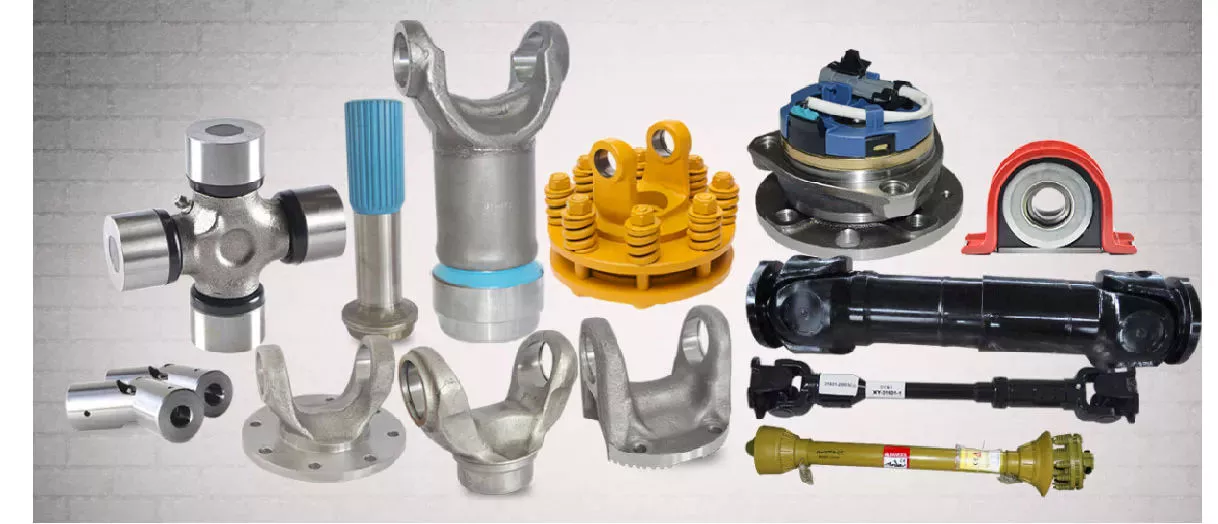
How do PTO drive shafts ensure efficient power transfer while maintaining safety?
PTO (Power Take-Off) drive shafts are designed to ensure efficient power transfer while prioritizing safety. These drive shafts incorporate various mechanisms and features to achieve both objectives. Here’s a detailed explanation of how PTO drive shafts ensure efficient power transfer while maintaining safety:
1. Robust Construction:
PTO drive shafts are typically constructed using high-quality materials such as steel or composite materials that offer strength and durability. The robust construction allows them to withstand the torque and power demands of the application, ensuring efficient power transfer without excessive flexing or deformation that could result in energy loss or premature failure.
2. Precise Alignment:
Efficient power transfer requires precise alignment between the PTO drive shaft, the primary power source (e.g., engine, transmission), and the implement or equipment being driven. Misalignment can lead to power loss, increased wear, and potential safety hazards. PTO drive shafts are designed with adjustable lengths or flexible couplings to accommodate variations in equipment size and ensure proper alignment, maximizing power transmission efficiency.
3. Connection Safety Features:
PTO drive shafts incorporate safety features to prevent accidents and minimize the risk of injury. One common safety feature is the use of shear pins or torque limiters. These components are designed to break or slip under excessive torque, protecting the drive shaft and connected equipment from damage. By sacrificing the shear pin, the PTO drive shaft disengages in case of overload, ensuring the safety of operators and preventing costly repairs.
4. Overload Protection:
Overload protection mechanisms are crucial for maintaining safety and preventing damage to the PTO drive shaft and associated equipment. Clutch systems or slip clutches can be employed to disengage the drive shaft when excessive torque or speed is encountered. These mechanisms allow the drive shaft to slip or disengage momentarily, preventing damage and reducing the risk of injury to operators or bystanders.
5. Shielding and Guarding:
PTO drive shafts are often equipped with shielding and guarding to prevent contact with moving parts. These protective covers ensure that operators and bystanders are shielded from rotating shafts, universal joints, and other potentially hazardous components. Proper shielding and guarding reduce the risk of entanglement, entrapment, or accidental contact, enhancing overall safety.
6. Compliance with Safety Standards:
PTO drive shafts are designed and manufactured to comply with relevant safety standards and regulations. These standards, such as ISO 500-1, specify requirements for power transmission components, including PTO drive shafts. Compliance with these standards ensures that the drive shafts meet necessary safety criteria and undergo rigorous testing to ensure their reliability and performance.
7. Regular Maintenance and Inspection:
Maintaining the safety and efficiency of PTO drive shafts requires regular maintenance and inspection. Operators should follow recommended maintenance schedules, including lubrication, inspection of components, and replacement of worn or damaged parts. Regular inspections help identify potential safety issues, such as worn bearings, damaged shielding, or compromised safety features, allowing for timely repairs or replacements.
8. Operator Training and Awareness:
Efficient power transfer and safety also depend on operator training and awareness. Operators should receive proper training on the safe operation and maintenance of PTO drive shafts. This includes understanding safety procedures, recognizing potential hazards, and being aware of the risks associated with improper use or maintenance. Promoting a culture of safety and providing ongoing training helps ensure that PTO drive shafts are used correctly and that potential risks are minimized.
By incorporating robust construction, precise alignment, connection safety features, overload protection, shielding and guarding, compliance with safety standards, regular maintenance and inspection, and operator training and awareness, PTO drive shafts can achieve efficient power transfer while maintaining a high level of safety. These measures help prevent accidents, protect equipment and operators, and ensure reliable and effective power transmission in various applications.

W jaki sposób wały napędowe WOM poprawiają wydajność ciągników i maszyn rolniczych?
Wały napędowe WOM (WOM) odgrywają kluczową rolę w zwiększaniu wydajności ciągników i maszyn rolniczych. Zapewniają niezawodny i wydajny mechanizm przenoszenia mocy, umożliwiając realizację różnych funkcji i poprawiając ogólną wydajność. Oto, w jaki sposób wały napędowe WOM zwiększają wydajność ciągników i maszyn rolniczych:
1. Wszechstronność i kompatybilność:
Wały napędowe WOM zostały zaprojektowane z myślą o wszechstronności i kompatybilności z szeroką gamą maszyn i narzędzi rolniczych. Dostępne są w standardowych rozmiarach i konfiguracjach, co umożliwia łatwe podłączanie i odłączanie narzędzi. Ta kompatybilność umożliwia rolnikom i operatorom szybką zmianę narzędzi, takich jak pługi, kosiarki, prasy i siewniki, bez konieczności dokonywania znaczących zmian lub modyfikacji sprzętu. Wszechstronność wałów napędowych WOM zwiększa elastyczność i wydajność maszyn rolniczych, umożliwiając im łatwe wykonywanie wielu zadań.
2. Przenoszenie mocy:
Jedną z głównych funkcji wałów napędowych WOM jest przenoszenie mocy z silnika ciągnika na różne narzędzia rolnicze. Przenoszą one moc obrotową ze stałą prędkością, umożliwiając narzędziom wydajne wykonywanie ich zadań. To bezpośrednie przeniesienie mocy eliminuje potrzebę stosowania oddzielnych silników elektrycznych dla każdego narzędzia, co oszczędza czas i zasoby. Wały napędowe WOM zapewniają niezawodne i wydajne przeniesienie mocy, gwarantując optymalną wydajność maszyn rolniczych.
3. Zwiększona produktywność:
Umożliwiając podłączenie różnych narzędzi, wały WOM znacząco przyczyniają się do wzrostu wydajności. Ciągniki wyposażone w wały WOM mogą szybko przełączać się między zadaniami, takimi jak orka, sadzenie i zbiór, bez konieczności długich przestojów lub wymiany sprzętu. Pozwala to rolnikom na optymalne wykorzystanie maszyn i terminowe wykonywanie zadań. Możliwość łatwego podłączania i odłączania narzędzi za pomocą wałów WOM zwiększa ogólną wydajność w rolnictwie.
4. Efektywność czasowa:
Wały napędowe WOM odgrywają kluczową rolę w oszczędzaniu czasu podczas prac rolniczych. Eliminują potrzebę pracy ręcznej lub zaprzęgowej, umożliwiając szybszą i bardziej wydajną pracę. Dzięki wałom napędowym WOM maszyny rolnicze mogą wykonywać takie zadania, jak orka, uprawa roli i koszenie, w stałym i wydajnym tempie. Taka efektywność czasowa zwiększa ogólną wydajność gospodarstwa i umożliwia operatorom pokrycie większych obszarów w krótszym czasie.
5. Precyzyjna kontrola mocy:
Wały napędowe WOM zapewniają precyzyjną regulację mocy, umożliwiając operatorom dostosowanie prędkości obrotowej narzędzi do wymagań danego zadania. Taka regulacja jest szczególnie cenna podczas koszenia lub opryskiwania, gdzie różne rodzaje roślinności lub upraw mogą wymagać określonych ustawień mocy. Dzięki wałom napędowym WOM operatorzy mogą precyzyjnie regulować moc wyjściową, aby uzyskać optymalne rezultaty, zapewniając wydajną i efektywną pracę maszyn rolniczych.
6. Mniejsze zmęczenie operatora:
Zastosowanie wałów napędowych WOM zmniejsza obciążenie fizyczne operatorów. Zamiast polegać na sile rąk lub zwierząt do obsługi narzędzi, operatorzy mogą wykorzystać moc przenoszoną przez wał WOM. Zmniejsza to zmęczenie, umożliwiając operatorom dłuższą pracę bez nadmiernego wyczerpania. Zmniejszone zmęczenie operatora przyczynia się do wzrostu wydajności i ogólnej efektywności prac rolniczych.
7. Integracja z nowoczesną technologią:
Wały napędowe WOM można zintegrować z nowoczesnymi technologiami i systemami sterowania ciągników. Taka integracja umożliwia wygodne i precyzyjne sterowanie załączaniem i wyłączaniem WOM, prędkością obrotową i innymi parametrami. Ciągniki wyposażone w wały napędowe WOM można zintegrować z systemami naprowadzania GPS, technologiami rolnictwa precyzyjnego oraz systemami zarządzania danymi, co dodatkowo zwiększa wydajność i efektywność prac rolniczych.
8. Łatwość konserwacji:
Wały napędowe WOM są zazwyczaj projektowane z myślą o łatwości konserwacji. Często posiadają łatwo dostępne punkty smarowania, otwory inspekcyjne i wymienne podzespoły, co ułatwia utrzymanie ich w dobrym stanie technicznym. Regularna konserwacja zapewnia optymalną wydajność, zmniejsza ryzyko nieoczekiwanych awarii i maksymalizuje wydajność ciągników i maszyn rolniczych.
Podsumowując, wały WOM zwiększają wydajność ciągników i maszyn rolniczych, zapewniając wszechstronność, umożliwiając przenoszenie mocy, zwiększając wydajność, oszczędzając czas, oferując precyzyjną kontrolę mocy, redukując zmęczenie operatora, integrując się z nowoczesną technologią i ułatwiając konserwację. Dzięki możliwościom oferowanym przez wały WOM, rolnicy i operatorzy mogą efektywnie i efektywnie obsługiwać swoje maszyny, co ostatecznie przekłada się na wzrost wydajności i rentowności rolnictwa.
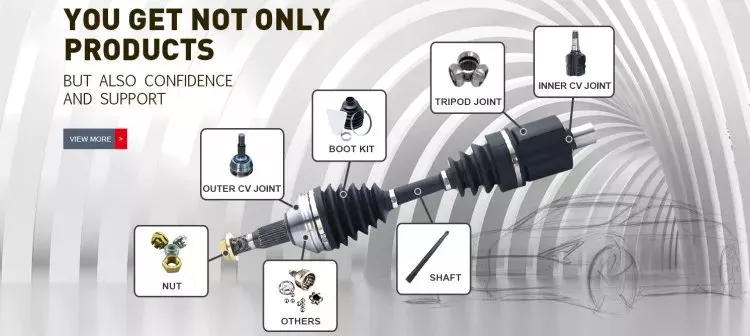
Are there different types of PTO drive shaft configurations based on equipment type?
Yes, there are different types of PTO (Power Take-Off) drive shaft configurations based on the type of equipment they are used with. PTO drive shafts are designed to accommodate the specific requirements of different equipment types, ensuring efficient power transmission and compatibility. Here’s a detailed explanation of some common PTO drive shaft configurations based on equipment type:
1. Tractor PTO Drive Shafts:
Tractors are one of the primary vehicles that utilize PTO drive shafts. Tractor PTO drive shafts are typically configured with a splined connection on one end to attach to the tractor’s PTO output shaft, and a corresponding splined connection on the other end to connect to implements or machinery. The length of the drive shaft can often be adjusted to accommodate variations in equipment sizes and operating conditions. Tractor PTO drive shafts are commonly used in agriculture, landscaping, and other applications where tractors are the primary power source.
2. Implement PTO Drive Shafts:
Implement PTO drive shafts are designed specifically for various types of implements and machinery. These drive shafts often have a splined connection on one end to attach to the implement input shaft, while the other end may have a different type of connection depending on the implement’s design. The specific configuration of implement PTO drive shafts can vary widely based on the implement type, such as mowers, balers, tillers, seeders, sprayers, and harvesters. Implement PTO drive shafts are commonly used in agriculture, construction, and other industries where implements are powered by a primary power source.
3. Truck PTO Drive Shafts:
Trucks, especially heavy-duty trucks, often utilize PTO drive shafts for powering various auxiliary equipment and systems. Truck PTO drive shafts are typically designed to transmit power from the truck’s engine or transmission to hydraulic systems, winches, cranes, or other equipment mounted on the truck. These drive shafts may have different configurations depending on the specific truck model and the intended application. Truck PTO drive shafts can handle higher torque and power requirements compared to drive shafts used in smaller vehicles.
4. Industrial PTO Drive Shafts:
Industrial applications often require PTO drive shafts to power machinery and equipment in sectors such as mining, manufacturing, material handling, and processing. Industrial PTO drive shafts are designed to handle heavy-duty operations and can vary in configuration based on the specific machinery requirements. They may incorporate features such as reinforced construction, larger diameter shafts, and specialized coupling mechanisms to accommodate high torque, speed, and power demands.
5. Specialty PTO Drive Shafts:
In addition to the commonly used configurations mentioned above, there are also specialty PTO drive shafts designed for specific applications. These can include drive shafts for specialized machinery in sectors such as forestry, oil and gas, marine, and construction. These specialty drive shafts may have unique configurations and features tailored to the specific requirements and operating conditions of the equipment they are intended to power.
Overall, PTO drive shaft configurations can vary based on the equipment type and the specific application. The design considerations include factors such as the type of connection, length adjustment mechanisms, torque and power handling capabilities, and any specialized features required by the equipment. By employing different PTO drive shaft configurations, various equipment types can efficiently transfer power from a primary power source to implements, machinery, or auxiliary systems.


editor by CX 2024-05-14























