
Opis produktu
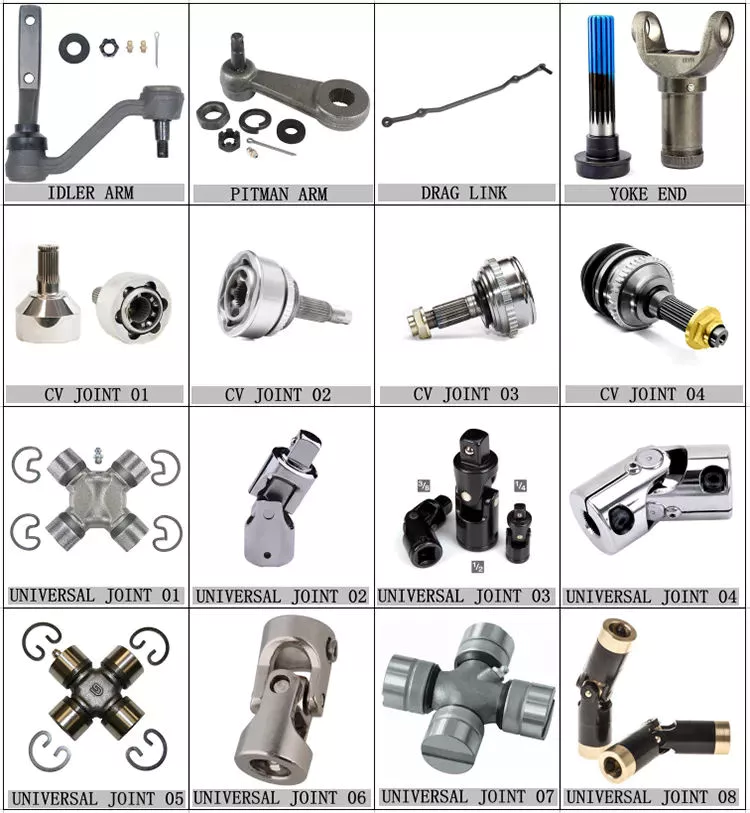
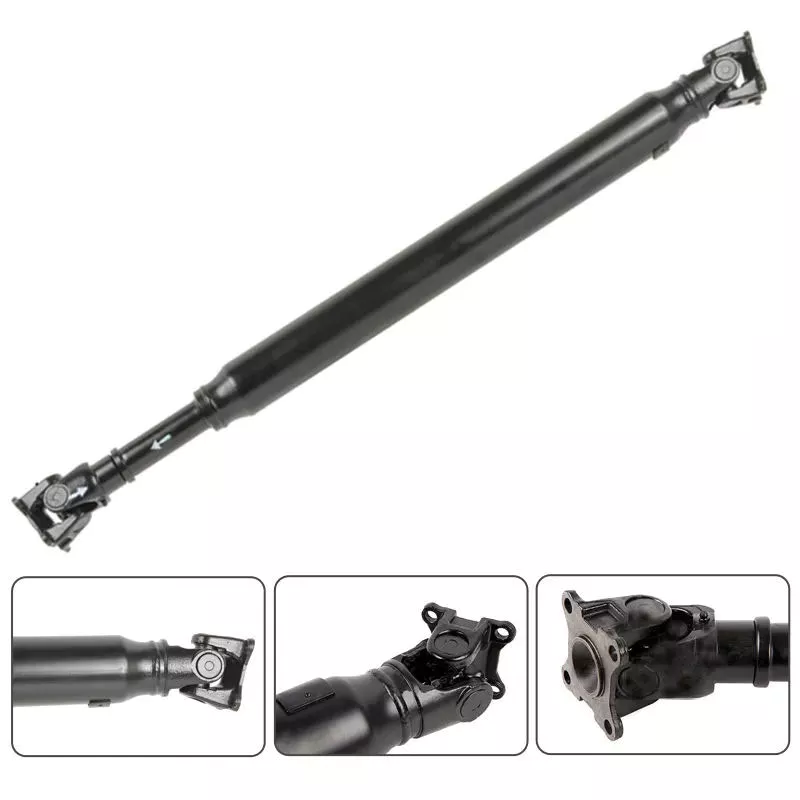
Tractor Pto Driveshaft Driveline Factory Hollow Spline Cardan Adapter Universal Joint Yoke Flexible Front Prop Rear CV Axle Propeller Automobile Drive Shaft
Opis produktu
Agricultural truck universal joint steering
PTO Shaft
| Function of PTO Shaft | Części wału napędowego i układ przeniesienia napędu |
| Usage of PTO Shaft | Rodzaje ciągników i maszyn rolniczych |
| Yoke Types for PTO Shaft | Double push pin, Bolt pins, Split pins, Pushpin, Quick release, Ball attachment, Collar….. |
| Przetwarzanie jarzma | Kucie |
| PTO Shaft Plastic Cover | YW; BW; YS; BS; Etc |
| Colors of PTO Shaft | Green; Orange; Yellow; Black Ect. |
| PTO Shaft Series | T1-T10; L1-L6; S6-S10; 10-150 KM z SA, RA, SB, SFF, WA, CV itp. |
| Tube Types for PTO Shaft | Lemon, Triangular, Star, Square, Hexangular, Spline, Special Ect |
| Przetwarzanie rur | Ciągnione na zimno |
| Spline Types for PTO Shaft | 1 1/8″ Z6;1 3/8″ Z6; 1 3/8″ Z21 ;1 3/4″ Z20; 1 3/4″ Z6; 8-38*32*6 8-42*36*7; 8-48*42*8; |
We also sell accessories for the pto shaft, including :
Yoke: CV socket yoke, CV weld yoke, flange yoke, end yoke, weld yoke, slip yoke
CV center housing, tube, spline, CV socket flange, u-joint, dust cap
Light vehicle drive line
Our products can be used for transmission shafts of the following brands
Toyota, Mitsubishi, Nissan, Isu zu, Suzuki, Dafa, Honda, Hyundai, Mazda, Fiat, Re nault, Kia, Dacia, Ford. Dodge, Land Rover, Peu geot, Volkswagen Audi, BMW Benz Volvo, Russian models
Gear shaft
Profil firmy
Related Products
Aplikacja:
Company information:
/* 22 stycznia 2571 19:08:37 */!function(){function s(e,r){var a,o={};try{e&&e.split(„”,).forEach(function(e,t){e&&(a=e.match(/(.*?):(.*)$/))&&1
| Tworzywo: | Stal węglowa |
|---|---|
| Obciążenie: | Wał napędowy |
| Sztywność i elastyczność: | Sztywność / Sztywna oś |
| Dokładność wymiarowa średnicy czopu: | IT6-IT9 |
| Kształt osi: | Wał prosty |
| Kształt wału: | Rzeczywista oś |
| Samples: |
US$ 38/Piece
1 Piece(Min.Order) | |
|---|
W jaki sposób producenci zapewniają kompatybilność wałów napędowych WOM z różnymi urządzeniami?
Producenci wałów napędowych WOM (WOM) stosują różne strategie i rozważania, aby zapewnić kompatybilność swoich produktów z różnymi typami sprzętu. Środki te są wdrażane na etapie projektowania, produkcji i testowania i obejmują:
1. Standaryzacja:
Producenci przestrzegają norm i specyfikacji branżowych podczas projektowania i produkcji wałów napędowych WOM. Normy takie jak ISO 5676 i ASAE S205.6 zawierają wytyczne dotyczące wymiarów, wymagań bezpieczeństwa i parametrów eksploatacyjnych. Przestrzegając tych norm, producenci mogą zapewnić kompatybilność swoich wałów napędowych z szeroką gamą urządzeń zgodnych z tymi samymi normami branżowymi.
2. Projektowanie inżynierskie:
Producenci zatrudniają doświadczonych inżynierów, którzy projektują wały napędowe WOM, mając na uwadze ich kompatybilność. Biorą pod uwagę takie czynniki, jak wymagany moment obrotowy, prędkość znamionowa, warunki pracy i sprawność przenoszenia mocy. Proces projektowania obejmuje dobór odpowiednich materiałów, obliczenie wymiarów komponentów, określenie metod łączenia oraz uwzględnienie czynników takich jak kompensacja niewspółosiowości. Zwrócenie uwagi na te aspekty projektowe gwarantuje, że wały napędowe będą w stanie sprostać wymaganiom różnych urządzeń, zachowując jednocześnie kompatybilność.
3. Opcje personalizacji:
Producenci często oferują opcje personalizacji, aby spełnić specyficzne wymagania sprzętowe. Klienci mogą zamówić wały napędowe WOM o niestandardowych długościach, typach połączeń i zabezpieczeniach. Oferując personalizację, producenci mogą dostosować wały napędowe do konkretnych konfiguracji sprzętu, zapewniając kompatybilność z różnymi maszynami i zastosowaniami.
4. Wytyczne dotyczące zgodności:
Producenci udostępniają wytyczne dotyczące kompatybilności i specyfikacje wałów napędowych WOM. Wytyczne te określają zalecane zastosowanie, ograniczenia mocy, metody podłączania i inne istotne informacje. Producenci sprzętu i użytkownicy końcowi mogą zapoznać się z tymi wytycznymi, aby upewnić się, że wybrane przez nich wałki napędowe WOM są kompatybilne z ich konkretnym sprzętem i warunkami pracy.
5. Testowanie i walidacja:
Producenci poddają wały napędowe WOM rygorystycznym testom i procedurom walidacji. Proces testowania obejmuje ocenę różnych parametrów eksploatacyjnych, takich jak przenoszenie momentu obrotowego, znamionowe prędkości obrotowe, trwałość i odporność na wibracje. Przeprowadzając obszerne testy, producenci weryfikują kompatybilność swoich wałów napędowych z różnymi urządzeniami i zapewniają, że spełniają one lub przekraczają wymagane normy i specyfikacje.
6. Współpraca z producentami sprzętu:
Producenci często współpracują z producentami sprzętu, aby zapewnić kompatybilność wałów WOM z powiązanymi maszynami. Dzięki ścisłej współpracy z producentami sprzętu, producenci wałów napędowych mogą uzyskać szczegółowe specyfikacje i wymagania dotyczące sprzętu. Współpraca ta pozwala na opracowanie wałów WOM zaprojektowanych specjalnie z myślą o bezproblemowej integracji z maszyną, zapewniając optymalną kompatybilność i wydajność.
7. Ciągłe badania i rozwój:
Producenci inwestują w badania i rozwój, aby stale poprawiać kompatybilność wałów napędowych WOM. Nadążają za trendami branżowymi, postępem technologicznym i zmieniającymi się wymaganiami sprzętowymi. Dzięki proaktywnemu i innowacyjnemu podejściu producenci mogą opracowywać konstrukcje wałów napędowych, które przewidują potrzeby w zakresie kompatybilności nowych i rozwijających się technologii sprzętowych.
8. Wsparcie techniczne i dokumentacja:
Producenci zapewniają wsparcie techniczne i dokumentację, aby pomóc producentom sprzętu i użytkownikom końcowym w wyborze i montażu wałów napędowych WOM. Wsparcie to może obejmować szczegółowe instrukcje montażu, przewodniki rozwiązywania problemów oraz tabele kompatybilności. Oferując kompleksowe zasoby techniczne, producenci gwarantują prawidłową integrację wałów napędowych z różnymi konfiguracjami sprzętu.
Podsumowując, producenci zapewniają kompatybilność wałów WOM z różnymi urządzeniami poprzez standaryzację, projektowanie, opcje personalizacji, wytyczne dotyczące kompatybilności, testowanie i walidację, współpracę z producentami sprzętu, ciągłe badania i rozwój oraz zapewnianie wsparcia technicznego i dokumentacji. Działania te gwarantują bezproblemową integrację wałów WOM z szeroką gamą urządzeń, umożliwiając efektywne przenoszenie mocy i niezawodną pracę.
How do PTO drive shafts handle variations in load and torque during operation?
PTO (Power Take-Off) drive shafts are designed to handle variations in load and torque during operation, providing a flexible and efficient power transmission solution. They incorporate several mechanisms and features that enable them to accommodate changes in load and torque. Here’s how PTO drive shafts handle variations in load and torque:
1. Sprzęgła elastyczne:
PTO drive shafts typically utilize flexible couplings, such as universal joints or constant velocity joints, at both ends. These couplings allow for angular misalignment and compensate for variations in load and torque. They can accommodate changes in the orientation and position of the driven equipment relative to the power source, reducing stress on the drive shaft and its components.
2. Spring-Loaded Friction Discs:
Some PTO drive shafts incorporate spring-loaded friction discs, commonly known as torque limiters or overload clutches. These devices provide a mechanical means of protecting the drive shaft and connected equipment from excessive torque. When the torque exceeds a predetermined threshold, the friction discs slip, effectively disconnecting the drive shaft from the power source. This protects the drive shaft from damage and allows the system to handle sudden increases or spikes in torque.
3. Slip Clutches:
Slip clutches are another mechanism used in PTO drive shafts to handle variations in torque. Slip clutches allow controlled slippage between the input and output shafts when a certain torque level is exceeded. They provide a means of limiting torque transmission and protecting the drive shaft from overload. Slip clutches can be adjustable, allowing the desired torque setting to be customized based on the specific application.
4. Torque Converters:
In certain applications, PTO drive shafts may incorporate torque converters. Torque converters are fluid coupling devices that use hydraulic principles to transmit torque. They provide a smooth and gradual ramp-up of torque, which helps in handling variations in load and torque. Torque converters can also provide additional benefits such as dampening vibrations and mitigating shock loads.
5. Load-Bearing Capacity:
PTO drive shafts are designed with sufficient load-bearing capacity to handle variations in load during operation. The material selection, diameter, and wall thickness of the drive shaft are optimized based on the anticipated loads and torque requirements. This allows the drive shaft to effectively transmit power without excessive deflection or deformation, ensuring reliable and efficient operation under different load conditions.
6. Regular Maintenance:
Proper maintenance is essential for the reliable operation of PTO drive shafts. Regular inspection, lubrication, and adjustment of the drive shaft components help ensure optimal performance and longevity. By maintaining the drive shaft in good condition, its ability to handle variations in load and torque can be preserved, reducing the risk of failures or unexpected downtime.
It’s important to note that while PTO drive shafts are designed to handle variations in load and torque, there are limits to their capacity. Exceeding the recommended load or torque limits can lead to premature wear, damage to the drive shaft and connected equipment, and compromise safety. It is crucial to operate within the specified parameters and consult the manufacturer’s guidelines for the specific PTO drive shaft model being used.
By incorporating flexible couplings, torque limiters, slip clutches, torque converters, and ensuring adequate load-bearing capacity, PTO drive shafts can effectively handle variations in load and torque during operation. These features contribute to the versatility, efficiency, and reliability of PTO drive shaft systems across a wide range of applications.

Are there different types of PTO drive shaft configurations based on equipment type?
Yes, there are different types of PTO (Power Take-Off) drive shaft configurations based on the type of equipment they are used with. PTO drive shafts are designed to accommodate the specific requirements of different equipment types, ensuring efficient power transmission and compatibility. Here’s a detailed explanation of some common PTO drive shaft configurations based on equipment type:
1. Tractor PTO Drive Shafts:
Tractors are one of the primary vehicles that utilize PTO drive shafts. Tractor PTO drive shafts are typically configured with a splined connection on one end to attach to the tractor’s PTO output shaft, and a corresponding splined connection on the other end to connect to implements or machinery. The length of the drive shaft can often be adjusted to accommodate variations in equipment sizes and operating conditions. Tractor PTO drive shafts are commonly used in agriculture, landscaping, and other applications where tractors are the primary power source.
2. Implement PTO Drive Shafts:
Implement PTO drive shafts are designed specifically for various types of implements and machinery. These drive shafts often have a splined connection on one end to attach to the implement input shaft, while the other end may have a different type of connection depending on the implement’s design. The specific configuration of implement PTO drive shafts can vary widely based on the implement type, such as mowers, balers, tillers, seeders, sprayers, and harvesters. Implement PTO drive shafts are commonly used in agriculture, construction, and other industries where implements are powered by a primary power source.
3. Truck PTO Drive Shafts:
Trucks, especially heavy-duty trucks, often utilize PTO drive shafts for powering various auxiliary equipment and systems. Truck PTO drive shafts are typically designed to transmit power from the truck’s engine or transmission to hydraulic systems, winches, cranes, or other equipment mounted on the truck. These drive shafts may have different configurations depending on the specific truck model and the intended application. Truck PTO drive shafts can handle higher torque and power requirements compared to drive shafts used in smaller vehicles.
4. Industrial PTO Drive Shafts:
Industrial applications often require PTO drive shafts to power machinery and equipment in sectors such as mining, manufacturing, material handling, and processing. Industrial PTO drive shafts are designed to handle heavy-duty operations and can vary in configuration based on the specific machinery requirements. They may incorporate features such as reinforced construction, larger diameter shafts, and specialized coupling mechanisms to accommodate high torque, speed, and power demands.
5. Specialty PTO Drive Shafts:
In addition to the commonly used configurations mentioned above, there are also specialty PTO drive shafts designed for specific applications. These can include drive shafts for specialized machinery in sectors such as forestry, oil and gas, marine, and construction. These specialty drive shafts may have unique configurations and features tailored to the specific requirements and operating conditions of the equipment they are intended to power.
Overall, PTO drive shaft configurations can vary based on the equipment type and the specific application. The design considerations include factors such as the type of connection, length adjustment mechanisms, torque and power handling capabilities, and any specialized features required by the equipment. By employing different PTO drive shaft configurations, various equipment types can efficiently transfer power from a primary power source to implements, machinery, or auxiliary systems.


editor by CX 2024-04-23























