
Opis produktu
ZheJiang WALLONG-HSIN MACHINERY ENGINEERING CORPORATION LTD. short name ‘JSW’, is a wholly state-owned company, also a subsidiary of SINOMACH GROUP (the biggest machinery group in China, ranked No.250 of TOP500 in 2571).
JSW is founded in 1992 and registered with capital of 4.5 million US dollars, located in HangZhou city, ZheJiang Province, with workshop area 50,000 square meters with first-class production lines, and office area 3000 square meters.
JSW passed ISO 9001,ISO 14001,ISO 45001 ,ISO 50001 and AEO custom certified.
The turnover last year is 20 million US dollar,exporting to European, North American, South American, and Asian markets.
We have successfully developed a wide range and variety of drive shaft products,mainly including PTO agricultural shaft, industrial cardan shaft, drive shaft for automotive, and universal couplings.
Our products are welcomed by all our customers based on our competitive price, guaranteed quality and on-time delivery.
*Agricultural PTO wał :
Standard series, customized also accpeted.
Tube type:Triangle, Lemon, Star, Spline stub (Z6,Z8,Z20,Z21).
Accessory: various yokes, splined stub shaft, clutch and torque limiter.
*Industrial cardan wał:
Light duty type: flange Dia. Φ58-180mm
Medium duty type: SWC180 – 550
*Automotive drive wał :
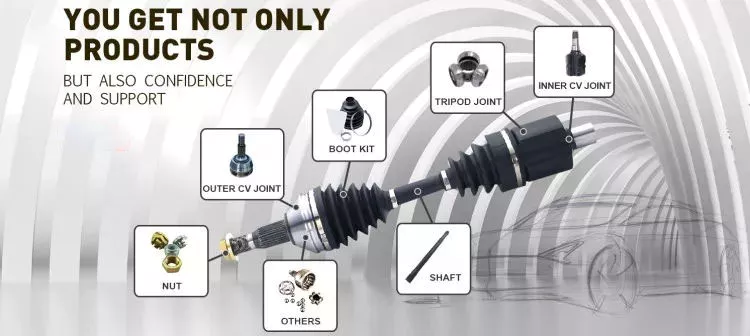
Aftermarket for ATV,Pickup truck,Light truck
***HOW TO CHOOSE THE SUITABLE PTO SHAFT FOR YOUR DEMANDS?
1. Model/size of the universal joint, which is according to your requirment of maximum torque(TN) and R.P.M.
2. Closed overall length of shaft assembly (or cross (u-joint) to cross length).
3. Shape of the steel tube/pipe (traiangle, lemon, star, splined stub).
4. Type of the 2 end yokes/forks which used to connect the input end (power source) and output end (implement).
Including the series of quick released splined yoke/fork, plain bore yoke/fork, wide-angle yoke/fork, double yoke/fork.
5. Overload protection device including the clutch and torque limitter.
(shear bolt SB, free wheel/overrunning RA/RAS, ratchet SA/SAS, friction FF/FFS)
6. Others requirements:such as with/no plastic guard, painting color, package type,etc.
| Triangle tube type | |||||||
| Szereg | Cross kit | Operating torque | |||||
| 540rpm | 1000rpm | ||||||
| Kw | Pk | Nm | Kw | Pk | Nm | ||
| T1 | 1.01 22*54 | 12 | 16 | 210 | 18 | 25 | 172 |
| T2 | 2.01 23.8*61.3 | 15 | 21 | 270 | 23 | 31 | 220 |
| T3 | 3.01 27*70 | 22 | 30 | 390 | 35 | 47 | 330 |
| T4 | 4.01 27*74.6 | 26 | 35 | 460 | 40 | 55 | 380 |
| T5 | 5.01 30.2*80 | 35 | 47 | 620 | 54 | 74 | 520 |
| T6 | 6.01 30.2*92 | 47 | 64 | 830 | 74 | 100 | 710 |
| T7 | 7.01 30.2*106.5 | 55 | 75 | 970 | 87 | 118 | 830 |
| T7N | 7N.01 35*94 | 55 | 75 | 970 | 87 | 118 | 830 |
| T8 | 8.01 35*106.5 | 70 | 95 | 110 | 110 | 150 | 1050 |
| T38 | 38.01 38*105.6 | 78 | 105 | 123 | 123 | 166 | 1175 |
| T9 | 9.01 41*108 | 88 | 120 | 140 | 140 | 190 | 1340 |
| T10 | 10.01 41*118 | 106 | 145 | 179 | 170 | 230 | 1650 |
| Lemon tube type | |||||||
| Szereg | Cross kit | Operating torque | |||||
| 540rpm | 1000rpm | ||||||
| Kw | Pk | Nm | Kw | Pk | Nm | ||
| L1 | 1.01 22*54 | 12 | 16 | 210 | 18 | 25 | 172 |
| L2 | 2.01 23.8*61.3 | 15 | 21 | 270 | 23 | 31 | 220 |
| L3 | 3.01 27*70 | 22 | 30 | 390 | 35 | 47 | 330 |
| L4 | 4.01 27*74.6 | 26 | 35 | 460 | 40 | 55 | 380 |
| L5 | 5.01 30.2*80 | 35 | 47 | 620 | 54 | 74 | 520 |
| L6 | 6.01 30.2*92 | 47 | 64 | 830 | 74 | 100 | 710 |
| L32 | 32.01 32*76 | 39 | 53 | 695 | 61 | 83 | 580 |
| Star tube type | |||||||
| Szereg | Cross kit | Operating torque | |||||
| 540rpm | 1000rpm | ||||||
| Kw | Pk | Nm | Kw | Pk | Nm | ||
| S6 | 6.01 30.2*92 | 47 | 64 | 830 | 74 | 100 | 710 |
| S7 | 7.01 30.2*106.5 | 55 | 75 | 970 | 87 | 118 | 830 |
| S8 | 8.01 35*106.5 | 70 | 95 | 1240 | 110 | 150 | 1050 |
| S38 | 38.0 38*105.6 | 78 | 105 | 1380 | 123 | 166 | 1175 |
| S32 | 32.01 32*76 | 39 | 53 | 695 | 61 | 83 | 580 |
| S36 | 2500 36*89 | 66 | 90 | 1175 | 102 | 139 | 975 |
| S9 | 9.01 41*108 | 88 | 120 | 1560 | 140 | 190 | 1340 |
| S10 | 10.01 41*118 | 106 | 145 | 1905 | 170 | 230 | 1650 |
| S42 | 2600 42*104.5 | 79 | 107 | 1400 | 122 | 166 | 1175 |
| S48 | 48.01 48*127 | 133 | 180 | 2390 | 205 | 277 | 1958 |
| S50 | 50.01 50*118 | 119 | 162 | 2095 | 182 | 248 | 1740 |
| Spline stub type | |||||||
| Szereg | Cross kit | Operating torque | |||||
| 540rpm | 1000rpm | ||||||
| Kw | Pk | Nm | Kw | Pk | Nm | ||
| ST2 | 2.01 23.8*61.3 | 15 | 21 | 270 | 23 | 31 | 220 |
| ST4 | 4.01 27*74.6 | 26 | 35 | 460 | 40 | 55 | 380 |
| ST5 | 5.01 30.2*80 | 35 | 47 | 620 | 54 | 74 | 520 |
| ST6 | 6.01 30.2*92 | 47 | 64 | 830 | 74 | 100 | 710 |
| ST7 | 7.01 30.2*106.5 | 55 | 75 | 970 | 87 | 118 | 830 |
| ST8 | 8.01 35*106.5 | 70 | 95 | 1240 | 110 | 150 | 1050 |
| ST38 | 38.10 38*105.6 | 78 | 105 | 1380 | 123 | 166 | 1175 |
| ST42 | 2600 42*104.5 | 79 | 107 | 1400 | 122 | 166 | 1175 |
| ST50 | 50.01 50*118 | 119 | 162 | 2095 | 182 | 248 | 1740 |
*** APPLICATION OF PTO DRIEVE SHAFT:
We have a variety of inspection equipments with high precision, and QA engineers who can strictly control the quality during production and before shipment.
We sincerely welcome guests from abroad for business negotiation and cooperation,in CZPT new levels of expertise and professionalism, and developing a brilliant future.
/* 22 stycznia 2571 19:08:37 */!function(){function s(e,r){var a,o={};try{e&&e.split(„”,).forEach(function(e,t){e&&(a=e.match(/(.*?):(.*)$/))&&1
| Color: | Red, Yellow, Black, Orange |
|---|---|
| Orzecznictwo: | CE, ISO |
| Typ: | Pto Shaft |
| Tworzywo: | Forged Carbon Steel C45/AISI1045, Alloy Steel |
| Machinery Application: | Baler, Mower, Harvester, Cotton Picker, Tiller |
| Tube/Pipe Shape: | Triangular/Lemon/Star Steel Tube, Spline Tub Shaft |
| Samples: |
US$ 15/Piece
1 Piece(Min.Order) | |
|---|
| Personalizacja: |
Dostępny
| Spersonalizowane żądanie |
|---|
Jakie czynności konserwacyjne są niezbędne dla wydłużenia żywotności wałów napędowych WOM?
Aby przedłużyć żywotność i zapewnić optymalną wydajność wałów napędowych WOM (WOM), niezbędna jest regularna konserwacja. Przestrzegając tych zasad, operatorzy mogą zapobiegać przedwczesnemu zużyciu, wcześnie identyfikować potencjalne problemy i maksymalizować żywotność wału napędowego. Oto kilka kluczowych praktyk konserwacyjnych, które warto rozważyć:
1. Smarowanie:
Prawidłowe smarowanie jest kluczowe dla płynnej pracy i trwałości wałów napędowych WOM. Regularnie smaruj przeguby krzyżakowe, wielowypusty i inne ruchome części wału napędowego zgodnie z zaleceniami producenta. Wybierz wysokiej jakości środek smarny odpowiedni do konkretnego zastosowania i warunków środowiskowych. Smarowanie pomaga zmniejszyć tarcie, zapobiega nadmiernemu zużyciu i chroni przed korozją.
2. Inspekcja:
Regularne kontrole wizualne są ważne dla wykrycia oznak zużycia, uszkodzeń lub niewspółosiowości wału napędowego WOM. Sprawdź wał napędowy i jego elementy pod kątem pęknięć, wgnieceń, luźnych śrub lub oznak nadmiernego zużycia. Zwróć uwagę na przeguby krzyżakowe, wielowypusty, osłony i zabezpieczenia. W przypadku wykrycia jakichkolwiek problemów, podejmij natychmiastowe działania naprawcze, aby zapobiec dalszym uszkodzeniom i zapewnić bezpieczną eksploatację.
3. Kontrola momentu obrotowego:
Okresowo sprawdzaj moment dokręcania elementów mocujących, takich jak śruby i nakrętki, mocujących wał napędowy WOM i jego podzespoły. Wibracje i normalna eksploatacja mogą z czasem powodować poluzowanie się tych elementów, co może prowadzić do niewspółosiowości lub uszkodzenia. Użyj klucza dynamometrycznego, aby upewnić się, że elementy mocujące są prawidłowo dokręcone zgodnie ze specyfikacją producenta. Regularne sprawdzanie momentu dokręcania pomaga zachować integralność i stabilność zespołu wału napędowego.
4. Wyrównanie:
Utrzymanie prawidłowego ustawienia wału napędowego WOM, głównego źródła napędu, a osprzętem jest niezbędne dla efektywnego przenoszenia mocy i zapobiegania nadmiernemu zużyciu. Regularnie sprawdzaj ustawienie wału napędowego, upewniając się, że jest on prosty i prawidłowo osadzony w połączeniach. Nieprawidłowe ustawienie może powodować wibracje, zwiększone naprężenia i przedwczesne zużycie. W razie potrzeby dokonuj regulacji, aby uzyskać prawidłowe ustawienie.
5. Wymiana sworznia ścinanego lub ogranicznika momentu obrotowego:
Jeśli wał napędowy WOM jest wyposażony w sworzeń ścinany lub ogranicznik momentu obrotowego jako zabezpieczenie, należy koniecznie wymienić te elementy w przypadku ich zadziałania lub uszkodzenia. Sworznie ścinane to elementy ofiarne, które pękają pod wpływem nadmiernego momentu obrotowego, chroniąc wał napędowy i podłączone urządzenia. Aby zapewnić ciągłe bezpieczeństwo i prawidłowe działanie, należy wymienić sworzeń ścinany lub ogranicznik momentu obrotowego na właściwy typ i o parametrach zalecanych przez producenta.
6. Osłony i zabezpieczenia:
Regularnie sprawdzaj osłony i zabezpieczenia wału napędowego WOM, aby upewnić się, że są nienaruszone i w dobrym stanie. Osłony te zapobiegają kontaktowi z ruchomymi częściami i zmniejszają ryzyko zaplątania się lub obrażeń. Należy niezwłocznie wymienić wszelkie uszkodzone lub brakujące osłony, aby zapewnić bezpieczeństwo operatora i zapobiec przedostawaniu się zanieczyszczeń do zespołu wału napędowego.
7. Ochrona środowiska:
Należy wziąć pod uwagę warunki środowiskowe, w których pracuje wał napędowy WOM i podjąć odpowiednie środki w celu jego ochrony. Jeśli wał napędowy jest narażony na działanie wilgoci, brudu lub substancji żrących, należy go regularnie czyścić i stosować odpowiednie powłoki lub środki ochronne, aby zapobiec rdzewieniu i korozji. Ponadto należy upewnić się, że wał napędowy jest przechowywany w suchym i czystym miejscu, gdy nie jest używany.
8. Wytyczne producenta:
Należy przestrzegać wytycznych dotyczących konserwacji podanych przez producenta wału napędowego WOM. Wytyczne te mogą obejmować szczegółowe okresy między przeglądami, zalecane środki smarne, parametry momentu obrotowego i inne ważne instrukcje. Przestrzeganie wytycznych producenta gwarantuje, że wał napędowy jest konserwowany zgodnie z jego konstrukcją i specyfikacjami technicznymi, maksymalizując jego żywotność i wydajność.
Wdrażając te podstawowe praktyki konserwacyjne, operatorzy mogą znacznie wydłużyć żywotność wałów napędowych WOM. Regularne smarowanie, przeglądy, kontrola momentu obrotowego, kontrola ustawienia, terminowa wymiana zabezpieczeń, odpowiednie osłony i zabezpieczenia, ochrona środowiska oraz przestrzeganie wytycznych producenta – wszystko to przyczynia się do trwałości, niezawodności i bezpieczeństwa pracy wału napędowego.
What safety precautions should be followed when working with PTO drive shafts?
Working with PTO (Power Take-Off) drive shafts requires strict adherence to safety precautions to prevent accidents and ensure the well-being of individuals operating or maintaining the equipment. Here are some important safety precautions to follow when working with PTO drive shafts:
1. Read and Understand the Manufacturer’s Instructions:
Before working with PTO drive shafts, carefully read and understand the manufacturer’s instructions, operating manuals, and safety guidelines. Familiarize yourself with the specific requirements and recommendations for the PTO drive shaft model being used. The manufacturer’s instructions provide essential information regarding installation, operation, maintenance, and safety precautions.
2. Wear Appropriate Personal Protective Equipment (PPE):
Always wear the necessary personal protective equipment (PPE) when working with PTO drive shafts. This may include safety glasses, protective gloves, steel-toed boots, and appropriate clothing. PPE helps protect against potential hazards such as flying debris, entanglement, or contact with rotating components.
3. Ensure Proper Installation and Alignment:
Follow the recommended installation procedures for the PTO drive shaft. Ensure that it is correctly aligned and securely attached to both the power source and the driven equipment. Improper installation or misalignment can lead to excessive vibration, premature wear, and potential dislodgement of the drive shaft during operation.
4. Use Safety Guards and Shields:
PTO drive shafts should be equipped with appropriate safety guards and shields. These protective devices help prevent accidental contact with rotating components and minimize the risk of entanglement. Ensure that the guards and shields are properly installed and in good working condition. Do not remove or bypass them during operation.
5. Avoid Loose Clothing, Jewelry, and Hair:
When working with PTO drive shafts, avoid wearing loose clothing, jewelry, or having long hair that can get entangled in the rotating components. Secure or remove any loose items that could pose a risk of entanglement or become caught in the drive shaft during operation.
6. Disconnect Power Before Maintenance:
Prior to performing any maintenance or inspection on the PTO drive shaft, ensure that the power source is completely shut off and the equipment is at a complete stop. Disconnect the power supply and take appropriate measures to prevent accidental startup, such as locking out and tagging out the power source.
7. Regularly Inspect and Maintain the Drive Shaft:
Regularly inspect the PTO drive shaft for signs of wear, damage, or misalignment. Check for loose or missing components, and ensure that all fasteners and connections are secure. Lubricate the drive shaft as recommended by the manufacturer. Promptly address any maintenance or repair needs to prevent further damage or potential safety hazards.
8. Be Cautious of Overload and Shock Loads:
Avoid subjecting the PTO drive shaft to excessive loads or sudden shock loads beyond its rated capacity. Overloading can lead to premature wear, component failure, and potential accidents. Ensure that the equipment being driven by the PTO drive shaft does not exceed its recommended load limits.
9. Provide Training and Awareness:
Ensure that individuals working with or around PTO drive shafts receive proper training and are aware of the associated risks and safety precautions. Training should cover installation procedures, safe operation, maintenance practices, and emergency procedures. Promote a safety-conscious culture and encourage reporting of any safety concerns or incidents.
10. Seek Professional Assistance When Needed:
If you’re unsure about any aspect of working with PTO drive shafts or encounter complex maintenance or repair needs, seek professional assistance. Consulting with qualified technicians, engineers, or the equipment manufacturer can help ensure that the work is carried out safely and effectively.
Remember, safety should always be the top priority when working with PTO drive shafts. Following these precautions helps minimize the risk of accidents, injuries, and equipment damage. It is essential to stay vigilant, exercise caution, and comply with relevant safety regulations and standards.

How do PTO drive shafts contribute to transferring power from tractors to implements?
PTO (Power Take-Off) drive shafts play a crucial role in transferring power from tractors to implements in agricultural and industrial applications. They provide a mechanical connection that enables the efficient and reliable transfer of rotational power from the tractor’s engine to various implements. Here’s a detailed explanation of how PTO drive shafts contribute to transferring power:
1. Power Source:
A tractor serves as the primary power source in agricultural operations. The engine of the tractor generates rotational power, which needs to be transmitted to the attached implements to perform specific tasks. The power generated by the engine is harnessed and transferred through the PTO drive shaft.
2. Wał wyjściowy WOM:
Tractors are equipped with a PTO output shaft, typically located at the rear of the tractor. The PTO output shaft is specifically designed to transfer power to external devices, such as implements or machinery. The PTO drive shaft connects directly to this output shaft to receive power.
3. PTO Drive Shaft Configuration:
The PTO drive shaft consists of a rotating shaft with splines at both ends. These splines provide a secure and robust connection to the PTO output shaft of the tractor and the input shaft of the implement. The drive shaft is designed to transmit rotational power while accommodating the varying distance and alignment between the tractor and the implement.
4. Attachments and Implement Input Shaft:
The other end of the PTO drive shaft connects to the input shaft of the implement. The implement may have a specific attachment point or a PTO driveline connection designed to receive the drive shaft. The implement’s input shaft is precisely aligned with the drive shaft to ensure efficient power transfer.
5. Mechanical Power Transfer:
Once the PTO drive shaft is properly connected to both the tractor’s PTO output shaft and the implement’s input shaft, it serves as a mechanical link between the two. As the tractor’s engine runs, the rotational power generated by the engine is transferred through the PTO output shaft and into the drive shaft.
6. Rotational Power Delivery:
The PTO drive shaft rotates at the same speed as the tractor’s engine, effectively delivering the rotational power to the implement. The implement utilizes this power to drive its specific machinery or perform various tasks, such as cutting, tilling, mowing, or pumping.
7. Power Transmission Efficiency:
PTO drive shafts are designed to maximize power transmission efficiency. They are typically constructed using high-strength materials and precision engineering to minimize energy losses and ensure a reliable transfer of power. Proper maintenance, including lubrication and periodic inspections, is essential to maintain optimal power transmission efficiency.
8. Safety Considerations:
PTO drive shafts can pose safety risks if not used correctly. It is important to follow safety guidelines and ensure that the drive shaft is properly guarded to prevent contact with rotating components. Operators should also exercise caution during attachment and detachment procedures to avoid accidents or injuries.
In summary, PTO drive shafts serve as the vital link between tractors and implements, facilitating the transfer of rotational power. They provide a mechanical connection that efficiently transmits power from the tractor’s engine to the implement, enabling a wide range of agricultural and industrial tasks to be performed effectively and efficiently.


editor by CX 2024-04-17























