
Productbeschrijving
Productbeschrijving
As a professional manufacturer for propeller shaft, we have +1000 items for all kinds of car, At present, our products are mainly sold in North America, Europe, Australia, South Korea, the Middle East and Southeast Asia and other regions, applicable models are European cars, American cars, Japanese and Korean cars, etc.
Our advantage:
1. Full range of products
2. MOQ qty: 1pcs/items
3. Delivery on time
4: Warranty: 1 YEAR
| OE NUMBER | 3401A018 |
| TYPE | MITSUBISHI Pajero V73 /V93/V77 rear 2003 auto |
| MATERIAL | STEEL |
| BALANCE STHangZhouRD | G16,3200RMP |
| Klantenservice na aankoop: | 1year |
|---|---|
| Voorwaarde: | Nieuw |
| Color: | Black |
| Aanpassing: |
Beschikbaar
| Aanvraag op maat |
|---|
.shipping-cost-tm .tm-status-off{background: none;padding:0;color: #1470cc}
| Verzendkosten:
Geschatte vrachtkosten per eenheid. |
Informatie over verzendkosten en geschatte levertijd. |
|---|
| Betaalmethode: |
|
|---|---|
|
Aanbetaling Volledige betaling |
| Munteenheid: | US$ |
|---|
| Retourneren en terugbetalingen: | Je kunt tot 30 dagen na ontvangst van de producten een terugbetaling aanvragen. |
|---|
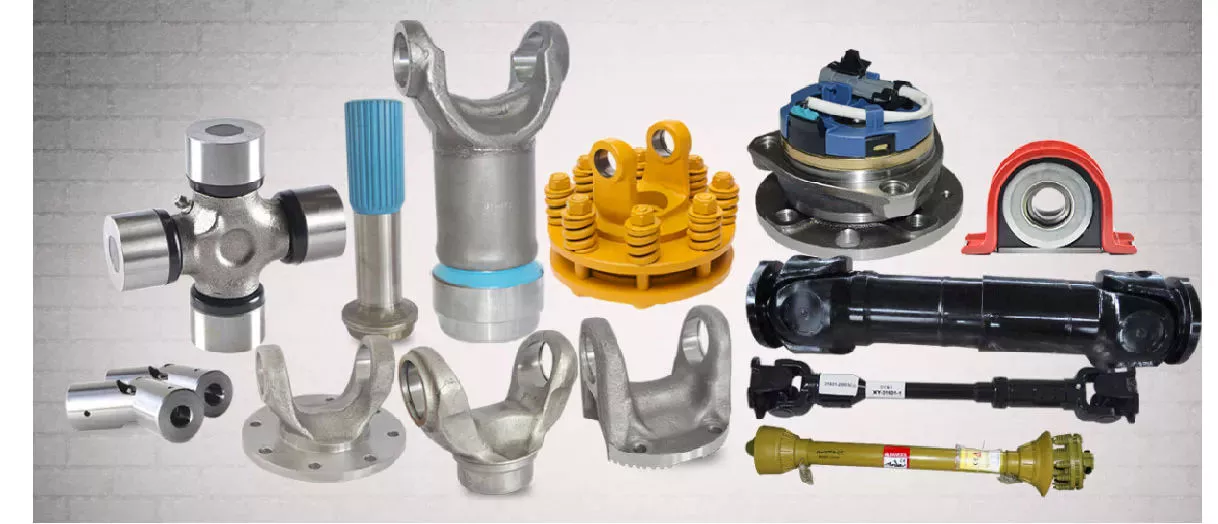
What factors should be considered when selecting the right drive shaft for an application?
When selecting the right drive shaft for an application, several factors need to be considered. The choice of drive shaft plays a crucial role in ensuring efficient and reliable power transmission. Here are the key factors to consider:
1. Power and Torque Requirements:
The power and torque requirements of the application are essential considerations. It is crucial to determine the maximum torque that the drive shaft will need to transmit without failure or excessive deflection. This includes evaluating the power output of the engine or power source, as well as the torque demands of the driven components. Selecting a drive shaft with the appropriate diameter, material strength, and design is essential to ensure it can handle the expected torque levels without compromising performance or safety.
2. Operating Speed:
The operating speed of the drive shaft is another critical factor. The rotational speed affects the dynamic behavior of the drive shaft, including the potential for vibration, resonance, and critical speed limitations. It is important to choose a drive shaft that can operate within the desired speed range without encountering excessive vibrations or compromising the structural integrity. Factors such as the material properties, balance, and critical speed analysis should be considered to ensure the drive shaft can handle the required operating speed effectively.
3. Length and Alignment:
The length and alignment requirements of the application must be considered when selecting a drive shaft. The distance between the engine or power source and the driven components determines the required length of the drive shaft. In situations where there are significant variations in length or operating angles, telescopic drive shafts or multiple drive shafts with appropriate couplings or universal joints may be necessary. Proper alignment of the drive shaft is crucial to minimize vibrations, reduce wear and tear, and ensure efficient power transmission.
4. Space Limitations:
The available space within the application is an important factor to consider. The drive shaft must fit within the allocated space without interfering with other components or structures. It is essential to consider the overall dimensions of the drive shaft, including length, diameter, and any additional components such as joints or couplings. In some cases, custom or compact drive shaft designs may be required to accommodate space limitations while maintaining adequate power transmission capabilities.
5. Environmental Conditions:
The environmental conditions in which the drive shaft will operate should be evaluated. Factors such as temperature, humidity, corrosive agents, and exposure to contaminants can impact the performance and lifespan of the drive shaft. It is important to select materials and coatings that can withstand the specific environmental conditions to prevent corrosion, degradation, or premature failure of the drive shaft. Special considerations may be necessary for applications exposed to extreme temperatures, water, chemicals, or abrasive substances.
6. Application Type and Industry:
The specific application type and industry requirements play a significant role in drive shaft selection. Different industries, such as automotive, aerospace, industrial machinery, agriculture, or marine, have unique demands that need to be addressed. Understanding the specific needs and operating conditions of the application is crucial in determining the appropriate drive shaft design, materials, and performance characteristics. Compliance with industry standards and regulations may also be a consideration in certain applications.
7. Maintenance and Serviceability:
The ease of maintenance and serviceability should be taken into account. Some drive shaft designs may require periodic inspection, lubrication, or replacement of components. Considering the accessibility of the drive shaft and associated maintenance requirements can help minimize downtime and ensure long-term reliability. Easy disassembly and reassembly of the drive shaft can also be beneficial for repair or component replacement.
By carefully considering these factors, one can select the right drive shaft for an application that meets the power transmission needs, operating conditions, and durability requirements, ultimately ensuring optimal performance and reliability.
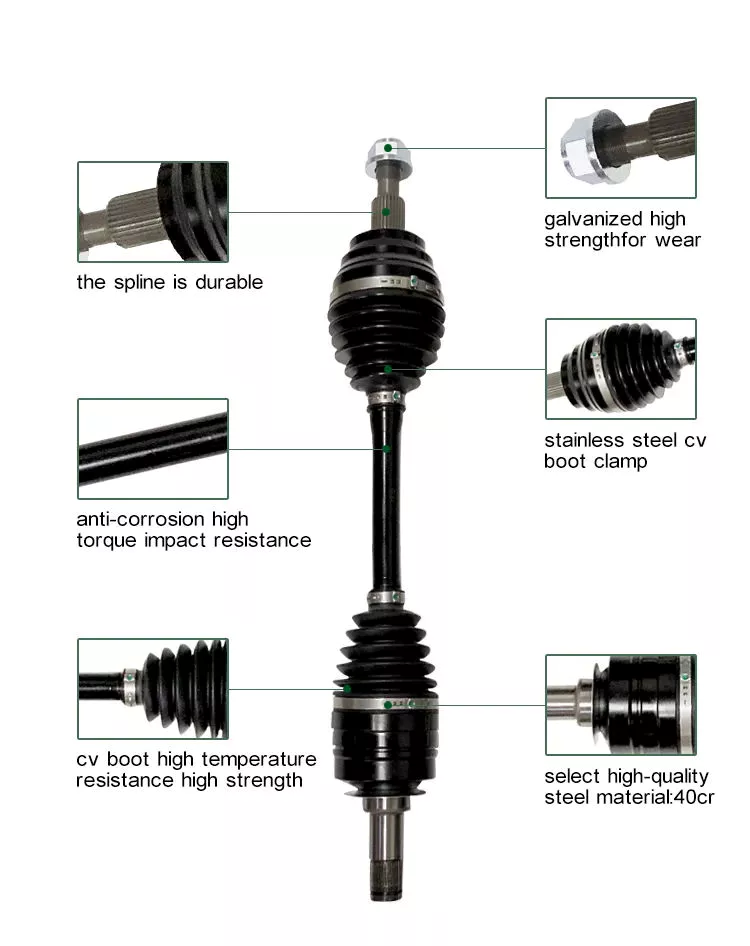
How do drive shafts enhance the performance of automobiles and trucks?
Drive shafts play a significant role in enhancing the performance of automobiles and trucks. They contribute to various aspects of vehicle performance, including power delivery, traction, handling, and overall efficiency. Here’s a detailed explanation of how drive shafts enhance the performance of automobiles and trucks:
1. Power Delivery:
Drive shafts are responsible for transferring power from the engine to the wheels, enabling the vehicle to move forward. By efficiently transmitting power without significant losses, drive shafts ensure that the engine’s power is effectively utilized, resulting in improved acceleration and overall performance. Well-designed drive shafts with minimal power loss contribute to the vehicle’s ability to deliver power to the wheels efficiently.
2. Torque Transfer:
Drive shafts facilitate the transfer of torque from the engine to the wheels. Torque is the rotational force that drives the vehicle forward. High-quality drive shafts with proper torque conversion capabilities ensure that the torque generated by the engine is effectively transmitted to the wheels. This enhances the vehicle’s ability to accelerate quickly, tow heavy loads, and climb steep gradients, thereby improving overall performance.
3. Traction and Stability:
Drive shafts contribute to the traction and stability of automobiles and trucks. They transmit power to the wheels, allowing them to exert force on the road surface. This enables the vehicle to maintain traction, especially during acceleration or when driving on slippery or uneven terrain. The efficient power delivery through the drive shafts enhances the vehicle’s stability by ensuring balanced power distribution to all wheels, improving control and handling.
4. Handling and Maneuverability:
Drive shafts have an impact on the handling and maneuverability of vehicles. They help establish a direct connection between the engine and the wheels, allowing for precise control and responsive handling. Well-designed drive shafts with minimal play or backlash contribute to a more direct and immediate response to driver inputs, enhancing the vehicle’s agility and maneuverability.
5. Weight Reduction:
Drive shafts can contribute to weight reduction in automobiles and trucks. Lightweight drive shafts made from materials such as aluminum or carbon fiber-reinforced composites reduce the overall weight of the vehicle. The reduced weight improves the power-to-weight ratio, resulting in better acceleration, handling, and fuel efficiency. Additionally, lightweight drive shafts reduce the rotational mass, allowing the engine to rev up more quickly, further enhancing performance.
6. Mechanical Efficiency:
Efficient drive shafts minimize energy losses during power transmission. By incorporating features such as high-quality bearings, low-friction seals, and optimized lubrication, drive shafts reduce friction and minimize power losses due to internal resistance. This enhances the mechanical efficiency of the drivetrain system, allowing more power to reach the wheels and improving overall vehicle performance.
7. Performance Upgrades:
Drive shaft upgrades can be a popular performance enhancement for enthusiasts. Upgraded drive shafts, such as those made from stronger materials or with enhanced torque capacity, can handle higher power outputs from modified engines. These upgrades allow for increased performance, such as improved acceleration, higher top speeds, and better overall driving dynamics.
8. Compatibility with Performance Modifications:
Performance modifications, such as engine upgrades, increased power output, or changes to the drivetrain system, often require compatible drive shafts. Drive shafts designed to handle higher torque loads or adapt to modified drivetrain configurations ensure optimal performance and reliability. They enable the vehicle to effectively harness the increased power and torque, resulting in improved performance and responsiveness.
9. Durability and Reliability:
Robust and well-maintained drive shafts contribute to the durability and reliability of automobiles and trucks. They are designed to withstand the stresses and loads associated with power transmission. High-quality materials, appropriate balancing, and regular maintenance help ensure that drive shafts operate smoothly, minimizing the risk of failures or performance issues. Reliable drive shafts enhance the overall performance by providing consistent power delivery and minimizing downtime.
10. Compatibility with Advanced Technologies:
Drive shafts are evolving in tandem with advancements in vehicle technologies. They are increasingly being integrated with advanced systems such as hybrid powertrains, electric motors, and regenerative braking. Drive shafts designed to work seamlessly with these technologies maximize their efficiency and performance benefits, contributing to improved overall vehicle performance.
In summary, drive shafts enhance the performance of automobiles and trucks by optimizing power delivery, facilitating torque transfer, improving traction and stability, enhancing handling and maneuverability, reducing weight, increasing mechanical efficiency,and enabling compatibility with performance upgrades and advanced technologies. They play a crucial role in ensuring efficient power transmission, responsive acceleration, precise handling, and overall improved performance of vehicles.
Kunt u de verschillende soorten aandrijfassen en hun specifieke toepassingen toelichten?
Aandrijfassen zijn er in verschillende soorten, elk ontworpen voor specifieke toepassingen en eisen. De keuze van de aandrijfas hangt af van factoren zoals het type voertuig of machine, de benodigde krachtoverbrenging, ruimtebeperkingen en bedrijfsomstandigheden. Hieronder volgt een uitleg van de verschillende soorten aandrijfassen en hun specifieke toepassingen:
1. Massieve as:
Een massieve as, ook wel een eendelige of massief stalen aandrijfas genoemd, is een enkele, ononderbroken as die van de motor of krachtbron naar de aangedreven componenten loopt. Het is een eenvoudig en robuust ontwerp dat in veel toepassingen wordt gebruikt. Massieve assen komen veel voor in voertuigen met achterwielaandrijving, waar ze de kracht van de transmissie naar de achteras overbrengen. Ze worden ook gebruikt in industriële machines, zoals pompen, generatoren en transportbanden, waar een rechte en stijve krachtoverbrenging vereist is.
2. Buisvormige as:
Buisvormige assen, ook wel holle assen genoemd, zijn aandrijfassen met een cilindrische, buisvormige structuur. Ze zijn geconstrueerd met een holle kern en zijn doorgaans lichter dan massieve assen. Buisvormige assen bieden voordelen zoals een lager gewicht, een verbeterde torsiestijfheid en een betere demping van trillingen. Ze worden gebruikt in diverse voertuigen, waaronder auto's, vrachtwagens en motorfietsen, maar ook in industriële apparatuur en machines. Buisvormige aandrijfassen worden veel gebruikt in voertuigen met voorwielaandrijving, waar ze de transmissie met de voorwielen verbinden.
3. Constant Velocity (CV) As:
Homokinetische assen (CV-assen) zijn speciaal ontworpen om hoekbewegingen op te vangen en een constante snelheid te handhaven tussen de motor/transmissie en de aangedreven componenten. Ze zijn voorzien van homokinetische koppelingen aan beide uiteinden, die flexibiliteit en compensatie bieden voor veranderingen in de hoek. Homokinetische assen worden veel gebruikt in voertuigen met voorwielaandrijving en vierwielaandrijving, maar ook in terreinwagens en bepaalde zware machines. De homokinetische koppelingen zorgen voor een soepele krachtoverbrenging, zelfs wanneer de wielen draaien of de ophanging beweegt, waardoor trillingen worden verminderd en de algehele prestaties worden verbeterd.
4. Schuifkoppelingsas:
Schuifassen, ook wel telescopische assen genoemd, bestaan uit twee of meer buisvormige secties die in en uit elkaar kunnen schuiven. Dit ontwerp maakt lengteverstelling mogelijk, waardoor veranderingen in de afstand tussen de motor/transmissie en de aangedreven componenten kunnen worden opgevangen. Schuifassen worden veel gebruikt in voertuigen met een lange wielbasis of verstelbare veersystemen, zoals sommige vrachtwagens, bussen en campers. Door de flexibiliteit in lengte te bieden, zorgen schuifassen voor een constante krachtoverbrenging, zelfs wanneer het chassis van het voertuig beweegt of de geometrie van de ophanging verandert.
5. Dubbele cardanas:
Een dubbele cardanas, ook wel dubbele kruiskoppelingsas genoemd, is een type aandrijfas met twee kruiskoppelingen. Deze configuratie helpt trillingen te verminderen en de werkingshoeken van de koppelingen te minimaliseren, wat resulteert in een soepelere krachtoverbrenging. Dubbele cardanassen worden veel gebruikt in zware toepassingen, zoals vrachtwagens, terreinwagens en landbouwmachines. Ze zijn bijzonder geschikt voor toepassingen met hoge koppelvereisten en grote werkingshoeken, en bieden verbeterde duurzaamheid en prestaties.
6. Samengestelde schacht:
Aandrijfassen van composietmateriaal worden gemaakt van composietmaterialen zoals koolstofvezel of glasvezel, wat voordelen biedt zoals een lager gewicht, verbeterde sterkte en corrosiebestendigheid. Composiet aandrijfassen worden steeds vaker gebruikt in krachtige voertuigen, sportwagens en raceauto's, waar gewichtsvermindering en een verbeterde vermogen-gewichtsverhouding cruciaal zijn. De composietconstructie maakt een nauwkeurige afstemming van de stijfheid en dempingseigenschappen mogelijk, wat resulteert in verbeterde voertuigdynamiek en efficiëntie van de aandrijflijn.
7. Aftakas:
Aftakasassen (PTO-assen) zijn gespecialiseerde aandrijfassen die worden gebruikt in landbouwmachines en bepaalde industriële apparatuur. Ze zijn ontworpen om vermogen over te brengen van de motor of krachtbron naar diverse aanbouwdelen, zoals maaiers, balenpersen of pompen. Aftakasassen hebben doorgaans een spieverbinding aan het ene uiteinde voor de aansluiting op de krachtbron en een kruiskoppeling aan het andere uiteinde voor hoekbewegingen. Ze kenmerken zich door hun vermogen om hoge koppelwaarden over te brengen en hun compatibiliteit met een breed scala aan aangedreven werktuigen.
8. Scheepsas:
Scheepsassen, ook wel schroefassen of staartassen genoemd, zijn speciaal ontworpen voor schepen. Ze brengen de kracht van de motor over op de schroef, waardoor de voortstuwing mogelijk wordt. Scheepsassen zijn meestal lang en werken in een ruwe omgeving, blootgesteld aan water, corrosie en hoge koppelbelastingen. Ze zijn doorgaans gemaakt van roestvrij staal of andere corrosiebestendige materialen en zijn ontworpen om de zware omstandigheden in maritieme toepassingen te weerstaan.
Het is belangrijk om te weten dat de specifieke toepassingen van aandrijfassen kunnen variëren afhankelijk van de fabrikant van het voertuig of de apparatuur, evenals de specifieke ontwerp- en technische eisen. De bovenstaande voorbeelden illustreren gangbare toepassingen voor elk type aandrijfas, maar er kunnen aanvullende varianten en gespecialiseerde ontwerpen bestaan op basis van specifieke branchebehoeften en technologische ontwikkelingen.


editor by CX 2023-12-04























