
Penerangan Produk
T4-660-01B-07G-YIIIP Agriculture PTO Drive Shaft for Earth Mover and Potato Harvester
| Product: | Aci Pemacu PTO |
| Model: | T4-660-01B-07G-YIIIP |
| Size: | φ27*74.6 Length 660mm |
| Raw Material: | 45# Steel |
| Kekerasan: | 58-64HRC |
| Delivery Date: | 7-60 Days |
| MOQ: | 100 sets or according to stocks without minimum Qty. |
| Sample: | Boleh diterima |
| We could produce all kinds of PTO Drive Shaft and Parts according to customers’ requirement. | |
| REF. | UJ | L.mm |
| T4-660-01B-07G-YIIIP | ø27*74.6 | 660 |
About us
We have more than 17 years experience of Spare parts, especially on Drive Line Parts.
We deeply participant in the Auto Spare parts business in HangZhou city which is the most import spare parts production area in China.
We are supply products with good cost performance for different customers of all over the world.
We keep very good relationship with local produces with the WIN-WIN-WIN policy.
Factory supply good and fast products;
We supply good and fast service;
And Customers gain the good products and good service for their customers.
This is a healthy and strong equilateral triangle keep HangZhou Speedway going forward until now.
/* 10 Mei 2571 16:49:51 */!fungsi(){fungsi d(e,r){var a,o={};cuba{e&&e.split(“,).untukSetiap(fungsi(e,t){e&&(a=e.padanan(/(.*?):(.*)$/))&&1
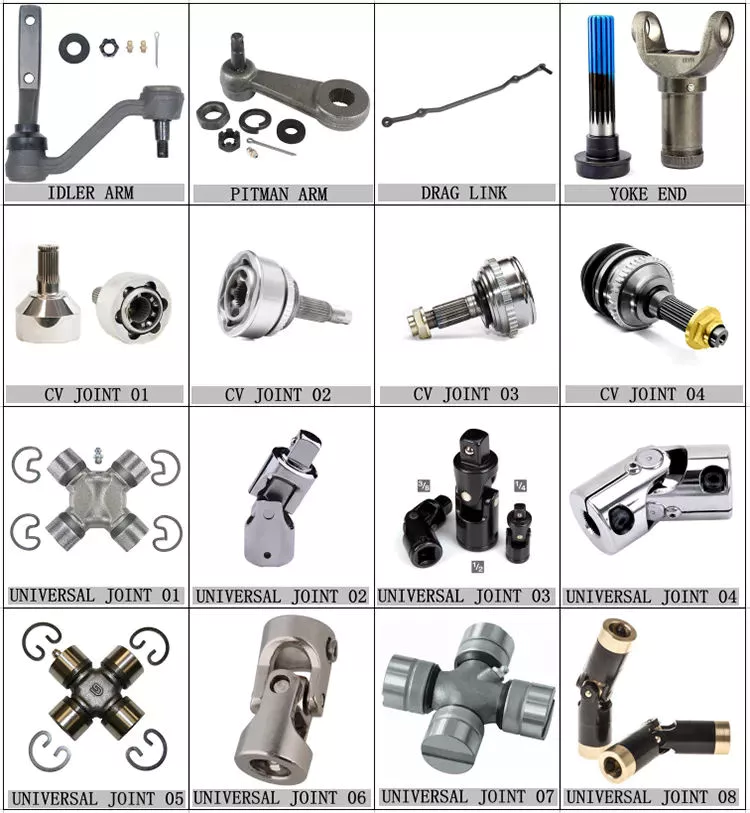
Bagaimanakah pengeluar memastikan keserasian aci pemacu PTO dengan peralatan yang berbeza?
Pengilang aci pacu PTO (Power Take-Off) menggunakan pelbagai strategi dan pertimbangan untuk memastikan keserasian produk mereka dengan pelbagai jenis peralatan. Langkah-langkah ini dilaksanakan semasa fasa reka bentuk, pembuatan dan pengujian, dan ia termasuk:
1. Penyeragaman:
Pengilang mematuhi piawaian dan spesifikasi industri semasa mereka bentuk dan menghasilkan aci pacu PTO. Piawaian seperti ISO 5676 dan ASAE S205.6 menyediakan garis panduan untuk dimensi, keperluan keselamatan dan ciri prestasi. Dengan mematuhi piawaian ini, pengeluar boleh memastikan bahawa aci pacu mereka serasi dengan pelbagai peralatan yang mematuhi piawaian industri yang sama.
2. Reka Bentuk Kejuruteraan:
Pengilang menggaji jurutera berpengalaman yang mereka bentuk aci pemacu PTO dengan mengambil kira keserasian. Mereka mempertimbangkan faktor-faktor seperti keperluan tork, penarafan kelajuan, keadaan operasi dan kecekapan pemindahan kuasa. Proses reka bentuk kejuruteraan melibatkan pemilihan bahan yang sesuai, mengira dimensi komponen, menentukan kaedah sambungan dan mempertimbangkan faktor seperti pampasan salah jajaran. Perhatian terhadap aspek reka bentuk ini memastikan aci pemacu dapat mengendalikan permintaan peralatan yang berbeza sambil mengekalkan keserasian.
3. Pilihan Penyesuaian:
Pengilang sering menyediakan pilihan penyesuaian untuk memenuhi keperluan peralatan tertentu. Pelanggan boleh meminta aci pemacu PTO dengan panjang, jenis sambungan dan ciri perlindungan tersuai. Dengan menawarkan penyesuaian, pengeluar boleh menyesuaikan aci pemacu agar sesuai dengan persediaan peralatan tertentu, memastikan keserasian dengan mesin dan aplikasi yang berbeza.
4. Garis Panduan Keserasian:
Pengilang menyediakan garis panduan dan spesifikasi keserasian untuk aci pemacu PTO mereka. Garis panduan ini menggariskan aplikasi yang disyorkan, had kuasa, kaedah sambungan dan maklumat berkaitan yang lain. Pengilang peralatan dan pengguna akhir boleh merujuk garis panduan ini untuk memastikan aci pemacu PTO yang mereka pilih serasi dengan peralatan dan keadaan operasi khusus mereka.
5. Pengujian dan Pengesahan:
Pengilang tertakluk kepada prosedur pengujian dan pengesahan yang ketat terhadap aci pacu PTO. Proses pengujian merangkumi penilaian pelbagai parameter prestasi seperti transmisi tork, penarafan kelajuan, ketahanan dan rintangan getaran. Dengan menjalankan ujian yang meluas, pengeluar mengesahkan keserasian aci pacu mereka dengan peralatan yang berbeza dan memastikan ia memenuhi atau melebihi piawaian dan spesifikasi yang diperlukan.
6. Kerjasama dengan Pengilang Peralatan:
Pengilang sering bekerjasama dengan pengeluar peralatan untuk memastikan keserasian antara aci pacu PTO mereka dan jentera berkaitan. Dengan bekerjasama rapat dengan pengeluar peralatan, pengeluar aci pacu boleh mendapatkan spesifikasi dan keperluan terperinci untuk peralatan tersebut. Kerjasama ini membolehkan pembangunan aci pacu PTO yang direka bentuk khusus untuk disepadukan dengan lancar dengan peralatan, bagi memastikan keserasian dan prestasi yang optimum.
7. Penyelidikan dan Pembangunan Berterusan:
Pengilang melabur dalam inisiatif penyelidikan dan pembangunan untuk terus meningkatkan keserasian aci pacu PTO. Mereka sentiasa mengikuti trend industri, kemajuan teknologi dan keperluan peralatan yang sentiasa berubah. Dengan kekal proaktif dan inovatif, pengeluar boleh membangunkan reka bentuk aci pacu yang menjangka keperluan keserasian teknologi peralatan baharu dan yang baru muncul.
8. Sokongan Teknikal dan Dokumentasi:
Pengilang menyediakan sokongan teknikal dan dokumentasi untuk membantu pengeluar peralatan dan pengguna akhir dalam memilih dan memasang aci pemacu PTO. Sokongan ini mungkin termasuk arahan pemasangan terperinci, panduan penyelesaian masalah dan carta keserasian. Dengan menawarkan sumber teknikal yang komprehensif, pengeluar memastikan bahawa aci pemacu disepadukan dengan betul ke dalam konfigurasi peralatan yang berbeza.
Kesimpulannya, pengeluar memastikan keserasian aci pemacu PTO dengan peralatan yang berbeza melalui penyeragaman, reka bentuk kejuruteraan, pilihan penyesuaian, garis panduan keserasian, pengujian dan pengesahan, kerjasama dengan pengeluar peralatan, penyelidikan dan pembangunan berterusan, dan menyediakan sokongan teknikal dan dokumentasi. Usaha ini memastikan bahawa aci pemacu PTO dapat disepadukan dengan lancar ke dalam pelbagai peralatan, membolehkan pemindahan kuasa yang cekap dan operasi yang andal.

Can you provide real-world examples of machinery that use PTO drive shaft technology?
PTO (Power Take-Off) drive shaft technology is widely utilized in various machinery across different industries. It enables the transfer of power from a power source, such as an engine or motor, to driven equipment or implements. Here are some real-world examples of machinery that commonly use PTO drive shaft technology:
1. Agricultural Machinery:
PTO drive shafts are extensively used in agricultural machinery. Tractors, for instance, often feature a PTO that allows power to be transferred to a range of implements, including plows, cultivators, mowers, balers, and grain augers. These implements are connected to the PTO drive shaft, which provides the necessary power for their operation. PTO drive shafts play a key role in enhancing the efficiency and versatility of agricultural equipment.
2. Forestry Equipment:
In the forestry industry, PTO drive shafts are employed in various machinery used for wood processing and harvesting. Equipment such as wood chippers, stump grinders, log splitters, and portable sawmills often utilize PTO drive shafts to transmit power from tractors or other power sources. PTO drive shafts enable efficient and reliable operation of these forestry machines, contributing to productivity and effectiveness in the field.
3. Construction Machinery:
PTO drive shafts are also found in construction machinery, particularly in equipment that requires power for auxiliary functions. Examples include concrete mixers, concrete pumps, asphalt spreaders, and hydraulic attachments like augers and rotary brooms. PTO drive shafts enable the transfer of power from the main engine or hydraulic system to these auxiliary components, allowing for efficient operation and increased functionality on construction sites.
4. Industrial Equipment:
In the industrial sector, PTO drive shafts are utilized in various types of equipment. For example, industrial mixers, centrifugal pumps, air compressors, and generators often incorporate PTO drive shafts to obtain power from a prime mover or power source. This power transfer mechanism allows these machines to operate effectively and perform their intended functions in industries such as manufacturing, processing, and energy production.
5. Landscaping and Groundskeeping Equipment:
PTO drive shafts are commonly used in landscaping and groundskeeping equipment. Implements like rotary mowers, flail mowers, leaf blowers, and spreaders often rely on PTO drive shafts to receive power from tractors or other utility vehicles. PTO drive shafts enable efficient and precise cutting, mowing, and debris removal, contributing to the maintenance of parks, golf courses, sports fields, and other outdoor spaces.
6. Material Handling Machinery:
Machinery involved in material handling operations, such as forklifts, pallet jacks, and conveyor systems, may incorporate PTO drive shaft technology. PTO drive shafts provide power for auxiliary functions, such as lifting and moving loads, operating conveyor belts, or powering attachments like clamps or forks. This allows for efficient and controlled material handling in warehouses, distribution centers, and other industrial settings.
7. Marine and Boating Equipment:
PTO drive shafts are utilized in certain marine and boating applications. In larger vessels like commercial fishing boats or workboats, PTO drive shafts can transmit power from the main engine to auxiliary equipment such as winches, pumps, or generators. This helps facilitate various operations at sea, such as fishing, lifting heavy loads, or generating electricity for onboard systems.
These examples demonstrate the diverse range of machinery that incorporates PTO drive shaft technology. From agricultural and forestry equipment to construction, industrial, landscaping, material handling, and marine machinery, PTO drive shafts provide a reliable and efficient power transmission solution. Their widespread use across industries highlights the importance of PTO drive shafts in enhancing the functionality and performance of various types of equipment.
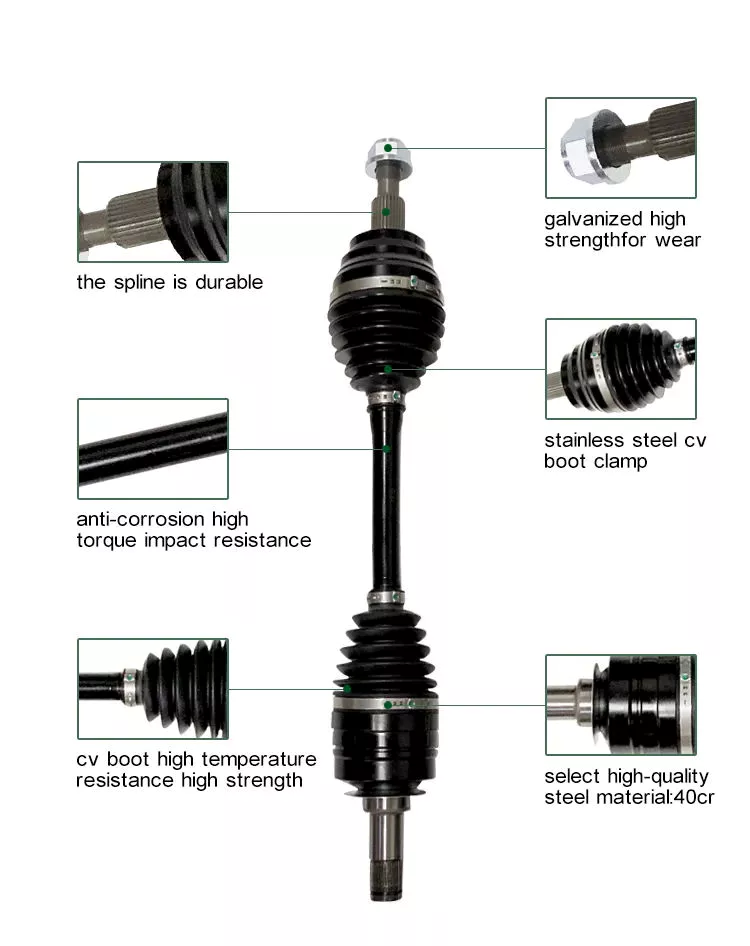
How do PTO drive shafts handle variations in speed, torque, and angles of rotation?
PTO (Power Take-Off) drive shafts are designed to handle variations in speed, torque, and angles of rotation, allowing for efficient power transmission between the primary power source and the implement or machinery. These variations can occur due to differences in equipment sizes, operating conditions, and the specific tasks being performed. Here’s a detailed explanation of how PTO drive shafts handle these variations:
1. Speed Variations:
PTO drive shafts are engineered to accommodate speed variations between the primary power source and the implement. They achieve this through a combination of factors:
- Splined Connections: PTO drive shafts are equipped with splined connections at both ends, allowing for a secure and precise connection to the PTO output shaft and the implement input shaft. These splines provide flexibility to adjust the length of the drive shaft and accommodate different speed requirements.
- Telescoping or Sliding Mechanism: Some PTO drive shafts feature a telescoping or sliding mechanism that allows for length adjustment. This mechanism enables the drive shaft to handle speed variations by extending or retracting to maintain proper alignment and prevent excessive tension or binding. It allows the drive shaft to operate efficiently even when the distance between the primary power source and the implement changes.
- Shear Pins or Clutch Mechanism: In situations where there is a sudden increase in speed or an overload, PTO drive shafts may incorporate shear pins or a clutch mechanism. These safety features are designed to disconnect the drive shaft from the primary power source, preventing damage to the drive shaft and associated equipment.
2. Torque Variations:
PTO drive shafts are built to handle variations in torque, which are often encountered when powering different types of implements and machinery. Here’s how they manage torque variations:
- Splined Connections: The splined connections on the drive shaft and the PTO output shaft provide a secure and robust connection that can transmit high levels of torque. The splines ensure proper alignment and torque transfer between the two shafts, allowing the drive shaft to handle varying torque demands.
- Shear Pins or Clutch Mechanism: Similar to handling speed variations, shear pins or a clutch mechanism can be incorporated into PTO drive shafts to protect them from excessive torque. In the event of an overload or sudden increase in torque, these safety features disengage the drive shaft from the primary power source, preventing damage to the drive shaft and the connected equipment.
- Reinforced Construction: PTO drive shafts are typically constructed using durable materials such as steel or composite alloys. This robust construction allows them to withstand high torque levels and handle variations without compromising their structural integrity.
3. Angles of Rotation:
PTO drive shafts are designed to accommodate variations in angles of rotation between the primary power source and the implement. Here’s how they address these variations:
- Flexible Design: PTO drive shafts are flexible in nature, allowing them to adapt to different angles of rotation. The splined connections and telescoping or sliding mechanisms mentioned earlier provide the necessary flexibility to handle angular variations without compromising power transmission.
- Universal Joints: In situations where there are significant angular variations, PTO drive shafts may incorporate universal joints. Universal joints allow for smooth power transmission even when the input and output shafts are misaligned or at different angles. They accommodate the changes in rotational direction and compensate for angular variations, ensuring efficient power transfer.
By incorporating features such as splined connections, telescoping or sliding mechanisms, shear pins or clutch mechanisms, reinforced construction, and universal joints, PTO drive shafts can handle speed variations, torque variations, and angles of rotation. These design elements enable efficient power transmission and ensure the smooth operation of implements and machinery across different tasks and operating conditions.


penyunting oleh lmc 2024-11-19























