
Penerangan Produk
Warm Tips: Please Hubungi Kami To Confirm Your Car Model
Penerangan Produk
1.We are manufacturer of cv drive shaft,cv axle, cv joint and cv boot, we have more than 20-years experience in producing and selling auto parts.
2.We have strict quality control, the quality of our products is very good.
3.We are professional in different market around the world.
4.The reviews our customers given us are very positive, we have confidence in our products.
5.OEM/ODM is available, meet your requirements well.
6.Large warehouse, huge stocks!!! friendly for those customers who want some quantity.
7.Ship products out very fastly, we have stock.
| Product Name | Drive shaft | Bahan | 42CrMo alloy steel |
| Car fitment | Toyota | Waranti | 12 months |
| Model | for CZPT CZPT Honda CZPT CZPT CZPT VW Mazda BMW | Place of origin | ZHangZhoug, China |
| Productive year | pls contact us for more details | MOQ | 4 PCS |
| OE number | factory standard | Delivery time | 1-7 days |
| OEM/ODM | Ya | Jenama | GJF |
| Packing size | according to each model | Payment | L/C,T/T,western Union,Cash,PayPal |
| Sample service | Depends on the situation of stock | Berat | 7.9KG |
Foto Terperinci
Customer Review
Pembungkusan & Penghantaran
Soalan Lazim
| Perkhidmatan selepas jualan: | 12 Bulan |
|---|---|
| Keadaan: | Baru |
| Axle Number: | 1 |
| Permohonan: | Car |
| Pensijilan: | ASTM, CE, DIN, ISO |
| Bahan: | Alloy |
| Sampel: |
US$ 42.8/Piece
1 Keping (Pesanan Minimum) | |
|---|
| Penyesuaian: |
Tersedia
| Permintaan Tersuai |
|---|
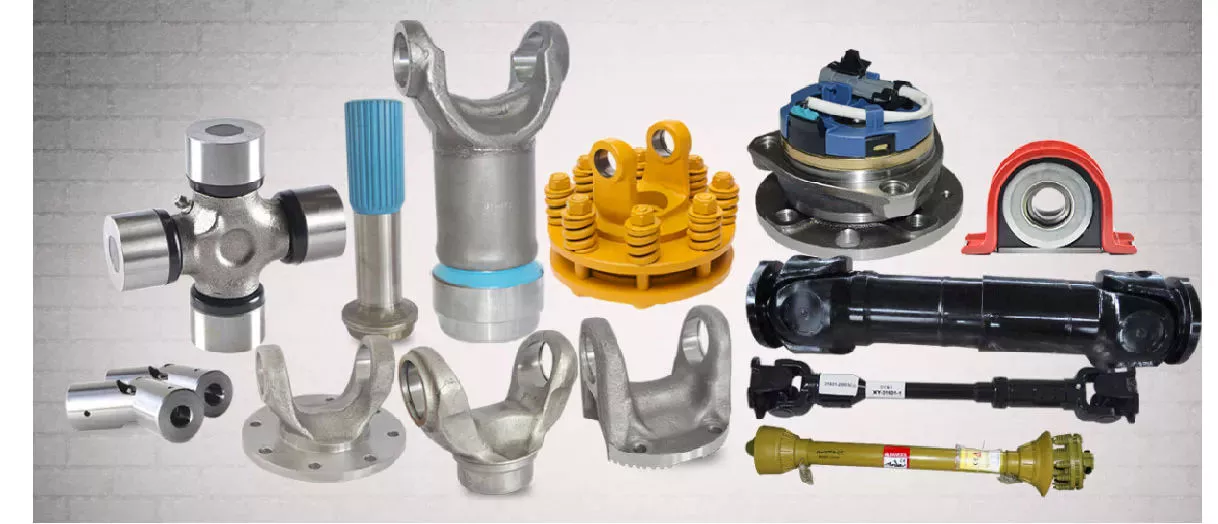
Apakah faktor yang perlu dipertimbangkan semasa memilih aci pemacu yang betul untuk sesuatu aplikasi?
Apabila memilih aci pemacu yang betul untuk sesuatu aplikasi, beberapa faktor perlu dipertimbangkan. Pemilihan aci pemacu memainkan peranan penting dalam memastikan penghantaran kuasa yang cekap dan andal. Berikut adalah faktor utama yang perlu dipertimbangkan:
1. Keperluan Kuasa dan Tork:
Keperluan kuasa dan tork bagi aplikasi ini merupakan pertimbangan penting. Adalah penting untuk menentukan tork maksimum yang perlu dihantar oleh aci pemacu tanpa kegagalan atau pesongan yang berlebihan. Ini termasuk menilai output kuasa enjin atau sumber kuasa, serta keperluan tork komponen yang dipacu. Memilih aci pemacu dengan diameter, kekuatan bahan dan reka bentuk yang sesuai adalah penting untuk memastikan ia dapat mengendalikan tahap tork yang dijangkakan tanpa menjejaskan prestasi atau keselamatan.
2. Kelajuan Operasi:
Kelajuan operasi aci pemacu merupakan satu lagi faktor kritikal. Kelajuan putaran mempengaruhi kelakuan dinamik aci pemacu, termasuk potensi getaran, resonans dan had kelajuan kritikal. Adalah penting untuk memilih aci pemacu yang boleh beroperasi dalam julat kelajuan yang diingini tanpa menghadapi getaran berlebihan atau menjejaskan integriti struktur. Faktor seperti sifat bahan, keseimbangan dan analisis kelajuan kritikal harus dipertimbangkan untuk memastikan aci pemacu dapat mengendalikan kelajuan operasi yang diperlukan dengan berkesan.
3. Panjang dan Penjajaran:
Keperluan panjang dan penjajaran aplikasi mesti dipertimbangkan semasa memilih aci pemacu. Jarak antara enjin atau sumber kuasa dan komponen pemacu menentukan panjang aci pemacu yang diperlukan. Dalam situasi di mana terdapat variasi panjang atau sudut operasi yang ketara, aci pemacu teleskopik atau berbilang aci pemacu dengan gandingan atau sambungan universal yang sesuai mungkin diperlukan. Penjajaran aci pemacu yang betul adalah penting untuk meminimumkan getaran, mengurangkan haus dan lusuh, dan memastikan penghantaran kuasa yang cekap.
4. Had Ruang:
Ruang yang tersedia dalam aplikasi merupakan faktor penting untuk dipertimbangkan. Aci pemacu mesti muat dalam ruang yang diperuntukkan tanpa mengganggu komponen atau struktur lain. Adalah penting untuk mempertimbangkan dimensi keseluruhan aci pemacu, termasuk panjang, diameter dan sebarang komponen tambahan seperti sambungan atau gandingan. Dalam sesetengah kes, reka bentuk aci pemacu tersuai atau padat mungkin diperlukan untuk menampung batasan ruang sambil mengekalkan keupayaan penghantaran kuasa yang mencukupi.
5. Keadaan Persekitaran:
Keadaan persekitaran di mana aci pemacu akan beroperasi harus dinilai. Faktor seperti suhu, kelembapan, agen menghakis dan pendedahan kepada bahan cemar boleh memberi kesan kepada prestasi dan jangka hayat aci pemacu. Adalah penting untuk memilih bahan dan salutan yang boleh menahan keadaan persekitaran tertentu untuk mencegah kakisan, degradasi atau kegagalan pramatang aci pemacu. Pertimbangan khas mungkin diperlukan untuk aplikasi yang terdedah kepada suhu ekstrem, air, bahan kimia atau bahan kasar.
6. Jenis Aplikasi dan Industri:
Jenis aplikasi khusus dan keperluan industri memainkan peranan penting dalam pemilihan aci pemacu. Industri yang berbeza, seperti automotif, aeroangkasa, jentera perindustrian, pertanian atau marin, mempunyai permintaan unik yang perlu ditangani. Memahami keperluan khusus dan keadaan operasi aplikasi adalah penting dalam menentukan reka bentuk, bahan dan ciri prestasi aci pemacu yang sesuai. Pematuhan terhadap piawaian dan peraturan industri juga boleh menjadi pertimbangan dalam aplikasi tertentu.
7. Penyelenggaraan dan Kebolehgunaan:
Kemudahan penyelenggaraan dan kebolehgunaan harus diambil kira. Sesetengah reka bentuk aci pemacu mungkin memerlukan pemeriksaan berkala, pelinciran atau penggantian komponen. Mempertimbangkan kebolehcapaian aci pemacu dan keperluan penyelenggaraan yang berkaitan dapat membantu meminimumkan masa henti dan memastikan kebolehpercayaan jangka panjang. Pembongkaran dan pemasangan semula aci pemacu yang mudah juga boleh memberi manfaat untuk pembaikan atau penggantian komponen.
Dengan mempertimbangkan faktor-faktor ini dengan teliti, seseorang boleh memilih aci pemacu yang betul untuk aplikasi yang memenuhi keperluan penghantaran kuasa, keadaan operasi dan keperluan ketahanan, seterusnya memastikan prestasi dan kebolehpercayaan yang optimum.
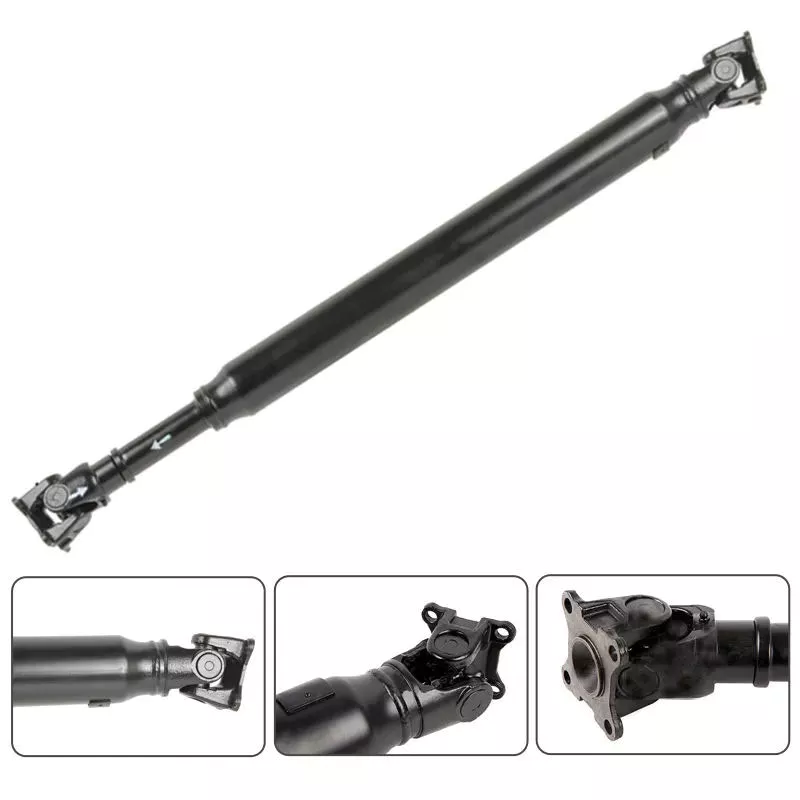
Can drive shafts be customized for specific vehicle or equipment requirements?
Yes, drive shafts can be customized to meet specific vehicle or equipment requirements. Customization allows manufacturers to tailor the design, dimensions, materials, and other parameters of the drive shaft to ensure compatibility and optimal performance within a particular vehicle or equipment. Here’s a detailed explanation of how drive shafts can be customized:
1. Dimensional Customization:
Drive shafts can be customized to match the dimensional requirements of the vehicle or equipment. This includes adjusting the overall length, diameter, and spline configuration to ensure proper fitment and clearances within the specific application. By customizing the dimensions, the drive shaft can be seamlessly integrated into the driveline system without any interference or limitations.
2. Material Selection:
The choice of materials for drive shafts can be customized based on the specific requirements of the vehicle or equipment. Different materials, such as steel alloys, aluminum alloys, or specialized composites, can be selected to optimize strength, weight, and durability. The material selection can be tailored to meet the torque, speed, and operating conditions of the application, ensuring the drive shaft’s reliability and longevity.
3. Joint Configuration:
Drive shafts can be customized with different joint configurations to accommodate specific vehicle or equipment requirements. For example, universal joints (U-joints) may be suitable for applications with lower operating angles and moderate torque demands, while constant velocity (CV) joints are often used in applications requiring higher operating angles and smoother power transmission. The choice of joint configuration depends on factors such as operating angle, torque capacity, and desired performance characteristics.
4. Torque and Power Capacity:
Customization allows drive shafts to be designed with the appropriate torque and power capacity for the specific vehicle or equipment. Manufacturers can analyze the torque requirements, operating conditions, and safety margins of the application to determine the optimal torque rating and power capacity of the drive shaft. This ensures that the drive shaft can handle the required loads without experiencing premature failure or performance issues.
5. Balancing and Vibration Control:
Drive shafts can be customized with precision balancing and vibration control measures. Imbalances in the drive shaft can lead to vibrations, increased wear, and potential driveline issues. By employing dynamic balancing techniques during the manufacturing process, manufacturers can minimize vibrations and ensure smooth operation. Additionally, vibration dampers or isolation systems can be integrated into the drive shaft design to further mitigate vibrations and enhance overall system performance.
6. Integration and Mounting Considerations:
Customization of drive shafts takes into account the integration and mounting requirements of the specific vehicle or equipment. Manufacturers work closely with the vehicle or equipment designers to ensure that the drive shaft fits seamlessly into the driveline system. This includes adapting the mounting points, interfaces, and clearances to ensure proper alignment and installation of the drive shaft within the vehicle or equipment.
7. Collaboration and Feedback:
Manufacturers often collaborate with vehicle manufacturers, OEMs (Original Equipment Manufacturers), or end-users to gather feedback and incorporate their specific requirements into the drive shaft customization process. By actively seeking input and feedback, manufacturers can address specific needs, optimize performance, and ensure compatibility with the vehicle or equipment. This collaborative approach enhances the customization process and results in drive shafts that meet the exact requirements of the application.
8. Compliance with Standards:
Customized drive shafts can be designed to comply with relevant industry standards and regulations. Compliance with standards, such as ISO (International Organization for Standardization) or specific industry standards, ensures that the customized drive shafts meet quality, safety, and performance requirements. Adhering to these standards provides assurance that the drive shafts are compatible and can be seamlessly integrated into the specific vehicle or equipment.
In summary, drive shafts can be customized to meet specific vehicle or equipment requirements through dimensional customization, material selection, joint configuration, torque and power capacity optimization, balancing and vibration control, integration and mounting considerations, collaboration with stakeholders, and compliance with industry standards. Customization allows drive shafts to be precisely tailored to the needs of the application, ensuring compatibility, reliability, and optimal performance.

How do drive shafts handle variations in length and torque requirements?
Drive shafts are designed to handle variations in length and torque requirements in order to efficiently transmit rotational power. Here’s an explanation of how drive shafts address these variations:
Length Variations:
Drive shafts are available in different lengths to accommodate varying distances between the engine or power source and the driven components. They can be custom-made or purchased in standardized lengths, depending on the specific application. In situations where the distance between the engine and the driven components is longer, multiple drive shafts with appropriate couplings or universal joints can be used to bridge the gap. These additional drive shafts effectively extend the overall length of the power transmission system.
Additionally, some drive shafts are designed with telescopic sections. These sections can be extended or retracted, allowing for adjustments in length to accommodate different vehicle configurations or dynamic movements. Telescopic drive shafts are commonly used in applications where the distance between the engine and the driven components may change, such as in certain types of trucks, buses, and off-road vehicles.
Torque Requirements:
Drive shafts are engineered to handle varying torque requirements based on the power output of the engine or power source and the demands of the driven components. The torque transmitted through the drive shaft depends on factors such as the engine power, load conditions, and the resistance encountered by the driven components.
Manufacturers consider torque requirements when selecting the appropriate materials and dimensions for drive shafts. Drive shafts are typically made from high-strength materials, such as steel or aluminum alloys, to withstand the torque loads without deformation or failure. The diameter, wall thickness, and design of the drive shaft are carefully calculated to ensure it can handle the expected torque without excessive deflection or vibration.
In applications with high torque demands, such as heavy-duty trucks, industrial machinery, or performance vehicles, drive shafts may have additional reinforcements. These reinforcements can include thicker walls, cross-sectional shapes optimized for strength, or composite materials with superior torque-handling capabilities.
Furthermore, drive shafts often incorporate flexible joints, such as universal joints or constant velocity (CV) joints. These joints allow for angular misalignment and compensate for variations in the operating angles between the engine, transmission, and driven components. They also help absorb vibrations and shocks, reducing stress on the drive shaft and enhancing its torque-handling capacity.
In summary, drive shafts handle variations in length and torque requirements through customizable lengths, telescopic sections, appropriate materials and dimensions, and the inclusion of flexible joints. By carefully considering these factors, drive shafts can efficiently and reliably transmit power while accommodating the specific needs of different applications.


editor by CX 2023-12-11























