
Penerangan Produk
Sebagai seorang profesional pengilang untuk aci kipas, kita ada +8/8822 0571 8
45710-S10-A01
12344543
27111-SC571
936-571
45710-S9A-E01
936-911
27111-AJ13D
936-034
45710-S9A-J01
936-916
27101-84C00
for MITSUBISHI/NISSAN
untuk TOYOTA
CARDONE
OE
CARDONE
OE
65-3009
MR580626
65-5007
37140-35180
65-6000
3401A571
65-9842
37140-35040
65-9480
37000-JM14A
65-5571
37100-3D250
65-9478
37000-S3805
65-5030
37100-34120
65-6004
37000-S4203
65-9265
37110-3D070
65-6571
37041-90062
65-9376
37110-35880
936-262
37041-90014
65-5571
37110-3D220
938-030
37300-F3600
65-5571
37100-34111
936-363
37000-7C002
65-5018
37110-3D060
938-200
37000-7C001
65-5012
37100-5712
for KOREA CAR
for HYUNDAI/KIA
CARDONE
OE
CARDONE
OE
65-3502
49571-H1031
936-211
49100-3E450
65-3503
49300-2S000
936-210
49100-3E400
65-3500
49300-0L000
936-200
49300-2P500
| Perkhidmatan selepas jualan: | 1 Tahun |
|---|---|
| Keadaan: | Baru |
| Warna: | Hitam |
| Pensijilan: | ISO, IATF |
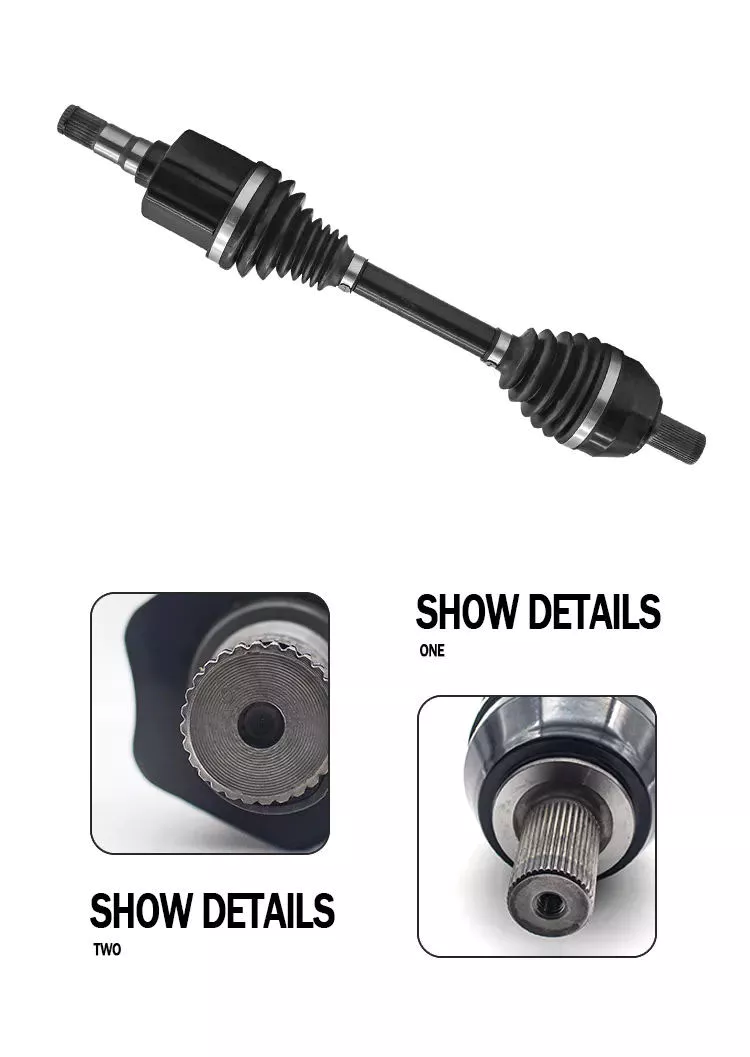
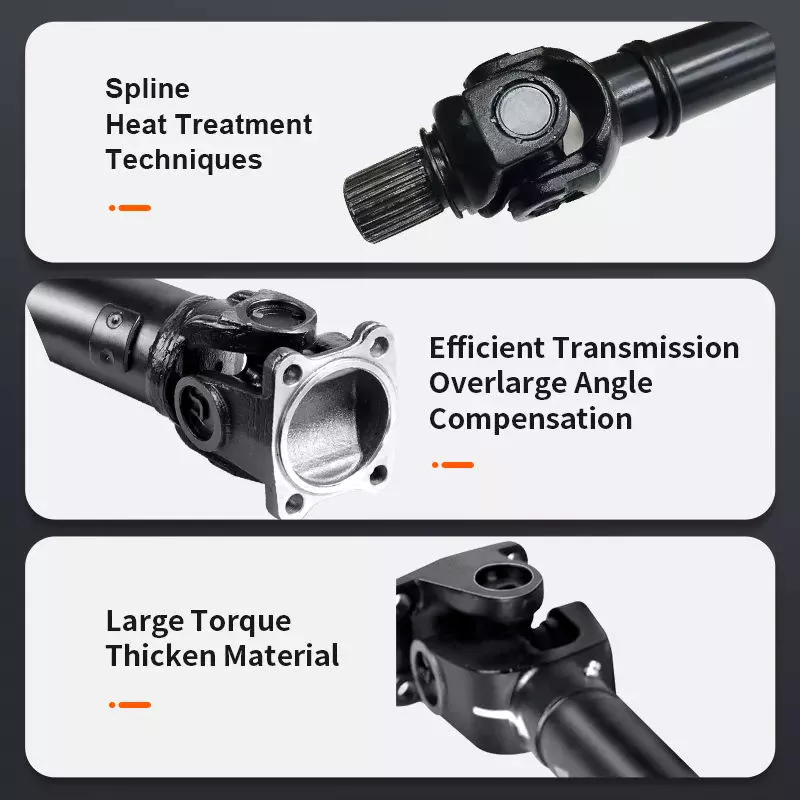
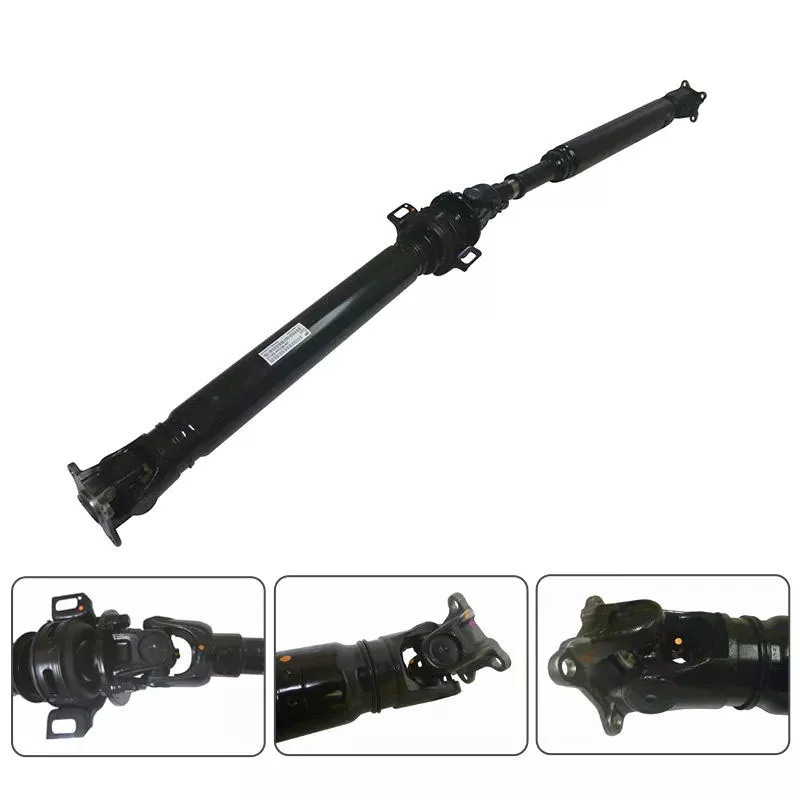
| Jenis: | Propeller Shaft/Drive Shaft |
| Jenama Aplikasi: | Mercedes Benz |
| Sampel: |
US$ 300/Piece
1 Keping (Pesanan Minimum) | |
|---|
| Penyesuaian: |
Tersedia
| Permintaan Tersuai |
|---|
Are there any limitations or disadvantages associated with drive shafts?
While drive shafts are widely used and offer several advantages, they also have certain limitations and disadvantages that should be considered. Here’s a detailed explanation of the limitations and disadvantages associated with drive shafts:
1. Length and Misalignment Constraints:
Drive shafts have a maximum practical length due to factors such as material strength, weight considerations, and the need to maintain rigidity and minimize vibrations. Longer drive shafts can be prone to increased bending and torsional deflection, leading to reduced efficiency and potential driveline vibrations. Additionally, drive shafts require proper alignment between the driving and driven components. Misalignment can cause increased wear, vibrations, and premature failure of the drive shaft or its associated components.
2. Limited Operating Angles:
Drive shafts, especially those using U-joints, have limitations on operating angles. U-joints are typically designed to operate within specific angular ranges, and operating beyond these limits can result in reduced efficiency, increased vibrations, and accelerated wear. In applications requiring large operating angles, constant velocity (CV) joints are often used to maintain a constant speed and accommodate greater angles. However, CV joints may introduce higher complexity and cost compared to U-joints.
3. Maintenance Requirements:
Drive shafts require regular maintenance to ensure optimal performance and reliability. This includes periodic inspection, lubrication of joints, and balancing if necessary. Failure to perform routine maintenance can lead to increased wear, vibrations, and potential driveline issues. Maintenance requirements should be considered in terms of time and resources when using drive shafts in various applications.
4. Noise and Vibration:
Drive shafts can generate noise and vibrations, especially at high speeds or when operating at certain resonant frequencies. Imbalances, misalignment, worn joints, or other factors can contribute to increased noise and vibrations. These vibrations may affect the comfort of vehicle occupants, contribute to component fatigue, and require additional measures such as dampers or vibration isolation systems to mitigate their effects.
5. Weight and Space Constraints:
Drive shafts add weight to the overall system, which can be a consideration in weight-sensitive applications, such as automotive or aerospace industries. Additionally, drive shafts require physical space for installation. In compact or tightly packaged equipment or vehicles, accommodating the necessary drive shaft length and clearances can be challenging, requiring careful design and integration considerations.
6. Cost Considerations:
Drive shafts, depending on their design, materials, and manufacturing processes, can involve significant costs. Customized or specialized drive shafts tailored to specific equipment requirements may incur higher expenses. Additionally, incorporating advanced joint configurations, such as CV joints, can add complexity and cost to the drive shaft system.
7. Inherent Power Loss:
Drive shafts transmit power from the driving source to the driven components, but they also introduce some inherent power loss due to friction, bending, and other factors. This power loss can reduce overall system efficiency, particularly in long drive shafts or applications with high torque requirements. It is important to consider power loss when determining the appropriate drive shaft design and specifications.
8. Limited Torque Capacity:
While drive shafts can handle a wide range of torque loads, there are limits to their torque capacity. Exceeding the maximum torque capacity of a drive shaft can lead to premature failure, resulting in downtime and potential damage to other driveline components. It is crucial to select a drive shaft with sufficient torque capacity for the intended application.
Despite these limitations and disadvantages, drive shafts remain a widely used and effective means of power transmission in various industries. Manufacturers continuously work to address these limitations through advancements in materials, design techniques, joint configurations, and balancing processes. By carefully considering the specific application requirements and potential drawbacks, engineers and designers can mitigate the limitations and maximize the benefits of drive shafts in their respective systems.
How do drive shafts contribute to the efficiency of vehicle propulsion and power transmission?
Drive shafts play a crucial role in the efficiency of vehicle propulsion and power transmission systems. They are responsible for transferring power from the engine or power source to the wheels or driven components. Here’s a detailed explanation of how drive shafts contribute to the efficiency of vehicle propulsion and power transmission:
1. Power Transfer:
Drive shafts transmit power from the engine or power source to the wheels or driven components. By efficiently transferring rotational energy, drive shafts enable the vehicle to move forward or drive the machinery. The design and construction of drive shafts ensure minimal power loss during the transfer process, maximizing the efficiency of power transmission.
2. Torque Conversion:
Drive shafts can convert torque from the engine or power source to the wheels or driven components. Torque conversion is necessary to match the power characteristics of the engine with the requirements of the vehicle or machinery. Drive shafts with appropriate torque conversion capabilities ensure that the power delivered to the wheels is optimized for efficient propulsion and performance.
3. Sambungan Halaju Malar (CV):
Many drive shafts incorporate Constant Velocity (CV) joints, which help maintain a constant speed and efficient power transmission, even when the driving and driven components are at different angles. CV joints allow for smooth power transfer and minimize vibration or power losses that may occur due to changing operating angles. By maintaining constant velocity, drive shafts contribute to efficient power transmission and improved overall vehicle performance.
4. Lightweight Construction:
Efficient drive shafts are often designed with lightweight materials, such as aluminum or composite materials. Lightweight construction reduces the rotational mass of the drive shaft, which results in lower inertia and improved efficiency. Reduced rotational mass enables the engine to accelerate and decelerate more quickly, allowing for better fuel efficiency and overall vehicle performance.
5. Minimized Friction:
Efficient drive shafts are engineered to minimize frictional losses during power transmission. They incorporate features such as high-quality bearings, low-friction seals, and proper lubrication to reduce energy losses caused by friction. By minimizing friction, drive shafts enhance power transmission efficiency and maximize the available power for propulsion or operating other machinery.
6. Balanced and Vibration-Free Operation:
Drive shafts undergo dynamic balancing during the manufacturing process to ensure smooth and vibration-free operation. Imbalances in the drive shaft can lead to power losses, increased wear, and vibrations that reduce overall efficiency. By balancing the drive shaft, it can spin evenly, minimizing vibrations and optimizing power transmission efficiency.
7. Maintenance and Regular Inspection:
Proper maintenance and regular inspection of drive shafts are essential for maintaining their efficiency. Regular lubrication, inspection of joints and components, and prompt repair or replacement of worn or damaged parts help ensure optimal power transmission efficiency. Well-maintained drive shafts operate with minimal friction, reduced power losses, and improved overall efficiency.
8. Integration with Efficient Transmission Systems:
Drive shafts work in conjunction with efficient transmission systems, such as manual, automatic, or continuously variable transmissions. These transmissions help optimize power delivery and gear ratios based on driving conditions and vehicle speed. By integrating with efficient transmission systems, drive shafts contribute to the overall efficiency of the vehicle propulsion and power transmission system.
9. Aerodynamic Considerations:
In some cases, drive shafts are designed with aerodynamic considerations in mind. Streamlined drive shafts, often used in high-performance or electric vehicles, minimize drag and air resistance to improve overall vehicle efficiency. By reducing aerodynamic drag, drive shafts contribute to the efficient propulsion and power transmission of the vehicle.
10. Optimized Length and Design:
Drive shafts are designed to have optimal lengths and designs to minimize energy losses. Excessive drive shaft length or improper design can introduce additional rotational mass, increase bending stresses, and result in energy losses. By optimizing the length and design, drive shafts maximize power transmission efficiency and contribute to improved overall vehicle efficiency.
Overall, drive shafts contribute to the efficiency of vehicle propulsion and power transmission through effective power transfer, torque conversion, utilization of CV joints, lightweight construction, minimized friction, balanced operation, regular maintenance, integration with efficient transmission systems, aerodynamic considerations, and optimized length and design. By ensuring efficient power delivery and minimizing energy losses, drive shafts play a significant role in enhancing the overall efficiency and performance of vehicles and machinery.
Apakah faedah yang ditawarkan oleh aci pemacu untuk pelbagai jenis kenderaan dan peralatan?
Aci pacu menawarkan beberapa manfaat untuk pelbagai jenis kenderaan dan peralatan. Ia memainkan peranan penting dalam penghantaran kuasa dan menyumbang kepada prestasi keseluruhan, kecekapan dan fungsi pelbagai sistem. Berikut ialah penjelasan terperinci tentang manfaat yang diberikan oleh aci pacu:
1. Penghantaran Kuasa yang Cekap:
Aci pemacu membolehkan penghantaran kuasa yang cekap dari enjin atau sumber kuasa ke roda atau komponen yang digerakkan. Dengan menyambungkan enjin atau motor ke sistem yang digerakkan, aci pemacu memindahkan kuasa putaran dengan cekap, membolehkan kenderaan dan peralatan melaksanakan fungsi yang dimaksudkan. Penghantaran kuasa yang cekap ini memastikan kuasa yang dijana oleh enjin digunakan dengan berkesan, mengoptimumkan prestasi keseluruhan dan produktiviti sistem.
2. Kebolehgunaan:
Aci pacu menawarkan fleksibiliti dalam aplikasinya. Ia digunakan dalam pelbagai jenis kenderaan, termasuk kereta, trak, motosikal dan kenderaan luar jalan. Selain itu, aci pacu digunakan dalam pelbagai peralatan dan jentera, seperti jentera pertanian, peralatan pembinaan, jentera perindustrian dan kapal marin. Keupayaan untuk menyesuaikan diri dengan pelbagai jenis kenderaan dan peralatan menjadikan aci pacu komponen serba boleh untuk penghantaran kuasa.
3. Pengendalian Tork:
Aci pemacu direka bentuk untuk mengendalikan tahap tork yang tinggi. Tork ialah daya putaran yang dijana oleh enjin atau sumber kuasa. Aci pemacu direka bentuk untuk menghantar tork ini dengan cekap tanpa putaran atau lenturan yang berlebihan. Dengan mengendalikan tork dengan berkesan, aci pemacu memastikan kuasa yang dijana oleh enjin dipindahkan dengan andal ke roda atau komponen yang digerakkan, membolehkan kenderaan dan peralatan mengatasi rintangan, seperti beban berat atau rupa bumi yang mencabar.
4. Fleksibiliti dan Pampasan:
Aci pacu memberikan fleksibiliti dan pampasan untuk pergerakan sudut dan ketidaksejajaran. Dalam kenderaan, aci pacu menampung pergerakan sistem gantungan, membolehkan roda bergerak ke atas dan ke bawah secara bebas. Fleksibiliti ini memastikan pemindahan kuasa yang berterusan walaupun kenderaan menghadapi rupa bumi yang tidak rata. Begitu juga, dalam jentera, aci pacu mengimbangi ketidaksejajaran antara enjin atau motor dan komponen yang dipacu, memastikan penghantaran kuasa yang lancar dan mencegah tekanan berlebihan pada drivetrain.
5. Pengurangan Berat Badan:
Aci pacu menyumbang kepada pengurangan berat dalam kenderaan dan peralatan. Berbanding dengan bentuk penghantaran kuasa yang lain, seperti pacuan tali sawat atau pacuan rantai, aci pacu biasanya lebih ringan. Pengurangan berat ini membantu meningkatkan kecekapan bahan api dalam kenderaan dan mengurangkan berat keseluruhan peralatan, yang membawa kepada kebolehgerakan yang dipertingkatkan dan kapasiti muatan yang meningkat. Selain itu, aci pacuan yang lebih ringan menyumbang kepada nisbah kuasa-ke-berat yang lebih baik, menghasilkan prestasi dan pecutan yang lebih baik.
6. Ketahanan dan Panjang Umur:
Aci pacu direka bentuk untuk tahan lama dan tahan lama. Ia dibina menggunakan bahan seperti keluli atau aluminium, yang menawarkan kekuatan dan rintangan yang tinggi terhadap haus dan lesu. Aci pacu menjalani ujian dan langkah kawalan kualiti yang ketat untuk memastikan kebolehpercayaan dan jangka hayatnya. Penyelenggaraan yang betul, termasuk pelinciran dan pemeriksaan berkala, meningkatkan lagi ketahanannya. Pembinaan yang teguh dan jangka hayat aci pacu yang panjang menyumbang kepada kebolehpercayaan keseluruhan dan keberkesanan kos kenderaan dan peralatan.
7. Keselamatan:
Aci pacu menggabungkan ciri-ciri keselamatan untuk melindungi pengendali dan orang yang berada di sekeliling. Dalam kenderaan, aci pacu sering disertakan dalam tiub atau perumah pelindung, mencegah sentuhan dengan bahagian yang bergerak dan mengurangkan risiko kecederaan sekiranya berlaku kerosakan. Begitu juga, dalam jentera, perisai atau pelindung keselamatan biasanya dipasang di sekitar aci pacu yang terdedah untuk meminimumkan potensi bahaya yang berkaitan dengan komponen yang berputar. Langkah-langkah keselamatan ini memastikan kesejahteraan individu yang beroperasi atau bekerja berdekatan dengan kenderaan dan peralatan.
Secara ringkasnya, aci pacu menawarkan beberapa manfaat untuk pelbagai jenis kenderaan dan peralatan. Ia membolehkan penghantaran kuasa yang cekap, menyediakan fleksibiliti dalam pelbagai aplikasi, mengendalikan tork dengan berkesan, menawarkan fleksibiliti dan pampasan, menyumbang kepada pengurangan berat, memastikan ketahanan dan jangka hayat, dan menggabungkan ciri-ciri keselamatan. Dengan menyediakan kelebihan ini, aci pacu meningkatkan prestasi, kecekapan, kebolehpercayaan dan keselamatan kenderaan dan peralatan merentasi pelbagai industri.


editor by CX 2023-10-06























