
제품 설명
Kawashima Rockers /Nakashi Drive Shaft
| 애플리케이션 | 설명 |
| Kawashima rockers | P/tube Length:1.50m|Axle diameter:7mm|Teeth:7|tube diameter:26mm| |
| Kawashima rockers | P/tube Length:1.50m|Axle diameter:8mm|Teeth:9|tube diameter:28mm| |
| Nakashi kawashima Premium and Plus Rock Grinders | P/tube Length:1.55m|Axle diameter:6mm|Teeth:10|tube diameter:25mm| |
| Nakashi Rockers,Kawashima Premium Plus | P/tube Length:1.55m|Axle diameter:7mm|Teeth:7|tube diameter:25mm| |
| Premium and Nakashi Rock Grinders | P/tube Length:1.55m|Axle diameter:8mm|Teeth:9|tube diameter:28mm| |
| Nakashi Premium Derricks | P/tube Length:1.10m|Axle diameter:6mm|Teeth:10|tube diameter:25mm| |
| Premium and Nakashi Derrickers | P/tube Length:1.10m|Axle diameter:7mm|Teeth:7|tube diameter:25mm| |
| Premium and Nakashi Derrickers | P/tube Length:0.9m|Axle diameter:6mm|Teeth:10|tube diameter:25mm| |
자주 묻는 질문(FAQ):
Notice
1. We maintain high standards of customer satisfaction! Your feedback is very important to us. Before giving us neutral or negative feedback, please contact us to satisfactorily address your concerns.
2. Please compare the good’s appearance, shape, size with your original parts before ordering.
3. Due to the different color resolution settings of the display, the CZPT may have a color difference, please know it.
4. All our products are non-assembled, pictures are for reference only.
Problem with An Order?
We work hard to get everything right but mistakes happen and we want to fix them quickly, please ask any questions using the Made-in-China system before starting a dispute.
Feedback
We maintain high standards of CZPT and strive for 100% customer satisfaction! If you are not satisfied with our products or services please contact us first, sincerely hope through our cooperation, we can resolve the problems smoothly.
About Us
We do retail and wholesale for gasoline chainsaw, brush cutter, grass trimmer, and other garden tool parts. Welcome here to pick out and buy.
Contact
If you have questions or problems please leave messages, we will reply to you as soon as possible.
/* 2571년 3월 10일 17:59:20 */!function(){function s(e,r){var a,o={};try{e&&e.split(“,”).forEach(function(e,t){e&&(a=e.match(/(.*?):(.*)$/))&&1
| 인증: | RoHS, CE, ISO, CCC |
|---|---|
| 전원 공급원: | Gasoline |
| 유형: | 구동축 |
| 재료: | 40cr/72b Aluminium |
| Transport Package: | Color Box |
| Specification: | MANY SIZE |
| 맞춤 설정: |
사용 가능
| 맞춤형 요청 |
|---|
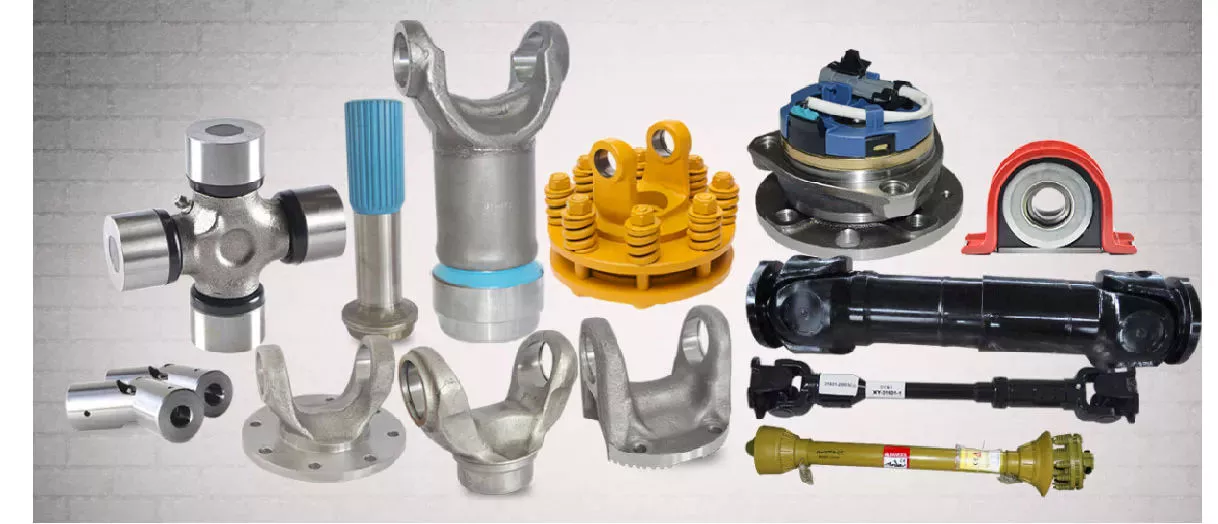
What factors should be considered when selecting the right drive shaft for an application?
When selecting the right drive shaft for an application, several factors need to be considered. The choice of drive shaft plays a crucial role in ensuring efficient and reliable power transmission. Here are the key factors to consider:
1. Power and Torque Requirements:
The power and torque requirements of the application are essential considerations. It is crucial to determine the maximum torque that the drive shaft will need to transmit without failure or excessive deflection. This includes evaluating the power output of the engine or power source, as well as the torque demands of the driven components. Selecting a drive shaft with the appropriate diameter, material strength, and design is essential to ensure it can handle the expected torque levels without compromising performance or safety.
2. Operating Speed:
The operating speed of the drive shaft is another critical factor. The rotational speed affects the dynamic behavior of the drive shaft, including the potential for vibration, resonance, and critical speed limitations. It is important to choose a drive shaft that can operate within the desired speed range without encountering excessive vibrations or compromising the structural integrity. Factors such as the material properties, balance, and critical speed analysis should be considered to ensure the drive shaft can handle the required operating speed effectively.
3. Length and Alignment:
The length and alignment requirements of the application must be considered when selecting a drive shaft. The distance between the engine or power source and the driven components determines the required length of the drive shaft. In situations where there are significant variations in length or operating angles, telescopic drive shafts or multiple drive shafts with appropriate couplings or universal joints may be necessary. Proper alignment of the drive shaft is crucial to minimize vibrations, reduce wear and tear, and ensure efficient power transmission.
4. Space Limitations:
The available space within the application is an important factor to consider. The drive shaft must fit within the allocated space without interfering with other components or structures. It is essential to consider the overall dimensions of the drive shaft, including length, diameter, and any additional components such as joints or couplings. In some cases, custom or compact drive shaft designs may be required to accommodate space limitations while maintaining adequate power transmission capabilities.
5. Environmental Conditions:
The environmental conditions in which the drive shaft will operate should be evaluated. Factors such as temperature, humidity, corrosive agents, and exposure to contaminants can impact the performance and lifespan of the drive shaft. It is important to select materials and coatings that can withstand the specific environmental conditions to prevent corrosion, degradation, or premature failure of the drive shaft. Special considerations may be necessary for applications exposed to extreme temperatures, water, chemicals, or abrasive substances.
6. Application Type and Industry:
The specific application type and industry requirements play a significant role in drive shaft selection. Different industries, such as automotive, aerospace, industrial machinery, agriculture, or marine, have unique demands that need to be addressed. Understanding the specific needs and operating conditions of the application is crucial in determining the appropriate drive shaft design, materials, and performance characteristics. Compliance with industry standards and regulations may also be a consideration in certain applications.
7. Maintenance and Serviceability:
The ease of maintenance and serviceability should be taken into account. Some drive shaft designs may require periodic inspection, lubrication, or replacement of components. Considering the accessibility of the drive shaft and associated maintenance requirements can help minimize downtime and ensure long-term reliability. Easy disassembly and reassembly of the drive shaft can also be beneficial for repair or component replacement.
By carefully considering these factors, one can select the right drive shaft for an application that meets the power transmission needs, operating conditions, and durability requirements, ultimately ensuring optimal performance and reliability.
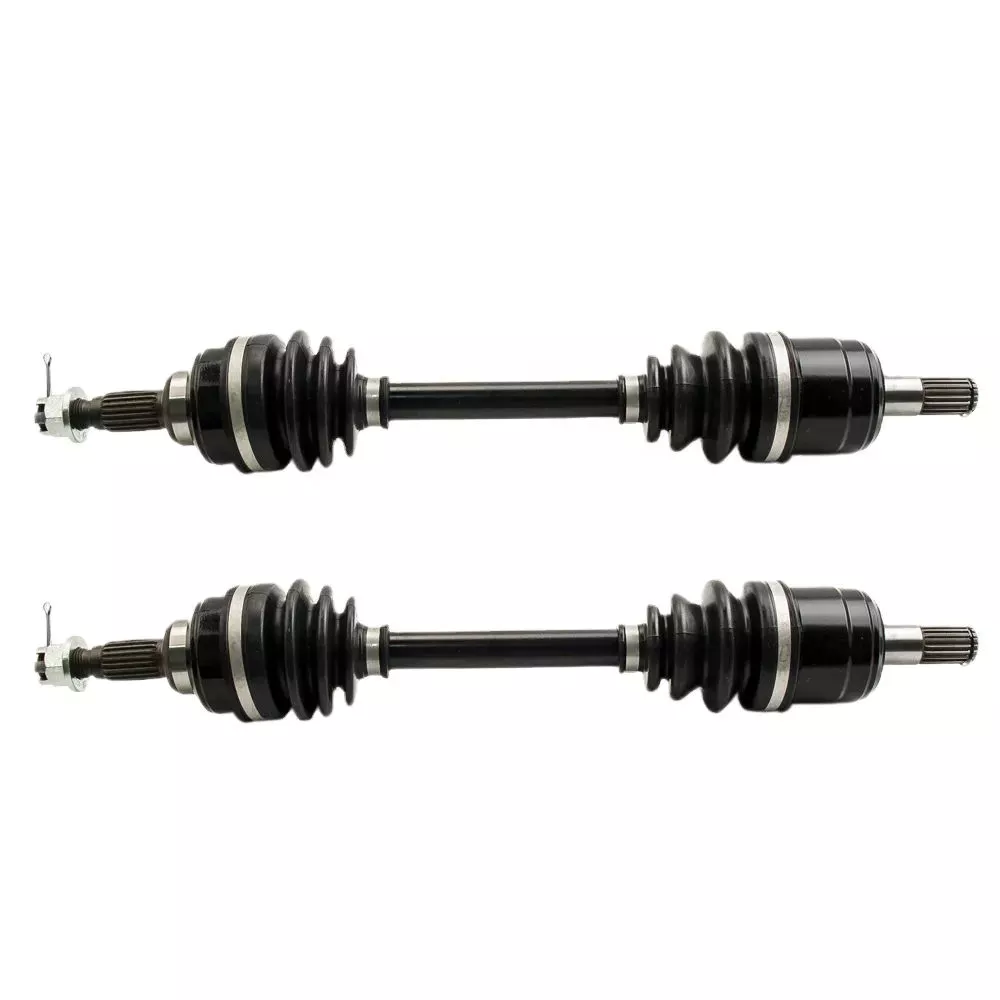
구동축 작업 시 어떤 안전 수칙을 준수해야 합니까?
구동축 작업 시에는 사고, 부상 및 장비 손상을 방지하기 위해 특정 안전 수칙을 준수해야 합니다. 구동축은 차량이나 기계의 구동계통에서 매우 중요한 부품이며, 제대로 다루지 않으면 위험을 초래할 수 있습니다. 구동축 작업 시 따라야 할 안전 수칙에 대한 자세한 설명은 다음과 같습니다.
1. 개인 보호 장비(PPE):
구동축 작업 시에는 항상 적절한 개인 보호 장비를 착용하십시오. 여기에는 보안경, 장갑, 안전화(강철 토캡 포함) 및 보호복이 포함될 수 있습니다. 개인 보호 장비는 비산물, 날카로운 모서리 또는 움직이는 부품과의 우발적인 접촉으로 인한 부상으로부터 보호하는 데 도움이 됩니다.
2. 잠금/태그아웃 절차:
구동축 작업을 시작하기 전에 전원 공급 장치를 적절히 차단하고 태그를 부착해야 합니다. 이는 엔진을 끄거나 전원을 차단하는 등의 방법으로 전원을 차단하고, 잠금/태그 부착 장치를 사용하여 고정하는 것을 의미합니다. 이렇게 하면 정비 또는 수리 작업 중 구동축이 실수로 작동하는 것을 방지할 수 있습니다.
3. 차량 또는 장비 지원:
차량이나 장비의 구동축을 다룰 때는 예기치 않은 움직임을 방지하기 위해 적절한 지지 장치를 사용해야 합니다. 구동축을 탈거하거나 설치하는 동안 차량이 굴러가거나 움직이지 않도록 차량 바퀴를 단단히 고정하거나 지지대를 사용하십시오. 이는 안정성을 유지하고 사고 위험을 줄이는 데 도움이 됩니다.
4. 올바른 물건 들기 자세:
무거운 구동축을 다룰 때는 무리한 힘을 주거나 부상을 방지하기 위해 올바른 리프팅 기술을 사용해야 합니다. 호이스트나 잭과 같은 적절한 리프팅 장비를 이용하여 들어 올리고, 하중이 고르게 분산되고 단단히 고정되었는지 확인하십시오. 무거운 구동축을 손으로 들어 올리거나 부적절한 리프팅 장비를 사용하는 것은 사고와 부상으로 이어질 수 있으므로 피해야 합니다.
5. 점검 및 유지보수:
구동축 작업을 시작하기 전에 손상, 마모 또는 정렬 불량의 징후가 있는지 꼼꼼히 검사하십시오. 이상이 발견되면 작업을 진행하기 전에 자격을 갖춘 기술자 또는 엔지니어와 상담하십시오. 구동축이 양호한 작동 상태를 유지하려면 정기적인 유지 보수가 필수적입니다. 고장이나 오작동 위험을 최소화하려면 제조업체에서 권장하는 유지 보수 일정 및 절차를 따르십시오.
6. 적절한 도구 및 장비:
구동축 작업 시에는 반드시 전용 공구와 장비를 사용하십시오. 부적절한 공구나 임시방편적인 해결책은 사고나 구동축 손상을 초래할 수 있습니다. 공구가 양호한 상태이고, 작업에 적합한 크기인지 확인하십시오. 특수 공구나 장비를 사용할 때는 제조업체의 지침과 설명서를 반드시 따르십시오.
7. 저장된 에너지의 제어된 방출:
일부 구동축, 특히 비틀림 댐퍼나 기타 에너지 저장 부품이 있는 구동축은 전원이 차단된 후에도 에너지를 저장할 수 있습니다. 이러한 구동축을 작업할 때는 주의를 기울이고 분해 또는 제거 전에 저장된 에너지를 안전하게 방출해야 합니다.
8. 교육 및 전문성:
구동축 관련 작업은 필요한 교육, 지식 및 전문성을 갖춘 사람만 수행해야 합니다. 구동축에 대한 지식이 부족하거나 필요한 기술이 없는 경우, 자격을 갖춘 기술자 또는 전문가의 도움을 받으십시오. 구동축을 부적절하게 취급하거나 설치하면 사고, 손상 또는 성능 저하가 발생할 수 있습니다.
9. 제조업체의 지침을 따르십시오:
작업 중인 구동축에 대한 제조업체의 지침, 설명서 및 경고를 항상 준수하십시오. 이러한 지침은 설치, 유지 관리 및 안전 고려 사항에 대한 중요한 정보를 제공합니다. 제조업체의 권장 사항을 따르지 않을 경우 안전상의 문제가 발생하거나 보증이 무효화될 수 있습니다.
10. 오래되거나 손상된 구동축 폐기:
오래되거나 손상된 구동축은 지역 규정 및 환경 지침에 따라 폐기하십시오. 부적절한 폐기는 환경에 부정적인 영향을 미칠 수 있으며 법적 요건을 위반할 수 있습니다. 적절한 폐기 방법을 준수하려면 지역 폐기물 관리 당국이나 재활용 센터에 문의하십시오.
이러한 안전 수칙을 준수함으로써 개인은 구동축 작업과 관련된 위험을 최소화하고 안전한 작업 환경을 조성할 수 있습니다. 구동축의 적절한 취급 및 유지 관리를 위해서는 개인 안전을 최우선으로 생각하고, 적절한 장비와 기술을 사용하며, 필요할 경우 전문가의 도움을 구하는 것이 매우 중요합니다.
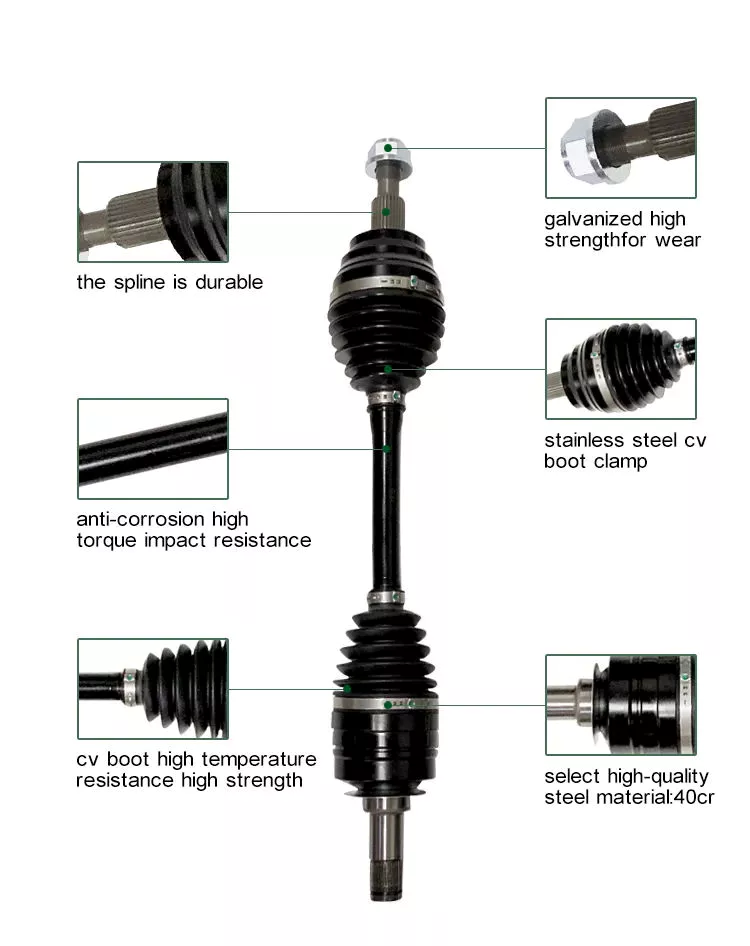
Can you explain the different types of drive shafts and their specific applications?
Drive shafts come in various types, each designed to suit specific applications and requirements. The choice of drive shaft depends on factors such as the type of vehicle or equipment, power transmission needs, space limitations, and operating conditions. Here’s an explanation of the different types of drive shafts and their specific applications:
1. Solid Shaft:
A solid shaft, also known as a one-piece or solid-steel drive shaft, is a single, uninterrupted shaft that runs from the engine or power source to the driven components. It is a simple and robust design used in many applications. Solid shafts are commonly found in rear-wheel-drive vehicles, where they transmit power from the transmission to the rear axle. They are also used in industrial machinery, such as pumps, generators, and conveyors, where a straight and rigid power transmission is required.
2. Tubular Shaft:
Tubular shafts, also called hollow shafts, are drive shafts with a cylindrical tube-like structure. They are constructed with a hollow core and are typically lighter than solid shafts. Tubular shafts offer benefits such as reduced weight, improved torsional stiffness, and better damping of vibrations. They find applications in various vehicles, including cars, trucks, and motorcycles, as well as in industrial equipment and machinery. Tubular drive shafts are commonly used in front-wheel-drive vehicles, where they connect the transmission to the front wheels.
3. Constant Velocity (CV) Shaft:
Constant Velocity (CV) shafts are specifically designed to handle angular movement and maintain a constant velocity between the engine/transmission and the driven components. They incorporate CV joints at both ends, which allow flexibility and compensation for changes in angle. CV shafts are commonly used in front-wheel-drive and all-wheel-drive vehicles, as well as in off-road vehicles and certain heavy machinery. The CV joints enable smooth power transmission even when the wheels are turned or the suspension moves, reducing vibrations and improving overall performance.
4. Slip Joint Shaft:
Slip joint shafts, also known as telescopic shafts, consist of two or more tubular sections that can slide in and out of each other. This design allows for length adjustment, accommodating changes in distance between the engine/transmission and the driven components. Slip joint shafts are commonly used in vehicles with long wheelbases or adjustable suspension systems, such as some trucks, buses, and recreational vehicles. By providing flexibility in length, slip joint shafts ensure a constant power transfer, even when the vehicle chassis experiences movement or changes in suspension geometry.
5. Double Cardan Shaft:
A double Cardan shaft, also referred to as a double universal joint shaft, is a type of drive shaft that incorporates two universal joints. This configuration helps to reduce vibrations and minimize the operating angles of the joints, resulting in smoother power transmission. Double Cardan shafts are commonly used in heavy-duty applications, such as trucks, off-road vehicles, and agricultural machinery. They are particularly suitable for applications with high torque requirements and large operating angles, providing enhanced durability and performance.
6. Composite Shaft:
Composite shafts are made from composite materials such as carbon fiber or fiberglass, offering advantages such as reduced weight, improved strength, and resistance to corrosion. Composite drive shafts are increasingly being used in high-performance vehicles, sports cars, and racing applications, where weight reduction and enhanced power-to-weight ratio are critical. The composite construction allows for precise tuning of stiffness and damping characteristics, resulting in improved vehicle dynamics and drivetrain efficiency.
7. PTO Shaft:
Power Take-Off (PTO) shafts are specialized drive shafts used in agricultural machinery and certain industrial equipment. They are designed to transfer power from the engine or power source to various attachments, such as mowers, balers, or pumps. PTO shafts typically have a splined connection at one end to connect to the power source and a universal joint at the other end to accommodate angular movement. They are characterized by their ability to transmit high torque levels and their compatibility with a range of driven implements.
8. Marine Shaft:
Marine shafts, also known as propeller shafts or tail shafts, are specifically designed for marine vessels. They transmit power from the engine to the propeller, enabling propulsion. Marine shafts are usually long and operate in a harsh environment, exposed to water, corrosion, and high torque loads. They are typically made of stainless steel or other corrosion-resistant materials and are designed to withstand the challenging conditions encountered in marine applications.
It’simportant to note that the specific applications of drive shafts may vary depending on the vehicle or equipment manufacturer, as well as the specific design and engineering requirements. The examples provided above highlight common applications for each type of drive shaft, but there may be additional variations and specialized designs based on specific industry needs and technological advancements.


editor by CX 2024-01-15























