
제품 설명
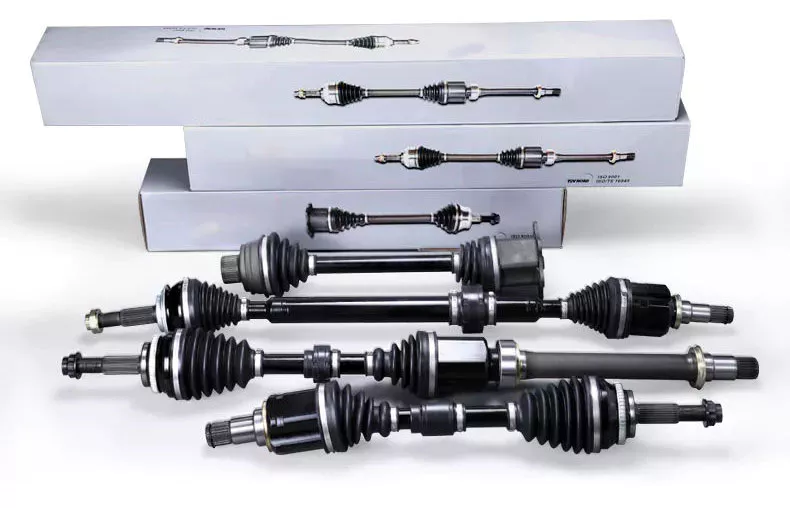
PROPELLER SHAFT manufacturer & supplier – CZPT is your best choice
We have +7/8822 0571 8
45710-S10-A01
12344543
27111-SC571
936-571
45710-S9A-E01
936-911
27111-AJ13D
936-034
45710-S9A-J01
936-916
27101-84C00
for MITSUBISHI/NISSAN
for TOYOTA
CARDONE
OE
CARDONE
OE
65-3009
MR580626
65-5007
37140-35180
65-6000
3401A571
65-9842
37140-35040
65-9480
37000-JM14A
65-5571
37100-3D250
65-9478
37000-S3805
65-5030
37100-34120
65-6004
37000-S4203
65-9265
37110-3D070
65-6571
37041-90062
65-9376
37110-35880
936-262
37041-90014
65-5571
37110-3D220
938-030
37300-F3600
65-5571
37100-34111
936-363
37000-7C002
65-5018
37110-3D060
938-200
37000-7C001
65-5012
37100-5712
For KOREA CAR
for HYUNDAI/KIA
CARDONE
OE
CARDONE
OE
65-3502
49571-H1031
936-211
49100-3E450
65-3503
49300-2S000
936-210
49100-3E400
65-3500
49300-0L000
936-200
49300-2P500
—- F A Q —-
Q1: If we don’t find what we need on your website, what should we do?
You can send us the OE number or of the product you need, we will check if we have them.
We also develop new models according to customer’s need;
you can contact us for more detail.
Q2: Can I get a price discount if I order large quantities?
Yes, it depends on your purchasing quantity, more quantity more discount.
Q3: What about the delivery time?
If we have stock, we can send you the goods within 3 working days,
if we don’t have stock, generally it needs 10 to 40 days.
Q4: What’s our MOQ?
Sample order for quality testing 1 piece , normal order 50 pieces for 1 order with mixed models .
Q5: What’s your payment terms and condition ?
We can accept T/T , LC, Trade Assurance, Western Union, Paypal, Moneygram ect.
| 판매 후 서비스: | 1년 |
|---|---|
| 상태: | 새로운 |
| 색상: | Black |
| 인증: | ISO, Ts16949 |
| 유형: | 구동축 |
| Application Brand: | Nissan, Toyota, Ford, BMW |
| 샘플: |
US$ 300/Piece
1개 (최소 주문 수량) | |
|---|
| 맞춤 설정: |
사용 가능
| 맞춤형 요청 |
|---|
What maintenance practices are crucial for prolonging the lifespan of drive shafts?
To prolong the lifespan of drive shafts and ensure their optimal performance, several maintenance practices are crucial. Regular maintenance helps identify and address potential issues before they escalate, reduces wear and tear, and ensures the drive shaft operates smoothly and efficiently. Here are some essential maintenance practices for prolonging the lifespan of drive shafts:
1. Regular Inspection:
Performing regular inspections is vital for detecting any signs of wear, damage, or misalignment. Inspect the drive shaft visually, looking for cracks, dents, or any signs of excessive wear on the shaft itself and its associated components such as joints, yokes, and splines. Check for any signs of lubrication leaks or contamination. Additionally, inspect the fasteners and mounting points to ensure they are secure. Early detection of any issues allows for timely repairs or replacements, preventing further damage to the drive shaft.
2. Lubrication:
Proper lubrication is essential for the smooth operation and longevity of drive shafts. Lubricate the joints, such as universal joints or constant velocity joints, as recommended by the manufacturer. Lubrication reduces friction, minimizes wear, and helps dissipate heat generated during operation. Use the appropriate lubricant specified for the specific drive shaft and application, considering factors such as temperature, load, and operating conditions. Regularly check the lubrication levels and replenish as necessary to ensure optimal performance and prevent premature failure.
3. Balancing and Alignment:
Maintaining proper balancing and alignment is crucial for the lifespan of drive shafts. Imbalances or misalignments can lead to vibrations, accelerated wear, and potential failure. If vibrations or unusual noises are detected during operation, it is important to address them promptly. Perform balancing procedures as necessary, including dynamic balancing, to ensure even weight distribution along the drive shaft. Additionally, verify that the drive shaft is correctly aligned with the engine or power source and the driven components. Misalignment can cause excessive stress on the drive shaft, leading to premature failure.
4. Protective Coatings:
Applying protective coatings can help prolong the lifespan of drive shafts, particularly in applications exposed to harsh environments or corrosive substances. Consider using coatings such as zinc plating, powder coating, or specialized corrosion-resistant coatings to enhance the drive shaft’s resistance to corrosion, rust, and chemical damage. Regularly inspect the coating for any signs of degradation or damage, and reapply or repair as necessary to maintain the protective barrier.
5. Torque and Fastener Checks:
Ensure that the drive shaft’s fasteners, such as bolts, nuts, or clamps, are properly torqued and secured according to the manufacturer’s specifications. Loose or improperly tightened fasteners can lead to excessive vibrations, misalignment, or even detachment of the drive shaft. Periodically check and retighten the fasteners as recommended or after any maintenance or repair procedures. Additionally, monitor the torque levels during operation to ensure they remain within the specified range, as excessive torque can strain the drive shaft and lead to premature failure.
6. Environmental Protection:
Protecting the drive shaft from environmental factors can significantly extend its lifespan. In applications exposed to extreme temperatures, moisture, chemicals, or abrasive substances, take appropriate measures to shield the drive shaft. This may include using protective covers, seals, or guards to prevent contaminants from entering and causing damage. Regular cleaning of the drive shaft, especially in dirty or corrosive environments, can also help remove debris and prevent buildup that could compromise its performance and longevity.
7. Manufacturer Guidelines:
Follow the manufacturer’s guidelines and recommendations for maintenance practices specific to the drive shaft model and application. The manufacturer’s instructions may include specific intervals for inspections, lubrication, balancing, or other maintenance tasks. Adhering to these guidelines ensures that the drive shaft is properly maintained and serviced, maximizing its lifespan and minimizing the risk of unexpected failures.
By implementing these maintenance practices, drive shafts can operate reliably, maintain efficient power transmission, and have an extended service life, ultimately reducing downtime and ensuring optimal performance in various applications.

구동축 작업 시 어떤 안전 수칙을 준수해야 합니까?
구동축 작업 시에는 사고, 부상 및 장비 손상을 방지하기 위해 특정 안전 수칙을 준수해야 합니다. 구동축은 차량이나 기계의 구동계통에서 매우 중요한 부품이며, 제대로 다루지 않으면 위험을 초래할 수 있습니다. 구동축 작업 시 따라야 할 안전 수칙에 대한 자세한 설명은 다음과 같습니다.
1. 개인 보호 장비(PPE):
구동축 작업 시에는 항상 적절한 개인 보호 장비를 착용하십시오. 여기에는 보안경, 장갑, 안전화(강철 토캡 포함) 및 보호복이 포함될 수 있습니다. 개인 보호 장비는 비산물, 날카로운 모서리 또는 움직이는 부품과의 우발적인 접촉으로 인한 부상으로부터 보호하는 데 도움이 됩니다.
2. 잠금/태그아웃 절차:
구동축 작업을 시작하기 전에 전원 공급 장치를 적절히 차단하고 태그를 부착해야 합니다. 이는 엔진을 끄거나 전원을 차단하는 등의 방법으로 전원을 차단하고, 잠금/태그 부착 장치를 사용하여 고정하는 것을 의미합니다. 이렇게 하면 정비 또는 수리 작업 중 구동축이 실수로 작동하는 것을 방지할 수 있습니다.
3. 차량 또는 장비 지원:
차량이나 장비의 구동축을 다룰 때는 예기치 않은 움직임을 방지하기 위해 적절한 지지 장치를 사용해야 합니다. 구동축을 탈거하거나 설치하는 동안 차량이 굴러가거나 움직이지 않도록 차량 바퀴를 단단히 고정하거나 지지대를 사용하십시오. 이는 안정성을 유지하고 사고 위험을 줄이는 데 도움이 됩니다.
4. 올바른 물건 들기 자세:
무거운 구동축을 다룰 때는 무리한 힘을 주거나 부상을 방지하기 위해 올바른 리프팅 기술을 사용해야 합니다. 호이스트나 잭과 같은 적절한 리프팅 장비를 이용하여 들어 올리고, 하중이 고르게 분산되고 단단히 고정되었는지 확인하십시오. 무거운 구동축을 손으로 들어 올리거나 부적절한 리프팅 장비를 사용하는 것은 사고와 부상으로 이어질 수 있으므로 피해야 합니다.
5. 점검 및 유지보수:
구동축 작업을 시작하기 전에 손상, 마모 또는 정렬 불량의 징후가 있는지 꼼꼼히 검사하십시오. 이상이 발견되면 작업을 진행하기 전에 자격을 갖춘 기술자 또는 엔지니어와 상담하십시오. 구동축이 양호한 작동 상태를 유지하려면 정기적인 유지 보수가 필수적입니다. 고장이나 오작동 위험을 최소화하려면 제조업체에서 권장하는 유지 보수 일정 및 절차를 따르십시오.
6. 적절한 도구 및 장비:
구동축 작업 시에는 반드시 전용 공구와 장비를 사용하십시오. 부적절한 공구나 임시방편적인 해결책은 사고나 구동축 손상을 초래할 수 있습니다. 공구가 양호한 상태이고, 작업에 적합한 크기인지 확인하십시오. 특수 공구나 장비를 사용할 때는 제조업체의 지침과 설명서를 반드시 따르십시오.
7. 저장된 에너지의 제어된 방출:
일부 구동축, 특히 비틀림 댐퍼나 기타 에너지 저장 부품이 있는 구동축은 전원이 차단된 후에도 에너지를 저장할 수 있습니다. 이러한 구동축을 작업할 때는 주의를 기울이고 분해 또는 제거 전에 저장된 에너지를 안전하게 방출해야 합니다.
8. 교육 및 전문성:
구동축 관련 작업은 필요한 교육, 지식 및 전문성을 갖춘 사람만 수행해야 합니다. 구동축에 대한 지식이 부족하거나 필요한 기술이 없는 경우, 자격을 갖춘 기술자 또는 전문가의 도움을 받으십시오. 구동축을 부적절하게 취급하거나 설치하면 사고, 손상 또는 성능 저하가 발생할 수 있습니다.
9. 제조업체의 지침을 따르십시오:
작업 중인 구동축에 대한 제조업체의 지침, 설명서 및 경고를 항상 준수하십시오. 이러한 지침은 설치, 유지 관리 및 안전 고려 사항에 대한 중요한 정보를 제공합니다. 제조업체의 권장 사항을 따르지 않을 경우 안전상의 문제가 발생하거나 보증이 무효화될 수 있습니다.
10. 오래되거나 손상된 구동축 폐기:
오래되거나 손상된 구동축은 지역 규정 및 환경 지침에 따라 폐기하십시오. 부적절한 폐기는 환경에 부정적인 영향을 미칠 수 있으며 법적 요건을 위반할 수 있습니다. 적절한 폐기 방법을 준수하려면 지역 폐기물 관리 당국이나 재활용 센터에 문의하십시오.
이러한 안전 수칙을 준수함으로써 개인은 구동축 작업과 관련된 위험을 최소화하고 안전한 작업 환경을 조성할 수 있습니다. 구동축의 적절한 취급 및 유지 관리를 위해서는 개인 안전을 최우선으로 생각하고, 적절한 장비와 기술을 사용하며, 필요할 경우 전문가의 도움을 구하는 것이 매우 중요합니다.
Are there variations in drive shaft designs for different types of machinery?
Yes, there are variations in drive shaft designs to cater to the specific requirements of different types of machinery. The design of a drive shaft is influenced by factors such as the application, power transmission needs, space limitations, operating conditions, and the type of driven components. Here’s an explanation of how drive shaft designs can vary for different types of machinery:
1. Automotive Applications:
In the automotive industry, drive shaft designs can vary depending on the vehicle’s configuration. Rear-wheel-drive vehicles typically use a single-piece or two-piece drive shaft, which connects the transmission or transfer case to the rear differential. Front-wheel-drive vehicles often use a different design, employing a drive shaft that combines with the constant velocity (CV) joints to transmit power to the front wheels. All-wheel-drive vehicles may have multiple drive shafts to distribute power to all wheels. The length, diameter, material, and joint types can differ based on the vehicle’s layout and torque requirements.
2. Industrial Machinery:
Drive shaft designs for industrial machinery depend on the specific application and power transmission requirements. In manufacturing machinery, such as conveyors, presses, and rotating equipment, drive shafts are designed to transfer power efficiently within the machine. They may incorporate flexible joints or use a splined or keyed connection to accommodate misalignment or allow for easy disassembly. The dimensions, materials, and reinforcement of the drive shaft are selected based on the torque, speed, and operating conditions of the machinery.
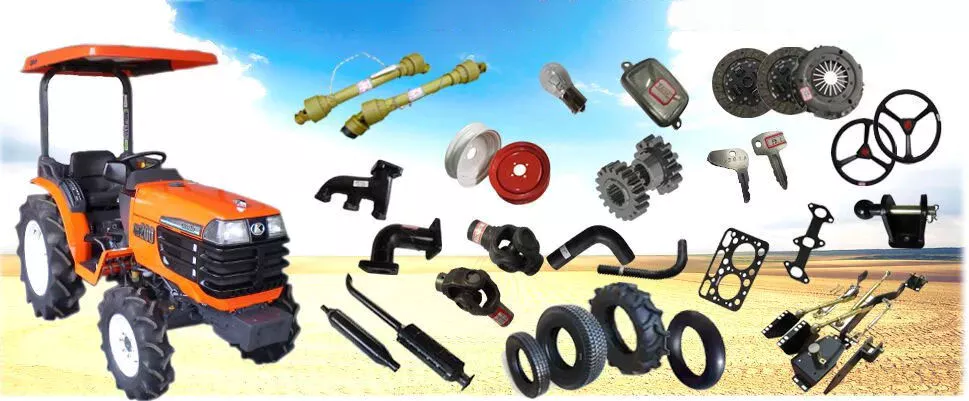
3. Agriculture and Farming:
Agricultural machinery, such as tractors, combines, and harvesters, often requires drive shafts that can handle high torque loads and varying operating angles. These drive shafts are designed to transmit power from the engine to attachments and implements, such as mowers, balers, tillers, and harvesters. They may incorporate telescopic sections to accommodate adjustable lengths, flexible joints to compensate for misalignment during operation, and protective shielding to prevent entanglement with crops or debris.
4. Construction and Heavy Equipment:
Construction and heavy equipment, including excavators, loaders, bulldozers, and cranes, require robust drive shaft designs capable of transmitting power in demanding conditions. These drive shafts often have larger diameters and thicker walls to handle high torque loads. They may incorporate universal joints or CV joints to accommodate operating angles and absorb shocks and vibrations. Drive shafts in this category may also have additional reinforcements to withstand the harsh environments and heavy-duty applications associated with construction and excavation.
5. Marine and Maritime Applications:
Drive shaft designs for marine applications are specifically engineered to withstand the corrosive effects of seawater and the high torque loads encountered in marine propulsion systems. Marine drive shafts are typically made from stainless steel or other corrosion-resistant materials. They may incorporate flexible couplings or dampening devices to reduce vibration and mitigate the effects of misalignment. The design of marine drive shafts also considers factors such as shaft length, diameter, and support bearings to ensure reliable power transmission in marine vessels.
6. Mining and Extraction Equipment:
In the mining industry, drive shafts are used in heavy machinery and equipment such as mining trucks, excavators, and drilling rigs. These drive shafts need to withstand extremely high torque loads and harsh operating conditions. Drive shaft designs for mining applications often feature larger diameters, thicker walls, and specialized materials such as alloy steel or composite materials. They may incorporate universal joints or CV joints to handle operating angles, and they are designed to be resistant to abrasion and wear.
These examples highlight the variations in drive shaft designs for different types of machinery. The design considerations take into account factors such as power requirements, operating conditions, space constraints, alignment needs, and the specific demands of the machinery or industry. By tailoring the drive shaft design to the unique requirements of each application, optimal power transmission efficiency and reliability can be achieved.


editor by CX 2023-09-22























