
製品説明
Customized pto shaft for Tractor
1. チューブまたはパイプ
当社では、提供している全シリーズについて、三角形断面のチューブとレモン型断面のチューブを既にご用意しております。
また、お客様からご要望いただいたスターチューブ、スプラインチューブ、その他の異形チューブもご用意しております(特定のシリーズ向け)。(カタログには当社が製造するすべての製品が掲載されているわけではありませんのでご注意ください。)
三角形やレモン型以外のチューブをご希望の場合は、図面または写真をご提供ください。
2.エンドヨーク
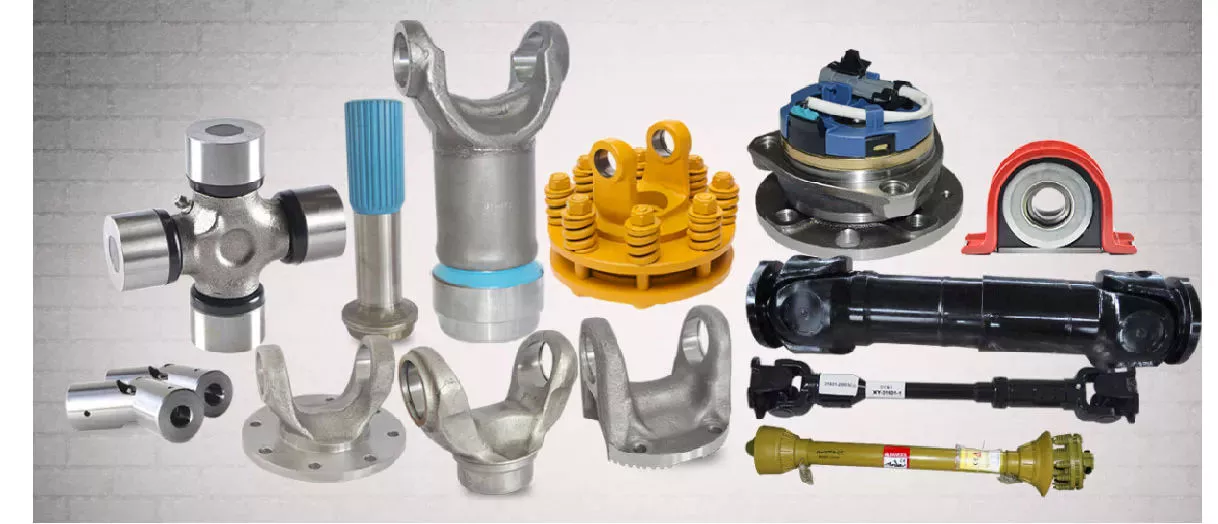
クイックリリース式ヨークとプレーンボア式ヨークは数種類ございます。参考までに、一般的なタイプをご紹介いたします。
カタログに掲載されていない商品をお探しの場合は、図面や写真をお送りいただくことも可能です。
3. 安全装置またはクラッチ
ご参考までに、安全装置の詳細を添付いたします。弊社では既に、フリーホイール(RA)、ラチェット式トルクリミッター(SA)、せん断ボルト式トルクリミッター(SB)、3種類の摩擦式トルクリミッター(FF、FFS、FCS)、およびオーバーランニングカプラー(アダプター)(FAS)をご用意しております。
4.プラスチックガード、接続方法、塗装色、パッケージなど、その他の特別なご要望がございましたら、お気軽にお知らせください。
特徴:
1. 当社は長年にわたり、米国、ヨーロッパ、オーストラリアなどに輸出されているドライブシャフト、ステアリングカプラーシャフト、ユニバーサルジョイントの設計・製造を専門としています。
2. あらゆる種類の一般的な機械的状況への適用
3. 当社製品は高強度かつ高剛性です。
4. 耐熱性および耐酸性
5. OEM注文も歓迎します
当社工場は、PTOシャフトヨークおよびユニバーサルジョイントの大手メーカーです。
当社は、各種車両、建設機械、設備向けに高品質のPTOヨークを製造しています。すべての製品は回転式軽量構造となっています。
現在、弊社製品は世界各国、特に北米、南米、ヨーロッパ、ロシアへ輸出しております。ご興味のある商品がございましたら、お気軽にお問い合わせください。CHINAMFGは近い将来、貴社のサプライヤーとなれることを願っております。
| タイプ: | フォーク |
|---|---|
| 使用法: | 農産物加工、農地インフラ整備、耕起、収穫機、播種・施肥、穀物脱穀、洗浄・乾燥 |
| 材料: | 炭素鋼 |
| カスタマイズ: |
利用可能
| カスタマイズされたリクエスト |
|---|
.shipping-cost-tm .tm-status-off{background: none;padding:0;color: #1470cc}
| 送料:
単位当たりの推定運賃。 |
送料と配達予定日について。 |
|---|
| 支払方法: |
|
|---|---|
|
初回支払い 全額支払い |
| 通貨: | US$ |
|---|
| 返品・返金: | 商品到着後30日以内であれば、返金を申請できます。 |
|---|
Are there variations in PTO shaft designs for different types of machinery?
Yes, there are variations in PTO (Power Take-Off) shaft designs to accommodate the specific requirements of different types of machinery. PTO shafts are highly versatile and adaptable components used to transfer power from a power source, such as a tractor or engine, to driven machinery or equipment. The design variations in PTO shafts are necessary to ensure compatibility, efficiency, and safety in various applications. Here’s a detailed explanation of the different PTO shaft designs for different types of machinery:
1. Standard PTO Shafts: Standard PTO shafts are the most common design and are widely used in a variety of applications. They typically consist of a solid steel shaft with a universal joint at each end. These universal joints allow for angular misalignment between the power source and the driven machinery. Standard PTO shafts are suitable for applications where the distance between the power source and the driven machinery remains relatively fixed. They are commonly used in agricultural implements, such as mowers, balers, tillers, and seeders, as well as in industrial applications.
2. Telescopic PTO Shafts: Telescopic PTO shafts feature a telescoping design that allows for length adjustment. These shafts consist of two or more concentric shafts that can slide within each other. Telescopic PTO shafts are beneficial in applications where the distance between the power source and the driven machinery varies. By adjusting the length of the shaft, operators can ensure proper power transmission without the risk of the shaft dragging on the ground or being too short to reach the equipment. Telescopic PTO shafts are commonly used in front-mounted implements, snow blowers, self-loading wagons, and other applications where the distance between the power source and the implement changes.
3. CV (Constant Velocity) PTO Shafts: CV PTO shafts incorporate Constant Velocity joints to accommodate misalignment and angular variations. These joints maintain a constant speed and torque transfer even when the driven machinery is at an angle relative to the power source. CV PTO shafts are beneficial in applications where the driven machinery requires flexibility and a wide range of movement. They are commonly used in articulated loaders, telescopic handlers, self-propelled sprayers, and other equipment that requires continuous power transmission while operating at various angles.
4. Gearbox Driven PTO Shafts: Some machinery requires specific speed or torque ratios between the power source and the driven equipment. In such cases, PTO shafts may incorporate gearbox systems. Gearbox driven PTO shafts allow for speed reduction or increase and can change the rotational direction if necessary. The gear ratios in the gearbox can be adjusted to match the speed and torque requirements of the driven machinery. These PTO shafts are commonly used in applications where the power source operates at a different speed or torque level than the equipment it drives, such as in certain industrial manufacturing processes and specialized machinery.
5. High-Torque PTO Shafts: Some heavy-duty machinery requires high torque levels for power transmission. High-torque PTO shafts are designed to handle these demanding applications. They are constructed with reinforced components, including larger diameter shafts and heavier-duty universal joints, to withstand the increased torque requirements. High-torque PTO shafts are commonly used in equipment such as wood chippers, crushers, and heavy-duty agricultural implements that require substantial power and torque for their operation.
6. Safety PTO Shafts: Safety is a crucial consideration when using PTO shafts. Safety PTO shafts incorporate mechanisms to reduce the risk of accidents and injuries. One common safety feature is the use of protective guards that cover the rotating shaft to prevent accidental contact. These guards are typically made of metal or plastic and are designed to shield the rotating components while allowing the necessary movement for power transmission. Safety PTO shafts are used in various applications where the risk of entanglement or accidental contact with the rotating shaft is high, such as in grass mowers, rotary cutters, and other equipment used in landscaping and agriculture.
These are some of the key variations in PTO shaft designs for different types of machinery. The specific design used depends on factors such as the application requirements, power source characteristics, torque levels, movement flexibility, and safety considerations. PTO shaft manufacturers offer a range of designs to ensure compatibility and efficient power transmission in diverse industries and applications.

What safety precautions should be followed when working with PTO shafts?
Working with Power Take-Off (PTO) shafts requires strict adherence to safety precautions to prevent accidents and ensure the well-being of individuals operating or working in the vicinity of the equipment. PTO shafts involve rotating machinery and can pose significant hazards if not handled properly. Here are several important safety precautions that should be followed when working with PTO shafts:
1. Familiarize Yourself with the Equipment: Prior to operating or working near a PTO shaft, it is crucial to thoroughly understand the equipment’s operation, including the specific PTO shaft configuration, safety features, and any associated machinery. Read and follow the manufacturer’s instructions and safety guidelines pertaining to the PTO shaft and associated equipment. Training and familiarity with the equipment are essential to ensure safe practices.
2. Wear Appropriate Personal Protective Equipment (PPE): When working with PTO shafts, individuals should wear appropriate personal protective equipment to minimize the risk of injury. This may include safety glasses, hearing protection, gloves, and sturdy footwear. PPE protects against potential hazards such as flying debris, noise, and accidental contact with rotating components.
3. Guarding and Shielding: Ensure that the PTO shaft and associated machinery are equipped with appropriate guarding and shielding. Guarding helps prevent accidental contact with rotating parts, reducing the risk of entanglement or injury. PTO shafts should have guard shields covering the rotating shaft and any exposed universal joints. Machinery driven by the PTO shaft should also have adequate guarding in place to protect against contact with moving parts.
4. Securely Fasten and Align PTO Shaft Components: Before operating or connecting the PTO shaft, ensure that all components are securely fastened and aligned. Loose or misaligned components can lead to shaft dislodgement, imbalance, and potential failure. Follow the manufacturer’s guidelines for proper installation and tightening of couplings, yokes, and other connecting points. Proper alignment is crucial to prevent excessive stress, vibrations, and premature wear on the PTO shaft and associated equipment.
5. Avoid Loose Clothing and Jewelry: Loose clothing, jewelry, or other items that can become entangled in the PTO shaft or associated machinery should be avoided. Secure long hair, tuck in loose clothing, and remove or properly secure any dangling accessories. Loose items can get caught in rotating parts, leading to serious injury or entanglement hazards.
6. Do Not Modify or Remove Safety Features: PTO shafts are equipped with safety features such as guard shields, safety covers, and torque limiters for a reason. These features are designed to protect against potential hazards and should not be modified, bypassed, or removed. Altering or disabling safety features can significantly increase the risk of accidents and injury. If any safety features are damaged or not functioning correctly, they should be repaired or replaced promptly.
7. Shut Down Power Source Before Maintenance: Before performing any maintenance, repairs, or adjustments on the PTO shaft or associated machinery, ensure that the power source is completely shut down and disconnected. This includes turning off the engine, disconnecting power supply, and engaging any safety locks or mechanisms. Lockout/tagout procedures should be followed to prevent accidental energization or startup during maintenance activities.
8. Regular Maintenance and Inspection: Regular maintenance and inspection of the PTO shaft and associated equipment are vital for safe operation. Follow the manufacturer’s recommended maintenance schedule and perform routine inspections to identify any signs of wear, damage, or misalignment. Lubricate universal joints as per the manufacturer’s guidelines to ensure smooth operation. Promptly address any maintenance or repair needs to prevent potential hazards.
9. Training and Communication: Ensure that individuals operating or working near PTO shafts receive proper training on safe work practices, hazard identification, and emergency procedures. Promote clear communication regarding the presence and operation of PTO shafts to prevent accidental contact or interference. Establish effective communication methods, such as signals or radios, when working in teams or near noisy equipment.
10. Be Aware of Surroundings: Maintain situational awareness when working with PTO shafts. Be mindful of the location of bystanders, obstacles, and potential hazards. Ensure a clear and safe work area around the PTO shaft. Avoid distractions and focus on the task at hand to prevent accidents caused by inattention.
By following these safety precautions, individuals can minimize the risk of accidents and injuries when working with PTO shafts. Safety should always be the top priority to ensure a safe and productive work environment.

PTOシャフトは、速度やトルクの要求値の変動にどのように対応するのでしょうか?
PTOシャフト(動力取り出し軸)は、動力源(トラクターやエンジンなど)と駆動される機械や装置との間の速度とトルクの要求値の変動に対応するように設計されています。さまざまな機構と部品が組み込まれており、異なる速度とトルクの要求に対応しながら効率的な動力伝達を保証します。PTOシャフトが速度とトルクの要求値の変動にどのように対応するかについて、以下に詳しく説明します。
1. ギアボックスシステム: PTOシャフトには、動力源と駆動機械間の速度とトルクの要件を一致させるために、ギアボックスシステムが組み込まれていることがよくあります。ギアボックスは、速度の減速または加速を可能にし、必要に応じて回転方向を変更することもできます。異なるギア比を使用することで、PTOシャフトは駆動機器の特定の要件に合わせて回転速度とトルク出力を調整できます。ギアボックスシステムにより、PTOシャフトは動力源と駆動機械間の必要な動力と速度の互換性を提供できます。
2. せん断ボルト機構: PTOシャフトの中には、特に急激な過負荷や衝撃荷重が想定される用途において、せん断ボルト機構を採用しているものがあります。これらの機構は、過大なトルクや急激な抵抗が発生した場合にPTOシャフトを切り離すことで、駆動系部品の損傷を防ぐように設計されています。せん断ボルトは特定のトルク閾値で破断するように設計されており、駆動系部品が損傷する前にPTOシャフトが分離することを保証します。せん断ボルト機構を組み込むことで、PTOシャフトはトルク要求の変動に対応でき、機器を保護する安全機能を提供します。
3. 摩擦クラッチ: PTOシャフトには、動力伝達のスムーズな接続と切断を可能にする摩擦クラッチシステムが組み込まれている場合があります。摩擦クラッチは、ディスクとプレッシャープレート機構を使用して動力伝達を制御します。オペレーターは、摩擦ディスクにかかる圧力を調整することで、動力伝達を段階的に接続または切断できます。この機能により、トルク伝達を正確に制御でき、トルク要求の変動に対応しながら、ドライブラインコンポーネントへの衝撃荷重を最小限に抑えることができます。摩擦クラッチは、油圧ポンプ、発電機、産業用ミキサーなど、スムーズな動力接続が不可欠な用途で一般的に使用されています。
4. 等速ジョイント(CVジョイント): 駆動機械が広範囲な可動域や関節運動を必要とする場合、PTOシャフトに等速ジョイント(CVジョイント)を組み込むことがあります。CVジョイントは、動力伝達に影響を与えることなく、PTOシャフトのミスアライメントや角度変動に対応できます。これらのジョイントは、駆動機械が動力源に対して角度をなしている場合でも、スムーズで一定の動力伝達を実現します。CVジョイントは、関節式ローダー、伸縮式ハンドラー、自走式噴霧器など、機械に柔軟性と広範囲な可動域が求められる用途で一般的に使用されています。
5. 伸縮式デザイン: PTOシャフトの中には、長さ調整が可能な伸縮式設計を採用しているものがあります。これらのシャフトは、互いにスライドする2本以上の同心円状のシャフトで構成されており、必要に応じてPTOシャフトを伸縮させることができます。伸縮式設計により、動力源と駆動機械間の距離の変動に対応できます。PTOシャフトの長さを調整することで、オペレーターはシャフトが地面に引きずられたり、機器に届かないほど短すぎたりするリスクを負うことなく、適切な動力伝達を確保できます。伸縮式PTOシャフトは、フロントマウント式作業機、除雪機、自走式ワゴンなど、動力源と作業機間の距離が変化する用途で一般的に使用されています。
これらの機構と設計を取り入れることで、PTOシャフトは速度とトルクの要求値の変動に効果的に対応できます。動力源と駆動機械間の効率的な動力伝達を確保するために必要な柔軟性、安全性、および制御性を提供します。PTOシャフトは、さまざまな機器や用途の特定のニーズに合わせて動力を調整する上で重要な役割を果たします。


editor by CX 2023-11-18























