
製品説明
Specification OF PTO Drive Shaft —Speedway:
We developed and produced many tractor spare parts for Japanese Tractors .
Product Name: Japanese tractor transmission clutch disc parts for B1400 B7000
Tractor Model we can supply: B1500/1400,B5000,B6000, B7000, TU1400, TX1400, TX1500, YM F1401, YM1400 ETC.
The parts for example: Tyres, rim Jante, Kit coupling KB-TX 3 point linkage. Exhaust pipe Steering wheel. Kit coupling YM F14/F15, gear shaft, PTO shaft, PTO cardan, key, regulator ect.
Most of the spare parts are with stock. If you are interested in, please feel easy to contact me.
Other relevant parts for cars or machinery we have made in our workshop are as follows:
Drive shaft parts and assemblies,
Universal joint parts and assemblies,
PTO drive shafts,
Spline shafts,
Slip yokes,
Weld yokes,
Flange yokes,
Steering columns,
Connecting rods,
etc.
製品説明
Pto Drive Shaft Item:
| アイテム | Cross journal size | 540dak-rpm | 1000dak-rpm | |||
| Series 1 | 22mm | 54mm | 12KW | 16HP | 18KW | 25HP |
| Series 2 | 23.8mm | 61.3mm | 15KW | 21HP | 23KW | 31HP |
| Series 3 | 27mm | 70mm | 26KW | 35HP | 40KW | 55HP |
| Series 4 | 27mm | 74.6mm | 26KW | 35HP | 40KW | 55HP |
| Series 5 | 30.2mm | 80mm | 35KW | 47HP | 54KW | 74HP |
| Series 6 | 30.2mm | 92mm | 47KW | 64HP | 74KW | 100HP |
| Series 7 | 30.2mm | 106.5mm | 55KW | 75HP | 87KW | 18HP |
| Series 8 | 35mm | 106.5mm
|
70KW | 95HP | 110KW | 150HP |
| Series 38 | 38mm | 102mm | 70KW | 95HP | 110KW | 150HP |
Company Profile
資格認定
FAQ
/* 2571 年 1 月 22 日 19:08:37 */!function(){function s(e,r){var a,o={};try{e&&e.split(“,”).forEach(function(e,t){e&&(a=e.match(/(.*?):(.*)$/))&&1
| タイプ: | Shaft |
|---|---|
| 使用法: | Agricultural Products Processing, Farmland Infrastructure, Harvester, Planting and Fertilization, Grain Threshing, Cleaning and Drying |
| 材料: | Stainless Steel |
| Power Source: | Pto Dirven Shaft |
| Weight: | 標準 |
| アフターサービス: | 1年 |
| サンプル: |
US$ 300/個
1個(最小注文数) | |
|---|
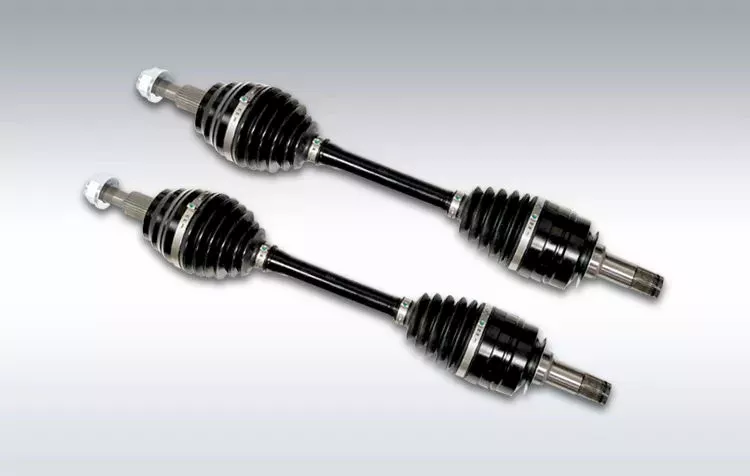
How do PTO shafts handle variations in length and connection methods?
PTO (Power Take-Off) shafts are designed to handle variations in length and connection methods to accommodate different equipment setups and ensure efficient power transfer. PTO shafts need to be adjustable in length to bridge the distance between the power source and the driven machinery. Additionally, they must provide versatile connection methods to connect to a wide range of equipment. Here’s a detailed explanation of how PTO shafts handle variations in length and connection methods:
1. Telescoping Design: PTO shafts often feature a telescoping design, allowing them to be adjusted in length to suit different equipment configurations. The telescoping feature enables the shaft to extend or retract, accommodating varying distances between the power source (such as a tractor or engine) and the driven machinery. By adjusting the length of the PTO shaft, it can be properly aligned and connected to ensure optimal power transfer. Telescoping PTO shafts typically consist of multiple tubular sections that slide into one another, providing flexibility in length adjustment.
2. Splined Shafts: PTO shafts commonly employ splined shafts as the primary connection method between the power source and driven machinery. Splines are a series of ridges or grooves along the shaft that interlock with corresponding grooves in the mating component. The splined connection allows for torque transfer while maintaining alignment between the power source and driven machinery. Splined shafts can handle variations in length by extending or retracting the telescoping sections while still maintaining a solid connection between the power source and the driven equipment.
3. Adjustable Sliding Yokes: PTO shafts typically feature adjustable sliding yokes on one or both ends of the shaft. These yokes allow for angular adjustment, accommodating variations in the alignment between the power source and driven machinery. The sliding yokes can be moved along the splined shaft to achieve the desired angle and maintain proper alignment. This flexibility ensures that the PTO shaft can handle length variations while ensuring efficient power transfer without placing excessive strain on the universal joints or other components.
4. Universal Joints: Universal joints are integral components of PTO shafts that allow for angular misalignment between the power source and driven machinery. They consist of a cross-shaped yoke with bearings that transmit torque between connected shafts while accommodating misalignment. Universal joints provide flexibility in connecting PTO shafts to equipment that may not be perfectly aligned. As the PTO shaft length varies, the universal joints compensate for the changes in angle, allowing for smooth power transmission even when there are variations in length or misalignment between the power source and driven machinery.
5. Coupling Mechanisms: PTO shafts utilize various coupling mechanisms to securely connect to the power source and driven machinery. These mechanisms often involve a combination of splines, bolts, locking pins, or quick-release mechanisms. The coupling methods can vary depending on the specific equipment and industry requirements. The versatility of PTO shafts allows for the use of different coupling methods, ensuring a reliable and secure connection regardless of the length variation or equipment configuration.
6. Customization Options: PTO shafts can be customized to handle specific length variations and connection methods. Manufacturers offer options to select different lengths of telescoping sections to match the specific distance between the power source and driven machinery. Additionally, PTO shafts can be tailored to accommodate various connection methods through the selection of splined shaft sizes, yoke designs, and coupling mechanisms. This customization enables PTO shafts to meet the specific requirements of different equipment setups, ensuring optimal power transfer and compatibility.
7. Safety Considerations: When handling variations in length and connection methods, it is essential to consider safety. PTO shafts incorporate protective guards and shields to prevent accidental contact with rotating components. These safety measures must be appropriately adjusted and installed to provide adequate coverage and protection, regardless of the PTO shaft’s length or connection configuration. Safety guidelines and regulations should be followed to ensure the proper installation, adjustment, and use of PTO shafts in order to prevent accidents or injuries.
By incorporating telescoping designs, splined shafts, adjustable sliding yokes, universal joints, and versatile coupling mechanisms, PTO shafts can handle variations in length and connection methods. The flexibility of PTO shafts allows them to adapt to different equipment setups, ensuring efficient power transfer while maintaining alignment and safety.

Can you provide real-world examples of equipment that use PTO shafts?
Power Take-Off (PTO) shafts are extensively used in various industries, particularly in agriculture and construction. They provide a reliable power source for a wide range of equipment, enabling efficient operation and increased productivity. Here are some real-world examples of equipment that commonly use PTO shafts:
1. Agricultural Machinery:
- Tractor Implements: A wide array of tractor-mounted implements rely on PTO shafts for power transfer. These include:
- Mowers and rotary cutters
- Balers and hay equipment
- Tillers and cultivators
- Seeders and planters
- Sprayers
- Manure spreaders
- Harvesters, such as combine harvesters and forage harvesters
- Stationary Equipment: PTO shafts are also used in stationary agricultural equipment, including:
- Feed grinders and mixers
- Silo unloaders
- Grain augers and elevators
- Irrigation pumps
- Wood chippers and shredders
- Stump grinders
2. Construction and Earthmoving Equipment:
- Backhoes and Excavators: PTO shafts can be found in backhoes and excavators, powering attachments such as augers, hydraulic hammers, and brush cutters.
- Post Hole Diggers: Post hole diggers used for fence installation often rely on PTO shafts to transfer power to the digging mechanism.
- Trenchers: Trenching machines equipped with PTO shafts efficiently dig trenches for utility installations, drainage systems, or irrigation lines.
- Stump Grinders: Stump grinders used in land clearing and tree removal operations often utilize PTO shafts to power their cutting blades.
- Soil Stabilizers and Road Reclaimers: These machines use PTO shafts to drive the rotor and milling drums, which pulverize and mix materials for road construction and maintenance.
3. Forestry Equipment:
- Wood Chippers: Wood chippers used for processing tree branches and logs into wood chips are commonly powered by PTO shafts.
- Brush Cutters and Mulchers: PTO-driven brush cutters and mulchers are employed to clear vegetation and maintain forested areas.
- Log Splitters: Log splitters that split logs into firewood often utilize PTO shafts to power the splitting mechanism.
4. Utility Equipment:
- Generators: Some generators are designed to be driven by PTO shafts, providing an auxiliary power source for various applications in remote locations or during power outages.
- Pumps: PTO-driven pumps are commonly used for agricultural irrigation, water transfer, and dewatering applications.
5. Specialty Equipment:
- Ice Resurfacers: PTO shafts are employed in ice resurfacing machines used in ice rinks to maintain a smooth ice surface for ice hockey and figure skating.
- Air Compressors: Some air compressors are driven by PTO shafts, providing a source of compressed air for various applications.
These examples represent a range of equipment that extensively relies on PTO shafts for power transfer. PTO shafts enable the efficient operation of these machines, increasing productivity and versatility across various industries.

PTOシャフトは、速度やトルクの要求値の変動にどのように対応するのでしょうか?
PTOシャフト(動力取り出し軸)は、動力源(トラクターやエンジンなど)と駆動される機械や装置との間の速度とトルクの要求値の変動に対応するように設計されています。さまざまな機構と部品が組み込まれており、異なる速度とトルクの要求に対応しながら効率的な動力伝達を保証します。PTOシャフトが速度とトルクの要求値の変動にどのように対応するかについて、以下に詳しく説明します。
1. ギアボックスシステム: PTOシャフトには、動力源と駆動機械間の速度とトルクの要件を一致させるために、ギアボックスシステムが組み込まれていることがよくあります。ギアボックスは、速度の減速または加速を可能にし、必要に応じて回転方向を変更することもできます。異なるギア比を使用することで、PTOシャフトは駆動機器の特定の要件に合わせて回転速度とトルク出力を調整できます。ギアボックスシステムにより、PTOシャフトは動力源と駆動機械間の必要な動力と速度の互換性を提供できます。
2. せん断ボルト機構: PTOシャフトの中には、特に急激な過負荷や衝撃荷重が想定される用途において、せん断ボルト機構を採用しているものがあります。これらの機構は、過大なトルクや急激な抵抗が発生した場合にPTOシャフトを切り離すことで、駆動系部品の損傷を防ぐように設計されています。せん断ボルトは特定のトルク閾値で破断するように設計されており、駆動系部品が損傷する前にPTOシャフトが分離することを保証します。せん断ボルト機構を組み込むことで、PTOシャフトはトルク要求の変動に対応でき、機器を保護する安全機能を提供します。
3. 摩擦クラッチ: PTOシャフトには、動力伝達のスムーズな接続と切断を可能にする摩擦クラッチシステムが組み込まれている場合があります。摩擦クラッチは、ディスクとプレッシャープレート機構を使用して動力伝達を制御します。オペレーターは、摩擦ディスクにかかる圧力を調整することで、動力伝達を段階的に接続または切断できます。この機能により、トルク伝達を正確に制御でき、トルク要求の変動に対応しながら、ドライブラインコンポーネントへの衝撃荷重を最小限に抑えることができます。摩擦クラッチは、油圧ポンプ、発電機、産業用ミキサーなど、スムーズな動力接続が不可欠な用途で一般的に使用されています。
4. 等速ジョイント(CVジョイント): 駆動機械が広範囲な可動域や関節運動を必要とする場合、PTOシャフトに等速ジョイント(CVジョイント)を組み込むことがあります。CVジョイントは、動力伝達に影響を与えることなく、PTOシャフトのミスアライメントや角度変動に対応できます。これらのジョイントは、駆動機械が動力源に対して角度をなしている場合でも、スムーズで一定の動力伝達を実現します。CVジョイントは、関節式ローダー、伸縮式ハンドラー、自走式噴霧器など、機械に柔軟性と広範囲な可動域が求められる用途で一般的に使用されています。
5. 伸縮式デザイン: PTOシャフトの中には、長さ調整が可能な伸縮式設計を採用しているものがあります。これらのシャフトは、互いにスライドする2本以上の同心円状のシャフトで構成されており、必要に応じてPTOシャフトを伸縮させることができます。伸縮式設計により、動力源と駆動機械間の距離の変動に対応できます。PTOシャフトの長さを調整することで、オペレーターはシャフトが地面に引きずられたり、機器に届かないほど短すぎたりするリスクを負うことなく、適切な動力伝達を確保できます。伸縮式PTOシャフトは、フロントマウント式作業機、除雪機、自走式ワゴンなど、動力源と作業機間の距離が変化する用途で一般的に使用されています。
これらの機構と設計を取り入れることで、PTOシャフトは速度とトルクの要求値の変動に効果的に対応できます。動力源と駆動機械間の効率的な動力伝達を確保するために必要な柔軟性、安全性、および制御性を提供します。PTOシャフトは、さまざまな機器や用途の特定のニーズに合わせて動力を調整する上で重要な役割を果たします。


editor by CX 2024-02-28























