
製品説明
製品説明
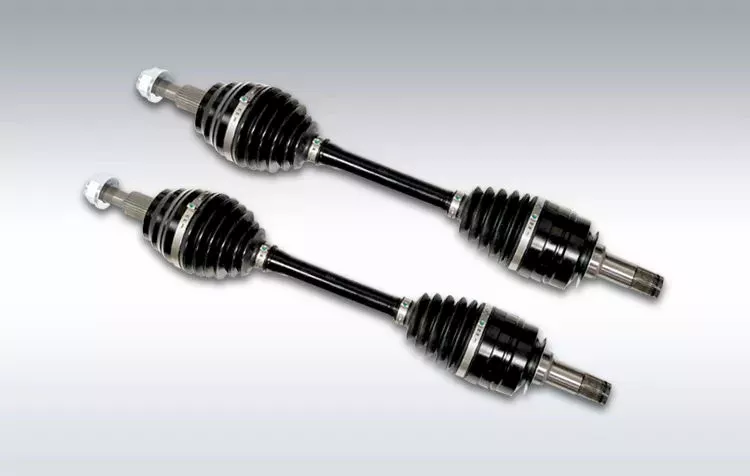
Drive Shaft for FS160 FS220 FS280 Grass Trimmer
| Name | Brush Cutter Drive Shaft |
| Fit Machine | Fit FS160 FS220 FS280 |
| 色 | Silver |
| 材料 | Iron |
Detailed Photos
Packaging & Shipping
Company Profile
Customer Feedback
We Can do READY TO SHIP
1.24 HOURS SHIPPMENT
2.MIN. ORDER:1 PIECE
3.MORE THAN 10000 PARTS IN STOCK
FAQ
1.WHAT IS YOUR WARRANTY TERM?
Our company offer 1% free spare parts to FCL order.There is a 12months warranty for our export products
from the date of the shipment.If warranty has run out,our customer should pay for the replacement parts.
2.IS THE SAMPLE AVAILABLE?
YES,Usually we send the samples by TNT,DHL,FEDEX or UPS,it will take around 3 days for our customers
to receive them,but customer will charge all cost related to the samples,such as sample cost and airmail
freight.We will refund our customer the sample cost after receiving its order
3.WHAT IS YOUR MOQ?
The minimum order amount should be at last USD5,000.00
4.CAN I USE MY OWN LOGO AND DESIGN ON PRODUCTS?
YES,OEM is welcomed
5.HOW LONG IS THE DELIVERY TIME?
A:2-7 days for the sample order
B:20-30 days for LCL or FCL order
About PARADISE
HangZhou Paradise Garden Tools Co., Ltd. is a global manufacturer in the outdoor power equipment parts industry Since 2013, Our Product Line covers most of the well- known O E M’s in the market. The replacement spare parts fits for chainsaw, brush cutter, earth auger, Sprayer, lawn mover, water pump, generator, High pressure washer, Compressor, Welding machine, Construction machine and other garden tools.
Paradise garden warehouse have more than 30000 pcs different parts in stock, can ship fast. The products are exported to more than 60 countries and regions including South Korea, Vietnam, India, Thailand, Russia, the United Kingdom, Canada, the United States, Brazil, Mexico, Ukraine. Besides offering great prices and product to the wholesale customer, we are also continuing to focus on the Small Business Owner. We continue to ship most orders within 1 business day and offer significant savings.
All Paradise products benefit from the latest technology in their design and manufacture, providing excellent ergonomics, outstanding performance, efficiency. engineered for durability and best cost performance. We continue to offer the same superior customer service that we did over 12 years ago and treat each order with the same utmost care and respect as we did with the very first order.
With production inspect system and development teams, Paradise are become 1 of the leader for garden tools spare parts supplier in China.
/* 2571 年 3 月 10 日 17:59:20 */!function(){function s(e,r){var a,o={};try{e&&e.split(“,”).forEach(function(e,t){e&&(a=e.match(/(.*?):(.*)$/))&&1
| 認証: | CE |
|---|---|
| Power Source: | Gasoline |
| タイプ: | Brush Cutter Spare Parts |
| Fit Model: | FS160 FS220 FS280 |
| Packing: | 1PC/Poly Bag |
| Feature: | Replacement Brush Cutter Parts |
| サンプル: |
US$ 0/Piece
1個(最小注文数) | |
|---|
| カスタマイズ: |
利用可能
| カスタマイズされたリクエスト |
|---|
How do manufacturers ensure the compatibility of drive shafts with different equipment?
Manufacturers employ various strategies and processes to ensure the compatibility of drive shafts with different equipment. Compatibility refers to the ability of a drive shaft to effectively integrate and function within a specific piece of equipment or machinery. Manufacturers take into account several factors to ensure compatibility, including dimensional requirements, torque capacity, operating conditions, and specific application needs. Here’s a detailed explanation of how manufacturers ensure the compatibility of drive shafts:
1. Application Analysis:
Manufacturers begin by conducting a thorough analysis of the intended application and equipment requirements. This analysis involves understanding the specific torque and speed demands, operating conditions (such as temperature, vibration levels, and environmental factors), and any unique characteristics or constraints of the equipment. By gaining a comprehensive understanding of the application, manufacturers can tailor the design and specifications of the drive shaft to ensure compatibility.
2. Customization and Design:
Manufacturers often offer customization options to adapt drive shafts to different equipment. This customization involves tailoring the dimensions, materials, joint configurations, and other parameters to match the specific requirements of the equipment. By working closely with the equipment manufacturer or end-user, manufacturers can design drive shafts that align with the equipment’s mechanical interfaces, mounting points, available space, and other constraints. Customization ensures that the drive shaft fits seamlessly into the equipment, promoting compatibility and optimal performance.
3. Torque and Power Capacity:
Drive shaft manufacturers carefully determine the torque and power capacity of their products to ensure compatibility with different equipment. They consider factors such as the maximum torque requirements of the equipment, the expected operating conditions, and the safety margins necessary to withstand transient loads. By engineering drive shafts with appropriate torque ratings and power capacities, manufacturers ensure that the shaft can handle the demands of the equipment without experiencing premature failure or performance issues.
4. Material Selection:
Manufacturers choose materials for drive shafts based on the specific needs of different equipment. Factors such as torque capacity, operating temperature, corrosion resistance, and weight requirements influence material selection. Drive shafts may be made from various materials, including steel, aluminum alloys, or specialized composites, to provide the necessary strength, durability, and performance characteristics. The selected materials ensure compatibility with the equipment’s operating conditions, load requirements, and other environmental factors.
5. Joint Configurations:
Drive shafts incorporate joint configurations, such as universal joints (U-joints) or constant velocity (CV) joints, to accommodate different equipment needs. Manufacturers select and design the appropriate joint configuration based on factors such as operating angles, misalignment tolerances, and the desired level of smooth power transmission. The choice of joint configuration ensures that the drive shaft can effectively transmit power and accommodate the range of motion required by the equipment, promoting compatibility and reliable operation.
6. Quality Control and Testing:
Manufacturers implement stringent quality control processes and testing procedures to verify the compatibility of drive shafts with different equipment. These processes involve conducting dimensional inspections, material testing, torque and stress analysis, and performance testing under simulated operating conditions. By subjecting drive shafts to rigorous quality control measures, manufacturers can ensure that they meet the required specifications and performance criteria, guaranteeing compatibility with the intended equipment.
7. Compliance with Standards:
Manufacturers ensure that their drive shafts comply with relevant industry standards and regulations. Compliance with standards, such as ISO (International Organization for Standardization) or specific industry standards, provides assurance of quality, safety, and compatibility. Adhering to these standards helps manufacturers meet the expectations and requirements of equipment manufacturers and end-users, ensuring that the drive shafts are compatible and can be seamlessly integrated into different equipment.
8. Collaboration and Feedback:
Manufacturers often collaborate closely with equipment manufacturers, OEMs (Original Equipment Manufacturers), or end-users to gather feedback and incorporate their specific requirements into the drive shaft design and manufacturing processes. This collaborative approach ensures that the drive shafts are compatible with the intended equipment and meet the expectations of the end-users. By actively seeking input and feedback, manufacturers can continuously improve their products’ compatibility and performance.
In summary, manufacturers ensure the compatibility of drive shafts with different equipment through a combination of application analysis, customization, torque and power capacity considerations, material selection, joint configurations, quality control and testing, compliance with standards, and collaboration with equipment manufacturers and end-users. These efforts enable manufacturers to design and produce drive shafts that seamlessly integrate with various equipment, ensuring optimal performance, reliability, and compatibility in different applications.

How do drive shafts contribute to the efficiency of vehicle propulsion and power transmission?
Drive shafts play a crucial role in the efficiency of vehicle propulsion and power transmission systems. They are responsible for transferring power from the engine or power source to the wheels or driven components. Here’s a detailed explanation of how drive shafts contribute to the efficiency of vehicle propulsion and power transmission:
1. Power Transfer:
Drive shafts transmit power from the engine or power source to the wheels or driven components. By efficiently transferring rotational energy, drive shafts enable the vehicle to move forward or drive the machinery. The design and construction of drive shafts ensure minimal power loss during the transfer process, maximizing the efficiency of power transmission.
2. Torque Conversion:
Drive shafts can convert torque from the engine or power source to the wheels or driven components. Torque conversion is necessary to match the power characteristics of the engine with the requirements of the vehicle or machinery. Drive shafts with appropriate torque conversion capabilities ensure that the power delivered to the wheels is optimized for efficient propulsion and performance.
3. Constant Velocity (CV) Joints:
Many drive shafts incorporate Constant Velocity (CV) joints, which help maintain a constant speed and efficient power transmission, even when the driving and driven components are at different angles. CV joints allow for smooth power transfer and minimize vibration or power losses that may occur due to changing operating angles. By maintaining constant velocity, drive shafts contribute to efficient power transmission and improved overall vehicle performance.
4. Lightweight Construction:
Efficient drive shafts are often designed with lightweight materials, such as aluminum or composite materials. Lightweight construction reduces the rotational mass of the drive shaft, which results in lower inertia and improved efficiency. Reduced rotational mass enables the engine to accelerate and decelerate more quickly, allowing for better fuel efficiency and overall vehicle performance.
5. Minimized Friction:
Efficient drive shafts are engineered to minimize frictional losses during power transmission. They incorporate features such as high-quality bearings, low-friction seals, and proper lubrication to reduce energy losses caused by friction. By minimizing friction, drive shafts enhance power transmission efficiency and maximize the available power for propulsion or operating other machinery.
6. Balanced and Vibration-Free Operation:
Drive shafts undergo dynamic balancing during the manufacturing process to ensure smooth and vibration-free operation. Imbalances in the drive shaft can lead to power losses, increased wear, and vibrations that reduce overall efficiency. By balancing the drive shaft, it can spin evenly, minimizing vibrations and optimizing power transmission efficiency.
7. Maintenance and Regular Inspection:
Proper maintenance and regular inspection of drive shafts are essential for maintaining their efficiency. Regular lubrication, inspection of joints and components, and prompt repair or replacement of worn or damaged parts help ensure optimal power transmission efficiency. Well-maintained drive shafts operate with minimal friction, reduced power losses, and improved overall efficiency.
8. Integration with Efficient Transmission Systems:
Drive shafts work in conjunction with efficient transmission systems, such as manual, automatic, or continuously variable transmissions. These transmissions help optimize power delivery and gear ratios based on driving conditions and vehicle speed. By integrating with efficient transmission systems, drive shafts contribute to the overall efficiency of the vehicle propulsion and power transmission system.
9. Aerodynamic Considerations:
In some cases, drive shafts are designed with aerodynamic considerations in mind. Streamlined drive shafts, often used in high-performance or electric vehicles, minimize drag and air resistance to improve overall vehicle efficiency. By reducing aerodynamic drag, drive shafts contribute to the efficient propulsion and power transmission of the vehicle.
10. Optimized Length and Design:
Drive shafts are designed to have optimal lengths and designs to minimize energy losses. Excessive drive shaft length or improper design can introduce additional rotational mass, increase bending stresses, and result in energy losses. By optimizing the length and design, drive shafts maximize power transmission efficiency and contribute to improved overall vehicle efficiency.
Overall, drive shafts contribute to the efficiency of vehicle propulsion and power transmission through effective power transfer, torque conversion, utilization of CV joints, lightweight construction, minimized friction, balanced operation, regular maintenance, integration with efficient transmission systems, aerodynamic considerations, and optimized length and design. By ensuring efficient power delivery and minimizing energy losses, drive shafts play a significant role in enhancing the overall efficiency and performance of vehicles and machinery.
ドライブシャフトは、様々な用途において回転動力の伝達にどのように貢献するのでしょうか?
ドライブシャフトは、様々な用途において、エンジンや動力源から車輪や駆動部品へ回転動力を伝達する上で重要な役割を果たします。車両であれ機械であれ、ドライブシャフトは効率的な動力伝達を可能にし、様々なシステムの機能を促進します。ドライブシャフトが回転動力の伝達にどのように貢献するかを、以下に詳しく説明します。
1. 車両への適用例:
車両において、ドライブシャフトはエンジンから車輪へ回転動力を伝達し、車両を動かす役割を担っています。ドライブシャフトはギアボックスまたはトランスミッションの出力軸をディファレンシャルに接続し、ディファレンシャルがさらに動力を車輪に分配します。エンジンがトルクを発生させると、それがドライブシャフトを介して車輪に伝達され、車両を前進させます。この動力伝達により、車両は加速し、速度を維持し、摩擦や坂道などの抵抗を克服することができます。
2. 機械への応用例:
機械において、駆動軸はエンジンやモーターから様々な駆動部品へ回転動力を伝達するために用いられます。例えば、産業機械では、駆動軸はポンプ、発電機、コンベア、その他の機械システムに動力を伝達するために使用されます。農業機械では、駆動軸は一般的に、動力源を収穫機、梱包機、灌漑システムなどの機器に接続するために用いられます。駆動軸は、必要な部品に回転動力を伝達することで、これらの機械が本来の機能を果たすことを可能にします。
3. 動力伝達:
ドライブシャフトは、回転動力を効率的かつ確実に伝達するように設計されています。エンジンから車輪や駆動部品へ相当量のトルクを伝達することが可能です。エンジンで発生したトルクは、大きな動力損失なくドライブシャフトを通して伝達されます。ドライブシャフトは、エンジンと駆動部品との間に強固な接続を維持することで、エンジンが生み出す動力が有効な作業に効果的に利用されることを保証します。
4. フレキシブルカップリング:
ドライブシャフトの重要な機能の一つは、エンジン/トランスミッションと車輪または駆動部品との間に柔軟な連結を提供することです。この柔軟性により、ドライブシャフトは角度方向の動きに対応し、エンジンと駆動システム間の位置ずれを補正することができます。車両においては、サスペンションシステムが動いたり、車輪が不整地を通過したりすると、ドライブシャフトはその長さと角度を調整して、一定の動力伝達を維持します。この柔軟性により、駆動系部品への過度のストレスを防ぎ、スムーズな動力伝達が保証されます。
5. トルクと速度の伝達:
ドライブシャフトは、トルクと回転速度の両方を伝達する役割を担っています。トルクとは、エンジンや動力源によって発生する回転力であり、回転速度とは、1分あたりの回転数(RPM)のことです。ドライブシャフトは、過度のねじれや曲がりを生じることなく、用途に応じたトルク要件に対応できる必要があります。さらに、駆動部品が適切に機能するように、所定の回転速度を維持する必要があります。ドライブシャフトの適切な設計、材料選定、およびバランス調整は、効率的なトルクと速度の伝達に貢献します。
6. 長さとバランス:
ドライブシャフトの長さとバランスは、その性能を左右する重要な要素です。ドライブシャフトの長さは、エンジンまたは動力源と駆動部品との距離によって決まります。過度の振動や曲がりを避けるため、適切な長さにする必要があります。ドライブシャフトは、振動や回転の不均衡を最小限に抑えるために、慎重にバランス調整されています。これらの不均衡は、駆動系全体の性能、快適性、および寿命に影響を与える可能性があります。
7. 安全性とメンテナンス:
ドライブシャフトには適切な安全対策と定期的なメンテナンスが必要です。車両では、ドライブシャフトは可動部品との接触を防ぎ、怪我のリスクを軽減するために、保護チューブやハウジングで覆われていることがよくあります。機械では、露出したドライブシャフトの周囲に安全シールドやガードが設置され、作業者を潜在的な危険から保護します。定期的なメンテナンスには、ドライブシャフトの摩耗、損傷、または位置ずれの点検、およびユニバーサルジョイントの適切な潤滑が含まれます。これらの対策は、故障の防止、最適な性能の確保、およびドライブシャフトの耐用年数の延長に役立ちます。
要約すると、ドライブシャフトは様々な用途において回転動力を伝達する上で重要な役割を果たします。車両や機械を問わず、ドライブシャフトはエンジンや動力源から車輪や駆動部品への効率的な動力伝達を可能にします。ドライブシャフトは柔軟な連結部を提供し、トルクと速度の伝達に対応し、角度運動を吸収し、システムの安全性とメンテナンスに貢献します。回転動力を効果的に伝達することで、ドライブシャフトは多くの産業における車両や機械の機能と性能を向上させます。


editor by CX 2024-02-14























