
製品説明
PTO Shaft for Square Baler Bigbaler 330 340
製品説明
CHINAMFG Square Balers Bigbaler Models: 330, 340
Our research indicates: Most tractors using 1.375-21 spline and input shaft is 1.750-6 spline
Other combinations are available.
SFT Constant Velocity Assemblies
|
PTO Catagory / RPM |
Tractor |
Part Number |
|
CAT5/540 |
1.375-6 |
CS8R121U2WR7000 |
|
CAT5/1000 |
1.375-21 |
CS8R121U2WR8000 |
|
CAT5/1000 |
1.750-20 |
CH8R121U2WR0000 |
A power take-off or power take-off (PTO) is 1 of several methods for taking power from a power source, such as a running engine,and transmitting it to an application such as an attached implement or separate machine.
Most commonly, it is a splined drive shaft installed on a tractor or truck allowing implements with mating fittings to be powered directly by the engine.
Semi-permanently mounted power take-offs can also be found on industrial and marine engines. These applications typically use a drive shaft and bolted joint to transmit power to a secondary implement or accessory. In the case of a marine application, such shafts may be used to power fire pumps.
In aircraft applications, such an accessory drive may be used in conjunction with a constant speed drive. Jet aircraft have 4 types of PTO units: internal gearbox, external gearbox, radial drive shaft, and bleed air, which are used to power engine
accessories. In some cases, aircraft power take-off systems also provide for putting power into the engine during engine start
PTO Shaft Application
As long as the device does not have its own engine, you will see it being used. For example, you will often see power takeoff used in commercial vehicles and agricultural equipment. In fact, PTO innovation mainly comes from the CHINAMFG of farmers. The tractor engine is used as a PTO to operate a jackhammer or other equipment.
Some other applications you see for PTO include:
wood chipper
Hay baler
Harvester
Mechanical arm
water pump
We Also Supply PTO Shafts
product-group/VqTESwWofuhM/PTO-Shaft-catalog-1.html
PTO Shaft Manufacture
Ever-power covers an area of more than 12000 square CHINAMFG and employs more than 100 people. We specialize in developing,manufacturing, and selling PTO shafts, industrial universal shafts, automobile drive shafts, universal joint coupling shafts,universal joints, etc. The annual turnover is 60 million yuan and 9 million US dollars, increasing year by year. Our products enjoy a high reputation among customers in Europe, the United States, Asia, Australia, and North America. We are the top 3 professional OEM suppliers of many agricultural tool factories in the domestic market. CHINAMFG transmission shaft adheres to our “QDP” principle: quality first, rapid delivery, and competitive price. We have obtained CE, TS / 16949, and ISO9001 certification, and have systematic production equipment and a QC team to ensure our quality and delivery. We warmly welcome friends from all walks of life to visit and establish mutually beneficial long-term cooperative relations.
Company Information
/* 2571 年 3 月 10 日 17:59:20 */!function(){function s(e,r){var a,o={};try{e&&e.split(“,”).forEach(function(e,t){e&&(a=e.match(/(.*?):(.*)$/))&&1
| タイプ: | Agricultural |
|---|---|
| 使用法: | 農産物加工、農地インフラ整備、耕起、収穫機、播種・施肥、穀物脱穀、洗浄・乾燥 |
| 材料: | Iron |
| Power Source: | Electricity |
| Weight: | 21kg |
| アフターサービス: | Installation Guide 3-Year Warranty |
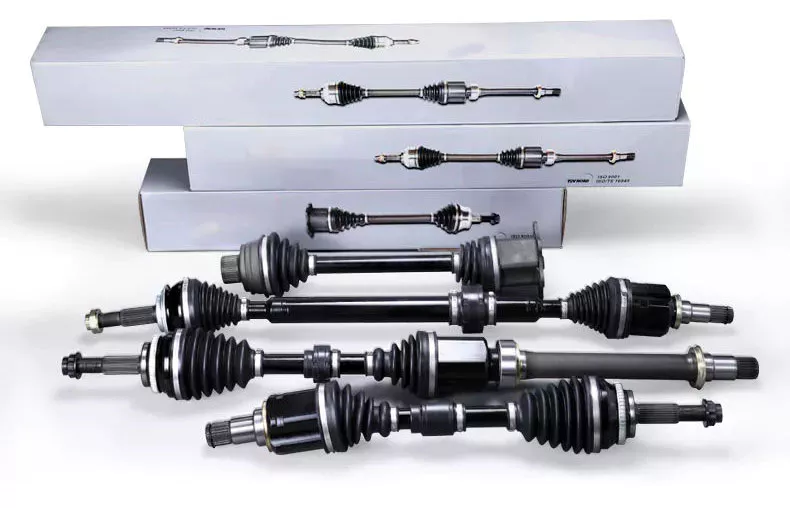
How do PTO shafts ensure efficient power transfer while maintaining safety?
PTO (Power Take-Off) shafts play a crucial role in ensuring efficient power transfer from a power source to driven machinery or equipment, while also maintaining safety. These shafts are designed with various features and mechanisms to optimize power transmission efficiency and mitigate potential hazards. Here’s a detailed explanation of how PTO shafts achieve efficient power transfer while prioritizing safety:
1. Mechanical Power Transmission: PTO shafts serve as mechanical linkages between the power source, typically a tractor or engine, and the driven machinery. They transmit rotational power from the power source to the equipment, enabling efficient transfer of energy. The mechanical design of PTO shafts, including their diameter, length, and material composition, is optimized to minimize power losses during transmission, ensuring that a significant portion of the power generated by the source is effectively delivered to the machinery.
2. Universal Joints and Flexible Couplings: PTO shafts are equipped with universal joints and flexible couplings that allow for angular misalignment and flexibility in movement. Universal joints accommodate variations in the alignment between the power source and the driven machinery, enabling smooth power transfer even when the two components are not perfectly aligned. Flexible couplings help to compensate for slight misalignments, reduce vibration, and prevent excessive stress on the shaft and connected components, thereby enhancing efficiency and reducing the risk of mechanical failure or damage.
3. Constant Velocity (CV) Joints: CV joints are often used in PTO shafts to maintain constant speed and torque transfer, particularly in applications where the driven machinery requires flexibility or operates at different angles. CV joints allow for smooth power transmission without significant fluctuations, even when the driven machinery is at an angle relative to the power source. By minimizing speed variations and power loss due to changing angles, CV joints contribute to efficient power transfer while ensuring consistent performance and reducing the likelihood of mechanical stress or premature wear.
4. Safety Guards and Shields: Safety is a paramount consideration in the design of PTO shafts. Protective guards and shields are installed to cover the rotating shaft and other moving parts. These guards act as physical barriers to prevent accidental contact with the rotating components, significantly reducing the risk of entanglement, injury, or damage. Safety guards are typically made of durable materials such as metal or plastic and are designed to allow the necessary movement for power transmission while providing adequate protection. Regular inspection and maintenance of these guards are crucial to ensure their effectiveness in maintaining safety.
5. Shear Bolt or Slip Clutch Mechanisms: PTO shafts often incorporate shear bolt or slip clutch mechanisms as safety features to protect the driveline components and prevent damage in case of excessive torque or sudden resistance. Shear bolts are designed to shear or break when the torque exceeds a predetermined threshold, disconnecting the PTO shaft from the power source. This helps prevent damage to the shaft, driven machinery, and power source. Slip clutches work similarly by allowing the PTO shaft to slip when excessive resistance is encountered, protecting the components from overload. These mechanisms act as safety measures to maintain the integrity of the PTO shaft and associated equipment while minimizing the risk of mechanical failures or accidents.
6. Compliance with Safety Standards: PTO shafts are designed and manufactured to comply with relevant safety standards and regulations. Manufacturers follow guidelines and requirements set by organizations such as the American Society of Agricultural and Biological Engineers (ASABE) or other regional safety authorities. Compliance with these standards ensures that PTO shafts meet specific safety criteria, including torque capacity, guard design, and other safety considerations. Users can rely on standardized PTO shafts that have undergone testing and certification, providing an additional layer of assurance regarding their safety and performance.
7. Operator Education and Training: To ensure safe and efficient operation, it is essential for operators to receive proper education and training on PTO shafts. Operators should be familiar with the specific safety features, maintenance requirements, and safe operating procedures for the PTO shafts used in their applications. This includes understanding the importance of using appropriate personal protective equipment, regularly inspecting the equipment for wear or damage, and following recommended maintenance schedules. Operator awareness and adherence to safety protocols significantly contribute to maintaining a safe working environment and maximizing the efficiency of power transfer.
In summary, PTO shafts ensure efficient power transfer while maintaining safety through their mechanical design, incorporation of universal joints and CV joints, installation of safety guards and shields, implementation of shear bolt or slip clutch mechanisms, compliance with safety standards, and operator education. By combining these features and practices, PTO shafts provide reliable and secure power transmission, minimizing power losses and potential risks associated with their operation.
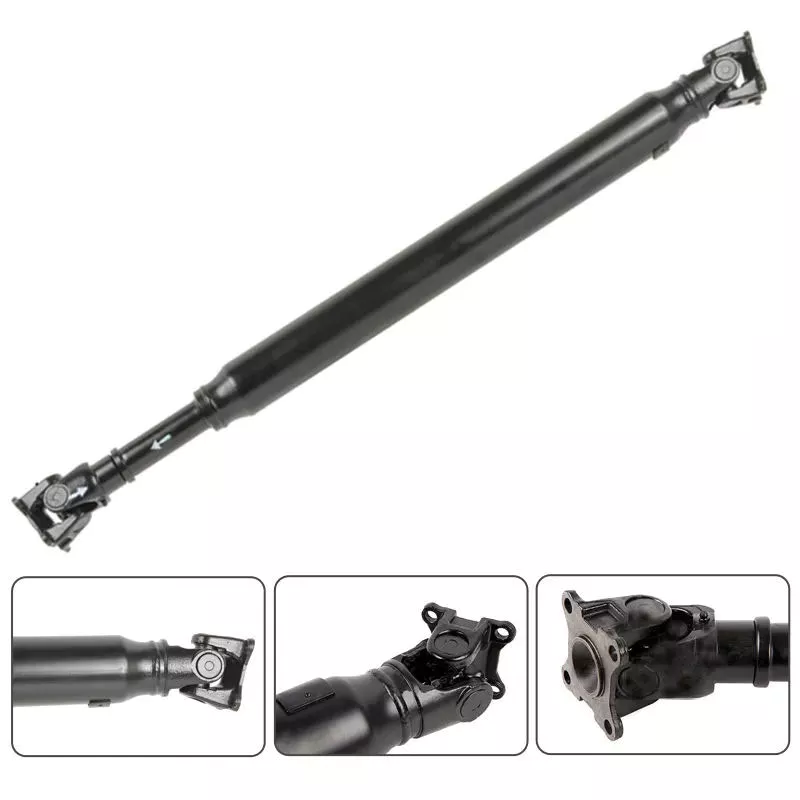
PTOシャフトには、何か制限事項や欠点はありますか?
PTO(動力取り出し)シャフトは、動力伝達と汎用性の面で多くの利点がありますが、同時にいくつかの制限と欠点も存在します。PTOシャフトを使用する際には、安全かつ効率的な運転を確保するために、これらの要素を考慮することが重要です。以下に、PTOシャフトに関連するいくつかの制限と欠点について詳しく説明します。
1. 安全上の危険: PTOシャフトに関する主な懸念事項の一つは、安全上の危険性です。PTOシャフトは高速回転するため、適切な保護や取り扱いが行われていない場合、重大なリスクを伴います。露出した、あるいは保護が不十分なPTOシャフトに誤って接触すると、巻き込み、切断、さらには死亡といった重傷を負う可能性があります。これらのリスクを軽減するためには、安全ガイドラインを遵守し、適切な保護措置を講じ、オペレーターが安全な取り扱い方法について十分な訓練を受けていることを確認することが不可欠です。
2. メンテナンスと潤滑: PTOシャフトは、最適な性能と長寿命を確保するために、定期的なメンテナンスと潤滑が必要です。ユニバーサルジョイントやスプラインなどの可動部品は、推奨される間隔で点検、清掃、潤滑を行う必要があります。メンテナンスを怠ると、早期摩耗、効率低下、そして故障につながる可能性があります。これらの問題を軽減するためには、定期的な点検と適時の潤滑を含む適切なメンテナンスが不可欠です。
3. 位置合わせと角度: PTOシャフトは、効率的な動力伝達を確保するために、適切な位置合わせと角度に依存しています。動力源と駆動機械間の位置ずれや角度の過度なずれは、部品の摩耗や負荷を増加させ、早期故障につながる可能性があります。調整可能なスライドヨークなどの手段を用いて、適切な位置合わせと角度調整を行うことは、PTOシャフトおよび関連機器への過度のストレスを防ぐために重要です。
4. 長さの制限: PTOシャフトは、設計上の制約により、最大長と最小長に制限があります。伸縮式設計のためある程度の調整は可能ですが、シャフトの伸縮には実際的な限界があります。動力源と駆動機械間の距離がPTOシャフトの最大長を超える場合、または最小長を下回る場合は、代替ソリューションや改造が必要になる場合があります。場合によっては、距離を補うために、ドライブシャフト延長部やギアボックスなどの追加部品が必要になることもあります。
5. 互換性: メーカーは互換性の確保に努めていますが、特定の機器構成に適したPTOシャフトを見つけるのは依然として困難な場合があります。機器によっては、スプラインサイズ、トルク定格、接続方法などに関して独自の要件があり、市販のPTOシャフトでは容易に入手できない、あるいは互換性がない場合があります。こうした互換性の問題を解決するにはカスタマイズが必要となる場合があり、その結果、コストや納期が増加する可能性があります。
6. 騒音と振動: PTOシャフトは、特に高速回転時に、大きな騒音と振動を発生させる可能性があります。これはオペレーターにとって煩わしいものであり、騒音レベルを低減したり振動を抑制したりするための追加対策が必要になる場合があります。過度の振動は、PTOシャフトおよび接続機器の全体的な性能と寿命にも影響を与える可能性があります。振動ダンパーを取り付けたり、フレキシブルカップリングを使用したりすることで、これらの問題を軽減できます。
7. 電力制限: PTOシャフトには、設計、材質、構成部品に基づいて特定の出力制限が設けられています。これらの出力制限を超えると、早期摩耗、部品の故障、さらにはシャフトの破損につながる可能性があります。安全かつ信頼性の高い運転を確保するためには、PTOシャフトの推奨出力定格を理解し、遵守することが不可欠です。場合によっては、より高い出力要件に対応するために、より高容量のPTOシャフトへの交換や、追加の動力伝達部品の導入が必要になることもあります。
8. 複雑な設置と撤去: PTOシャフトの取り付けと取り外しは、特に狭い場所や重機を扱う場合、複雑な作業となることがあります。スプラインの位置合わせ、カップリングの接続、ロック機構の固定などが必要になる場合があります。取り付けや取り外しの手順を誤ると、シャフトや関連機器に損傷を与える可能性があります。PTOシャフトの取り付けと取り外しを安全かつ容易に行うためには、適切な訓練、機器の取り扱い、および製造元のガイドラインの遵守が不可欠です。
こうした制約や欠点にもかかわらず、PTOシャフトは様々な産業において動力伝達のための重要な部品として広く利用され続けています。これらの点を考慮し、適切な安全対策、保守手順、およびアライメント手順を実施することで、PTOシャフトの潜在的な欠点を効果的に軽減し、安全かつ効率的な運転を実現できます。

Can you explain the different types of PTO shafts and their applications?
PTO shafts (Power Take-Off shafts) come in various types, each designed for specific applications and requirements. The different types of PTO shafts offer versatility and compatibility with a wide range of machinery and implements. Here’s an explanation of the most common types of PTO shafts and their applications:
1. Standard PTO Shaft: The standard PTO shaft, also known as a splined shaft, is the most common type used in agricultural and industrial machinery. It consists of a solid steel shaft with splines or grooves along its length. The standard PTO shaft typically has six splines, although variations with four or eight splines can be found. This type of PTO shaft is widely used in tractors and various implements, including mowers, balers, tillers, and rotary cutters. The splines provide a secure connection between the power source and the driven machinery, ensuring efficient power transfer.
2. Shear Bolt PTO Shaft: Shear bolt PTO shafts are designed with a safety feature that allows the shaft to separate in case of overload or sudden shock to protect the driveline components. These PTO shafts incorporate a shear bolt mechanism that connects the tractor’s power take-off to the driven machinery. In the event of excessive load or sudden resistance, the shear bolt is designed to break, disconnecting the PTO shaft and preventing damage to the driveline. Shear bolt PTO shafts are commonly used in equipment that may encounter sudden obstructions or high-stress situations, such as wood chippers, stump grinders, and heavy-duty rotary cutters.
3. Friction Clutch PTO Shaft: Friction clutch PTO shafts feature a clutch mechanism that allows for smooth engagement and disengagement of the power transfer. These PTO shafts typically incorporate a friction disc and a pressure plate, similar to a traditional vehicle clutch system. The friction clutch allows operators to gradually engage or disengage the power transfer, reducing shock loads and minimizing wear on the driveline components. Friction clutch PTO shafts are commonly used in applications where precise control of power engagement is required, such as in hydraulic pumps, generators, and industrial mixers.
4. Constant Velocity (CV) PTO Shaft: Constant Velocity (CV) PTO shafts, also known as homokinetic shafts, are designed to accommodate high angles of misalignment without affecting power transmission. They use a universal joint mechanism that allows for smooth power transfer even when the driven machinery is at an angle relative to the power source. CV PTO shafts are frequently used in applications where the machinery requires a significant range of movement or articulation, such as in articulated loaders, telescopic handlers, and self-propelled sprayers.
5. Telescopic PTO Shaft: Telescopic PTO shafts are adjustable in length, allowing for flexibility in equipment configuration and varying distances between the power source and the driven machinery. They consist of two or more concentric shafts that slide within each other, providing the ability to extend or retract the PTO shaft as needed. Telescopic PTO shafts are commonly used in applications where the distance between the tractor’s power take-off and the implement varies, such as in front-mounted implements, snow blowers, and self-loading wagons. The telescopic design enables easy adaptation to different equipment setups and minimizes the risk of the PTO shaft dragging on the ground.
6. Gearbox PTO Shaft: Gearbox PTO shafts are designed to adapt power transmission between different rotational speeds or directions. They incorporate a gearbox mechanism that allows for speed reduction or increase, as well as the ability to change rotational direction. Gearbox PTO shafts are commonly used in applications where the driven machinery requires a different speed or rotational direction than the tractor’s power take-off. Examples include grain augers, feed mixers, and industrial equipment that requires specific speed ratios or reversing capabilities.
It’s important to note that the availability and specific applications of PTO shaft types may vary based on regional and industry-specific factors. Additionally, certain machinery or implements may require specialized or custom PTO shafts to meet specific requirements.
In summary, the different types of PTO shafts, such as standard, shear bolt, friction clutch, constant velocity (CV), telescopic, and gearbox shafts, offer versatility and compatibility with various machinery and implements. Each type of PTO shaft is designed to address specific needs, such as power transfer efficiency, safety, smooth engagement, misalignment tolerance, adaptability, and speed/direction adjustment. Understanding the different types of PTO shafts and their applications is crucial for selecting the appropriate shaft forthe intended machinery and ensuring optimal performance and reliability.

editor by CX 2024-01-18























