
Descrizione del prodotto
Premium Agricultural Machinery Transmission, Driveline, Pto Shaft
| Product No | Pto Shaft |
| Use For | Agricultual Machinery |
| OEM | Accettabile |
| Tube Types for PTO Shaft | Triangle,Lemon.Star |
| Universal Joint | Series1-8 |
| Colors of PTO Shaft | Base on Customer’s requirement |
| PTO Shaft Series | Series1-8 |
| Tipo di giogo | Available Options |
| Equipment End Connection Way | CV,Clutch,Yoke |
| Garanzia | 1 Year |
Specifiche del prodotto
Foto dettagliate
Profilo Aziendale
HangZhou Rongwang Industry and Trade Co., Ltd. was established in 2007. The company develops and produces gearboxes, transmission shafts, and related accessories for various types of lawn mowers, rotary tillers, excavators, and other agricultural machinery. The products are sold to various countries in Europe and America. The company currently has processing and testing equipment such as machining centers, CNC machine tools, and coordinate measuring instruments, and has a strong research and development team, as well as complete after-sales support services.
The company is committed to meeting and surpassing customer needs with a rigorous work style, providing high-performance and high-quality products. We warmly welcome domestic and foreign enterprises to come and discuss cooperation. The company is willing to take on a new look and constantly innovate. Sincere and enthusiastic service, as always, close communication and cooperation with colleagues at home and abroad, working hand in hand to create brilliance.
Applicatio
Corporate Purpose
The company always adheres to the business philosophy of “integrity, excellence, innovation, and progress” , striving for survival with quality and development with technology.The employees of Rongwang Industry and Trade have many years of experience in mechanical processing and manufacturing, while also absorbing advanced technology and processes from both domestic and foreign countries.And has passed ISO9001 quality system certification certification.
Rongwang Enterprise Purpose: To create excellent enterprises with excellent products, discounted prices, and excellent services.
Vision:Power the industry, Transmit the world.Rongwang Machinery aims to be the leader in the power transmission industry.Mission: To provide trustworthy and affordable products for our customers.”Trustworthy”means high quality and safe products.We are trying to offer lower cost products without sacrificing quality.
/* 22 gennaio 2571 19:08:37 */!function(){function s(e,r){var a,o={};try{e&&e.split(“,”).forEach(function(e,t){e&&(a=e.match(/(.*?):(.*)$/))&&1
| Materiale: | Alloy Steel |
|---|---|
| Load: | Albero motore |
| Stiffness & Flexibility: | Flexible Shaft |
| Journal Diameter Dimensional Accuracy: | IT6-IT9 |
| Axis Shape: | Straight Shaft |
| Shaft Shape: | Real Axis |
| Esempi: |
US$ 20/Piece
1 pezzo (ordine minimo) | |
|---|
| Personalizzazione: |
Disponibile
| Richiesta personalizzata |
|---|
How do PTO drive shafts handle variations in length and connection methods?
PTO (Power Take-Off) drive shafts are designed to handle variations in length and connection methods, allowing them to be adaptable to different equipment setups and applications. These variations are accommodated through the following features and mechanisms:
1. Telescoping Design:
Many PTO drive shafts are designed with a telescoping mechanism, which enables the length of the drive shaft to be adjusted. Telescoping allows for flexibility in matching the distance between the power source (e.g., tractor PTO) and the driven equipment. By extending or retracting the telescoping sections of the drive shaft, operators can achieve the desired length and ensure proper alignment. This feature is particularly useful when connecting equipment that may have varying distances from the power source.
2. Overlapping Tubes:
PTO drive shafts often consist of multiple tubes that overlap when the drive shaft is fully collapsed. These overlapping tubes provide structural stability and allow for the length adjustment of the drive shaft. By extending or retracting the drive shaft, the overlapping tubes slide within each other, accommodating variations in length. The overlapping tube design ensures that the drive shaft maintains its integrity and alignment during operation.
3. Splined Connections:
PTO drive shafts typically feature splined connections, which provide a secure and reliable method of joining the drive shaft components. Splines are ridges or teeth machined onto the drive shaft and mating component, such as the yoke or flange. The splined connections allow for angular misalignment and axial movement while transmitting power smoothly. They can accommodate variations in length by allowing the drive shaft to extend or retract without compromising the torque transfer capabilities.
4. Locking Mechanisms:
To ensure the stability and safety of the PTO drive shaft, locking mechanisms are incorporated into the design. These mechanisms secure the telescoping sections or splined connections in place once the desired length is achieved. Common locking mechanisms include spring-loaded pins, quick-release collars, or locking rings. These mechanisms prevent unintentional movement or separation of the drive shaft components during operation, ensuring a secure connection even under dynamic loads.
5. Universal Joints:
Universal joints are integral components of PTO drive shafts that allow for angular misalignment between the driving and driven shafts. They consist of two yokes connected by a cross-shaped bearing. Universal joints accommodate variations in length and connection angles, allowing the drive shaft to transfer power smoothly and efficiently even when the equipment is not perfectly aligned. The flexibility of universal joints helps compensate for any misalignment caused by changes in length or connection methods.
6. Adapters and Couplings:
In situations where there are differences in connection methods or sizes between the power source and the driven equipment, adapters and couplings can be used. These components bridge the gap between different connection types, allowing the PTO drive shaft to be compatible with a wider range of equipment. Adapters and couplings may include flanges, spline adapters, or quick-detach couplers, depending on the specific connection requirements.
7. Customization Options:
Manufacturers of PTO drive shafts often provide customization options to accommodate specific length and connection requirements. Customers can request drive shafts of different lengths or specify the types of connections needed for their particular equipment. Customization allows for precise tailoring of the PTO drive shafts to match the equipment setup, ensuring optimal performance and compatibility.
In summary, PTO drive shafts handle variations in length and connection methods through telescoping designs, overlapping tubes, splined connections, locking mechanisms, universal joints, adapters, couplings, and customization options. These features and mechanisms provide the necessary flexibility and adjustability to accommodate different equipment setups and ensure efficient power transfer. Whether it’s adjusting the length, adapting to varying connection types, or compensating for misalignment, PTO drive shafts are designed to handle the variations encountered in different applications and industries.

In che modo gli alberi di trasmissione della presa di forza contribuiscono all'efficienza delle attività agricole come l'aratura?
Gli alberi di trasmissione PTO (Power Take-Off) svolgono un ruolo cruciale nel migliorare l'efficienza delle attività agricole, inclusa l'aratura. Forniscono un meccanismo di trasmissione della potenza affidabile ed efficiente tra un trattore o una fonte di energia e vari attrezzi, come gli aratri. Ecco come gli alberi di trasmissione PTO contribuiscono all'efficienza di attività agricole come l'aratura:
1. Trasferimento di potenza:
Gli alberi di trasmissione della presa di forza consentono il trasferimento di potenza dal motore del trattore all'aratro o ad altri attrezzi utilizzati per l'aratura. Trasmettono la potenza di rotazione a una velocità costante dalla fonte di potenza all'attrezzo, consentendogli di svolgere il lavoro previsto in modo efficiente. Questo trasferimento diretto di potenza elimina la necessità di motori separati su ciascun attrezzo, con un risparmio di tempo e risorse.
2. Versatilità:
Gli alberi di trasmissione della presa di forza sono progettati per essere versatili e compatibili con un'ampia gamma di attrezzi agricoli. Sono disponibili in dimensioni e configurazioni standardizzate, consentendo di collegare e scollegare facilmente diversi attrezzi. Questa versatilità consente agli agricoltori di passare da un'attività all'altra, inclusa l'aratura, senza richiedere modifiche o cambiamenti significativi all'attrezzatura.
3. Efficienza temporale:
Trasmettendo direttamente la potenza dal trattore all'aratro, gli alberi di trasmissione della presa di forza contribuiscono a risparmiare tempo durante le attività agricole come l'aratura. Eliminano la necessità di manodopera manuale o animale, consentendo operazioni di aratura più rapide ed efficienti. Questa efficienza temporale aumenta la produttività complessiva e consente agli agricoltori di lavorare aree più ampie in meno tempo.
4. Potenza di uscita costante:
Gli alberi di trasmissione della presa di forza forniscono una potenza costante all'attrezzo, garantendo prestazioni uniformi durante l'aratura. Mantengono una velocità di rotazione costante, riducendo al minimo le variazioni nell'erogazione di potenza ed evitando un'aratura irregolare o danni alle colture. Questa potenza costante contribuisce a ottenere risultati affidabili e precisi, con conseguente miglioramento dell'efficienza del processo di aratura.
5. Velocità e profondità regolabili:
Molti alberi di trasmissione della presa di forza offrono velocità di rotazione regolabili, consentendo agli agricoltori di controllare la velocità di aratura in base alle condizioni e alle esigenze specifiche del terreno. Questa possibilità di regolazione consente agli agricoltori di ottimizzare il processo di aratura, garantendo un efficiente rivoltamento del terreno e una preparazione del letto di semina. Inoltre, alcuni aratri incorporano meccanismi per la regolazione della profondità di aratura, migliorando ulteriormente la flessibilità e l'efficienza.
6. Riduzione dell'affaticamento dell'operatore:
L'utilizzo di alberi di trasmissione cardanici nell'aratura riduce lo sforzo fisico degli operatori. Invece di esercitare manualmente la forza per arare il campo, gli operatori possono contare sulla potenza trasmessa attraverso l'albero di trasmissione. Ciò riduce l'affaticamento, consentendo agli operatori di lavorare per periodi più lunghi senza affaticarsi eccessivamente. La riduzione dell'affaticamento dell'operatore contribuisce ad aumentare la produttività e l'efficienza complessiva nelle attività agricole.
7. Integrazione con i controlli del trattore:
Gli alberi di trasmissione della PTO moderni sono spesso integrati con il sistema di controllo del trattore. Questa integrazione consente un controllo comodo e preciso dell'innesto e del disinnesto della PTO, della velocità di rotazione e di altri parametri. Tale integrazione migliora la facilità d'uso, riduce al minimo gli errori e migliora l'efficienza complessiva durante l'aratura e altre attività agricole.
8. Manutenzione e assistenza:
Gli alberi di trasmissione della presa di forza sono in genere progettati per facilitare la manutenzione e l'assistenza. Spesso sono dotati di punti di lubrificazione accessibili, porte di ispezione e componenti sostituibili, facilitando il mantenimento in buone condizioni di funzionamento. Una manutenzione regolare garantisce prestazioni ottimali, riduce il rischio di guasti imprevisti e massimizza l'efficienza delle operazioni di aratura.
In sintesi, gli alberi di trasmissione della presa di forza contribuiscono in modo significativo all'efficienza di attività agricole come l'aratura. Consentono un trasferimento di potenza diretto e costante, offrono versatilità nella compatibilità con gli attrezzi, fanno risparmiare tempo, forniscono un controllo regolabile di velocità e profondità, riducono l'affaticamento dell'operatore, si integrano con i comandi del trattore e facilitano la manutenzione. Sfruttando le capacità degli alberi di trasmissione della presa di forza, gli agricoltori possono aumentare la produttività, semplificare le operazioni e ottenere risultati di aratura efficienti.
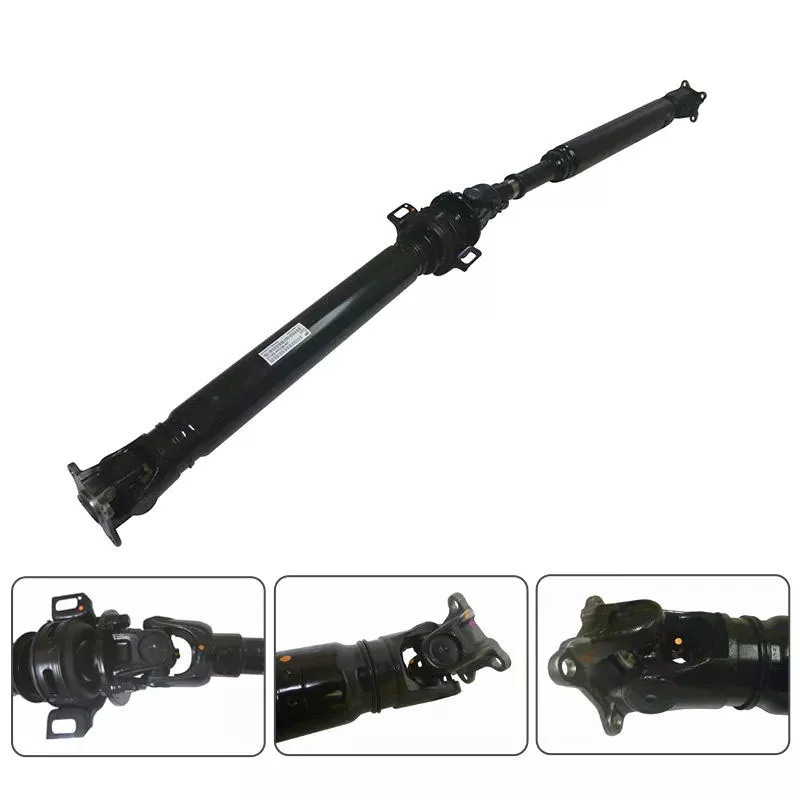
Can you explain the components and function of a PTO drive shaft system?
A PTO (Power Take-Off) drive shaft system consists of several components that work together to transfer power from a primary power source, such as a tractor or engine, to various implements or machinery. Each component plays a specific role in ensuring the efficient and reliable transmission of rotational power. Here’s a detailed explanation of the components and their functions within a PTO drive shaft system:
1. Primary Power Source:
The primary power source is typically a tractor or engine equipped with a PTO output shaft. This shaft generates rotational power from the engine’s crankshaft or transmission, acting as the starting point for power transmission.
2. PTO Output Shaft:
The PTO output shaft is a rotating shaft located on the primary power source, specifically designed to transfer power to external devices. It is typically located at the rear of a tractor and may have various spline configurations to accommodate different types of PTO drive shafts.
3. PTO Drive Shaft:
The PTO drive shaft is the main component of the system, responsible for transmitting power from the primary power source to the implement or machinery. It consists of a rotating shaft with splines at both ends. One end connects to the PTO output shaft, while the other end connects to the input shaft of the implement. The drive shaft rotates at the same speed as the primary power source, effectively delivering power to the implement.
4. Splined Connections:
The splined connections on the PTO drive shaft and the PTO output shaft of the primary power source provide a secure and robust connection. These splines ensure proper alignment and torque transmission between the two shafts, enabling efficient power transfer while accommodating varying distances and alignments.
5. Safety Guards and Shields:
PTO drive shaft systems often incorporate safety guards and shields to protect operators from potential hazards associated with rotating components. These guards and shields cover the rotating parts of the drive shaft, reducing the risk of entanglement or contact during operation.
6. Telescoping or Sliding Mechanism:
Some PTO drive shafts feature a telescoping or sliding mechanism. This allows the drive shaft to be adjusted in length, accommodating different distances between the primary power source and the implement. The telescoping or sliding mechanism ensures proper alignment and prevents excessive tension or binding of the drive shaft.
7. Shear Pins or Clutch Mechanism:
To protect the PTO drive shaft and the machinery from excessive loads or sudden shocks, shear pins or a clutch mechanism may be incorporated. These safety features are designed to disconnect the drive shaft from the primary power source in the event of an overload or sudden impact, preventing damage to the drive shaft and associated equipment.
8. Maintenance and Lubrication Points:
PTO drive shaft systems require regular maintenance and lubrication to ensure optimal performance and longevity. Lubrication points are typically provided to allow for the application of grease or oil to reduce friction and wear. Regular inspections and maintenance help identify any issues or wear in the components, ensuring safe and efficient operation.
9. Implement Input Shaft:
The implement input shaft is the counterpart to the PTO drive shaft on the implement or machinery side. It connects to the PTO drive shaft and receives power for driving the specific machinery or performing various tasks. The input shaft is precisely aligned with the drive shaft to ensure efficient power transfer.
In summary, a PTO drive shaft system consists of components such as the primary power source, PTO output shaft, PTO drive shaft, splined connections, safety guards, telescoping or sliding mechanisms, shear pins or clutch mechanisms, maintenance and lubrication points, and the implement input shaft. Together, these components enable the efficient and reliable transfer of rotational power from the primary power source to the implement or machinery, allowing for a wide range of tasks and applications in agricultural and industrial settings.


editor by CX 2024-04-24























