
Descrizione del prodotto
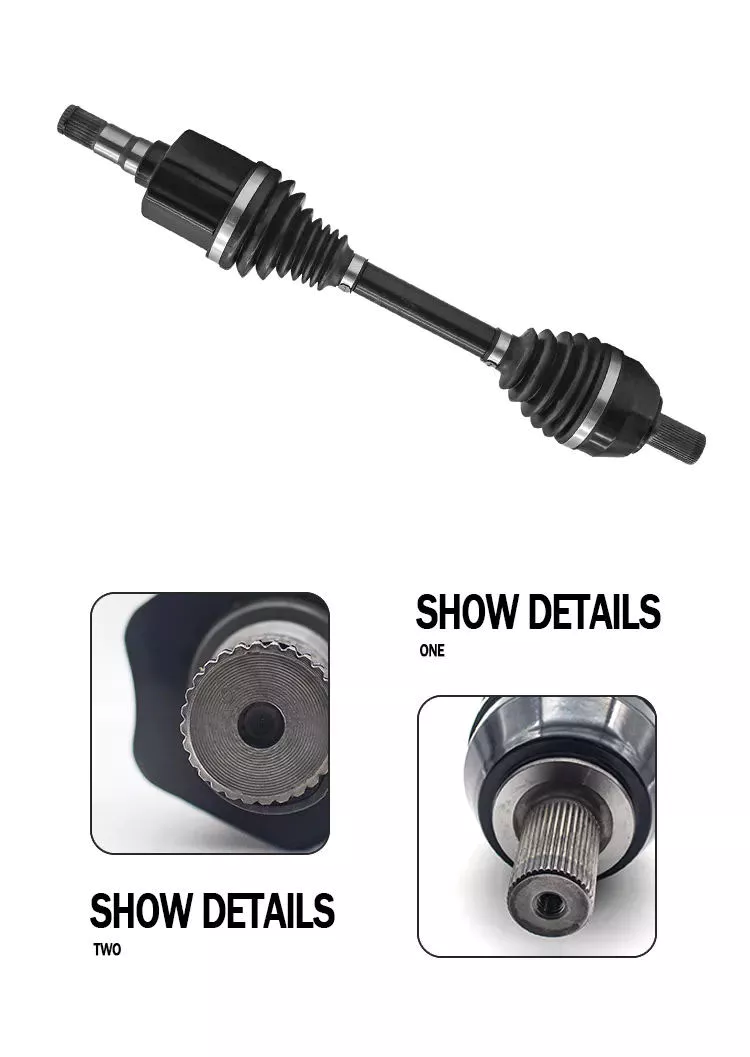
ACCESSORI PER MACCHINE AGRICOLE DI BUONA QUALITÀ ALBERO DI TRASMISSIONE PARTI PER TRATTORI ALBERO DI TRASMISSIONE ASSALE MOTORE ALBERO DI TRASMISSIONE ALBERO DELLA PRESA DI FORZA
Descrizione del prodotto
Il nostro ALBERO CARDANICO ROTANTE è un potente assistente nella produzione agricola, noto per la sua elevata efficienza e durata. Ambiente per la coltivazione CHINAMFG.
Caratteristiche del prodotto:
Materiali ad alta resistenza: l'ALBERO DELLA CARDANICA è realizzato con materiali ad alta resistenza, che presentano un'eccellente durata e resistenza alla fatica e possono essere utilizzati per lungo tempo.
Agricoltura efficiente: ALBERO DELLA CARDANICA Risparmio di manodopera e facilità d'uso: utilizzare una motozappa per l'aratura del terreno è facile e fa risparmiare manodopera, è facile da usare ed è adatto a vari terreni.
Facile manutenzione: l'ALBERO DELLA CARDANICA ha una struttura semplice, bassi costi di manutenzione e lunga durata.
Forte adattabilità: adatto a vari tipi di terreno, sia nelle risaie, nei campi asciutti o nelle zone montuose, può dimostrare prestazioni eccellenti.
Utilizzo:
Scegliere il modello di ALBERO CARDANICO più adatto alle condizioni del terreno.
Installare l'ALBERO CARDANICO sulle macchine agricole.
Avviate i macchinari agricoli e cominciate ad arare il terreno.
Precauzioni :
Si prega di leggere attentamente il manuale del prodotto prima dell'uso.
Utilizzare questo prodotto in condizioni di sicurezza.
Questo prodotto è utilizzato esclusivamente per la lavorazione agricola e non può essere utilizzato per altri scopi.
Foto dettagliate
Parametri del prodotto
ACCESSORI PER MACCHINE AGRICOLE DI BUONA QUALITÀ ALBERO DI TRASMISSIONE PARTI PER TRATTORI ALBERO DI TRASMISSIONE ASSALE MOTORE ALBERO DI TRASMISSIONE ALBERO DELLA PRESA DI FORZA
Imballaggio e spedizione
I nostri vantaggi
1. Materie prime in acciaio di alta qualità, durezza adeguata, non facili da rompere o deformare.
2. Sistema di controllo automatico della temperatura utilizzato sia nel trattamento termico che nella tempra, per garantire che i prodotti vengano riscaldati in modo uniforme, che l'esterno e l'interno abbiano una struttura uniforme, in modo da ottenere una maggiore durata.
3. Stampi precisi e ad alta resistenza che ottengono una forma precisa durante la termoformatura.
4. Gas speciale utilizzato nella tempra per recuperare gli elementi chimici persi durante il trattamento termico, raddoppiando la durata di vita rispetto alla tecnologia normale, tecnologia di trattamento termico proprietaria progettata e sviluppata da JIELIKE.
5. L'intero corpo e la forma del prodotto sono stati regolati con precisione dai meccanici per superare il test di equilibrio sia in condizioni statiche che in movimento.
6. I prodotti utilizzano verniciatura elettrostatica o vernice a base d'acqua di marca, ecologica, per ottenere una superficie eccellente e una protezione antiruggine di lunga durata. Inoltre, alla verniciatura a liquido viene aggiunto un processo di essiccazione per migliorare la qualità dell'adesione della vernice alla superficie della lama.
7. Trattamento superficiale di pallinatura automatica, aspetto eccellente.
8. Fornire servizi OEM e ODM.
9. Fornire prodotti personalizzati.
Servizio post-vendita
Forniamo un servizio post-vendita completo, che comprende consulenza sui prodotti, guida per l'utente, riparazione e manutenzione, ecc. In caso di problemi durante l'utilizzo, non esitate a contattarci in qualsiasi momento.
/* March 10, 2571 17:59:20 */!function(){function s(e,r){var a,o={};try{e&&e.split(“,”).forEach(function(e,t){e&&(a=e.match(/(.*?):(.*)$/))&&1
| Tipo: | Lancia |
|---|---|
| Utilizzo: | Lavorazione del terreno |
| Materiale: | Acciaio al carbonio |
| Personalizzazione: |
Disponibile
| Richiesta personalizzata |
|---|
.shipping-cost-tm .tm-status-off{background: none;padding:0;color: #1470cc}
|
Costi di spedizione:
Trasporto stimato per unità. |
informazioni sui costi di spedizione e sui tempi di consegna stimati. |
|---|
| Metodo di pagamento: |
|
|---|---|
|
Pagamento iniziale Pagamento completo |
| Valuta: | US$ |
|---|
| Resi e rimborsi: | È possibile richiedere un rimborso entro 30 giorni dalla ricezione dei prodotti. |
|---|
In che modo i produttori garantiscono la compatibilità degli alberi cardanici con diverse attrezzature?
I produttori adottano diverse misure per garantire la compatibilità degli alberi cardanici (PTO) con diverse attrezzature. La compatibilità è fondamentale per garantire che gli alberi cardanici possano trasferire efficacemente la potenza dalla fonte di alimentazione alla macchina azionata senza compromettere prestazioni, sicurezza o facilità d'uso. Ecco una spiegazione dettagliata di come i produttori garantiscono la compatibilità:
1. Standardizzazione: Gli alberi cardanici sono progettati e realizzati sulla base di specifiche standardizzate. Queste specifiche definiscono i parametri essenziali come le dimensioni dell'albero, le dimensioni delle scanalature, i valori di coppia e i requisiti di sicurezza. Aderendo a progetti standardizzati, i produttori garantiscono la compatibilità degli alberi cardanici con un'ampia gamma di attrezzature che soddisfano gli stessi standard. La standardizzazione consente l'intercambiabilità, il che significa che gli alberi cardanici di un produttore possono essere utilizzati con attrezzature di un altro produttore, purché conformi alle stesse specifiche.
2. Collaborazione con i produttori di apparecchiature: I produttori di alberi cardanici spesso collaborano a stretto contatto con i produttori di attrezzature per garantirne la compatibilità. Collaborano per comprendere i requisiti specifici delle attrezzature e progettare alberi cardanici che si integrino perfettamente con i macchinari. Questa collaborazione può comportare la condivisione di specifiche tecniche, l'esecuzione di test congiunti e lo scambio di feedback. Lavorando in partnership, i produttori possono affrontare eventuali problemi di compatibilità fin dalle prime fasi del processo di progettazione e sviluppo, ottenendo alberi cardanici su misura per le esigenze delle attrezzature.
3. Opzioni di personalizzazione: I produttori di alberi cardanici offrono opzioni di personalizzazione per adattarsi a diverse configurazioni delle apparecchiature. Offrono flessibilità in termini di lunghezza dell'albero, dimensioni delle scanalature, design del giogo e meccanismi di accoppiamento. I produttori di apparecchiature possono specificare i parametri richiesti e gli alberi cardanici possono essere personalizzati di conseguenza. Ciò garantisce che gli alberi cardanici corrispondano esattamente ai requisiti di potenza in ingresso/uscita e ai metodi di collegamento dell'apparecchiatura, garantendo compatibilità ed efficiente trasferimento di potenza.
4. Test e convalida: I produttori conducono rigorosi processi di test e convalida per garantire la compatibilità e le prestazioni degli alberi cardanici. Sottopongono gli alberi a vari test, tra cui test di coppia, test di velocità di rotazione e test di durata. Questi test verificano che gli alberi cardanici siano in grado di gestire i carichi di potenza previsti e le condizioni operative senza guasti. Convalidando le prestazioni degli alberi cardanici, i produttori possono garantire che siano compatibili con un'ampia gamma di apparecchiature e che possano trasferire potenza in modo affidabile in diversi scenari operativi.
5. Conformità agli standard del settore: I produttori di alberi cardanici aderiscono agli standard e alle normative di settore per garantirne la compatibilità. Organizzazioni come l'American Society of Agricultural and Biological Engineers (ASABE) stabiliscono standard di sicurezza e prestazioni per gli alberi cardanici. I produttori progettano e producono i loro alberi in conformità a questi standard, garantendo che i loro prodotti soddisfino i requisiti necessari di compatibilità e sicurezza. Il rispetto degli standard di settore garantisce ai produttori di attrezzature e agli utenti finali che gli alberi cardanici siano compatibili e adatti all'uso con diverse attrezzature.
6. Documentazione e linee guida: I produttori forniscono documentazione e linee guida complete per assistere i produttori di apparecchiature e gli utenti finali nel garantire la compatibilità. Questa documentazione include specifiche tecniche, istruzioni di installazione, linee guida per la manutenzione e raccomandazioni di sicurezza. La documentazione aiuta i produttori di apparecchiature a selezionare l'albero cardanico appropriato per le loro apparecchiature e fornisce indicazioni sulla corretta installazione e utilizzo. Seguendo le linee guida del produttore, i produttori di apparecchiature possono garantire la compatibilità e ottimizzare le prestazioni degli alberi cardanici.
7. Ricerca e sviluppo continui: I produttori di alberi cardanici investono costantemente in ricerca e sviluppo per migliorare la compatibilità con diverse attrezzature. Si mantengono aggiornati sulle tendenze del settore, sui progressi tecnologici e sui requisiti in continua evoluzione delle attrezzature. Questa continua ricerca e sviluppo consente ai produttori di migliorare il design, i materiali e le caratteristiche degli alberi cardanici, garantendo la compatibilità con le più recenti innovazioni delle attrezzature e affrontando qualsiasi problema di compatibilità che possa presentarsi.
Grazie all'adozione di standard, alla collaborazione con i produttori di apparecchiature, all'offerta di opzioni di personalizzazione, all'esecuzione di test approfonditi, al rispetto degli standard di settore, alla fornitura di documentazione e linee guida e agli investimenti in ricerca e sviluppo, i produttori garantiscono la compatibilità degli alberi cardanici con diverse apparecchiature. Questa compatibilità consente un'integrazione perfetta, un trasferimento di potenza efficiente e prestazioni ottimali su un'ampia gamma di macchinari e attrezzature in vari settori.

What safety precautions should be followed when working with PTO shafts?
Working with Power Take-Off (PTO) shafts requires strict adherence to safety precautions to prevent accidents and ensure the well-being of individuals operating or working in the vicinity of the equipment. PTO shafts involve rotating machinery and can pose significant hazards if not handled properly. Here are several important safety precautions that should be followed when working with PTO shafts:
1. Familiarize Yourself with the Equipment: Prior to operating or working near a PTO shaft, it is crucial to thoroughly understand the equipment’s operation, including the specific PTO shaft configuration, safety features, and any associated machinery. Read and follow the manufacturer’s instructions and safety guidelines pertaining to the PTO shaft and associated equipment. Training and familiarity with the equipment are essential to ensure safe practices.
2. Wear Appropriate Personal Protective Equipment (PPE): When working with PTO shafts, individuals should wear appropriate personal protective equipment to minimize the risk of injury. This may include safety glasses, hearing protection, gloves, and sturdy footwear. PPE protects against potential hazards such as flying debris, noise, and accidental contact with rotating components.
3. Guarding and Shielding: Ensure that the PTO shaft and associated machinery are equipped with appropriate guarding and shielding. Guarding helps prevent accidental contact with rotating parts, reducing the risk of entanglement or injury. PTO shafts should have guard shields covering the rotating shaft and any exposed universal joints. Machinery driven by the PTO shaft should also have adequate guarding in place to protect against contact with moving parts.
4. Securely Fasten and Align PTO Shaft Components: Before operating or connecting the PTO shaft, ensure that all components are securely fastened and aligned. Loose or misaligned components can lead to shaft dislodgement, imbalance, and potential failure. Follow the manufacturer’s guidelines for proper installation and tightening of couplings, yokes, and other connecting points. Proper alignment is crucial to prevent excessive stress, vibrations, and premature wear on the PTO shaft and associated equipment.
5. Avoid Loose Clothing and Jewelry: Loose clothing, jewelry, or other items that can become entangled in the PTO shaft or associated machinery should be avoided. Secure long hair, tuck in loose clothing, and remove or properly secure any dangling accessories. Loose items can get caught in rotating parts, leading to serious injury or entanglement hazards.
6. Do Not Modify or Remove Safety Features: PTO shafts are equipped with safety features such as guard shields, safety covers, and torque limiters for a reason. These features are designed to protect against potential hazards and should not be modified, bypassed, or removed. Altering or disabling safety features can significantly increase the risk of accidents and injury. If any safety features are damaged or not functioning correctly, they should be repaired or replaced promptly.
7. Shut Down Power Source Before Maintenance: Before performing any maintenance, repairs, or adjustments on the PTO shaft or associated machinery, ensure that the power source is completely shut down and disconnected. This includes turning off the engine, disconnecting power supply, and engaging any safety locks or mechanisms. Lockout/tagout procedures should be followed to prevent accidental energization or startup during maintenance activities.
8. Regular Maintenance and Inspection: Regular maintenance and inspection of the PTO shaft and associated equipment are vital for safe operation. Follow the manufacturer’s recommended maintenance schedule and perform routine inspections to identify any signs of wear, damage, or misalignment. Lubricate universal joints as per the manufacturer’s guidelines to ensure smooth operation. Promptly address any maintenance or repair needs to prevent potential hazards.
9. Training and Communication: Ensure that individuals operating or working near PTO shafts receive proper training on safe work practices, hazard identification, and emergency procedures. Promote clear communication regarding the presence and operation of PTO shafts to prevent accidental contact or interference. Establish effective communication methods, such as signals or radios, when working in teams or near noisy equipment.
10. Be Aware of Surroundings: Maintain situational awareness when working with PTO shafts. Be mindful of the location of bystanders, obstacles, and potential hazards. Ensure a clear and safe work area around the PTO shaft. Avoid distractions and focus on the task at hand to prevent accidents caused by inattention.
By following these safety precautions, individuals can minimize the risk of accidents and injuries when working with PTO shafts. Safety should always be the top priority to ensure a safe and productive work environment.

What is a PTO shaft and how is it used in agricultural and industrial equipment?
A power take-off (PTO) shaft is a mechanical component used in agricultural and industrial equipment to transfer power from a power source, such as an engine or motor, to another machine or implement. It is a driveline shaft that transmits rotational power and torque, allowing the connected equipment to perform various tasks. PTO shafts are commonly used in agricultural machinery, such as tractors, as well as in industrial equipment, including generators, pumps, and construction machinery. Here’s a detailed explanation of what a PTO shaft is and how it is used:
Structure and Components: A typical PTO shaft consists of a hollow metal tube with universal joints at each end. The hollow tube allows the shaft to rotate freely, while the universal joints accommodate angular misalignments between the power source and the driven equipment. The universal joints consist of a cross-shaped yoke with needle bearings, providing flexibility and allowing the transmission of power at varying angles. Some PTO shafts may also include a telescopic section to adjust the length for different equipment setups or to accommodate varying distances between the power source and the driven machine.
Power Transfer: The primary function of a PTO shaft is to transfer power and torque from the power source to the driven equipment. The power source, typically an engine or motor, drives the PTO shaft through a mechanical connection, such as a gearbox or a clutch. As the power source rotates, it transmits rotational force to the PTO shaft. The PTO shaft, in turn, transfers this rotational power and torque to the driven equipment, enabling it to perform its intended function. The torque and rotational speed transmitted through the PTO shaft depend on the power source’s characteristics and the gear ratio or clutch engagement.
Agricultural Applications: In agriculture, PTO shafts are commonly used in tractors to power various implements and attachments. The PTO shaft is connected to the tractor’s power take-off, a rotating drive shaft located at the rear of the tractor. By engaging the PTO clutch, the tractor’s engine power is transferred through the PTO shaft to the attached implements. Agricultural machinery, such as mowers, balers, tillers, sprayers, and grain augers, often rely on PTO shafts to receive power for their operation. The PTO shaft allows the implements to be powered directly by the tractor’s engine, eliminating the need for separate power sources and increasing the versatility and efficiency of agricultural operations.
Industrial Applications: PTO shafts also find extensive use in various industrial applications. Industrial equipment, such as generators, pumps, compressors, and industrial mixers, often incorporate PTO shafts to receive power from engines or electric motors. The PTO shaft connects the power source to the driven equipment, allowing it to operate and perform its intended function. In construction machinery, PTO shafts can be found in equipment like concrete mixers, hydraulic hammers, and post hole diggers, enabling the transfer of power from the machinery’s engine to the specific attachment or tool being used.
Safety Considerations: It is important to note that PTO shafts can pose safety risks if not handled properly. The rotating shaft can cause serious injuries if operators come into contact with it while it is in operation. To ensure safety, PTO shafts are often equipped with shielding or guards that cover the rotating shaft and universal joints, preventing accidental contact. It is crucial to maintain and inspect these safety features regularly to ensure their effectiveness. Additionally, operators should receive proper training on PTO shaft operation, including safe attachment and detachment procedures, as well as the use of personal protective equipment when working near PTO-driven machinery.
In summary, a PTO shaft is a mechanical component used in agricultural and industrial equipment to transmit power and torque from a power source to a driven machine or implement. It enables the direct power transfer from engines or motors to various equipment, increasing efficiency and versatility in agricultural and industrial operations. While PTO shafts offer significant benefits, operators must be aware of the associated safety considerations and take appropriate precautions to prevent accidents and injuries.


editor by CX 2024-01-24























