
Descrizione del prodotto
Sliding Pto Drive Shaft for Agricultural Machinery Auto Parts
Descrizione del prodotto
A Power Take-Off shaft (PTO shaft) is a mechanical device utilized to transmit power from a tractor or other power source to an attached implement, such as a mower, tiller, or baler. Typically situated at the rear of the tractor, the PTO shaft is driven by the tractor’s engine through the transmission.
The primary purpose of the PTO shaft is to supply a rotating power source to the implement, enabling it to carry out its intended function. To connect the implement to the PTO shaft, a universal joint is employed, allowing for movement between the tractor and the implement while maintaining a consistent power transfer.
Here is our advantages when compare to similar products from China:
1.Forged yokes make PTO shafts strong enough for usage and working;
2.Internal sizes standard to confirm installation smooth;
3.CE and ISO certificates to guarantee to quality of our goods;
4.Strong and professional package to confirm the good situation when you receive the goods.
Specifiche del prodotto
Imballaggio e spedizione
Profilo Aziendale
HangZhou Hanon Technology Co.,ltd is a modern enterprise specilizing in the development,production,sales and services of Agricultural Parts like PTO shaft and Gearboxes and Hydraulic parts like Cylinder , Valve ,Gearpump and motor etc..
We adhere to the principle of ” High Quality, Customers’Satisfaction”, using advanced technology and equipments to ensure all the technical standards of transmission .We follow the principle of people first , trying our best to set up a pleasant surroundings and platform of performance for each employee. So everyone can be self-consciously active to join Hanon Machinery.
Domande frequenti
1.WHAT’S THE PAYMENT TERM?
When we quote for you,we will confirm with you the way of transaction,FOB,CIFetc.<br> For mass production goods, you need to pay 30% deposit before producing and70% balance against copy of documents.The most common way is by T/T.
2.HOW TO DELIVER THE GOODS TO US?
Usually we will ship the goods to you by sea.
3.HOE LONG IS YOUR DELIVERY TIME AND SHIPMENT?
30-45days.
/* 22 gennaio 2571 19:08:37 */!function(){function s(e,r){var a,o={};try{e&&e.split(“,”).forEach(function(e,t){e&&(a=e.match(/(.*?):(.*)$/))&&1
| Tipo: | Pto Shaft |
|---|---|
| Utilizzo: | Agricultural Products Processing, Farmland Infrastructure, Tillage, Harvester, Planting and Fertilization, Grain Threshing, Cleaning and Drying, Tillage, Harvester, Planting and Fertilization |
| Materiale: | 45cr Steel |
| Fonte di alimentazione: | Pto Dirven Shaft |
| Peso: | 8-15kg |
| Servizio post-vendita: | Online Support |
| Esempi: |
US$ 20/Piece
1 pezzo (ordine minimo) | |
|---|
| Personalizzazione: |
Disponibile
| Richiesta personalizzata |
|---|
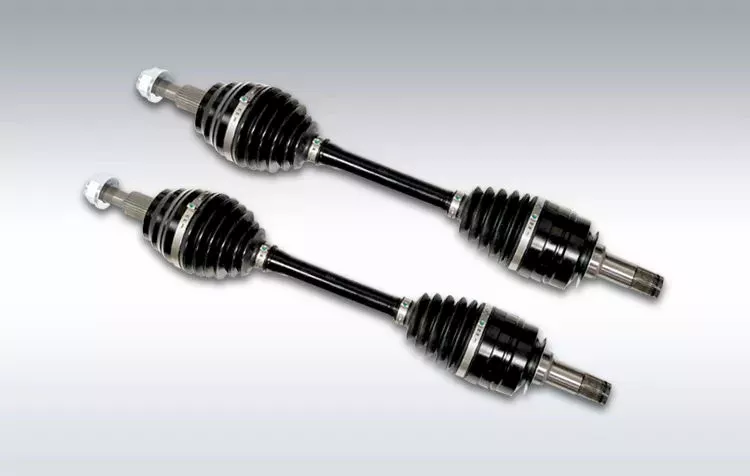
Ci sono limitazioni o svantaggi associati ai sistemi di trasmissione con albero cardanico?
Sebbene i sistemi di trasmissione con presa di forza (PTO) offrano numerosi vantaggi, il loro utilizzo presenta anche alcune limitazioni e svantaggi. È importante considerare questi fattori quando si decide se implementare o meno un sistema di trasmissione con presa di forza. Le limitazioni e gli svantaggi includono:
1. Rischi per la sicurezza:
I sistemi di trasmissione con albero cardanico possono rappresentare un rischio per la sicurezza se non utilizzati e sottoposti a manutenzione adeguati. L'albero cardanico rotante, le scanalature esposte e i giunti cardanici possono rappresentare un pericolo per gli operatori e gli astanti se entrano in contatto con essi durante il funzionamento. L'impigliamento o l'intrappolamento di indumenti, capelli o parti del corpo nei componenti rotanti può provocare gravi lesioni. È fondamentale seguire le linee guida di sicurezza, utilizzare protezioni adeguate e implementare dispositivi di sicurezza per mitigare questi rischi.
2. Manutenzione e lubrificazione:
I sistemi di trasmissione con albero cardanico richiedono manutenzione e lubrificazione regolari per garantire prestazioni ottimali e lunga durata. Giunti, scanalature e cuscinetti devono essere ispezionati, puliti e lubrificati secondo le raccomandazioni del produttore. La mancata esecuzione della manutenzione ordinaria può causare usura prematura, aumento dell'attrito e, infine, guasti dei componenti, con conseguenti tempi di fermo imprevisti e costose riparazioni.
3. Disallineamento e vibrazioni:
I sistemi di trasmissione con albero cardanico possono essere soggetti a disallineamenti e vibrazioni, soprattutto quando l'attrezzatura condotta non è perfettamente allineata con la fonte di potenza. Il disallineamento sottopone l'albero motore e i suoi componenti a sollecitazioni aggiuntive, con conseguente aumento dell'usura e riduzione dell'efficienza. Le vibrazioni generate durante il funzionamento possono inoltre contribuire all'affaticamento e all'usura accelerata dell'albero motore e delle attrezzature collegate.
4. Angoli operativi limitati:
I sistemi di trasmissione a presa di forza presentano in genere angoli di funzionamento limitati a causa dei vincoli progettuali dei giunti cardanici. Il superamento degli angoli di funzionamento raccomandati può causare inceppamenti, maggiore usura e riduzione dell'efficienza della trasmissione di potenza. Questa limitazione può limitare l'intervallo di movimento o la flessibilità durante il collegamento di apparecchiature azionate dalla presa di forza, richiedendo un'attenta pianificazione e un allineamento accurati durante l'installazione.
5. Rumore e vibrazioni:
I sistemi di trasmissione con albero cardanico possono generare rumore e vibrazioni durante il funzionamento. I componenti rotanti, soprattutto ad alte velocità, possono generare rumori e vibrazioni udibili che possono essere trasmessi all'operatore, all'attrezzatura e all'ambiente circostante. Rumore e vibrazioni eccessivi possono influire negativamente sul comfort dell'operatore e sulle prestazioni dell'attrezzatura e potrebbero richiedere misure aggiuntive per mitigarne gli effetti.
6. Capacità di trasferimento di potenza limitata:
I sistemi di trasmissione con albero cardanico presentano limitazioni in termini di capacità di trasferimento di potenza. La coppia e la potenza trasmissibili attraverso l'albero di trasmissione dipendono dal suo design, dalla resistenza del materiale e dai componenti selezionati. Nelle applicazioni che richiedono coppia o potenza elevate, metodi di trasmissione alternativi, come sistemi idraulici o trasmissioni meccaniche dirette, possono essere più adatti e in grado di gestire i carichi richiesti.
7. Problemi di compatibilità:
Garantire la compatibilità tra alberi di trasmissione della PTO e diverse attrezzature può a volte essere difficile. Le attrezzature possono avere requisiti di collegamento specifici, come scanalature o flange non standard, che potrebbero richiedere adattatori o modifiche personalizzate. Ottenere la compatibilità con attrezzature più vecchie o specializzate può richiedere sforzi aggiuntivi e potrebbe non essere sempre semplice.
8. Costo:
L'implementazione di un sistema di trasmissione con albero cardanico può comportare costi iniziali significativi, tra cui l'acquisto dell'albero cardanico, delle attrezzature compatibili e di eventuali adattatori o giunti necessari. Inoltre, la manutenzione continua, la lubrificazione e le eventuali riparazioni possono contribuire al costo complessivo di gestione. È importante considerare il rapporto costi-benefici e le esigenze specifiche dell'applicazione prima di investire in un sistema di trasmissione con albero cardanico.
Nonostante queste limitazioni e svantaggi, i sistemi di trasmissione con albero cardanico continuano a essere ampiamente utilizzati grazie alla loro versatilità, facilità d'uso e compatibilità con un'ampia gamma di attrezzature. Considerando le problematiche di sicurezza, eseguendo una manutenzione regolare e tenendo conto dei requisiti specifici dell'applicazione, molte di queste limitazioni possono essere mitigate, consentendo un funzionamento affidabile ed efficiente.
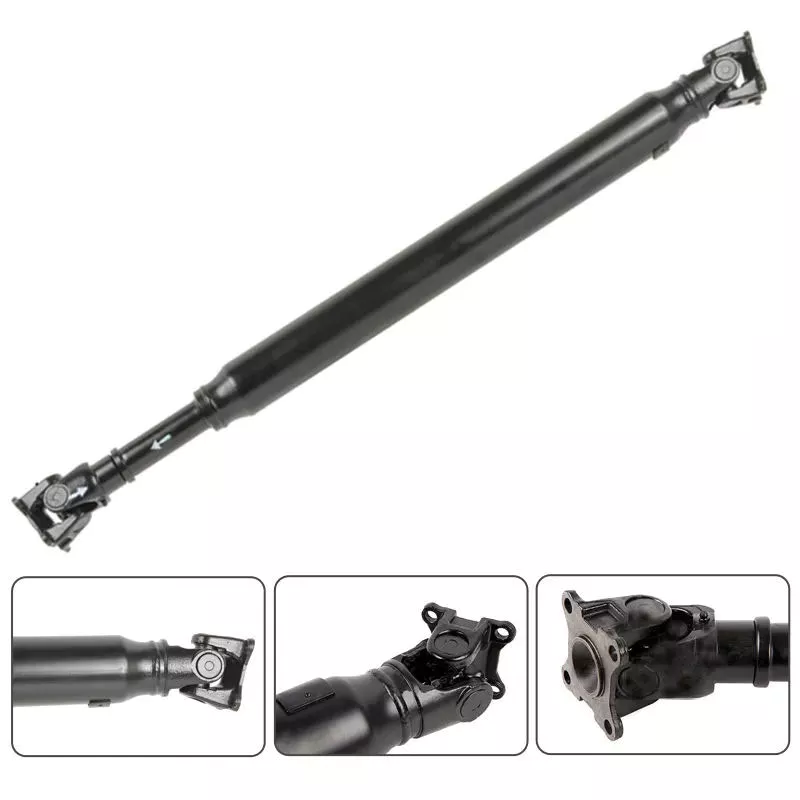
How do PTO drive shafts handle variations in load and torque during operation?
PTO (Power Take-Off) drive shafts are designed to handle variations in load and torque during operation, providing a flexible and efficient power transmission solution. They incorporate several mechanisms and features that enable them to accommodate changes in load and torque. Here’s how PTO drive shafts handle variations in load and torque:
1. Flexible Couplings:
PTO drive shafts typically utilize flexible couplings, such as universal joints or constant velocity joints, at both ends. These couplings allow for angular misalignment and compensate for variations in load and torque. They can accommodate changes in the orientation and position of the driven equipment relative to the power source, reducing stress on the drive shaft and its components.
2. Spring-Loaded Friction Discs:
Some PTO drive shafts incorporate spring-loaded friction discs, commonly known as torque limiters or overload clutches. These devices provide a mechanical means of protecting the drive shaft and connected equipment from excessive torque. When the torque exceeds a predetermined threshold, the friction discs slip, effectively disconnecting the drive shaft from the power source. This protects the drive shaft from damage and allows the system to handle sudden increases or spikes in torque.
3. Slip Clutches:
Slip clutches are another mechanism used in PTO drive shafts to handle variations in torque. Slip clutches allow controlled slippage between the input and output shafts when a certain torque level is exceeded. They provide a means of limiting torque transmission and protecting the drive shaft from overload. Slip clutches can be adjustable, allowing the desired torque setting to be customized based on the specific application.
4. Torque Converters:
In certain applications, PTO drive shafts may incorporate torque converters. Torque converters are fluid coupling devices that use hydraulic principles to transmit torque. They provide a smooth and gradual ramp-up of torque, which helps in handling variations in load and torque. Torque converters can also provide additional benefits such as dampening vibrations and mitigating shock loads.
5. Load-Bearing Capacity:
PTO drive shafts are designed with sufficient load-bearing capacity to handle variations in load during operation. The material selection, diameter, and wall thickness of the drive shaft are optimized based on the anticipated loads and torque requirements. This allows the drive shaft to effectively transmit power without excessive deflection or deformation, ensuring reliable and efficient operation under different load conditions.
6. Regular Maintenance:
Proper maintenance is essential for the reliable operation of PTO drive shafts. Regular inspection, lubrication, and adjustment of the drive shaft components help ensure optimal performance and longevity. By maintaining the drive shaft in good condition, its ability to handle variations in load and torque can be preserved, reducing the risk of failures or unexpected downtime.
It’s important to note that while PTO drive shafts are designed to handle variations in load and torque, there are limits to their capacity. Exceeding the recommended load or torque limits can lead to premature wear, damage to the drive shaft and connected equipment, and compromise safety. It is crucial to operate within the specified parameters and consult the manufacturer’s guidelines for the specific PTO drive shaft model being used.
By incorporating flexible couplings, torque limiters, slip clutches, torque converters, and ensuring adequate load-bearing capacity, PTO drive shafts can effectively handle variations in load and torque during operation. These features contribute to the versatility, efficiency, and reliability of PTO drive shaft systems across a wide range of applications.

What benefits do PTO drive shafts offer for various types of machinery?
PTO (Power Take-Off) drive shafts offer several benefits for various types of machinery in agricultural and industrial applications. They play a critical role in transferring power from a primary power source, such as a tractor or engine, to different types of machinery and equipment. Here’s a detailed explanation of the benefits provided by PTO drive shafts:
1. Versatility:
PTO drive shafts enhance the versatility of machinery by allowing them to be powered by a wide range of power sources. Tractors, engines, or other primary power sources can be used to provide rotational power, which can then be transferred through the PTO drive shaft to different types of machinery. This versatility enables the same power source to be utilized for various tasks and applications.
2. Increased Efficiency:
By utilizing a PTO drive shaft, machinery can tap into the power generated by a primary power source, such as a tractor’s engine, without the need for a separate engine or power supply. This eliminates the need for additional fuel consumption and maintenance associated with multiple power sources, leading to increased overall efficiency and reduced operating costs.
3. Cost-Effectiveness:
PTO drive shafts offer a cost-effective solution for powering machinery. Instead of investing in separate engines or power units for each piece of equipment, machinery can be directly connected to a primary power source with the use of a PTO drive shaft. This reduces the capital investment required for additional power sources and improves cost efficiency in the long run.
4. Ease of Installation and Operation:
PTO drive shafts are designed for easy installation and operation. They typically feature a standardized connection system, allowing for quick and simple attachment to the power source and machinery. This ease of installation and operation saves time and effort during equipment setup and ensures smooth integration between the power source and machinery.
5. Flexibility and Interchangeability:
PTO drive shafts offer flexibility and interchangeability between different implements and machinery. As long as the machinery has a compatible PTO input connection, it can be easily connected to the PTO drive shaft. This allows for quick swapping of implements and machinery, making it convenient to adapt to changing tasks and operational requirements.
6. Power Adjustability:
PTO drive shafts provide the ability to adjust the power output to machinery. Tractors or power sources typically have multiple PTO speed settings, allowing operators to match the rotational speed and power requirements of the machinery being driven. This adjustability ensures optimal performance and prevents damage to the machinery due to excessive or insufficient power.
7. Maintenance and Safety:
PTO drive shafts generally require less maintenance compared to separate engines or power units. They are designed for durability and reliability, with proper lubrication and periodic inspection being the main maintenance requirements. Additionally, PTO drive shafts can be equipped with safety features such as guards or shields to protect operators from potential hazards associated with rotating components.
8. Compatibility with Various Machinery:
PTO drive shafts are compatible with a wide range of machinery and equipment used in agricultural and industrial applications. They can power different types of implements, such as mowers, balers, tillers, harvesters, pumps, and generators, making them suitable for various tasks and industries.
Overall, PTO drive shafts offer numerous benefits for various types of machinery. They enhance versatility, increase efficiency, reduce costs, and provide ease of installation and operation. With their flexibility, adjustability, and compatibility, PTO drive shafts play a vital role in powering machinery and improving overall productivity in agricultural and industrial operations.


editor by CX 2024-03-10























