
Descrizione del prodotto
CZPT tractor parts PTO Power Transmission Shaft PTO drive shaft
Our Services
Why choosing us?
1.We are manufacturer, we have Well and High Quality Control
2.Prompt Delivery
3.Customer’s Design and Logo are Welcome
4.Competitive Prices directly from factory
5.Small Order Acceptable
6.OEM / ODM Accepted
Pre-sales service After-sales Service
*Inquiry and consulting support * training how to instal the machine
* View factory * training how to use the machine
company information :
SHUNYU company mainly supply Farm tractors, Combine harvesters and related Implements, as well as their spare parts.
Also we offer OEM service for Different brands tractors PTO Driving shafts, Gears, Rotary blades.
If you could not find the products on our website, Welcome to send us drawing or sample, we could custom as your needs.
/* 22 gennaio 2571 19:08:37 */!function(){function s(e,r){var a,o={};try{e&&e.split(“,”).forEach(function(e,t){e&&(a=e.match(/(.*?):(.*)$/))&&1
| Tipo: | Lancia |
|---|---|
| Utilizzo: | Agricultural Products Processing, Harvester |
| Fonte di alimentazione: | Diesel |
| Servizio post-vendita: | Online Support |
| Garanzia: | 12 Months |
| Transport Package: | Standard Export Packing or as Your Needed |
| Personalizzazione: |
Disponibile
| Richiesta personalizzata |
|---|
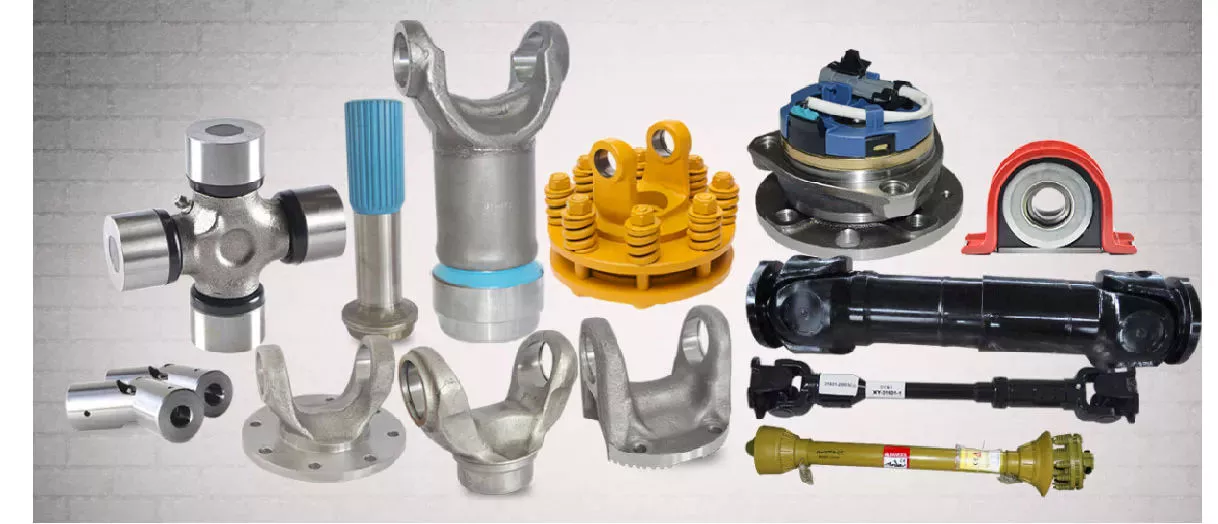
How do PTO drive shafts ensure efficient power transfer while maintaining safety?
PTO (Power Take-Off) drive shafts are designed to ensure efficient power transfer while prioritizing safety. These drive shafts incorporate various mechanisms and features to achieve both objectives. Here’s a detailed explanation of how PTO drive shafts ensure efficient power transfer while maintaining safety:
1. Robust Construction:
PTO drive shafts are typically constructed using high-quality materials such as steel or composite materials that offer strength and durability. The robust construction allows them to withstand the torque and power demands of the application, ensuring efficient power transfer without excessive flexing or deformation that could result in energy loss or premature failure.
2. Precise Alignment:
Efficient power transfer requires precise alignment between the PTO drive shaft, the primary power source (e.g., engine, transmission), and the implement or equipment being driven. Misalignment can lead to power loss, increased wear, and potential safety hazards. PTO drive shafts are designed with adjustable lengths or flexible couplings to accommodate variations in equipment size and ensure proper alignment, maximizing power transmission efficiency.
3. Connection Safety Features:
PTO drive shafts incorporate safety features to prevent accidents and minimize the risk of injury. One common safety feature is the use of shear pins or torque limiters. These components are designed to break or slip under excessive torque, protecting the drive shaft and connected equipment from damage. By sacrificing the shear pin, the PTO drive shaft disengages in case of overload, ensuring the safety of operators and preventing costly repairs.
4. Overload Protection:
Overload protection mechanisms are crucial for maintaining safety and preventing damage to the PTO drive shaft and associated equipment. Clutch systems or slip clutches can be employed to disengage the drive shaft when excessive torque or speed is encountered. These mechanisms allow the drive shaft to slip or disengage momentarily, preventing damage and reducing the risk of injury to operators or bystanders.
5. Shielding and Guarding:
PTO drive shafts are often equipped with shielding and guarding to prevent contact with moving parts. These protective covers ensure that operators and bystanders are shielded from rotating shafts, universal joints, and other potentially hazardous components. Proper shielding and guarding reduce the risk of entanglement, entrapment, or accidental contact, enhancing overall safety.
6. Conformità agli standard di sicurezza:
PTO drive shafts are designed and manufactured to comply with relevant safety standards and regulations. These standards, such as ISO 500-1, specify requirements for power transmission components, including PTO drive shafts. Compliance with these standards ensures that the drive shafts meet necessary safety criteria and undergo rigorous testing to ensure their reliability and performance.
7. Regular Maintenance and Inspection:
Maintaining the safety and efficiency of PTO drive shafts requires regular maintenance and inspection. Operators should follow recommended maintenance schedules, including lubrication, inspection of components, and replacement of worn or damaged parts. Regular inspections help identify potential safety issues, such as worn bearings, damaged shielding, or compromised safety features, allowing for timely repairs or replacements.
8. Operator Training and Awareness:
Efficient power transfer and safety also depend on operator training and awareness. Operators should receive proper training on the safe operation and maintenance of PTO drive shafts. This includes understanding safety procedures, recognizing potential hazards, and being aware of the risks associated with improper use or maintenance. Promoting a culture of safety and providing ongoing training helps ensure that PTO drive shafts are used correctly and that potential risks are minimized.
By incorporating robust construction, precise alignment, connection safety features, overload protection, shielding and guarding, compliance with safety standards, regular maintenance and inspection, and operator training and awareness, PTO drive shafts can achieve efficient power transfer while maintaining a high level of safety. These measures help prevent accidents, protect equipment and operators, and ensure reliable and effective power transmission in various applications.
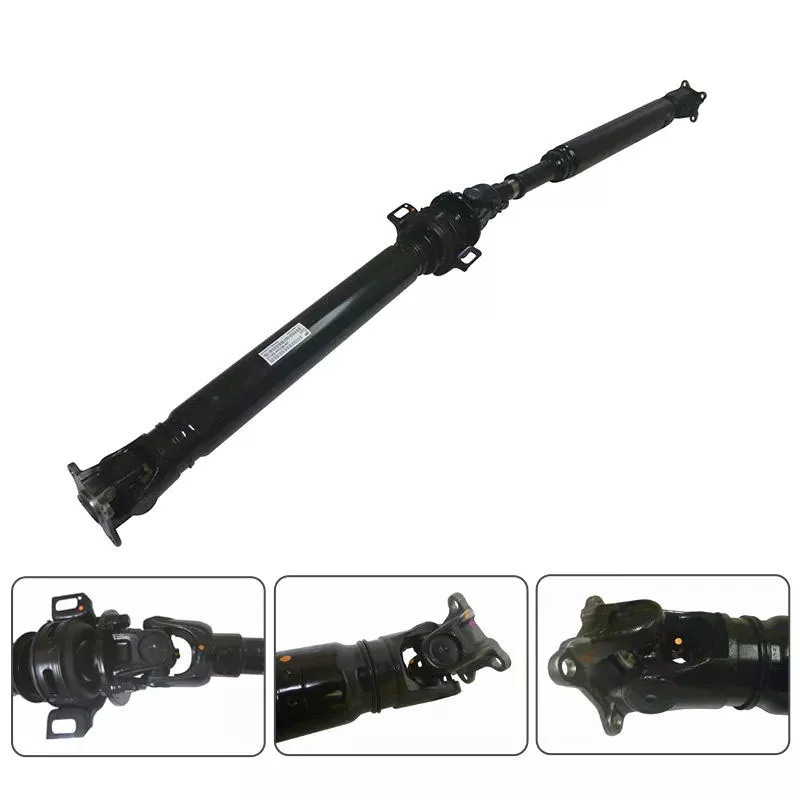
In che modo gli alberi di trasmissione della presa di forza migliorano le prestazioni dei trattori e delle macchine agricole?
Gli alberi di trasmissione PTO (Power Take-Off) svolgono un ruolo fondamentale nel migliorare le prestazioni di trattori e macchine agricole. Forniscono un meccanismo di trasmissione della potenza affidabile ed efficiente, consentendo diverse funzioni e migliorando la produttività complessiva. Ecco come gli alberi di trasmissione PTO migliorano le prestazioni di trattori e macchine agricole:
1. Versatilità e compatibilità:
Gli alberi di trasmissione della presa di forza sono progettati per essere versatili e compatibili con un'ampia gamma di attrezzi e macchinari agricoli. Sono disponibili in dimensioni e configurazioni standardizzate, consentendo un facile collegamento e scollegamento degli attrezzi. Questa compatibilità consente ad agricoltori e operatori di passare rapidamente da un attrezzo all'altro, come aratri, falciatrici, presse e seminatrici, senza la necessità di modifiche o cambiamenti significativi all'attrezzatura. La versatilità degli alberi di trasmissione della presa di forza aumenta la flessibilità e l'efficienza dei macchinari agricoli, consentendo loro di svolgere più attività con facilità.
2. Trasferimento di potenza:
Una delle funzioni principali degli alberi di trasmissione della presa di forza è quella di trasferire la potenza dal motore del trattore alle varie attrezzature agricole. Trasmettono la potenza di rotazione a una velocità costante, consentendo alle attrezzature di svolgere le loro funzioni in modo efficiente. Questo trasferimento diretto di potenza elimina la necessità di motori separati per ciascuna attrezzatura, con un conseguente risparmio di tempo e risorse. Gli alberi di trasmissione della presa di forza forniscono un mezzo di trasmissione di potenza affidabile ed efficiente, garantendo prestazioni ottimali delle macchine agricole.
3. Aumento della produttività:
Grazie alla possibilità di collegare diversi attrezzi, gli alberi di trasmissione della presa di forza contribuiscono in modo significativo ad aumentare la produttività. I trattori dotati di alberi di trasmissione della presa di forza possono passare rapidamente da un'attività all'altra, come aratura, semina e raccolta, senza dover interrompere il lavoro o sostituire le attrezzature. Ciò consente agli agricoltori di utilizzare al meglio i propri macchinari e di completare i lavori in modo tempestivo. La possibilità di collegare e scollegare facilmente gli attrezzi tramite alberi di trasmissione della presa di forza migliora la produttività complessiva delle operazioni agricole.
4. Efficienza temporale:
Gli alberi di trasmissione della presa di forza svolgono un ruolo cruciale nel risparmio di tempo durante le attività agricole. Eliminano la necessità di manodopera manuale o animale, consentendo operazioni più rapide ed efficienti. Grazie agli alberi di trasmissione della presa di forza, le macchine agricole possono svolgere attività come aratura, lavorazione del terreno e falciatura a un ritmo costante ed efficiente. Questa efficienza temporale aumenta la produttività complessiva dell'azienda agricola e consente agli operatori di coprire aree più ampie in meno tempo.
5. Controllo preciso della potenza:
Gli alberi di trasmissione della presa di forza offrono un controllo preciso della potenza, consentendo agli operatori di regolare la velocità di rotazione degli attrezzi in base alle esigenze del lavoro. Questo controllo è particolarmente utile in attività come la falciatura o l'irrorazione, dove diversi tipi di vegetazione o coltura possono richiedere impostazioni di potenza specifiche. Con gli alberi di trasmissione della presa di forza, gli operatori possono regolare con precisione la potenza erogata per ottenere risultati ottimali, garantendo prestazioni efficienti ed efficaci delle macchine agricole.
6. Riduzione dell'affaticamento dell'operatore:
L'uso di alberi di trasmissione della presa di forza riduce lo sforzo fisico degli operatori. Invece di affidarsi alla forza manuale o animale per azionare gli attrezzi, gli operatori possono sfruttare la potenza trasmessa attraverso l'albero di trasmissione della presa di forza. Ciò riduce l'affaticamento, consentendo agli operatori di lavorare per periodi più lunghi senza eccessivo affaticamento. La riduzione dell'affaticamento dell'operatore contribuisce ad aumentare la produttività e le prestazioni complessive nelle attività agricole.
7. Integrazione con la tecnologia moderna:
Gli alberi di trasmissione della presa di forza possono essere integrati con la moderna tecnologia dei trattori e con i sistemi di controllo. Questa integrazione consente un controllo comodo e preciso dell'innesto e del disinnesto della presa di forza, della velocità di rotazione e di altri parametri. I trattori dotati di alberi di trasmissione della presa di forza possono essere integrati con sistemi di guida GPS, tecnologie di agricoltura di precisione e sistemi di gestione dei dati, migliorando ulteriormente le prestazioni e l'efficienza delle operazioni agricole.
8. Facilità di manutenzione:
Gli alberi di trasmissione della presa di forza sono in genere progettati per facilitare la manutenzione. Spesso sono dotati di punti di lubrificazione accessibili, porte di ispezione e componenti sostituibili, facilitando il mantenimento in buone condizioni di funzionamento. Una manutenzione regolare garantisce prestazioni ottimali, riduce il rischio di guasti imprevisti e massimizza l'efficienza di trattori e macchine agricole.
In sintesi, gli alberi di trasmissione della presa di forza migliorano le prestazioni di trattori e macchine agricole offrendo versatilità, consentendo il trasferimento di potenza, aumentando la produttività, risparmiando tempo, offrendo un controllo preciso della potenza, riducendo l'affaticamento dell'operatore, integrandosi con le tecnologie moderne e semplificando la manutenzione. Grazie alle capacità offerte dagli alberi di trasmissione della presa di forza, agricoltori e operatori possono ottenere un funzionamento efficiente ed efficace dei loro macchinari, con conseguente miglioramento della produttività e della redditività agricola.

How do PTO drive shafts contribute to transferring power from tractors to implements?
PTO (Power Take-Off) drive shafts play a crucial role in transferring power from tractors to implements in agricultural and industrial applications. They provide a mechanical connection that enables the efficient and reliable transfer of rotational power from the tractor’s engine to various implements. Here’s a detailed explanation of how PTO drive shafts contribute to transferring power:
1. Power Source:
A tractor serves as the primary power source in agricultural operations. The engine of the tractor generates rotational power, which needs to be transmitted to the attached implements to perform specific tasks. The power generated by the engine is harnessed and transferred through the PTO drive shaft.
2. PTO Output Shaft:
Tractors are equipped with a PTO output shaft, typically located at the rear of the tractor. The PTO output shaft is specifically designed to transfer power to external devices, such as implements or machinery. The PTO drive shaft connects directly to this output shaft to receive power.
3. PTO Drive Shaft Configuration:
The PTO drive shaft consists of a rotating shaft with splines at both ends. These splines provide a secure and robust connection to the PTO output shaft of the tractor and the input shaft of the implement. The drive shaft is designed to transmit rotational power while accommodating the varying distance and alignment between the tractor and the implement.
4. Attachments and Implement Input Shaft:
The other end of the PTO drive shaft connects to the input shaft of the implement. The implement may have a specific attachment point or a PTO driveline connection designed to receive the drive shaft. The implement’s input shaft is precisely aligned with the drive shaft to ensure efficient power transfer.
5. Mechanical Power Transfer:
Once the PTO drive shaft is properly connected to both the tractor’s PTO output shaft and the implement’s input shaft, it serves as a mechanical link between the two. As the tractor’s engine runs, the rotational power generated by the engine is transferred through the PTO output shaft and into the drive shaft.
6. Rotational Power Delivery:
The PTO drive shaft rotates at the same speed as the tractor’s engine, effectively delivering the rotational power to the implement. The implement utilizes this power to drive its specific machinery or perform various tasks, such as cutting, tilling, mowing, or pumping.
7. Power Transmission Efficiency:
PTO drive shafts are designed to maximize power transmission efficiency. They are typically constructed using high-strength materials and precision engineering to minimize energy losses and ensure a reliable transfer of power. Proper maintenance, including lubrication and periodic inspections, is essential to maintain optimal power transmission efficiency.
8. Safety Considerations:
PTO drive shafts can pose safety risks if not used correctly. It is important to follow safety guidelines and ensure that the drive shaft is properly guarded to prevent contact with rotating components. Operators should also exercise caution during attachment and detachment procedures to avoid accidents or injuries.
In summary, PTO drive shafts serve as the vital link between tractors and implements, facilitating the transfer of rotational power. They provide a mechanical connection that efficiently transmits power from the tractor’s engine to the implement, enabling a wide range of agricultural and industrial tasks to be performed effectively and efficiently.


editor by CX 2024-04-04























