
Descrizione del prodotto
Specifiche del prodotto:
| Modello | Modello BX92RS |
| Capacità del cippatore | 250 mm/10" |
| Apertura dell'alloggiamento del cippatore | 10"x15" |
| Numero di coltelli | 4 |
| Dimensioni del rotore | 36” |
| Sistema di alimentazione | Alimentazione idraulica |
| Tramoggia piegata | 66"Lx68"Wx90"H |
| Apertura della tramoggia | 25"x25" |
| Sistema di montaggio | Attacco a 3 punti |
| Rotazione della cappa di scarico | 360˚ |
| Altezza della cappa di scarico | 90” |
| Peso della struttura | 625 kg |
| Potenza del trattore | 70-120 CV |
Descrizione del prodotto:
Il cippatore per legno BX92RS con presa di forza idraulica ha una capacità di cippatura di 9" e un'apertura di alloggiamento del cippatore di 10,5" x 14" ed è dotato di un rotore pesante da 125 kg. Questo modello di cippatore per legno ha un'alimentazione idraulica diretta dai connettori idraulici posteriori del trattore.
Trasmissione PTO diretta che funziona come un sistema di trasmissione fisso e senza l'uso di ingranaggi e cinghie di trasmissione; questo modello è dotato di serie di lame facilmente sostituibili rimuovendo 3 bulloni rimovibili per un accesso semplice e facile alla metà superiore dell'alloggiamento; la tramoggia può anche essere completamente aperta con 2 bulloni rimovibili.
Questo modello di cippatrice è dotato di un sistema di alimentazione completamente idraulico che consente di impostare la portata in modo rapido, medio o lento e di scegliere tra 3 opzioni di impostazione della direzione di alimentazione: avanti, indietro e in folle.
Il modello idraulico consente una cippatura uniforme poiché il sistema idraulico è dotato di doppi bracci di supporto su entrambi i lati della tramoggia interna con forza motrice dal suo motore idraulico e con un sistema a doppia canna che consente il movimento di trascinamento per un taglio uniforme.
Il modello Hydraulic Feed Chipper è un cippatore semplice e a bassa manutenzione, in grado di gestire anche il legno più duro e nodoso.
I nostri vantaggi:
Un set completo di attrezzature di produzione garantisce tempi di consegna più rapidi e prezzi più vantaggiosi per i macchinari.
Garanzia 1 anno di garanzia su tutti i nostri prodotti.
Produciamo macchine in base a qualsiasi esigenza dei nostri clienti.
Ogni anno verranno sviluppate nuove macchine.
Ogni modello della nostra macchina verrà testato prima della consegna al porto.
Se desiderate visitare la nostra fabbrica, il nostro capo vi riserverà la migliore accoglienza.
Ogni anno prima di Natale verranno consegnati a tutti i nostri clienti dei bellissimi regali.
Officina e ufficio:
Saldatura:
Albero della lama:
Apparecchiature laser:
Ufficio:
Luogo di riposo:
Montaggio:
Macchine finite:
CNC:
/* 22 gennaio 2571 19:08:37 */!function(){function s(e,r){var a,o={};try{e&&e.split(“,”).forEach(function(e,t){e&&(a=e.match(/(.*?):(.*)$/))&&1
| Servizio post-vendita: | Entro un'ora |
|---|---|
| Garanzia: | Un anno |
| Colore: | Personalizzato |
| Logo: | OEM |
| Sistema di alimentazione: | Alimentazione idraulica |
| Dimensioni del rotore: | 36′′ |
| Personalizzazione: |
Disponibile
| Richiesta personalizzata |
|---|
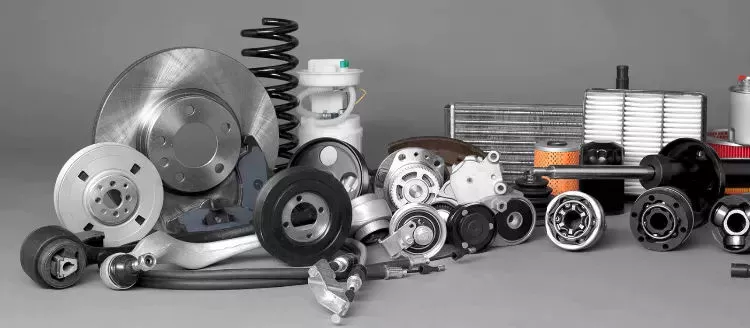
How do PTO drive shafts handle variations in length and connection methods?
PTO (Power Take-Off) drive shafts are designed to handle variations in length and connection methods, allowing them to be adaptable to different equipment setups and applications. These variations are accommodated through the following features and mechanisms:
1. Telescoping Design:
Many PTO drive shafts are designed with a telescoping mechanism, which enables the length of the drive shaft to be adjusted. Telescoping allows for flexibility in matching the distance between the power source (e.g., tractor PTO) and the driven equipment. By extending or retracting the telescoping sections of the drive shaft, operators can achieve the desired length and ensure proper alignment. This feature is particularly useful when connecting equipment that may have varying distances from the power source.
2. Overlapping Tubes:
PTO drive shafts often consist of multiple tubes that overlap when the drive shaft is fully collapsed. These overlapping tubes provide structural stability and allow for the length adjustment of the drive shaft. By extending or retracting the drive shaft, the overlapping tubes slide within each other, accommodating variations in length. The overlapping tube design ensures that the drive shaft maintains its integrity and alignment during operation.
3. Splined Connections:
PTO drive shafts typically feature splined connections, which provide a secure and reliable method of joining the drive shaft components. Splines are ridges or teeth machined onto the drive shaft and mating component, such as the yoke or flange. The splined connections allow for angular misalignment and axial movement while transmitting power smoothly. They can accommodate variations in length by allowing the drive shaft to extend or retract without compromising the torque transfer capabilities.
4. Locking Mechanisms:
To ensure the stability and safety of the PTO drive shaft, locking mechanisms are incorporated into the design. These mechanisms secure the telescoping sections or splined connections in place once the desired length is achieved. Common locking mechanisms include spring-loaded pins, quick-release collars, or locking rings. These mechanisms prevent unintentional movement or separation of the drive shaft components during operation, ensuring a secure connection even under dynamic loads.
5. Universal Joints:
Universal joints are integral components of PTO drive shafts that allow for angular misalignment between the driving and driven shafts. They consist of two yokes connected by a cross-shaped bearing. Universal joints accommodate variations in length and connection angles, allowing the drive shaft to transfer power smoothly and efficiently even when the equipment is not perfectly aligned. The flexibility of universal joints helps compensate for any misalignment caused by changes in length or connection methods.
6. Adapters and Couplings:
In situations where there are differences in connection methods or sizes between the power source and the driven equipment, adapters and couplings can be used. These components bridge the gap between different connection types, allowing the PTO drive shaft to be compatible with a wider range of equipment. Adapters and couplings may include flanges, spline adapters, or quick-detach couplers, depending on the specific connection requirements.
7. Customization Options:
Manufacturers of PTO drive shafts often provide customization options to accommodate specific length and connection requirements. Customers can request drive shafts of different lengths or specify the types of connections needed for their particular equipment. Customization allows for precise tailoring of the PTO drive shafts to match the equipment setup, ensuring optimal performance and compatibility.
In summary, PTO drive shafts handle variations in length and connection methods through telescoping designs, overlapping tubes, splined connections, locking mechanisms, universal joints, adapters, couplings, and customization options. These features and mechanisms provide the necessary flexibility and adjustability to accommodate different equipment setups and ensure efficient power transfer. Whether it’s adjusting the length, adapting to varying connection types, or compensating for misalignment, PTO drive shafts are designed to handle the variations encountered in different applications and industries.
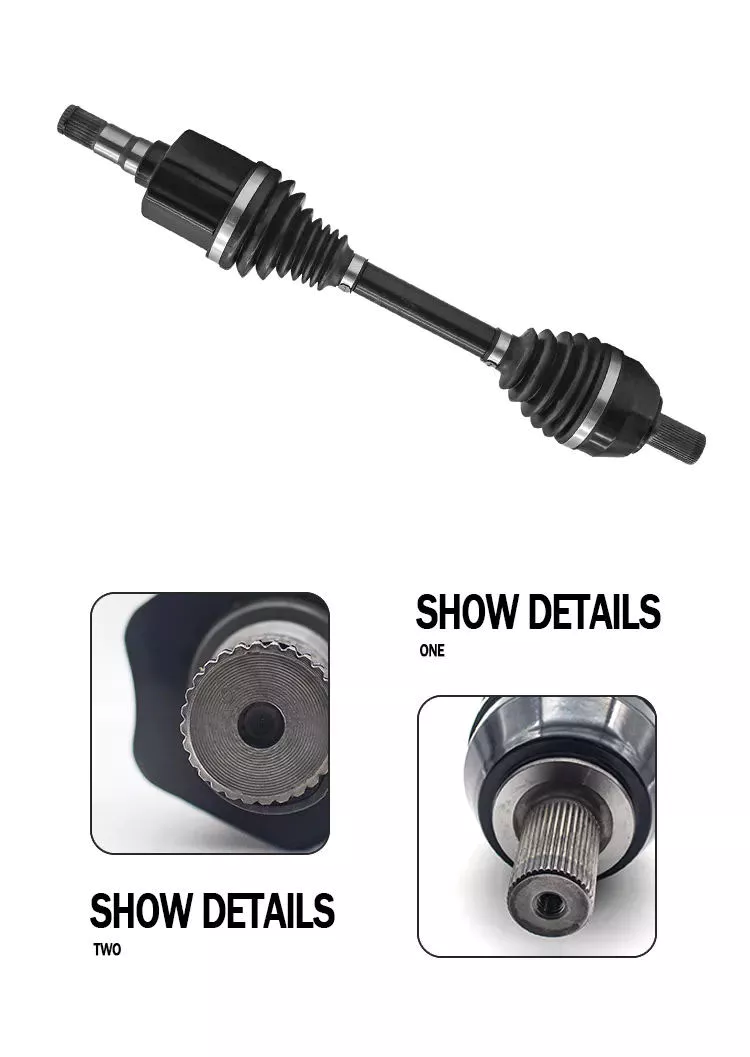
Can PTO drive shafts be customized for specific machinery and power requirements?
Yes, PTO (Power Take-Off) drive shafts can be customized to suit specific machinery and power requirements. Manufacturers often offer customization options to ensure that the PTO drive shafts meet the unique needs of different applications. Customization can involve various aspects of the drive shaft design and specifications, including:
1. Length:
The length of the PTO drive shaft can be customized to match the distance between the power source and the driven equipment. This ensures proper fit and alignment, preventing excessive tension or compression in the drive shaft. Customizing the length allows for optimal power transfer and helps accommodate specific machinery setups and configurations.
2. Connection Type:
PTO drive shafts can be customized with different connection types to match the specific requirements of the machinery. Various connection methods are available, such as splined connections, flange connections, and quick-detach mechanisms. Customizing the connection type ensures compatibility and facilitates easy attachment and detachment of the drive shaft to the power source and driven equipment.
3. Power Rating:
Customization of the power rating involves selecting appropriate components and materials to handle the specific power requirements of the machinery. This includes considering factors such as torque capacity, speed ratings, and the type of power transmission (e.g., mechanical, hydraulic). By customizing the power rating, manufacturers can ensure that the PTO drive shaft is capable of effectively transferring the required power without compromising performance or safety.
4. Protective Features:
PTO drive shafts can be customized with additional protective features to enhance safety and durability. These features may include guards, shields, or covers that prevent contact with the rotating shaft and its components. Customized protective features help mitigate the risk of accidents and increase the longevity of the drive shaft by shielding it from external elements, debris, and potential damage.
5. Material Selection:
The choice of materials used in the construction of PTO drive shafts can be customized based on specific requirements. Different materials offer varying levels of strength, durability, and resistance to factors such as corrosion or extreme temperatures. By selecting the appropriate materials, manufacturers can optimize the performance and reliability of the drive shaft for the intended application.
6. Environmental Considerations:
Customization of PTO drive shafts can take into account specific environmental factors. For example, if the machinery operates in a corrosive or hazardous environment, manufacturers can provide coatings or materials that offer increased resistance to corrosion or chemical exposure. Considering the environmental conditions helps ensure that the drive shaft can withstand the challenges presented by the operating environment.
7. Compliance with Standards:
Customized PTO drive shafts can be designed and manufactured to comply with relevant industry standards and regulations. Manufacturers can ensure that the customized drive shafts meet the required safety, performance, and dimensional specifications. Compliance with standards provides assurance of compatibility, reliability, and safety when integrating the customized drive shafts into specific machinery.
By offering customization options, manufacturers can tailor PTO drive shafts to suit the unique requirements of different machinery and power applications. This flexibility allows for optimal integration, improved performance, and enhanced safety. It is important to consult with the manufacturer or a qualified expert to determine the appropriate customization options based on the specific machinery and power requirements.
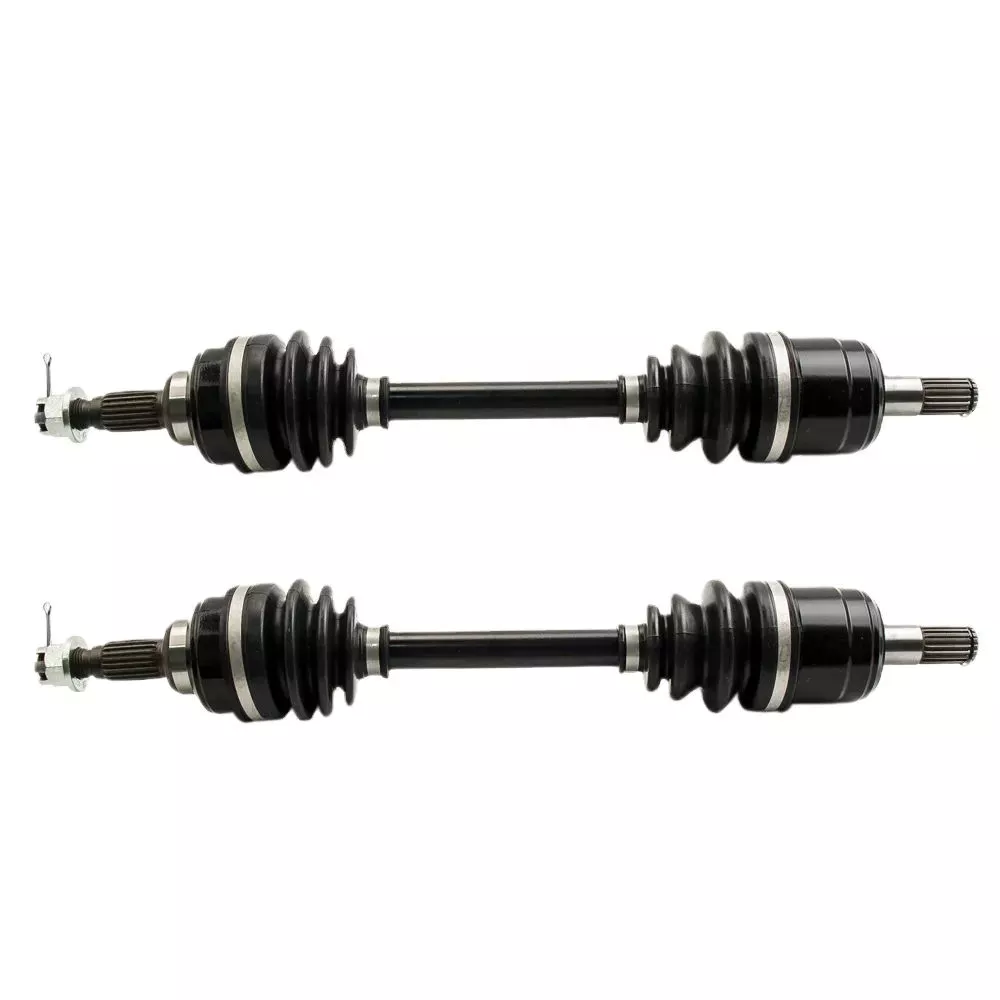
How do PTO drive shafts contribute to transferring power from tractors to implements?
PTO (Power Take-Off) drive shafts play a crucial role in transferring power from tractors to implements in agricultural and industrial applications. They provide a mechanical connection that enables the efficient and reliable transfer of rotational power from the tractor’s engine to various implements. Here’s a detailed explanation of how PTO drive shafts contribute to transferring power:
1. Power Source:
A tractor serves as the primary power source in agricultural operations. The engine of the tractor generates rotational power, which needs to be transmitted to the attached implements to perform specific tasks. The power generated by the engine is harnessed and transferred through the PTO drive shaft.
2. PTO Output Shaft:
Tractors are equipped with a PTO output shaft, typically located at the rear of the tractor. The PTO output shaft is specifically designed to transfer power to external devices, such as implements or machinery. The PTO drive shaft connects directly to this output shaft to receive power.
3. PTO Drive Shaft Configuration:
The PTO drive shaft consists of a rotating shaft with splines at both ends. These splines provide a secure and robust connection to the PTO output shaft of the tractor and the input shaft of the implement. The drive shaft is designed to transmit rotational power while accommodating the varying distance and alignment between the tractor and the implement.
4. Attachments and Implement Input Shaft:
The other end of the PTO drive shaft connects to the input shaft of the implement. The implement may have a specific attachment point or a PTO driveline connection designed to receive the drive shaft. The implement’s input shaft is precisely aligned with the drive shaft to ensure efficient power transfer.
5. Mechanical Power Transfer:
Once the PTO drive shaft is properly connected to both the tractor’s PTO output shaft and the implement’s input shaft, it serves as a mechanical link between the two. As the tractor’s engine runs, the rotational power generated by the engine is transferred through the PTO output shaft and into the drive shaft.
6. Rotational Power Delivery:
The PTO drive shaft rotates at the same speed as the tractor’s engine, effectively delivering the rotational power to the implement. The implement utilizes this power to drive its specific machinery or perform various tasks, such as cutting, tilling, mowing, or pumping.
7. Power Transmission Efficiency:
PTO drive shafts are designed to maximize power transmission efficiency. They are typically constructed using high-strength materials and precision engineering to minimize energy losses and ensure a reliable transfer of power. Proper maintenance, including lubrication and periodic inspections, is essential to maintain optimal power transmission efficiency.
8. Safety Considerations:
PTO drive shafts can pose safety risks if not used correctly. It is important to follow safety guidelines and ensure that the drive shaft is properly guarded to prevent contact with rotating components. Operators should also exercise caution during attachment and detachment procedures to avoid accidents or injuries.
In summary, PTO drive shafts serve as the vital link between tractors and implements, facilitating the transfer of rotational power. They provide a mechanical connection that efficiently transmits power from the tractor’s engine to the implement, enabling a wide range of agricultural and industrial tasks to be performed effectively and efficiently.


editor by CX 2024-03-26























