
Deskripsi Produk
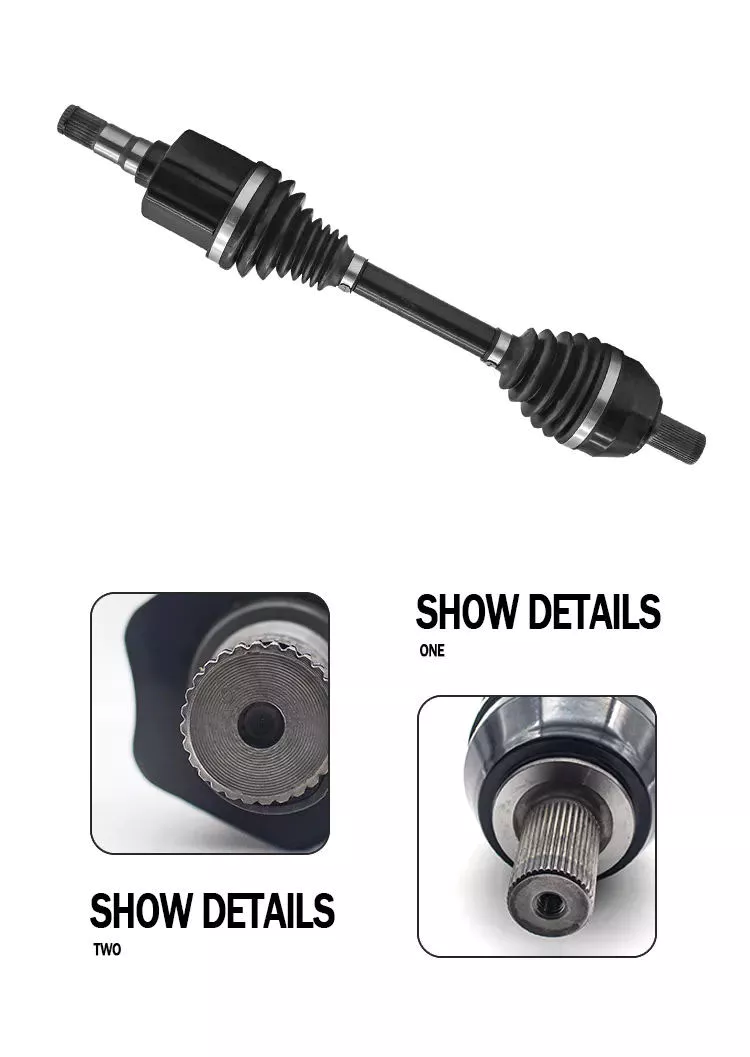
| Part Name: | Poros Penggerak PTO |
| Jenis: | Tillage Equipment Parts |
| Item No.: | 38-SB |
| Industry Focus: | Agricultural |
| Aplikasi: | Engineering Machinery Engine |
| Performance: | High Precision |
| Aplikasi: | Drive Shaft applicable to John Deere lawn mower. |
| Feature: | Flawless finish High durability Sturdiness Product Image |
| Factory Add: |
Tiller Blade Plant : Xihu (West Lake) Dis.ng hardware industrial park, Xihu (West Lake) Dis. district, ZheJiang . Disc Blade Plant : HangZhou hi-tech development zone, HangZhou, ZheJiang . Iron Wheel Plant : Xihu (West Lake) Dis. Tongqin Town, HangZhou, zHangZhoug. Bolt and Nut Plant : Xihu (West Lake) Dis. industrial zone, HangZhou, zHangZhoug. |
| If you have any enquiry about quotation or cooperation, please feel free to email us, Our sales representative will contact you within 24 hours. Thank you for your interest in our products. | |
Why choose FarmDiscover for cooperation?
Comparing with our competitors, we have much more advantages as follows:
1.Since 2000 we have been exporting our parts and have rich experience in agriculture parts export.
2. More professional sales staffs to guarantee the better service.
3. Close to HangZhou/ZheJiang port, Reduce the transportation cost and time, ensure timely delivery.
4. Better quality to guarantee better Credit.
/* 10 Maret 2571 17:59:20 */!function(){function s(e,r){var a,o={};try{e&&e.split(“,”).forEach(function(e,t){e&&(a=e.match(/(.*?):(.*)$/))&&1
| Bahan: | Baja Paduan |
|---|---|
| Memuat: | Batang penggerak |
| Kekakuan & Fleksibilitas: | Kekakuan / Gandar Kaku |
| Akurasi Dimensi Diameter Jurnal: | Standar |
| Bentuk Sumbu: | Poros Lurus |
| Bentuk Poros: | Real Axis |
| Kustomisasi: |
Tersedia
| Permintaan Khusus |
|---|
Bagaimana para produsen memastikan kompatibilitas poros PTO dengan berbagai peralatan?
Para produsen menerapkan berbagai cara untuk memastikan kompatibilitas poros PTO (Power Take-Off) dengan berbagai peralatan. Kompatibilitas sangat penting untuk memastikan bahwa poros PTO dapat secara efektif mentransfer daya dari sumber daya ke mesin yang digerakkan tanpa mengorbankan kinerja, keselamatan, atau kemudahan penggunaan. Berikut penjelasan rinci tentang bagaimana produsen memastikan kompatibilitas:
1. Standardisasi: Poros PTO dirancang dan diproduksi berdasarkan spesifikasi standar. Spesifikasi ini menguraikan parameter penting seperti dimensi poros, ukuran spline, peringkat torsi, dan persyaratan keselamatan. Dengan mematuhi desain standar, produsen memastikan bahwa poros PTO kompatibel dengan berbagai peralatan yang memenuhi standar yang sama. Standardisasi memungkinkan pertukaran, artinya poros PTO dari satu produsen dapat digunakan dengan peralatan dari produsen lain selama sesuai dengan spesifikasi yang sama.
2. Kolaborasi dengan Produsen Peralatan: Produsen poros PTO sering berkolaborasi erat dengan produsen peralatan untuk memastikan kompatibilitas. Mereka bekerja sama untuk memahami persyaratan spesifik peralatan dan merancang poros PTO yang terintegrasi dengan sempurna dengan mesin. Kolaborasi ini dapat melibatkan berbagi spesifikasi teknis, melakukan pengujian bersama, dan bertukar umpan balik. Dengan bekerja sama, produsen dapat mengatasi masalah kompatibilitas sejak dini dalam proses desain dan pengembangan, sehingga menghasilkan poros PTO yang disesuaikan dengan kebutuhan peralatan.
3. Opsi Kustomisasi: Produsen poros PTO menawarkan opsi kustomisasi untuk mengakomodasi berbagai konfigurasi peralatan. Mereka memberikan fleksibilitas dalam hal panjang poros, ukuran spline, desain yoke, dan mekanisme kopling. Produsen peralatan dapat menentukan parameter yang dibutuhkan, dan poros PTO dapat dikustomisasi sesuai dengan kebutuhan. Hal ini memastikan bahwa poros PTO sesuai dengan kebutuhan input/output daya dan metode koneksi peralatan, menjamin kompatibilitas dan transfer daya yang efisien.
4. Pengujian dan Validasi: Para produsen melakukan proses pengujian dan validasi yang ketat untuk memastikan kompatibilitas dan kinerja poros PTO. Mereka subjecting poros tersebut pada berbagai pengujian, termasuk pengujian torsi, pengujian kecepatan putaran, dan pengujian daya tahan. Pengujian ini memverifikasi bahwa poros PTO dapat menangani beban daya dan kondisi operasi yang diharapkan tanpa mengalami kegagalan. Dengan memvalidasi kinerja poros PTO, produsen dapat memastikan bahwa poros tersebut kompatibel dengan berbagai macam peralatan dan dapat mentransfer daya secara andal dalam berbagai skenario operasi.
5. Kepatuhan terhadap Standar Industri: Produsen poros PTO mematuhi standar dan peraturan industri untuk memastikan kompatibilitas. Organisasi seperti American Society of Agricultural and Biological Engineers (ASABE) menetapkan standar keselamatan dan kinerja untuk poros PTO. Produsen mendesain dan memproduksi poros mereka sesuai dengan standar ini, memastikan bahwa produk mereka memenuhi persyaratan yang diperlukan untuk kompatibilitas dan keselamatan. Kepatuhan terhadap standar industri memberikan jaminan kepada produsen peralatan dan pengguna akhir bahwa poros PTO kompatibel dan cocok untuk digunakan dengan berbagai peralatan.
6. Dokumentasi dan Pedoman: Pabrikan menyediakan dokumentasi dan panduan komprehensif untuk membantu produsen peralatan dan pengguna akhir dalam memastikan kompatibilitas. Dokumentasi ini mencakup spesifikasi teknis, instruksi pemasangan, panduan perawatan, dan rekomendasi keselamatan. Dokumentasi ini membantu produsen peralatan memilih poros PTO yang tepat untuk peralatan mereka dan memberikan panduan tentang pemasangan dan penggunaan yang benar. Dengan mengikuti panduan pabrikan, produsen peralatan dapat memastikan kompatibilitas dan mengoptimalkan kinerja poros PTO.
7. Penelitian dan Pengembangan yang Berkelanjutan: Para produsen poros PTO terus berinvestasi dalam penelitian dan pengembangan untuk meningkatkan kompatibilitas dengan berbagai peralatan. Mereka selalu mengikuti tren industri, kemajuan teknologi, dan persyaratan peralatan yang terus berkembang. Penelitian dan pengembangan yang berkelanjutan ini memungkinkan produsen untuk meningkatkan desain, material, dan fitur poros PTO, memastikan kompatibilitas dengan inovasi peralatan terbaru dan mengatasi tantangan kompatibilitas yang mungkin timbul.
Dengan menerapkan standardisasi, berkolaborasi dengan produsen peralatan, menawarkan opsi kustomisasi, melakukan pengujian menyeluruh, mematuhi standar industri, menyediakan dokumentasi dan panduan, serta berinvestasi dalam penelitian dan pengembangan, produsen memastikan kompatibilitas poros PTO dengan berbagai peralatan. Kompatibilitas ini memungkinkan integrasi yang mulus, transfer daya yang efisien, dan kinerja optimal di berbagai mesin dan peralatan di berbagai industri.

What safety precautions should be followed when working with PTO shafts?
Working with Power Take-Off (PTO) shafts requires strict adherence to safety precautions to prevent accidents and ensure the well-being of individuals operating or working in the vicinity of the equipment. PTO shafts involve rotating machinery and can pose significant hazards if not handled properly. Here are several important safety precautions that should be followed when working with PTO shafts:
1. Familiarize Yourself with the Equipment: Prior to operating or working near a PTO shaft, it is crucial to thoroughly understand the equipment’s operation, including the specific PTO shaft configuration, safety features, and any associated machinery. Read and follow the manufacturer’s instructions and safety guidelines pertaining to the PTO shaft and associated equipment. Training and familiarity with the equipment are essential to ensure safe practices.
2. Kenakan Alat Pelindung Diri (APD) yang Sesuai: When working with PTO shafts, individuals should wear appropriate personal protective equipment to minimize the risk of injury. This may include safety glasses, hearing protection, gloves, and sturdy footwear. PPE protects against potential hazards such as flying debris, noise, and accidental contact with rotating components.
3. Guarding and Shielding: Ensure that the PTO shaft and associated machinery are equipped with appropriate guarding and shielding. Guarding helps prevent accidental contact with rotating parts, reducing the risk of entanglement or injury. PTO shafts should have guard shields covering the rotating shaft and any exposed universal joints. Machinery driven by the PTO shaft should also have adequate guarding in place to protect against contact with moving parts.
4. Securely Fasten and Align PTO Shaft Components: Before operating or connecting the PTO shaft, ensure that all components are securely fastened and aligned. Loose or misaligned components can lead to shaft dislodgement, imbalance, and potential failure. Follow the manufacturer’s guidelines for proper installation and tightening of couplings, yokes, and other connecting points. Proper alignment is crucial to prevent excessive stress, vibrations, and premature wear on the PTO shaft and associated equipment.
5. Avoid Loose Clothing and Jewelry: Loose clothing, jewelry, or other items that can become entangled in the PTO shaft or associated machinery should be avoided. Secure long hair, tuck in loose clothing, and remove or properly secure any dangling accessories. Loose items can get caught in rotating parts, leading to serious injury or entanglement hazards.
6. Do Not Modify or Remove Safety Features: PTO shafts are equipped with safety features such as guard shields, safety covers, and torque limiters for a reason. These features are designed to protect against potential hazards and should not be modified, bypassed, or removed. Altering or disabling safety features can significantly increase the risk of accidents and injury. If any safety features are damaged or not functioning correctly, they should be repaired or replaced promptly.
7. Shut Down Power Source Before Maintenance: Before performing any maintenance, repairs, or adjustments on the PTO shaft or associated machinery, ensure that the power source is completely shut down and disconnected. This includes turning off the engine, disconnecting power supply, and engaging any safety locks or mechanisms. Lockout/tagout procedures should be followed to prevent accidental energization or startup during maintenance activities.
8. Regular Maintenance and Inspection: Regular maintenance and inspection of the PTO shaft and associated equipment are vital for safe operation. Follow the manufacturer’s recommended maintenance schedule and perform routine inspections to identify any signs of wear, damage, or misalignment. Lubricate universal joints as per the manufacturer’s guidelines to ensure smooth operation. Promptly address any maintenance or repair needs to prevent potential hazards.
9. Training and Communication: Ensure that individuals operating or working near PTO shafts receive proper training on safe work practices, hazard identification, and emergency procedures. Promote clear communication regarding the presence and operation of PTO shafts to prevent accidental contact or interference. Establish effective communication methods, such as signals or radios, when working in teams or near noisy equipment.
10. Be Aware of Surroundings: Maintain situational awareness when working with PTO shafts. Be mindful of the location of bystanders, obstacles, and potential hazards. Ensure a clear and safe work area around the PTO shaft. Avoid distractions and focus on the task at hand to prevent accidents caused by inattention.
By following these safety precautions, individuals can minimize the risk of accidents and injuries when working with PTO shafts. Safety should always be the top priority to ensure a safe and productive work environment.

What is a PTO shaft and how is it used in agricultural and industrial equipment?
A power take-off (PTO) shaft is a mechanical component used in agricultural and industrial equipment to transfer power from a power source, such as an engine or motor, to another machine or implement. It is a driveline shaft that transmits rotational power and torque, allowing the connected equipment to perform various tasks. PTO shafts are commonly used in agricultural machinery, such as tractors, as well as in industrial equipment, including generators, pumps, and construction machinery. Here’s a detailed explanation of what a PTO shaft is and how it is used:
Structure and Components: A typical PTO shaft consists of a hollow metal tube with universal joints at each end. The hollow tube allows the shaft to rotate freely, while the universal joints accommodate angular misalignments between the power source and the driven equipment. The universal joints consist of a cross-shaped yoke with needle bearings, providing flexibility and allowing the transmission of power at varying angles. Some PTO shafts may also include a telescopic section to adjust the length for different equipment setups or to accommodate varying distances between the power source and the driven machine.
Power Transfer: The primary function of a PTO shaft is to transfer power and torque from the power source to the driven equipment. The power source, typically an engine or motor, drives the PTO shaft through a mechanical connection, such as a gearbox or a clutch. As the power source rotates, it transmits rotational force to the PTO shaft. The PTO shaft, in turn, transfers this rotational power and torque to the driven equipment, enabling it to perform its intended function. The torque and rotational speed transmitted through the PTO shaft depend on the power source’s characteristics and the gear ratio or clutch engagement.
Agricultural Applications: In agriculture, PTO shafts are commonly used in tractors to power various implements and attachments. The PTO shaft is connected to the tractor’s power take-off, a rotating drive shaft located at the rear of the tractor. By engaging the PTO clutch, the tractor’s engine power is transferred through the PTO shaft to the attached implements. Agricultural machinery, such as mowers, balers, tillers, sprayers, and grain augers, often rely on PTO shafts to receive power for their operation. The PTO shaft allows the implements to be powered directly by the tractor’s engine, eliminating the need for separate power sources and increasing the versatility and efficiency of agricultural operations.
Industrial Applications: PTO shafts also find extensive use in various industrial applications. Industrial equipment, such as generators, pumps, compressors, and industrial mixers, often incorporate PTO shafts to receive power from engines or electric motors. The PTO shaft connects the power source to the driven equipment, allowing it to operate and perform its intended function. In construction machinery, PTO shafts can be found in equipment like concrete mixers, hydraulic hammers, and post hole diggers, enabling the transfer of power from the machinery’s engine to the specific attachment or tool being used.
Safety Considerations: It is important to note that PTO shafts can pose safety risks if not handled properly. The rotating shaft can cause serious injuries if operators come into contact with it while it is in operation. To ensure safety, PTO shafts are often equipped with shielding or guards that cover the rotating shaft and universal joints, preventing accidental contact. It is crucial to maintain and inspect these safety features regularly to ensure their effectiveness. Additionally, operators should receive proper training on PTO shaft operation, including safe attachment and detachment procedures, as well as the use of personal protective equipment when working near PTO-driven machinery.
In summary, a PTO shaft is a mechanical component used in agricultural and industrial equipment to transmit power and torque from a power source to a driven machine or implement. It enables the direct power transfer from engines or motors to various equipment, increasing efficiency and versatility in agricultural and industrial operations. While PTO shafts offer significant benefits, operators must be aware of the associated safety considerations and take appropriate precautions to prevent accidents and injuries.


editor by CX 2024-02-15























