
Deskripsi Produk
Tractor Pto Driveshaft Driveline Factory Hollow Spline Cardan Adapter Universal Joint Yoke Flexible Front Prop Rear CV Axle Propeller Automobile Drive Shaft
Deskripsi Produk
Agricultural truck universal joint steering
PTO Shaft
| Function of PTO Shaft | Drive Shaft Parts & Power Transmission |
| Usage of PTO Shaft | Kinds of Tractors & Farm Implements |
| Yoke Types for PTO Shaft | Double push pin, Bolt pins, Split pins, Pushpin, Quick release, Ball attachment, Collar….. |
| Pengolahan Kuk | Penempaan |
| PTO Shaft Plastic Cover | YW; BW; YS; BS; Etc |
| Colors of PTO Shaft | Green; Orange; Yellow; Black Ect. |
| PTO Shaft Series | T1-T10; L1-L6;S6-S10;10HP-150HP with SA,RA,SB,SFF,WA,CV Etc |
| Tube Types for PTO Shaft | Lemon, Triangular, Star, Square, Hexangular, Spline, Special Ect |
| Pemrosesan Tabung | Ditarik dingin |
| Spline Types for PTO Shaft | 1 1/8″ Z6;1 3/8″ Z6; 1 3/8″ Z21 ;1 3/4″ Z20; 1 3/4″ Z6; 8-38*32*6 8-42*36*7; 8-48*42*8; |
We also sell accessories for the pto shaft, including :
Yoke: CV socket yoke, CV weld yoke, flange yoke, end yoke, weld yoke, slip yoke
CV center housing, tube, spline, CV socket flange, u-joint, dust cap
Light vehicle drive line
Our products can be used for transmission shafts of the following brands
Toyota, Mitsubishi, Nissan, Isu zu, Suzuki, Dafa, Honda, Hyundai, Mazda, Fiat, Re nault, Kia, Dacia, Ford. Dodge, Land Rover, Peu geot, Volkswagen Audi, BMW Benz Volvo, Russian models
Gear shaft
Profil Perusahaan
Related Products
Aplikasi:
Company information:
/* 22 Januari 2571 19:08:37 */!function(){function s(e,r){var a,o={};try{e&&e.split(“,”).forEach(function(e,t){e&&(a=e.match(/(.*?):(.*)$/))&&1
| Bahan: | Carbon Steel |
|---|---|
| Memuat: | Batang penggerak |
| Kekakuan & Fleksibilitas: | Kekakuan / Gandar Kaku |
| Akurasi Dimensi Diameter Jurnal: | IT6-IT9 |
| Bentuk Sumbu: | Poros Lurus |
| Bentuk Poros: | Real Axis |
| Contoh: |
US$ 38/Piece
1 Buah (Minimum Pemesanan) | |
|---|
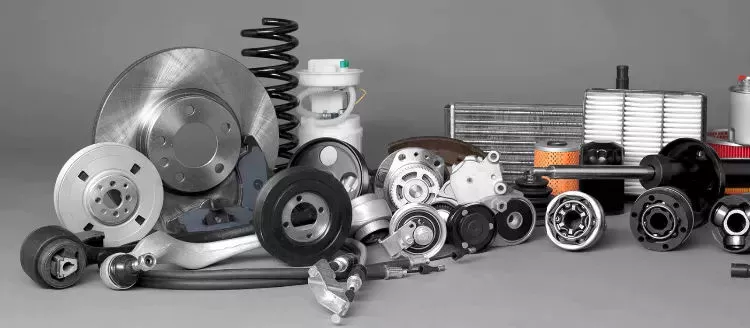
Can drive shafts be adapted for use in both automotive and industrial settings?
Yes, drive shafts can be adapted for use in both automotive and industrial settings. While there may be some differences in design and specifications based on the specific application requirements, the fundamental principles and functions of drive shafts remain applicable in both contexts. Here’s a detailed explanation:
1. Power Transmission:
Drive shafts serve the primary purpose of transmitting rotational power from a power source, such as an engine or motor, to driven components, which can be wheels, machinery, or other mechanical systems. This fundamental function applies to both automotive and industrial settings. Whether it’s delivering power to the wheels of a vehicle or transferring torque to industrial machinery, the basic principle of power transmission remains the same for drive shafts in both contexts.
2. Design Considerations:
While there may be variations in design based on specific applications, the core design considerations for drive shafts are similar in both automotive and industrial settings. Factors such as torque requirements, operating speeds, length, and material selection are taken into account in both cases. Automotive drive shafts are typically designed to accommodate the dynamic nature of vehicle operation, including variations in speed, angles, and suspension movement. Industrial drive shafts, on the other hand, may be designed for specific machinery and equipment, taking into consideration factors such as load capacity, operating conditions, and alignment requirements. However, the underlying principles of ensuring proper dimensions, strength, and balance are essential in both automotive and industrial drive shaft designs.
3. Material Selection:
The material selection for drive shafts is influenced by the specific requirements of the application, whether in automotive or industrial settings. In automotive applications, drive shafts are commonly made from materials such as steel or aluminum alloys, chosen for their strength, durability, and ability to withstand varying operating conditions. In industrial settings, drive shafts may be made from a broader range of materials, including steel, stainless steel, or even specialized alloys, depending on factors such as load capacity, corrosion resistance, or temperature tolerance. The material selection is tailored to meet the specific needs of the application while ensuring efficient power transfer and durability.
4. Joint Configurations:
Both automotive and industrial drive shafts may incorporate various joint configurations to accommodate the specific requirements of the application. Universal joints (U-joints) are commonly used in both contexts to allow for angular movement and compensate for misalignment between the drive shaft and driven components. Constant velocity (CV) joints are also utilized, particularly in automotive drive shafts, to maintain a constant velocity of rotation and accommodate varying operating angles. These joint configurations are adapted and optimized based on the specific needs of automotive or industrial applications.
5. Maintenance and Service:
While maintenance practices may vary between automotive and industrial settings, the importance of regular inspection, lubrication, and balancing remains crucial in both cases. Both automotive and industrial drive shafts benefit from periodic maintenance to ensure optimal performance, identify potential issues, and prolong the lifespan of the drive shafts. Lubrication of joints, inspection for wear or damage, and balancing procedures are common maintenance tasks for drive shafts in both automotive and industrial applications.
6. Customization and Adaptation:
Drive shafts can be customized and adapted to meet the specific requirements of various automotive and industrial applications. Manufacturers often offer drive shafts with different lengths, diameters, and joint configurations to accommodate a wide range of vehicles or machinery. This flexibility allows for the adaptation of drive shafts to suit the specific torque, speed, and dimensional requirements of different applications, whether in automotive or industrial settings.
In summary, drive shafts can be adapted for use in both automotive and industrial settings by considering the specific requirements of each application. While there may be variations in design, materials, joint configurations, and maintenance practices, the fundamental principles of power transmission, design considerations, and customization options remain applicable in both contexts. Drive shafts play a crucial role in both automotive and industrial applications, enabling efficient power transfer and reliable operation in a wide range of mechanical systems.

Bisakah Anda memberikan contoh nyata kendaraan dan mesin yang menggunakan poros penggerak?
Poros penggerak banyak digunakan pada berbagai kendaraan dan mesin untuk mentransmisikan daya dari mesin atau sumber daya ke roda atau komponen yang digerakkan. Berikut beberapa contoh nyata kendaraan dan mesin yang menggunakan poros penggerak:
1. Mobil:
Poros penggerak (drive shaft) umumnya ditemukan pada mobil, terutama yang menggunakan sistem penggerak roda belakang atau penggerak empat roda. Pada kendaraan ini, poros penggerak mentransfer daya dari transmisi atau kotak transfer ke diferensial belakang atau diferensial depan. Hal ini memungkinkan daya mesin didistribusikan ke roda, sehingga mendorong kendaraan maju.
2. Truk dan Kendaraan Komersial:
Poros penggerak merupakan komponen penting pada truk dan kendaraan komersial. Poros ini digunakan untuk mentransfer daya dari transmisi atau kotak transfer ke gandar belakang atau beberapa gandar pada truk tugas berat. Poros penggerak pada kendaraan komersial dirancang untuk menangani beban torsi yang lebih tinggi dan seringkali lebih besar dan lebih kuat daripada yang digunakan pada mobil penumpang.
3. Peralatan Konstruksi dan Penggalian Tanah:
Berbagai jenis peralatan konstruksi dan penggalian tanah, seperti ekskavator, loader, bulldozer, dan grader, bergantung pada poros penggerak untuk transmisi daya. Mesin-mesin ini biasanya memiliki sistem penggerak yang kompleks yang menggunakan poros penggerak untuk mentransfer daya dari mesin ke roda atau trek, sehingga memungkinkan mereka untuk melakukan tugas-tugas berat di lokasi konstruksi atau operasi pertambangan.
4. Mesin Pertanian:
Mesin pertanian, termasuk traktor, mesin pemanen gabungan, dan mesin pemanen, menggunakan poros penggerak untuk mentransmisikan daya dari mesin ke roda atau komponen yang digerakkan. Poros penggerak pada mesin pertanian seringkali mengalami kondisi yang berat dan mungkin memiliki fitur tambahan seperti bagian teleskopik untuk mengakomodasi jarak yang bervariasi antar komponen.
5. Mesin Industri:
Mesin-mesin industri, seperti peralatan manufaktur, generator, pompa, dan kompresor, seringkali menggabungkan poros penggerak dalam sistem transmisi dayanya. Poros penggerak ini mentransfer daya dari motor listrik, mesin, atau sumber daya lainnya ke berbagai komponen yang digerakkan, sehingga memungkinkan mesin untuk melakukan tugas-tugas spesifik di lingkungan industri.
6. Kapal Laut:
Dalam aplikasi kelautan, poros penggerak umumnya digunakan untuk mentransmisikan daya dari mesin ke baling-baling pada perahu, kapal, dan kendaraan air lainnya. Poros penggerak kelautan biasanya lebih panjang dan dirancang untuk menahan tantangan unik yang ditimbulkan oleh lingkungan air, termasuk ketahanan terhadap korosi dan mekanisme penyegelan yang sesuai.
7. Kendaraan Rekreasi (RV) dan Motorhome:
Kendaraan rekreasi (RV) dan motorhome sering menggunakan poros penggerak sebagai bagian dari sistem penggeraknya. Poros penggerak ini mentransfer daya dari transmisi ke gandar belakang, memungkinkan kendaraan untuk bergerak dan memberikan tenaga dorong. Poros penggerak pada RV mungkin memiliki fitur tambahan seperti peredam atau komponen peredam getaran untuk meningkatkan kenyamanan selama perjalanan.
8. Kendaraan Off-Road dan Balap:
Kendaraan off-road, seperti SUV, truk, dan kendaraan segala medan (ATV), serta kendaraan balap, sering menggunakan poros penggerak. Poros penggerak ini dirancang untuk menahan kerasnya kondisi off-road atau balap performa tinggi, mentransmisikan daya secara efisien ke roda dan memastikan traksi serta performa yang optimal.
9. Sarana Perkeretaapian:
Dalam sistem perkeretaapian, poros penggerak digunakan pada lokomotif dan beberapa jenis gerbong. Poros ini mentransfer daya dari mesin lokomotif ke roda atau sistem penggerak, memungkinkan kereta untuk bergerak di sepanjang rel. Poros penggerak kereta api biasanya jauh lebih panjang dan mungkin memiliki fitur tambahan untuk mengakomodasi sifat artikulasi atau fleksibel dari beberapa konfigurasi kereta.
10. Turbin Angin:
Turbin angin skala besar yang digunakan untuk menghasilkan listrik menggabungkan poros penggerak dalam sistem transmisi dayanya. Poros penggerak mentransfer energi rotasi dari bilah turbin ke generator, di mana energi tersebut diubah menjadi daya listrik. Poros penggerak pada turbin angin dirancang untuk menangani torsi dan gaya rotasi yang signifikan yang dihasilkan oleh angin.
Contoh-contoh ini menunjukkan beragam kendaraan dan mesin yang bergantung pada poros penggerak untuk transmisi daya dan penggerak yang efisien. Poros penggerak merupakan komponen penting dalam berbagai industri, memungkinkan transfer daya dari sumber ke komponen yang digerakkan, yang pada akhirnya memfasilitasi pergerakan, pengoperasian, atau pelaksanaan tugas-tugas tertentu.

How do drive shafts contribute to transferring rotational power in various applications?
Drive shafts play a crucial role in transferring rotational power from the engine or power source to the wheels or driven components in various applications. Whether it’s in vehicles or machinery, drive shafts enable efficient power transmission and facilitate the functioning of different systems. Here’s a detailed explanation of how drive shafts contribute to transferring rotational power:
1. Vehicle Applications:
In vehicles, drive shafts are responsible for transmitting rotational power from the engine to the wheels, enabling the vehicle to move. The drive shaft connects the gearbox or transmission output shaft to the differential, which further distributes the power to the wheels. As the engine generates torque, it is transferred through the drive shaft to the wheels, propelling the vehicle forward. This power transfer allows the vehicle to accelerate, maintain speed, and overcome resistance, such as friction and inclines.
2. Machinery Applications:
In machinery, drive shafts are utilized to transfer rotational power from the engine or motor to various driven components. For example, in industrial machinery, drive shafts may be used to transmit power to pumps, generators, conveyors, or other mechanical systems. In agricultural machinery, drive shafts are commonly employed to connect the power source to equipment such as harvesters, balers, or irrigation systems. Drive shafts enable these machines to perform their intended functions by delivering rotational power to the necessary components.
3. Power Transmission:
Drive shafts are designed to transmit rotational power efficiently and reliably. They are capable of transferring substantial amounts of torque from the engine to the wheels or driven components. The torque generated by the engine is transmitted through the drive shaft without significant power losses. By maintaining a rigid connection between the engine and the driven components, drive shafts ensure that the power produced by the engine is effectively utilized in performing useful work.
4. Flexible Coupling:
One of the key functions of drive shafts is to provide a flexible coupling between the engine/transmission and the wheels or driven components. This flexibility allows the drive shaft to accommodate angular movement and compensate for misalignment between the engine and the driven system. In vehicles, as the suspension system moves or the wheels encounter uneven terrain, the drive shaft adjusts its length and angle to maintain a constant power transfer. This flexibility helps prevent excessive stress on the drivetrain components and ensures smooth power transmission.
5. Torque and Speed Transmission:
Drive shafts are responsible for transmitting both torque and rotational speed. Torque is the rotational force generated by the engine or power source, while rotational speed is the number of revolutions per minute (RPM). Drive shafts must be capable of handling the torque requirements of the application without excessive twisting or bending. Additionally, they need to maintain the desired rotational speed to ensure the proper functioning of the driven components. Proper design, material selection, and balancing of the drive shafts contribute to efficient torque and speed transmission.
6. Length and Balance:
The length and balance of drive shafts are critical factors in their performance. The length of the drive shaft is determined by the distance between the engine or power source and the driven components. It should be appropriately sized to avoid excessive vibrations or bending. Drive shafts are carefully balanced to minimize vibrations and rotational imbalances, which can affect the overall performance, comfort, and longevity of the drivetrain system.
7. Safety and Maintenance:
Drive shafts require proper safety measures and regular maintenance. In vehicles, drive shafts are often enclosed within a protective tube or housing to prevent contact with moving parts, reducing the risk of injury. Safety shields or guards may also be installed around exposed drive shafts in machinery to protect operators from potential hazards. Regular maintenance includes inspecting the drive shaft for wear, damage, or misalignment, and ensuring proper lubrication of the U-joints. These measures help prevent failures, ensure optimal performance, and extend the service life of the drive shaft.
In summary, drive shafts play a vital role in transferring rotational power in various applications. Whether in vehicles or machinery, drive shafts enable efficient power transmission from the engine or power source to the wheels or driven components. They provide a flexible coupling, handle torque and speed transmission, accommodate angular movement, and contribute to the safety and maintenance of the system. By effectively transferring rotational power, drive shafts facilitate the functioning and performance of vehicles and machinery in numerous industries.


editor by CX 2024-03-15























