
Deskripsi Produk
China Made tractor pto drive shaft for farm machinery
1. Tubes or Pipes
We’ve already got Triangular profile tube and Lemon profile tube for all the series we provide.
And we have some star tube, splined tube and other profile tubes required by our customers (for a certain series). (Please notice that our catalog doesnt contain all the items we produce)
If you want tubes other than triangular or lemon, please provide drawings or pictures.
2.End yokes
We’ve got several types of quick release yokes and plain bore yoke. I will suggest the usual type for your reference.
You can also send drawings or pictures to us if you cannot find your item in our catalog.
3. Safety devices or clutches
I will attach the details of safety devices for your reference. We’ve already have Free wheel (RA), Ratchet torque limiter(SA), Shear bolt torque limiter(SB), 3types of friction torque limiter (FF,FFS,FCS) and overrunning couplers(adapters) (FAS).
4.For any other more special requirements with plastic guard, connection method, color of painting, package, etc., please feel free to let me know.
Features:
1. We have been specialized in designing, manufacturing drive shaft, steering coupler shaft, universal joints, which have exported to the USA, Europe, Australia etc for years
2. Application to all kinds of general mechanical situation
3. Our products are of high intensity and rigidity.
4. Heat resistant & Acid resistant
5. OEM orders are welcomed
Our factory is a leading manufacturer of PTO shaft yoke and universal joint.
We manufacture high quality PTO yokes for various vehicles, construction machinery and equipment. All products are constructed with rotating lighter.
We are currently exporting our products throughout the world, especially to North America, South America, Europe, and Russia. If you are interested in any item, please do not hesitate to contact us. We are looking CHINAMFG to becoming your suppliers in the near future.
/* 10 Maret 2571 17:59:20 */!function(){function s(e,r){var a,o={};try{e&&e.split(“,”).forEach(function(e,t){e&&(a=e.match(/(.*?):(.*)$/))&&1
| Jenis: | Fork |
|---|---|
| Penggunaan: | Agricultural Products Processing, Farmland Infrastructure, Tillage, Harvester, Planting and Fertilization, Grain Threshing, Cleaning and Drying |
| Bahan: | Carbon Steel |
| Kustomisasi: |
Tersedia
| Permintaan Khusus |
|---|
.shipping-cost-tm .tm-status-off{background: none;padding:0;color: #1470cc}
| Biaya Pengiriman:
Perkiraan biaya pengiriman per unit. |
tentang biaya pengiriman dan perkiraan waktu pengiriman. |
|---|
| Metode Pembayaran: |
|
|---|---|
|
Pembayaran Awal Pembayaran Penuh |
| Mata uang: | US$ |
|---|
| Pengembalian & Penggantian Dana: | Anda dapat mengajukan pengembalian dana hingga 30 hari setelah menerima produk. |
|---|
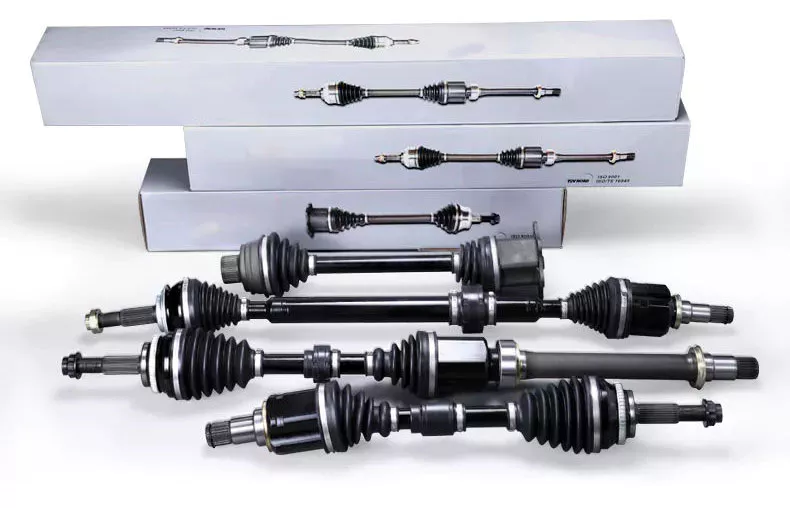
How do PTO shafts ensure efficient power transfer while maintaining safety?
PTO (Power Take-Off) shafts play a crucial role in ensuring efficient power transfer from a power source to driven machinery or equipment, while also maintaining safety. These shafts are designed with various features and mechanisms to optimize power transmission efficiency and mitigate potential hazards. Here’s a detailed explanation of how PTO shafts achieve efficient power transfer while prioritizing safety:
1. Mechanical Power Transmission: PTO shafts serve as mechanical linkages between the power source, typically a tractor or engine, and the driven machinery. They transmit rotational power from the power source to the equipment, enabling efficient transfer of energy. The mechanical design of PTO shafts, including their diameter, length, and material composition, is optimized to minimize power losses during transmission, ensuring that a significant portion of the power generated by the source is effectively delivered to the machinery.
2. Universal Joints and Flexible Couplings: PTO shafts are equipped with universal joints and flexible couplings that allow for angular misalignment and flexibility in movement. Universal joints accommodate variations in the alignment between the power source and the driven machinery, enabling smooth power transfer even when the two components are not perfectly aligned. Flexible couplings help to compensate for slight misalignments, reduce vibration, and prevent excessive stress on the shaft and connected components, thereby enhancing efficiency and reducing the risk of mechanical failure or damage.
3. Constant Velocity (CV) Joints: CV joints are often used in PTO shafts to maintain constant speed and torque transfer, particularly in applications where the driven machinery requires flexibility or operates at different angles. CV joints allow for smooth power transmission without significant fluctuations, even when the driven machinery is at an angle relative to the power source. By minimizing speed variations and power loss due to changing angles, CV joints contribute to efficient power transfer while ensuring consistent performance and reducing the likelihood of mechanical stress or premature wear.
4. Safety Guards and Shields: Safety is a paramount consideration in the design of PTO shafts. Protective guards and shields are installed to cover the rotating shaft and other moving parts. These guards act as physical barriers to prevent accidental contact with the rotating components, significantly reducing the risk of entanglement, injury, or damage. Safety guards are typically made of durable materials such as metal or plastic and are designed to allow the necessary movement for power transmission while providing adequate protection. Regular inspection and maintenance of these guards are crucial to ensure their effectiveness in maintaining safety.
5. Shear Bolt or Slip Clutch Mechanisms: PTO shafts often incorporate shear bolt or slip clutch mechanisms as safety features to protect the driveline components and prevent damage in case of excessive torque or sudden resistance. Shear bolts are designed to shear or break when the torque exceeds a predetermined threshold, disconnecting the PTO shaft from the power source. This helps prevent damage to the shaft, driven machinery, and power source. Slip clutches work similarly by allowing the PTO shaft to slip when excessive resistance is encountered, protecting the components from overload. These mechanisms act as safety measures to maintain the integrity of the PTO shaft and associated equipment while minimizing the risk of mechanical failures or accidents.
6. Compliance with Safety Standards: PTO shafts are designed and manufactured to comply with relevant safety standards and regulations. Manufacturers follow guidelines and requirements set by organizations such as the American Society of Agricultural and Biological Engineers (ASABE) or other regional safety authorities. Compliance with these standards ensures that PTO shafts meet specific safety criteria, including torque capacity, guard design, and other safety considerations. Users can rely on standardized PTO shafts that have undergone testing and certification, providing an additional layer of assurance regarding their safety and performance.
7. Operator Education and Training: To ensure safe and efficient operation, it is essential for operators to receive proper education and training on PTO shafts. Operators should be familiar with the specific safety features, maintenance requirements, and safe operating procedures for the PTO shafts used in their applications. This includes understanding the importance of using appropriate personal protective equipment, regularly inspecting the equipment for wear or damage, and following recommended maintenance schedules. Operator awareness and adherence to safety protocols significantly contribute to maintaining a safe working environment and maximizing the efficiency of power transfer.
In summary, PTO shafts ensure efficient power transfer while maintaining safety through their mechanical design, incorporation of universal joints and CV joints, installation of safety guards and shields, implementation of shear bolt or slip clutch mechanisms, compliance with safety standards, and operator education. By combining these features and practices, PTO shafts provide reliable and secure power transmission, minimizing power losses and potential risks associated with their operation.
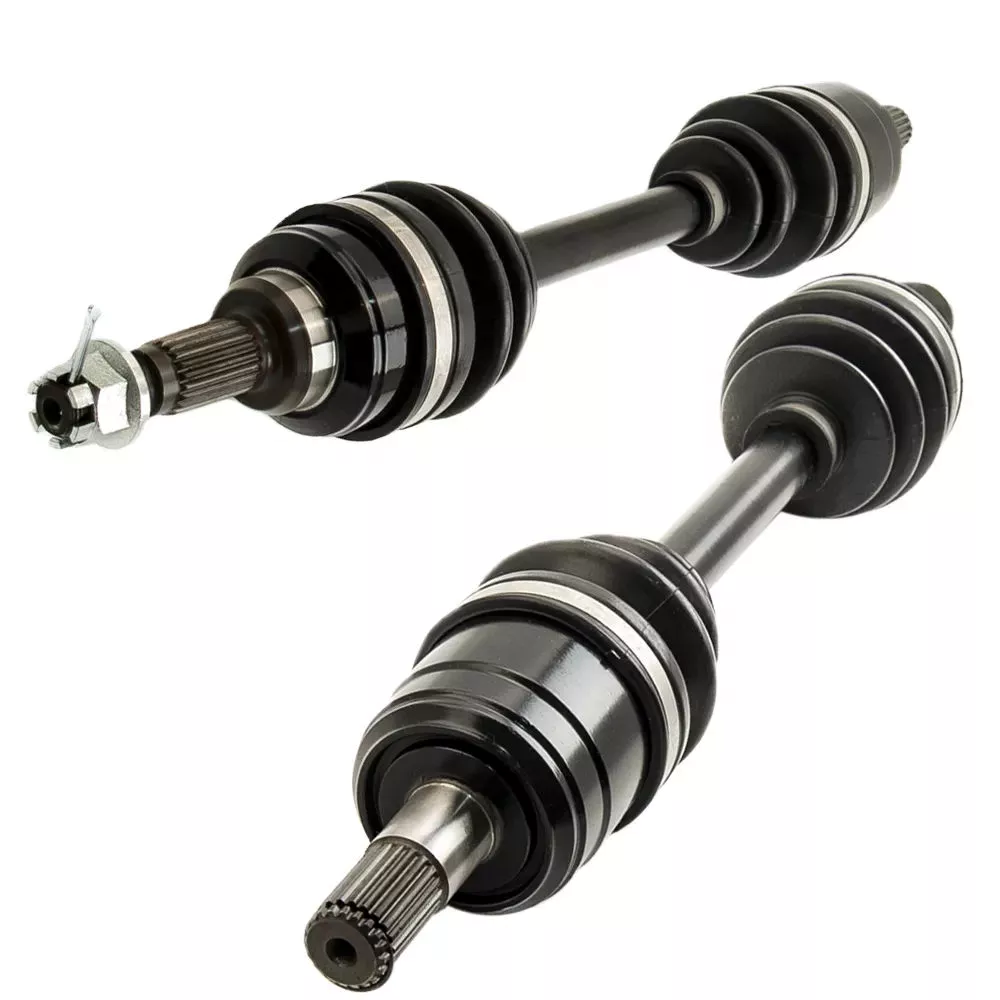
Apakah poros PTO dapat disesuaikan untuk kebutuhan mesin dan daya tertentu?
Ya, poros PTO (Power Take-Off) dapat disesuaikan untuk memenuhi kebutuhan mesin dan daya spesifik dari berbagai aplikasi. Produsen menawarkan opsi penyesuaian untuk memastikan bahwa poros PTO disesuaikan secara tepat dengan sumber daya, mesin yang digerakkan, dan aplikasi yang dimaksud. Berikut penjelasan rinci tentang bagaimana poros PTO dapat disesuaikan:
1. Panjang Poros: Poros PTO dapat disesuaikan panjangnya untuk mengakomodasi konfigurasi peralatan yang berbeda. Panjang poros PTO sangat penting untuk memastikan keselarasan dan koneksi yang tepat antara sumber daya dan mesin yang digerakkan. Produsen dapat menyediakan poros PTO dengan pilihan panjang yang dapat disesuaikan atau tetap, sehingga memberikan fleksibilitas dalam memenuhi persyaratan panjang tertentu. Menyesuaikan panjang poros memastikan bahwa poros PTO sesuai dengan peralatan dengan benar, mengoptimalkan efisiensi transfer daya dan mengurangi risiko ketidakselarasan atau tekanan berlebihan.
2. Ukuran Spline: Poros PTO tersedia dengan berbagai ukuran spline untuk menyesuaikan poros input dan output dari berbagai peralatan. Kustomisasi ukuran spline memungkinkan poros PTO terhubung dengan mulus ke sumber daya dan mesin yang digerakkan. Produsen dapat menawarkan berbagai konfigurasi spline, seperti ukuran 1-3/8 inci, 1-3/4 inci, atau ukuran metrik, untuk mengakomodasi kebutuhan mesin tertentu. Kustomisasi ukuran spline memastikan pemasangan yang tepat dan koneksi yang aman, memungkinkan transfer daya yang efisien tanpa memerlukan adaptor atau modifikasi tambahan.
3. Desain Kuk: Poros PTO dapat dikustomisasi dengan berbagai desain yoke agar sesuai dengan titik sambungan pada sumber daya dan mesin yang digerakkan. Yoke adalah komponen yang menempel pada poros dan terhubung ke peralatan. Produsen dapat menyediakan berbagai desain yoke, seperti yoke bulat, segitiga, atau beralur, untuk memastikan kompatibilitas dengan mesin tertentu. Mengkustomisasi desain yoke memungkinkan sambungan yang aman dan andal, menyelaraskan poros PTO dengan poros input/output peralatan dan mengoptimalkan efisiensi transmisi daya.
4. Peringkat Torsi: Poros PTO dapat disesuaikan untuk menangani persyaratan torsi spesifik berdasarkan kebutuhan daya aplikasi. Torsi adalah gaya putar yang perlu ditransmisikan oleh poros PTO dari sumber daya ke mesin yang digerakkan. Produsen dapat mendesain poros PTO dengan peringkat torsi yang berbeda dengan menggunakan material, dimensi, dan teknik penguatan yang sesuai. Penyesuaian peringkat torsi memastikan bahwa poros PTO dapat menangani tingkat daya yang dibutuhkan dengan aman dan andal tanpa keausan atau kegagalan dini.
5. Mekanisme Penggabungan: Poros PTO dapat dikustomisasi dengan berbagai mekanisme kopling untuk menyesuaikan kebutuhan koneksi peralatan tertentu. Mekanisme kopling adalah cara poros PTO terhubung dan terputus dari sumber daya dan mesin yang digerakkan. Produsen dapat menyediakan berbagai pilihan kopling, seperti kopling lepas cepat, kopling pin geser, atau kopling pengunci mekanis, untuk mengakomodasi berbagai desain mesin dan kebutuhan operasional. Kustomisasi mekanisme kopling memastikan kemudahan penggunaan, pemasangan yang aman, dan pelepasan cepat bila diperlukan.
6. Fitur Pelindung: Poros PTO dapat dikustomisasi dengan fitur pelindung tambahan untuk meningkatkan keselamatan dan daya tahan. Fitur-fitur ini dapat mencakup pelindung pengaman, penutup keselamatan, atau kopling selip. Pelindung pengaman dan penutup keselamatan memberikan perlindungan fisik dengan menutup poros yang berputar dan mencegah kontak yang tidak disengaja, sehingga mengurangi risiko cedera. Kopling selip menawarkan perlindungan beban berlebih dengan memungkinkan poros PTO untuk selip atau terlepas ketika torsi atau hambatan yang berlebihan ditemui, sehingga mencegah kerusakan pada poros dan peralatan terkait. Kustomisasi fitur pelindung memastikan kepatuhan terhadap peraturan keselamatan dan memenuhi persyaratan keselamatan khusus dari mesin atau aplikasi tersebut.
7. Pemilihan Material: Poros PTO dapat dikustomisasi dengan berbagai material berdasarkan kebutuhan aplikasi. Produsen dapat menawarkan berbagai pilihan material, seperti baja, aluminium, atau material komposit, dengan kekuatan, berat, dan ketahanan korosi yang bervariasi. Kustomisasi pemilihan material memungkinkan optimalisasi kinerja poros PTO, dengan mempertimbangkan faktor-faktor seperti kondisi operasi, paparan lingkungan, dan batasan berat.
Dengan menyediakan opsi kustomisasi seperti panjang poros, ukuran spline, desain yoke, peringkat torsi, mekanisme kopling, fitur pelindung, dan pemilihan material, produsen dapat memastikan bahwa poros PTO secara khusus disesuaikan untuk memenuhi kebutuhan mesin dan daya dari berbagai aplikasi. Poros PTO yang dikustomisasi memfasilitasi integrasi yang mulus, transfer daya yang efisien, dan pengoperasian yang andal, sehingga meningkatkan kinerja dan produktivitas peralatan secara keseluruhan.

How do PTO shafts contribute to transferring power from tractors to implements?
PTO shafts (Power Take-Off shafts) play a critical role in transferring power from tractors to implements in agricultural and industrial settings. They provide a reliable and efficient means of power transmission, enabling tractors to drive various implements and perform a wide range of tasks. Here’s a detailed explanation of how PTO shafts contribute to transferring power from tractors to implements:
Power Source: Tractors are equipped with powerful engines designed to generate substantial amounts of mechanical power. This power is harnessed to drive the tractor’s wheels and operate hydraulic systems, as well as to provide power for the attachment of implements through the PTO shaft. The PTO shaft typically connects to the rear or side of the tractor, where the power take-off mechanism is located. The power take-off derives power directly from the tractor’s engine or transmission, allowing for efficient power transfer to the PTO shaft.
PTO Shaft Design: PTO shafts are designed as driveline components that transmit rotational power and torque from the tractor’s power take-off to the implement. They consist of a hollow metal tube with universal joints at each end. The universal joints accommodate angular misalignments and allow the PTO shaft to transmit power even when the tractor and implement are not perfectly aligned. The PTO shaft is also equipped with a safety shield or guard to prevent accidental contact with the rotating shaft, ensuring operator safety during operation.
PTO Engagement: To transfer power from the tractor to the implement, the PTO shaft needs to be engaged. Tractors are equipped with a PTO clutch mechanism that allows operators to engage or disengage the PTO shaft as needed. When the PTO clutch is engaged, power flows from the tractor’s engine through the power take-off mechanism and into the PTO shaft. This rotational power is then transmitted through the PTO shaft to the implement, driving its working components.
Rotational Power Transmission: The rotational power generated by the tractor’s engine is transferred to the PTO shaft through the power take-off mechanism. The PTO shaft, being directly connected to the power take-off, rotates at the same speed as the engine. This rotational power is then transmitted from the PTO shaft to the implement’s driveline or gearbox. The implement’s driveline, in turn, distributes the power to the implement’s working components, such as blades, augers, or pumps, enabling them to carry out their respective functions.
Matching Speed and Power: PTO shafts are designed to match the rotational speed and power requirements of various implements. Tractors often feature multiple speed settings for the PTO, allowing operators to select the appropriate speed for the specific implement being used. Different implements may require different rotational speeds to operate optimally, and the PTO shaft allows for easy adjustment to match those requirements. Additionally, the power generated by the tractor’s engine is transmitted through the PTO shaft, providing the necessary torque to drive the implement’s working components effectively.
Versatility and Efficiency: PTO shafts offer significant versatility and efficiency in agricultural and industrial operations. They allow tractors to power a wide range of implements, including mowers, balers, tillers, sprayers, and grain augers, among others. By connecting implements directly to the tractor’s power source, operators can quickly switch between tasks without the need for separate power generators or engines. This versatility and efficiency streamline workflow, reduce costs, and increase overall productivity in agricultural and industrial settings.
Safety Considerations: While PTO shafts are essential for power transmission, they can pose safety risks if mishandled. The rotating shaft and universal joints can cause severe injuries if operators come into contact with them while in operation. That’s why PTO shafts are equipped with safety shields or guards to prevent accidental contact. Operators should always ensure that the safety shields are in place and secure before engaging the PTO shaft. Proper training, adherence to safety guidelines, and regular maintenance of PTO shafts and associated safety features are crucial to ensuring safe operation.
In summary, PTO shafts are vital components that enable the transfer of power from tractors to implements in agricultural and industrial applications. They provide a reliable and efficient means of power transmission, allowing tractors to drive various implements and perform a wide range of tasks. By engaging the PTO clutch and transmitting rotational power through the PTO shaft, tractors power the working components of implements, providing versatility, efficiency, and productivity in agricultural and industrial operations.


editor by CX 2024-02-03























