
उत्पाद वर्णन
उत्पाद वर्णन
structural carbon steel :45# with details in under sheet :
| Standard No. | Alloy No. | Chemical compositions(%) | ||||||
| C | Cr | Mn | Ni | P | S | Si | ||
| GB/T699-1999 | 45# | 0.42~0.50 | ≤0.25 | 0.50~0.80 | ≤0.25 | ≤0.035 | ≤0.035 | 0.17~0.37 |
| Mechanical Property |
Tensile Strength(Mpa) | Yeild Strength(Mpa) | Elongation(%) | Contraction of area Z(%) | ||||
| ≥600 | ≥355 | ≥16 | ≥40 | |||||
The correlation between properties and parameters-S45C (JIS)-SAE1045(Aisi)-SM45 of No. 45 steel(45 steel) was studied:
No. 45 steel is a carbon structural steel with 0.45% carboncontent. It is characterized by low price, good cutting performance, high hardness after quenching, good strength, toughness and wear resistance after quenching and temperingtreatment, is widely used in manufacturing structural partsand low-grade plastic mold. “45 steel” is a popular name, thesymbol is generally recorded as”45 #”. In fact GB standardsteel number is”45″, it is not a sequential number, read as”45steel” is not very accurate. Ingredient code 45 steels of similar designation are S45C (JIS) and 1045(Aisi) . In addition, ourcountry metallurgical technology standard has SM45 brandnumber to express the plastic mold use specially. Comparedwith 45 steel, SM45 has lower phosphorus and sulfur contentand better steel purity.
| मानकों | YB/T 094 | AISI | JIS G4051 |
| Alloy No. | SM45 | 1045 | S45C |
| C | 0.42-0.48 | 0.43-0.50 | 0.42-0.48 |
| Si | 0.17-0.37 | 0.15-0.35 | |
| Mn | 0.50-0.80 | 0.60-0.90 | 0.60-0.90 |
| P | <0.030 | <0.030 | <0.030 |
| S | <0.035 | <0.035 | <0.035 |
Recommended process specification for heat treatment andhardness: quenching temperature 820 – 860″ C, water-oroil-cooled, hardness 250 HRC. Recommended tempering pro-cess specifcation: tempering temperature is 500 – 560″ C, aircooling, hardness is 25 – 33HRC. Tempering in this temperature range is the tempering treatment, Quenching and tempering make the strength, plasticity and toughness of 45 steelget a good balance, the comprehensive performance is good,can adapt to the alternating load environment. After quench-ing and tempering, the surface hardness of 45 steel is low anddoes not wear well. So commonly used quenching and tempering + surface quenching to improve the surface hardnessof parts.
| Tempering temperature | After quenching | Unit centigrade | |||||
| 200 | 300 | 400 | 500 | 550 | 600 | ||
| कठोरता HRC |
57 | 55 | 50 | 41 | 33 | 26 | 22 |
| Mechanical properties (GB/T 699-1999) | |||
| Sample size | मिमी | 25 | |
| Heat treatments recommended | Normalizing | ºC | 850 |
| Quenching | ºC | 840 | |
| Tempering | ºC | 600 | |
| Mechanical properties | Tensile strongth | Mpa | ≥600 |
| Strong yield | Mpa | ≥355 | |
| Elongation | Mpa | ≥16 | |
| Section shrinkago | Mpa | ≥40 | |
| Impact | Mpa | ≥39 | |
| Hardness of delivery | HB | ≤229 | |
| HB | ≤197 | ||
Main Products
कंपनी प्रोफाइल
ZheJiang Xihu (West Lake) Dis. Equipment Manufacturing Co, Ltd., located in HangZhou City, ZheJiang Province, is a steel forging manufacturing enterprise specializing in the production of forged round steel, square steel, shaft forgings, ring forgings, cylinder forgings, and forging processing, heat treatment, mechanical processing, and finished parts processing. 0.75 tons to 30 tons of ingot steel can also be supplied. The company has a strong special steel supply channel as support, especially in the special steel forgings more resource advantages, products include “chromium-nick- el-molybdenum steel, bonded steel, carbon steel, stainless steel, spring steel, bearing steel, rolls and other series.”Our company can also ensure flaw detection at all levels according to customer requirements and provide quality certification documents.
Forging Equipment
The main equipment is 2000 tons of hydraulic press, ring rolling machine, 3 tons of forging hammer, 2 tons of forging hammer, 1 ton forging hammer, 750KG forging hammer, 30T heat treatment and temper- ing furnace, lathe, sawing machine and other more than 30 sets of equipment, which can produce
forgings weighing 20Kg-20000Kg. Products are not only widely used in domestic large locomotives, coal machines, petroleum machinery, shipbuilding and other industries, but also exported to Europe, South- east Asia, and other countries and regions, forging products using advanced production technology
“high-power electric CZPT (EF)furnace external refining (LF) vacuum degassing (VD) fast forging annealing (or normalizing) turning, Ensure chemical composition and mechanical property require-ments.
अक्सर पूछे जाने वाले प्रश्न
-
What is the difference between forging and casting?
Forging: It is the process of transforming a CZPT from 1 shape to another. Casting: It is the process of transforming a shapeless liquid metal into a CZPT with a shape. The so-called casting is the process of casting molten metal into a model to obtain a casting. The casting profession focuses on the metal melting process and the control of processes during the casting process. Forging is a plastic forming process in the CZPT state, which can be divided into hot processing and cold processing. Forgings include extrusion, drawing, roughening, punching, and so on. Casting is a CZPT liquid CZPT process, while forging is a CZPT to CZPT process where a CZPT can change its shape into another shape at high temperatures. There are still differences in the shape process and process of the two.
-
How to choose high-quality forgings?
In the quality inspection of forgings, there are mainly external observation methods and internal inspection methods. The appearance method, as the name suggests, is to observe the appearance of the product, such as the shape, geometric dimensions, surface condition, etc. of the forging, in order to understand whether it meets the standards and whether there are external defects. Specifically, it is to check whether the external dimensions of the forging meet the specifications and whether there are defects on the surface, such as cracks, wrinkles, bubbles, indentations, pits, impurities, scratches, etc. on the surface of the forging. Internal testing mainly involves analyzing the chemical composition, macroscopic and microscopic structures, and mechanical properties of forgings. This inspection process requires the use of specialized instruments for high magnification inspection, with the aim of checking for any phenomena such as fractures and shrinkage within the forging, as well as defects such as dendrites and white spots, disordered flow lines, and throughflow. It also includes the tensile strength, ductility, hardness, plasticity, and heat resistance temperature of the forging.
-
What are the characteristics of the forging process for blank forgings?
The forging process of circular forgings mainly consists of the following processes: pier roughening, elongation, punching, and expanding. The difference between free forging and ring rolling processes is mainly in the process of expanding holes. In the production of ring forgings, free forging is usually used to expand the hole with a horse screw, while ring rolling is mainly used to expand the hole with rolling.
/* March 10, 2571 17:59:20 */!function(){function s(e,r){var a,o={};try{e&&e.split(“,”).forEach(function(e,t){e&&(a=e.match(/(.*?):(.*)$/))&&1
| Processing Object: | Metal |
|---|---|
| Molding Style: | गढ़ाई |
| Molding Technics: | Hot Forging |
| आवेदन पत्र: | Machinery Parts |
| सामग्री: | Steel |
| Heat Treatment: | Tempering |
| उदाहरण: |
US$ 1100/Ton
1 Ton(Min.Order) | |
|---|
| अनुकूलन: |
उपलब्ध
| अनुकूलित अनुरोध |
|---|
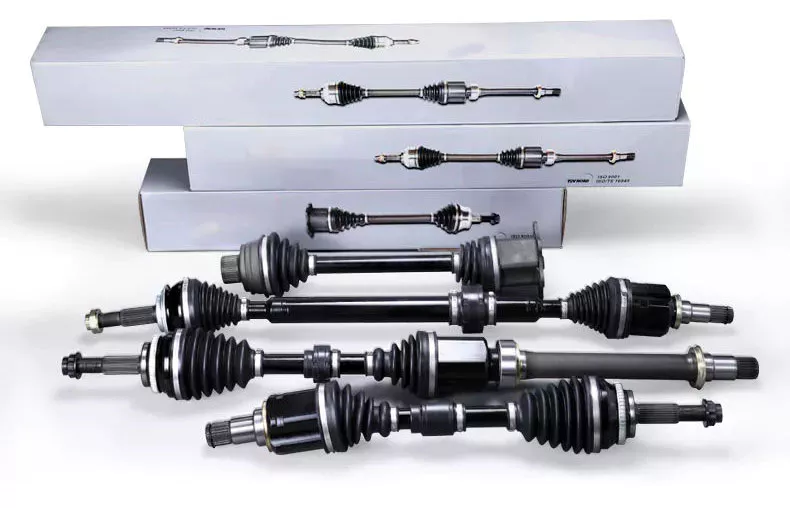
ड्राइव शाफ्ट के जीवनकाल को बढ़ाने के लिए कौन सी रखरखाव पद्धतियाँ महत्वपूर्ण हैं?
ड्राइव शाफ्ट की आयु बढ़ाने और उनके इष्टतम प्रदर्शन को सुनिश्चित करने के लिए, कई रखरखाव प्रक्रियाएं महत्वपूर्ण हैं। नियमित रखरखाव से संभावित समस्याओं को बढ़ने से पहले ही पहचानने और उनका समाधान करने में मदद मिलती है, टूट-फूट कम होती है और ड्राइव शाफ्ट सुचारू रूप से और कुशलतापूर्वक काम करता है। ड्राइव शाफ्ट की आयु बढ़ाने के लिए कुछ आवश्यक रखरखाव प्रक्रियाएं इस प्रकार हैं:
1. नियमित निरीक्षण:
नियमित निरीक्षण करना घिसावट, क्षति या संरेखण में गड़बड़ी के किसी भी लक्षण का पता लगाने के लिए अत्यंत महत्वपूर्ण है। ड्राइव शाफ्ट का दृश्य निरीक्षण करें और शाफ्ट तथा इसके संबंधित घटकों जैसे जोड़ों, योक और स्प्लाइन पर दरारें, डेंट या अत्यधिक घिसावट के किसी भी लक्षण की जाँच करें। चिकनाई रिसाव या संदूषण के किसी भी लक्षण की जाँच करें। इसके अलावा, फास्टनर और माउंटिंग पॉइंट्स की जाँच करके सुनिश्चित करें कि वे सुरक्षित रूप से लगे हुए हैं। किसी भी समस्या का शीघ्र पता लगने से समय पर मरम्मत या प्रतिस्थापन संभव हो पाता है, जिससे ड्राइव शाफ्ट को और अधिक क्षति होने से बचाया जा सकता है।
2. स्नेहन:
ड्राइव शाफ्ट के सुचारू संचालन और दीर्घायु के लिए उचित लुब्रिकेशन आवश्यक है। यूनिवर्सल जॉइंट या कॉन्स्टेंट वेलोसिटी जॉइंट जैसे जोड़ों को निर्माता द्वारा अनुशंसित तरीके से लुब्रिकेट करें। लुब्रिकेशन घर्षण को कम करता है, टूट-फूट को न्यूनतम करता है और संचालन के दौरान उत्पन्न गर्मी को दूर करने में मदद करता है। तापमान, भार और परिचालन स्थितियों जैसे कारकों को ध्यान में रखते हुए, विशिष्ट ड्राइव शाफ्ट और अनुप्रयोग के लिए निर्दिष्ट उपयुक्त लुब्रिकेंट का उपयोग करें। इष्टतम प्रदर्शन सुनिश्चित करने और समय से पहले खराबी को रोकने के लिए लुब्रिकेशन के स्तर की नियमित रूप से जांच करें और आवश्यकतानुसार इसे फिर से भरें।
3. संतुलन और संरेखण:
ड्राइव शाफ्ट की लंबी उम्र के लिए उसका सही संतुलन और संरेखण बनाए रखना बेहद ज़रूरी है। असंतुलन या गलत संरेखण से कंपन, तेज़ी से घिसाव और संभावित खराबी हो सकती है। यदि संचालन के दौरान कंपन या असामान्य आवाज़ें सुनाई दें, तो उन्हें तुरंत ठीक करना महत्वपूर्ण है। ड्राइव शाफ्ट पर समान भार वितरण सुनिश्चित करने के लिए, आवश्यकतानुसार संतुलन प्रक्रियाएं करें, जिनमें डायनेमिक बैलेंसिंग भी शामिल है। इसके अलावा, यह भी सुनिश्चित करें कि ड्राइव शाफ्ट इंजन या पावर सोर्स और उससे जुड़े पुर्जों के साथ सही ढंग से संरेखित हो। गलत संरेखण से ड्राइव शाफ्ट पर अत्यधिक तनाव पड़ सकता है, जिससे समय से पहले खराबी आ सकती है।
4. सुरक्षात्मक परतें:
सुरक्षात्मक कोटिंग लगाने से ड्राइव शाफ्ट की आयु बढ़ाने में मदद मिल सकती है, खासकर उन अनुप्रयोगों में जो कठोर वातावरण या संक्षारक पदार्थों के संपर्क में आते हैं। ड्राइव शाफ्ट को जंग, संक्षारण और रासायनिक क्षति से बचाने के लिए जिंक प्लेटिंग, पाउडर कोटिंग या विशेष संक्षारण-प्रतिरोधी कोटिंग जैसी कोटिंग्स का उपयोग करने पर विचार करें। कोटिंग में किसी भी प्रकार की खराबी या क्षति के संकेतों के लिए नियमित रूप से निरीक्षण करें और सुरक्षात्मक परत को बनाए रखने के लिए आवश्यकतानुसार कोटिंग को दोबारा लगाएं या उसकी मरम्मत करें।
5. टॉर्क और फास्टनर की जांच:
सुनिश्चित करें कि ड्राइव शाफ्ट के बोल्ट, नट या क्लैंप जैसे फास्टनर निर्माता के निर्देशों के अनुसार ठीक से कसे और सुरक्षित किए गए हैं। ढीले या गलत तरीके से कसे गए फास्टनर अत्यधिक कंपन, गलत संरेखण या ड्राइव शाफ्ट के अलग होने का कारण बन सकते हैं। नियमित रूप से फास्टनर की जांच करें और आवश्यकतानुसार या किसी भी रखरखाव या मरम्मत के बाद उन्हें कसें। इसके अलावा, संचालन के दौरान टॉर्क के स्तर पर नज़र रखें ताकि यह सुनिश्चित हो सके कि वे निर्धारित सीमा के भीतर रहें, क्योंकि अत्यधिक टॉर्क ड्राइव शाफ्ट पर दबाव डाल सकता है और समय से पहले खराबी का कारण बन सकता है।
6. पर्यावरण संरक्षण:
ड्राइव शाफ्ट को पर्यावरणीय कारकों से बचाना इसकी जीवन अवधि को काफी बढ़ा सकता है। अत्यधिक तापमान, नमी, रसायनों या घर्षणकारी पदार्थों के संपर्क में आने वाले अनुप्रयोगों में, ड्राइव शाफ्ट की सुरक्षा के लिए उचित उपाय करें। इसमें संदूषकों को प्रवेश करने और क्षति पहुंचाने से रोकने के लिए सुरक्षात्मक कवर, सील या गार्ड का उपयोग शामिल हो सकता है। ड्राइव शाफ्ट की नियमित सफाई, विशेष रूप से गंदे या संक्षारक वातावरण में, मलबे को हटाने और जमाव को रोकने में मदद कर सकती है जो इसके प्रदर्शन और दीर्घायु को प्रभावित कर सकता है।
7. निर्माता के दिशानिर्देश:
ड्राइव शाफ्ट मॉडल और उसके उपयोग के अनुसार रखरखाव प्रक्रियाओं हेतु निर्माता के दिशानिर्देशों और अनुशंसाओं का पालन करें। निर्माता के निर्देशों में निरीक्षण, स्नेहन, संतुलन या अन्य रखरखाव कार्यों के लिए विशिष्ट अंतराल शामिल हो सकते हैं। इन दिशानिर्देशों का पालन करने से ड्राइव शाफ्ट का उचित रखरखाव और सर्विसिंग सुनिश्चित होती है, जिससे उसका जीवनकाल अधिकतम होता है और अप्रत्याशित खराबी का जोखिम कम होता है।
इन रखरखाव प्रक्रियाओं को लागू करने से, ड्राइव शाफ्ट विश्वसनीय रूप से काम कर सकते हैं, कुशल बिजली संचरण बनाए रख सकते हैं और उनका सेवा जीवन लंबा हो सकता है, जिससे अंततः डाउनटाइम कम हो जाता है और विभिन्न अनुप्रयोगों में इष्टतम प्रदर्शन सुनिश्चित होता है।
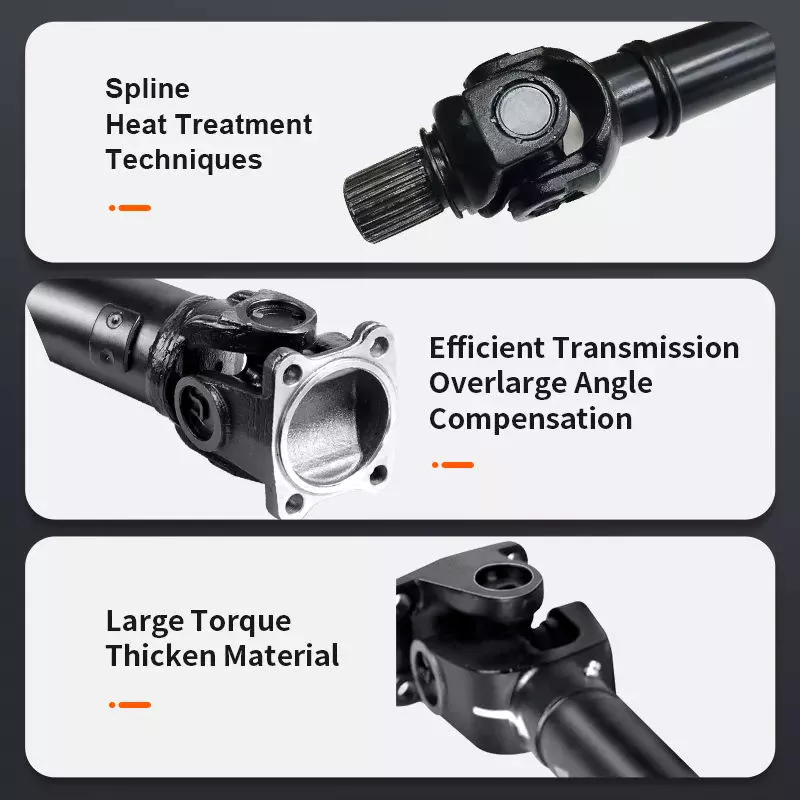
वाहन के प्रणोदन और विद्युत संचरण की दक्षता में ड्राइव शाफ्ट किस प्रकार योगदान देते हैं?
वाहन के प्रणोदन और विद्युत संचरण प्रणालियों की दक्षता में ड्राइव शाफ्ट महत्वपूर्ण भूमिका निभाते हैं। ये इंजन या विद्युत स्रोत से पहियों या संचालित घटकों तक शक्ति स्थानांतरित करने के लिए जिम्मेदार होते हैं। यहां ड्राइव शाफ्ट द्वारा वाहन के प्रणोदन और विद्युत संचरण की दक्षता में योगदान का विस्तृत विवरण दिया गया है:
1. शक्ति स्थानांतरण:
ड्राइव शाफ्ट इंजन या विद्युत स्रोत से पहियों या संचालित घटकों तक शक्ति संचारित करते हैं। घूर्णी ऊर्जा को कुशलतापूर्वक स्थानांतरित करके, ड्राइव शाफ्ट वाहन को आगे बढ़ने या मशीनरी को चलाने में सक्षम बनाते हैं। ड्राइव शाफ्ट का डिज़ाइन और निर्माण स्थानांतरण प्रक्रिया के दौरान न्यूनतम शक्ति हानि सुनिश्चित करता है, जिससे शक्ति संचरण की दक्षता अधिकतम हो जाती है।
2. टॉर्क रूपांतरण:
ड्राइव शाफ्ट इंजन या विद्युत स्रोत से प्राप्त टॉर्क को पहियों या संचालित घटकों तक पहुंचाते हैं। इंजन की शक्ति विशेषताओं को वाहन या मशीनरी की आवश्यकताओं के अनुरूप बनाने के लिए टॉर्क रूपांतरण आवश्यक है। उपयुक्त टॉर्क रूपांतरण क्षमता वाले ड्राइव शाफ्ट यह सुनिश्चित करते हैं कि पहियों को दी जाने वाली शक्ति कुशल प्रणोदन और प्रदर्शन के लिए अनुकूलित हो।
3. स्थिर वेग (सीवी) जोड़:
कई ड्राइव शाफ्ट में कॉन्स्टेंट वेलोसिटी (CV) जॉइंट लगे होते हैं, जो ड्राइविंग और ड्रिवन कंपोनेंट्स के अलग-अलग कोणों पर होने पर भी स्थिर गति और कुशल पावर ट्रांसमिशन बनाए रखने में मदद करते हैं। CV जॉइंट सुचारू पावर ट्रांसफर सुनिश्चित करते हैं और ऑपरेटिंग कोणों में बदलाव के कारण होने वाले कंपन या पावर लॉस को कम करते हैं। स्थिर गति बनाए रखकर, ड्राइव शाफ्ट कुशल पावर ट्रांसमिशन और वाहन के समग्र प्रदर्शन में सुधार में योगदान देते हैं।
4. हल्का निर्माण:
कुशल ड्राइव शाफ्ट अक्सर एल्यूमीनियम या मिश्रित सामग्री जैसे हल्के पदार्थों से बनाए जाते हैं। हल्के निर्माण से ड्राइव शाफ्ट का घूर्णी द्रव्यमान कम हो जाता है, जिसके परिणामस्वरूप जड़त्व कम होता है और दक्षता में सुधार होता है। घूर्णी द्रव्यमान कम होने से इंजन अधिक तेज़ी से गति बढ़ा और घटा सकता है, जिससे ईंधन दक्षता और वाहन का समग्र प्रदर्शन बेहतर होता है।
5. घर्षण को न्यूनतम करना:
कुशल ड्राइव शाफ्ट को विद्युत संचरण के दौरान घर्षण हानि को कम करने के लिए डिज़ाइन किया जाता है। इनमें उच्च गुणवत्ता वाले बियरिंग, कम घर्षण वाले सील और उचित स्नेहन जैसी विशेषताएं शामिल होती हैं, जो घर्षण के कारण होने वाली ऊर्जा हानि को कम करती हैं। घर्षण को कम करके, ड्राइव शाफ्ट विद्युत संचरण दक्षता को बढ़ाते हैं और प्रणोदन या अन्य मशीनरी के संचालन के लिए उपलब्ध शक्ति को अधिकतम करते हैं।
6. संतुलित और कंपन-मुक्त संचालन:
ड्राइव शाफ्ट के निर्माण के दौरान सुचारू और कंपन-मुक्त संचालन सुनिश्चित करने के लिए गतिशील संतुलन किया जाता है। ड्राइव शाफ्ट में असंतुलन से बिजली की हानि, अधिक घिसाव और कंपन हो सकते हैं, जिससे समग्र दक्षता कम हो जाती है। ड्राइव शाफ्ट को संतुलित करके, यह समान रूप से घूम सकता है, कंपन को कम कर सकता है और बिजली संचरण दक्षता को अनुकूलित कर सकता है।
7. रखरखाव और नियमित निरीक्षण:
ड्राइव शाफ्ट की कार्यक्षमता बनाए रखने के लिए उनका उचित रखरखाव और नियमित निरीक्षण आवश्यक है। नियमित रूप से लुब्रिकेशन, जोड़ों और घटकों का निरीक्षण, और घिसे हुए या क्षतिग्रस्त पुर्जों की तुरंत मरम्मत या प्रतिस्थापन से बिजली संचरण की सर्वोत्तम क्षमता सुनिश्चित होती है। अच्छी तरह से रखरखाव किए गए ड्राइव शाफ्ट न्यूनतम घर्षण, कम बिजली हानि और बेहतर समग्र कार्यक्षमता के साथ काम करते हैं।
8. कुशल संचरण प्रणालियों के साथ एकीकरण:
ड्राइव शाफ्ट कुशल ट्रांसमिशन सिस्टम, जैसे कि मैनुअल, ऑटोमैटिक या निरंतर परिवर्तनीय ट्रांसमिशन, के साथ मिलकर काम करते हैं। ये ट्रांसमिशन ड्राइविंग स्थितियों और वाहन की गति के आधार पर पावर डिलीवरी और गियर अनुपात को अनुकूलित करने में मदद करते हैं। कुशल ट्रांसमिशन सिस्टम के साथ एकीकृत होकर, ड्राइव शाफ्ट वाहन के प्रणोदन और पावर ट्रांसमिशन सिस्टम की समग्र दक्षता में योगदान करते हैं।
9. वायुगतिकीय विचार:
कुछ मामलों में, ड्राइव शाफ्ट को वायुगतिकीय कारकों को ध्यान में रखकर डिज़ाइन किया जाता है। सुव्यवस्थित ड्राइव शाफ्ट, जिनका उपयोग अक्सर उच्च-प्रदर्शन या इलेक्ट्रिक वाहनों में किया जाता है, वायु प्रतिरोध और घर्षण को कम करते हैं, जिससे वाहन की समग्र दक्षता में सुधार होता है। वायुगतिकीय घर्षण को कम करके, ड्राइव शाफ्ट वाहन के कुशल प्रणोदन और शक्ति संचरण में योगदान करते हैं।
10. अनुकूलित लंबाई और डिजाइन:
ऊर्जा हानि को कम करने के लिए ड्राइव शाफ्ट की लंबाई और डिज़ाइन को इष्टतम स्तर पर रखा जाता है। ड्राइव शाफ्ट की अत्यधिक लंबाई या अनुचित डिज़ाइन से अतिरिक्त घूर्णी द्रव्यमान उत्पन्न हो सकता है, बेंडिंग स्ट्रेस बढ़ सकता है और ऊर्जा हानि हो सकती है। लंबाई और डिज़ाइन को अनुकूलित करके, ड्राइव शाफ्ट पावर ट्रांसमिशन दक्षता को अधिकतम करते हैं और वाहन की समग्र दक्षता में सुधार लाने में योगदान करते हैं।
कुल मिलाकर, ड्राइव शाफ्ट प्रभावी शक्ति हस्तांतरण, टॉर्क रूपांतरण, सीवी जोड़ों के उपयोग, हल्के निर्माण, न्यूनतम घर्षण, संतुलित संचालन, नियमित रखरखाव, कुशल संचरण प्रणालियों के साथ एकीकरण, वायुगतिकीय संबंधी विचारों और अनुकूलित लंबाई एवं डिजाइन के माध्यम से वाहन प्रणोदन और शक्ति संचरण की दक्षता में योगदान करते हैं। कुशल शक्ति वितरण सुनिश्चित करके और ऊर्जा हानि को कम करके, ड्राइव शाफ्ट वाहनों और मशीनरी की समग्र दक्षता और प्रदर्शन को बढ़ाने में महत्वपूर्ण भूमिका निभाते हैं।
How do drive shafts contribute to transferring rotational power in various applications?
Drive shafts play a crucial role in transferring rotational power from the engine or power source to the wheels or driven components in various applications. Whether it’s in vehicles or machinery, drive shafts enable efficient power transmission and facilitate the functioning of different systems. Here’s a detailed explanation of how drive shafts contribute to transferring rotational power:
1. Vehicle Applications:
In vehicles, drive shafts are responsible for transmitting rotational power from the engine to the wheels, enabling the vehicle to move. The drive shaft connects the gearbox or transmission output shaft to the differential, which further distributes the power to the wheels. As the engine generates torque, it is transferred through the drive shaft to the wheels, propelling the vehicle forward. This power transfer allows the vehicle to accelerate, maintain speed, and overcome resistance, such as friction and inclines.
2. Machinery Applications:
In machinery, drive shafts are utilized to transfer rotational power from the engine or motor to various driven components. For example, in industrial machinery, drive shafts may be used to transmit power to pumps, generators, conveyors, or other mechanical systems. In agricultural machinery, drive shafts are commonly employed to connect the power source to equipment such as harvesters, balers, or irrigation systems. Drive shafts enable these machines to perform their intended functions by delivering rotational power to the necessary components.
3. Power Transmission:
Drive shafts are designed to transmit rotational power efficiently and reliably. They are capable of transferring substantial amounts of torque from the engine to the wheels or driven components. The torque generated by the engine is transmitted through the drive shaft without significant power losses. By maintaining a rigid connection between the engine and the driven components, drive shafts ensure that the power produced by the engine is effectively utilized in performing useful work.
4. Flexible Coupling:
One of the key functions of drive shafts is to provide a flexible coupling between the engine/transmission and the wheels or driven components. This flexibility allows the drive shaft to accommodate angular movement and compensate for misalignment between the engine and the driven system. In vehicles, as the suspension system moves or the wheels encounter uneven terrain, the drive shaft adjusts its length and angle to maintain a constant power transfer. This flexibility helps prevent excessive stress on the drivetrain components and ensures smooth power transmission.
5. Torque and Speed Transmission:
Drive shafts are responsible for transmitting both torque and rotational speed. Torque is the rotational force generated by the engine or power source, while rotational speed is the number of revolutions per minute (RPM). Drive shafts must be capable of handling the torque requirements of the application without excessive twisting or bending. Additionally, they need to maintain the desired rotational speed to ensure the proper functioning of the driven components. Proper design, material selection, and balancing of the drive shafts contribute to efficient torque and speed transmission.
6. Length and Balance:
The length and balance of drive shafts are critical factors in their performance. The length of the drive shaft is determined by the distance between the engine or power source and the driven components. It should be appropriately sized to avoid excessive vibrations or bending. Drive shafts are carefully balanced to minimize vibrations and rotational imbalances, which can affect the overall performance, comfort, and longevity of the drivetrain system.
7. Safety and Maintenance:
Drive shafts require proper safety measures and regular maintenance. In vehicles, drive shafts are often enclosed within a protective tube or housing to prevent contact with moving parts, reducing the risk of injury. Safety shields or guards may also be installed around exposed drive shafts in machinery to protect operators from potential hazards. Regular maintenance includes inspecting the drive shaft for wear, damage, or misalignment, and ensuring proper lubrication of the U-joints. These measures help prevent failures, ensure optimal performance, and extend the service life of the drive shaft.
In summary, drive shafts play a vital role in transferring rotational power in various applications. Whether in vehicles or machinery, drive shafts enable efficient power transmission from the engine or power source to the wheels or driven components. They provide a flexible coupling, handle torque and speed transmission, accommodate angular movement, and contribute to the safety and maintenance of the system. By effectively transferring rotational power, drive shafts facilitate the functioning and performance of vehicles and machinery in numerous industries.


editor by CX 2024-02-26























