
उत्पाद वर्णन
As a professional manufacturer for propeller shaft, we have +8/8822 0571 8
45710-S10-A01
12344543
27111-SC571
936-571
45710-S9A-E01
936-911
27111-AJ13D
936-034
45710-S9A-J01
936-916
27101-84C00
for MITSUBISHI/NISSAN
for TOYOTA
CARDONE
OE
CARDONE
OE
65-3009
MR580626
65-5007
37140-35180
65-6000
3401A571
65-9842
37140-35040
65-9480
37000-JM14A
65-5571
37100-3D250
65-9478
37000-S3805
65-5030
37100-34120
65-6004
37000-S4203
65-9265
37110-3D070
65-6571
37041-90062
65-9376
37110-35880
936-262
37041-90014
65-5571
37110-3D220
938-030
37300-F3600
65-5571
37100-34111
936-363
37000-7C002
65-5018
37110-3D060
938-200
37000-7C001
65-5012
37100-5712
for KOREA CAR
for HYUNDAI/KIA
CARDONE
OE
CARDONE
OE
65-3502
49571-H1031
936-211
49100-3E450
65-3503
49300-2S000
936-210
49100-3E400
65-3500
49300-0L000
936-200
49300-2P500
/* March 10, 2571 17:59:20 */!function(){function s(e,r){var a,o={};try{e&&e.split(“,”).forEach(function(e,t){e&&(a=e.match(/(.*?):(.*)$/))&&1
| After-sales Service: | 1 वर्ष |
|---|---|
| स्थिति: | नया |
| Color: | Black |
| प्रमाणन: | ISO, IATF |
| प्रकार: | Propeller Shaft/Drive Shaft |
| Application Brand: | Jeep |
| उदाहरण: |
US$ 300/Piece
1 पीस (न्यूनतम ऑर्डर) | |
|---|
| अनुकूलन: |
उपलब्ध
| अनुकूलित अनुरोध |
|---|
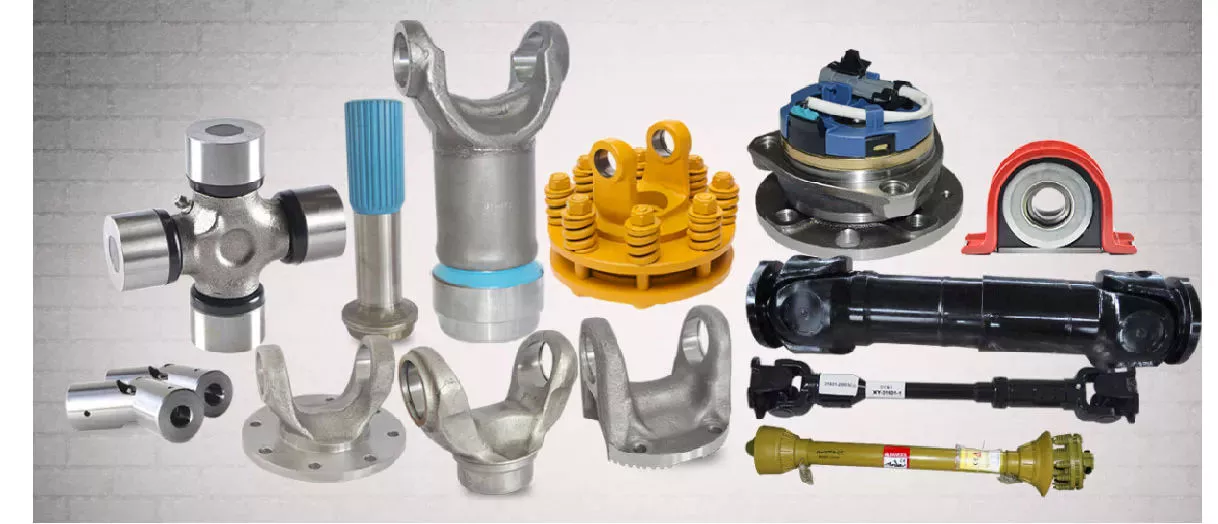
What factors should be considered when selecting the right drive shaft for an application?
When selecting the right drive shaft for an application, several factors need to be considered. The choice of drive shaft plays a crucial role in ensuring efficient and reliable power transmission. Here are the key factors to consider:
1. Power and Torque Requirements:
The power and torque requirements of the application are essential considerations. It is crucial to determine the maximum torque that the drive shaft will need to transmit without failure or excessive deflection. This includes evaluating the power output of the engine or power source, as well as the torque demands of the driven components. Selecting a drive shaft with the appropriate diameter, material strength, and design is essential to ensure it can handle the expected torque levels without compromising performance or safety.
2. Operating Speed:
The operating speed of the drive shaft is another critical factor. The rotational speed affects the dynamic behavior of the drive shaft, including the potential for vibration, resonance, and critical speed limitations. It is important to choose a drive shaft that can operate within the desired speed range without encountering excessive vibrations or compromising the structural integrity. Factors such as the material properties, balance, and critical speed analysis should be considered to ensure the drive shaft can handle the required operating speed effectively.
3. Length and Alignment:
The length and alignment requirements of the application must be considered when selecting a drive shaft. The distance between the engine or power source and the driven components determines the required length of the drive shaft. In situations where there are significant variations in length or operating angles, telescopic drive shafts or multiple drive shafts with appropriate couplings or universal joints may be necessary. Proper alignment of the drive shaft is crucial to minimize vibrations, reduce wear and tear, and ensure efficient power transmission.
4. Space Limitations:
The available space within the application is an important factor to consider. The drive shaft must fit within the allocated space without interfering with other components or structures. It is essential to consider the overall dimensions of the drive shaft, including length, diameter, and any additional components such as joints or couplings. In some cases, custom or compact drive shaft designs may be required to accommodate space limitations while maintaining adequate power transmission capabilities.
5. Environmental Conditions:
The environmental conditions in which the drive shaft will operate should be evaluated. Factors such as temperature, humidity, corrosive agents, and exposure to contaminants can impact the performance and lifespan of the drive shaft. It is important to select materials and coatings that can withstand the specific environmental conditions to prevent corrosion, degradation, or premature failure of the drive shaft. Special considerations may be necessary for applications exposed to extreme temperatures, water, chemicals, or abrasive substances.
6. Application Type and Industry:
The specific application type and industry requirements play a significant role in drive shaft selection. Different industries, such as automotive, aerospace, industrial machinery, agriculture, or marine, have unique demands that need to be addressed. Understanding the specific needs and operating conditions of the application is crucial in determining the appropriate drive shaft design, materials, and performance characteristics. Compliance with industry standards and regulations may also be a consideration in certain applications.
7. Maintenance and Serviceability:
The ease of maintenance and serviceability should be taken into account. Some drive shaft designs may require periodic inspection, lubrication, or replacement of components. Considering the accessibility of the drive shaft and associated maintenance requirements can help minimize downtime and ensure long-term reliability. Easy disassembly and reassembly of the drive shaft can also be beneficial for repair or component replacement.
By carefully considering these factors, one can select the right drive shaft for an application that meets the power transmission needs, operating conditions, and durability requirements, ultimately ensuring optimal performance and reliability.

ड्राइव शाफ्ट के साथ काम करते समय किन सुरक्षा सावधानियों का पालन किया जाना चाहिए?
ड्राइव शाफ्ट के साथ काम करते समय दुर्घटनाओं, चोटों और उपकरणों को होने वाले नुकसान से बचने के लिए विशिष्ट सुरक्षा सावधानियों का पालन करना आवश्यक है। ड्राइव शाफ्ट किसी वाहन या मशीनरी के ड्राइवलाइन सिस्टम के महत्वपूर्ण घटक होते हैं और यदि इन्हें ठीक से न संभाला जाए तो ये खतरनाक हो सकते हैं। ड्राइव शाफ्ट के साथ काम करते समय बरती जाने वाली सुरक्षा सावधानियों का विस्तृत विवरण यहाँ दिया गया है:
1. व्यक्तिगत सुरक्षा उपकरण (पीपीई):
ड्राइव शाफ्ट के साथ काम करते समय हमेशा उचित व्यक्तिगत सुरक्षा उपकरण पहनें। इसमें सुरक्षा चश्मे, दस्ताने, स्टील-टो वाले जूते और सुरक्षात्मक कपड़े शामिल हो सकते हैं। पीपीई उड़ने वाले मलबे, नुकीले किनारों या चलते हुए पुर्जों के आकस्मिक संपर्क से होने वाली संभावित चोटों से सुरक्षा प्रदान करता है।
2. लॉकआउट/टैगआउट प्रक्रियाएँ:
ड्राइव शाफ्ट पर काम करने से पहले, सुनिश्चित करें कि बिजली स्रोत को ठीक से लॉकआउट और टैगआउट किया गया है। इसमें बिजली आपूर्ति को अलग करना शामिल है, जैसे कि इंजन को बंद करना या बिजली की आपूर्ति को डिस्कनेक्ट करना, और इसे लॉकआउट/टैगआउट डिवाइस से सुरक्षित करना। इससे रखरखाव या मरम्मत कार्य के दौरान ड्राइव शाफ्ट के आकस्मिक रूप से चालू होने से बचा जा सकता है।
3. वाहन या उपकरण सहायता:
वाहनों या उपकरणों में ड्राइव शाफ्ट के साथ काम करते समय, अप्रत्याशित हलचल को रोकने के लिए उचित सपोर्ट तंत्र का उपयोग करें। ड्राइव शाफ्ट को निकालते या लगाते समय वाहन को लुढ़कने या हिलने से रोकने के लिए वाहन के पहियों को मजबूती से ब्लॉक करें या सपोर्ट स्टैंड का उपयोग करें। इससे स्थिरता बनी रहती है और दुर्घटनाओं का खतरा कम होता है।
4. सामान उठाने की सही तकनीक:
भारी ड्राइव शाफ्ट को उठाते समय, तनाव या चोट से बचने के लिए उचित उठाने की तकनीक का उपयोग करें। उपयुक्त उठाने वाले उपकरण, जैसे कि होइस्ट या जैक, की सहायता से उठाएँ और सुनिश्चित करें कि भार समान रूप से वितरित हो और सुरक्षित रूप से जुड़ा हो। भारी ड्राइव शाफ्ट को मैन्युअल रूप से या अनुचित उठाने वाले उपकरणों से उठाने से बचें, क्योंकि इससे दुर्घटनाएँ और चोटें लग सकती हैं।
5. निरीक्षण और रखरखाव:
ड्राइव शाफ्ट पर काम शुरू करने से पहले, उसमें किसी भी प्रकार की क्षति, घिसावट या संरेखण में गड़बड़ी की अच्छी तरह से जांच कर लें। यदि कोई असामान्यता पाई जाती है, तो आगे बढ़ने से पहले किसी योग्य तकनीशियन या इंजीनियर से परामर्श लें। ड्राइव शाफ्ट की कार्यशील स्थिति को सुनिश्चित करने के लिए नियमित रखरखाव भी आवश्यक है। खराबी या गड़बड़ी के जोखिम को कम करने के लिए निर्माता द्वारा अनुशंसित रखरखाव कार्यक्रम और प्रक्रियाओं का पालन करें।
6. उचित उपकरण और सामग्री:
ड्राइव शाफ्ट के साथ काम करने के लिए विशेष रूप से डिज़ाइन किए गए उपयुक्त औजारों का ही प्रयोग करें। गलत औजारों या कामचलाऊ समाधानों से दुर्घटनाएं हो सकती हैं या ड्राइव शाफ्ट को नुकसान पहुंच सकता है। सुनिश्चित करें कि औजार अच्छी स्थिति में हों, सही आकार के हों और काम के लिए उपयुक्त हों। विशेष औजारों का उपयोग करते समय निर्माता के निर्देशों और दिशानिर्देशों का पालन करें।
7. संग्रहित ऊर्जा का नियंत्रित विमोचन:
कुछ ड्राइव शाफ्ट, विशेष रूप से वे जिनमें टॉर्शनल डैम्पर या अन्य ऊर्जा-संग्रहीत घटक होते हैं, बिजली स्रोत बंद होने पर भी ऊर्जा संग्रहित कर सकते हैं। ऐसे ड्राइव शाफ्ट पर काम करते समय सावधानी बरतें और यह सुनिश्चित करें कि उन्हें खोलने या हटाने से पहले संग्रहित ऊर्जा सुरक्षित रूप से मुक्त हो जाए।
8. प्रशिक्षण और विशेषज्ञता:
ड्राइव शाफ्ट पर काम केवल उन्हीं व्यक्तियों द्वारा किया जाना चाहिए जिनके पास आवश्यक प्रशिक्षण, ज्ञान और विशेषज्ञता हो। यदि आप ड्राइव शाफ्ट से परिचित नहीं हैं या आपके पास आवश्यक कौशल नहीं हैं, तो योग्य तकनीशियनों या पेशेवरों से सहायता लें। ड्राइव शाफ्ट को गलत तरीके से संभालने या स्थापित करने से दुर्घटनाएं, क्षति या कार्यक्षमता में कमी आ सकती है।
9. निर्माता के दिशानिर्देशों का पालन करें:
ड्राइव शाफ्ट के साथ काम करते समय हमेशा निर्माता के दिशानिर्देशों, निर्देशों और चेतावनियों का पालन करें। ये दिशानिर्देश स्थापना, रखरखाव और सुरक्षा संबंधी महत्वपूर्ण जानकारी प्रदान करते हैं। निर्माता की अनुशंसाओं का उल्लंघन करने से असुरक्षित स्थितियाँ उत्पन्न हो सकती हैं या वारंटी रद्द हो सकती है।
10. पुराने या क्षतिग्रस्त ड्राइव शाफ्ट का निपटान:
पुराने या क्षतिग्रस्त ड्राइव शाफ्ट का निपटान स्थानीय नियमों और पर्यावरण संबंधी दिशानिर्देशों के अनुसार करें। अनुचित निपटान से पर्यावरण पर नकारात्मक प्रभाव पड़ सकते हैं और कानूनी आवश्यकताओं का उल्लंघन हो सकता है। उचित निपटान विधियों का पालन सुनिश्चित करने के लिए स्थानीय अपशिष्ट प्रबंधन अधिकारियों या पुनर्चक्रण केंद्रों से परामर्श लें।
इन सुरक्षा सावधानियों का पालन करके, व्यक्ति ड्राइव शाफ्ट के साथ काम करने से जुड़े जोखिमों को कम कर सकते हैं और एक सुरक्षित कार्य वातावरण को बढ़ावा दे सकते हैं। ड्राइव शाफ्ट के उचित संचालन और रखरखाव को सुनिश्चित करने के लिए व्यक्तिगत सुरक्षा को प्राथमिकता देना, उचित उपकरण और तकनीकों का उपयोग करना और आवश्यकता पड़ने पर पेशेवर सहायता लेना अत्यंत महत्वपूर्ण है।
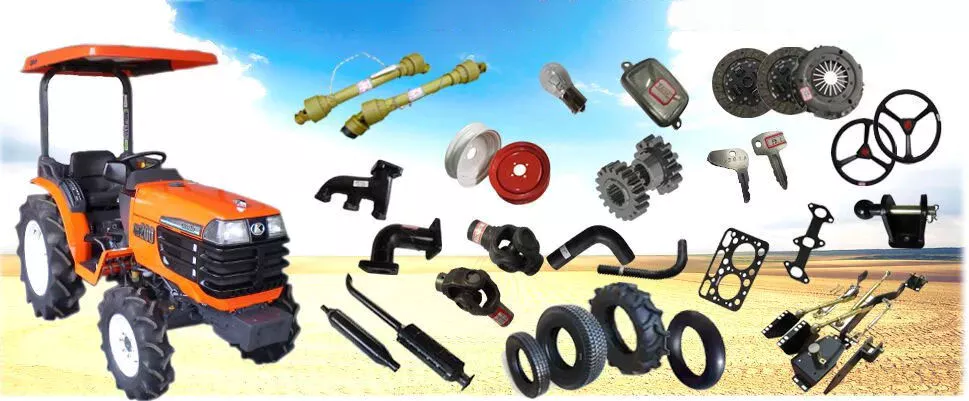
Are there variations in drive shaft designs for different types of machinery?
Yes, there are variations in drive shaft designs to cater to the specific requirements of different types of machinery. The design of a drive shaft is influenced by factors such as the application, power transmission needs, space limitations, operating conditions, and the type of driven components. Here’s an explanation of how drive shaft designs can vary for different types of machinery:
1. Automotive Applications:
In the automotive industry, drive shaft designs can vary depending on the vehicle’s configuration. Rear-wheel-drive vehicles typically use a single-piece or two-piece drive shaft, which connects the transmission or transfer case to the rear differential. Front-wheel-drive vehicles often use a different design, employing a drive shaft that combines with the constant velocity (CV) joints to transmit power to the front wheels. All-wheel-drive vehicles may have multiple drive shafts to distribute power to all wheels. The length, diameter, material, and joint types can differ based on the vehicle’s layout and torque requirements.
2. Industrial Machinery:
Drive shaft designs for industrial machinery depend on the specific application and power transmission requirements. In manufacturing machinery, such as conveyors, presses, and rotating equipment, drive shafts are designed to transfer power efficiently within the machine. They may incorporate flexible joints or use a splined or keyed connection to accommodate misalignment or allow for easy disassembly. The dimensions, materials, and reinforcement of the drive shaft are selected based on the torque, speed, and operating conditions of the machinery.
3. Agriculture and Farming:
Agricultural machinery, such as tractors, combines, and harvesters, often requires drive shafts that can handle high torque loads and varying operating angles. These drive shafts are designed to transmit power from the engine to attachments and implements, such as mowers, balers, tillers, and harvesters. They may incorporate telescopic sections to accommodate adjustable lengths, flexible joints to compensate for misalignment during operation, and protective shielding to prevent entanglement with crops or debris.
4. Construction and Heavy Equipment:
Construction and heavy equipment, including excavators, loaders, bulldozers, and cranes, require robust drive shaft designs capable of transmitting power in demanding conditions. These drive shafts often have larger diameters and thicker walls to handle high torque loads. They may incorporate universal joints or CV joints to accommodate operating angles and absorb shocks and vibrations. Drive shafts in this category may also have additional reinforcements to withstand the harsh environments and heavy-duty applications associated with construction and excavation.
5. Marine and Maritime Applications:
Drive shaft designs for marine applications are specifically engineered to withstand the corrosive effects of seawater and the high torque loads encountered in marine propulsion systems. Marine drive shafts are typically made from stainless steel or other corrosion-resistant materials. They may incorporate flexible couplings or dampening devices to reduce vibration and mitigate the effects of misalignment. The design of marine drive shafts also considers factors such as shaft length, diameter, and support bearings to ensure reliable power transmission in marine vessels.
6. Mining and Extraction Equipment:
In the mining industry, drive shafts are used in heavy machinery and equipment such as mining trucks, excavators, and drilling rigs. These drive shafts need to withstand extremely high torque loads and harsh operating conditions. Drive shaft designs for mining applications often feature larger diameters, thicker walls, and specialized materials such as alloy steel or composite materials. They may incorporate universal joints or CV joints to handle operating angles, and they are designed to be resistant to abrasion and wear.
These examples highlight the variations in drive shaft designs for different types of machinery. The design considerations take into account factors such as power requirements, operating conditions, space constraints, alignment needs, and the specific demands of the machinery or industry. By tailoring the drive shaft design to the unique requirements of each application, optimal power transmission efficiency and reliability can be achieved.


editor by CX 2024-01-24























