
Preventing PTO Entanglement: Best Practices for Farm Safety
Understanding Why PTO Entanglement Is So Catastrophic
 A PTO shaft — Power Take-Off shaft — is the rotating mechanical link between a tractor and an attached implement. Whether it’s powering a slurry pump outside Sheffield, driving a grain auger in Lincolnshire, or running a hedge cutter across a Welsh border farm, the shaft transfers torque from the tractor engine to the working implement with remarkable efficiency. At standard operating speeds of 540 RPM or 1,000 RPM, this rotating component covers approximately nine full revolutions every single second. It is mechanically indifferent to whatever — or whoever — comes into contact with it.
The physics of entanglement are unforgiving. A loose trouser leg, an untucked work shirt, or a fraying jacket cuff brushing against an exposed PTO shaft can be seized and wound around the component in a fraction of a second. The force involved is enormous: a standard agricultural PTO transmits torque ranging from 300 Nm on a compact tractor to well over 2,000 Nm on a high-horsepower machine. There is no realistic possibility of pulling free once the wrapping process begins. What makes PTO entanglement different from many other farm accidents is the completeness of the harm — amputations, degloving injuries, multiple fractures, and fatalities are documented outcomes in Health and Safety Executive (HSE) records and coroner’s reports across England, Scotland, and Wales.
What the statistics from the HSE consistently reveal is that the majority of PTO incidents do not happen to newcomers on their first day. They happen to experienced operators who have grown comfortable with equipment they have used for years. Familiarity generates complacency, and complacency around rotating PTO shafts kills. Seasonal workers, contractors, and farm visitors are also at elevated risk because they may lack specific farm induction, may be unfamiliar with the specific equipment configuration, or may not realise that a shaft is engaged and spinning. In every case, the injury or death could have been prevented by one or more of the measures detailed throughout this article.
The Anatomy of a Safe PTO Shaft System
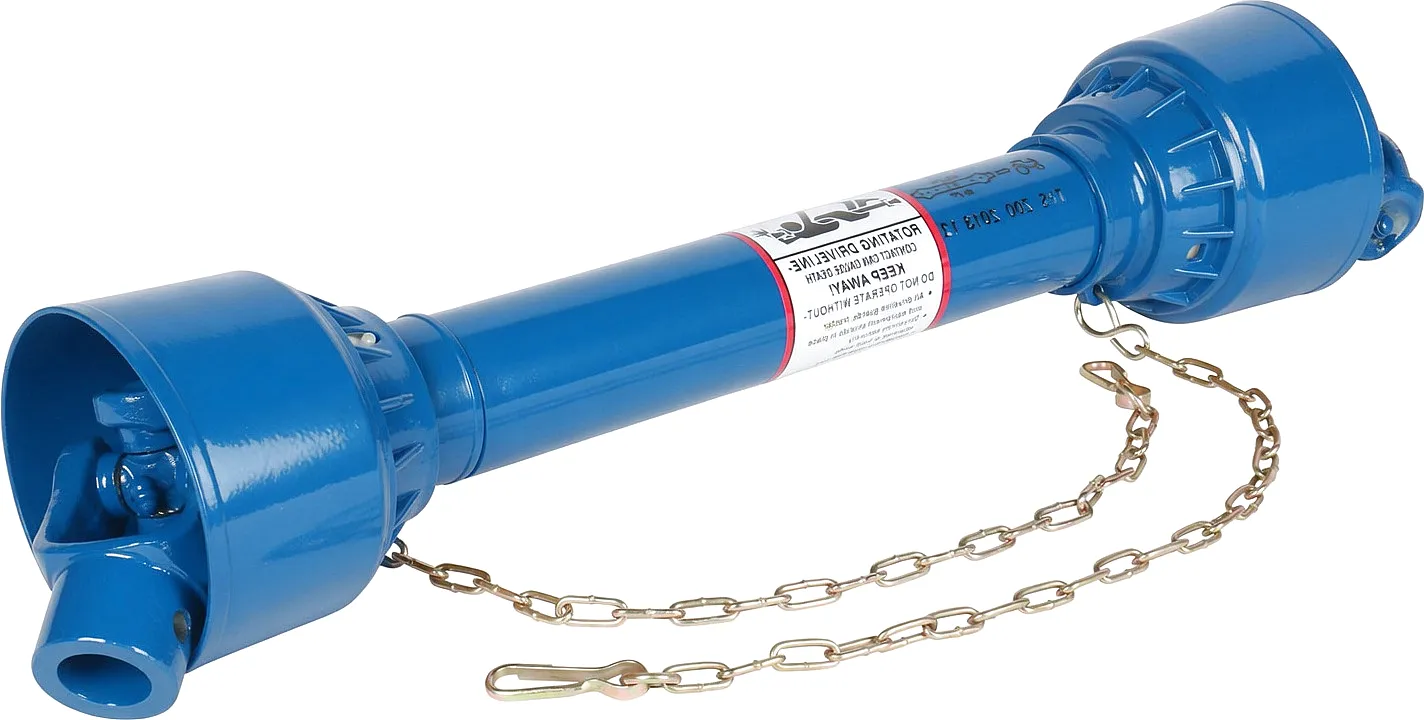
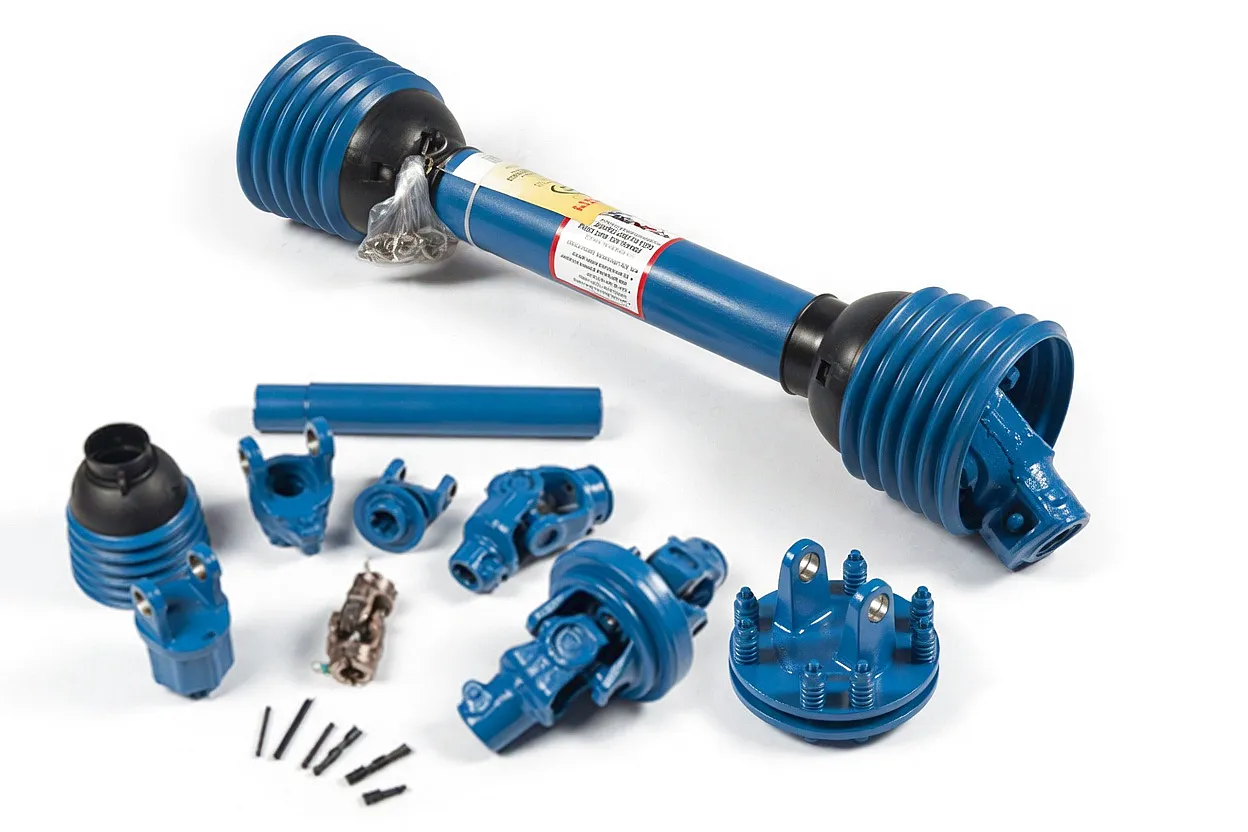
A properly engineered and maintained PTO shaft is not inherently dangerous — the danger arises when safety systems are absent, damaged, bypassed, or poorly maintained. The complete assembly of a safe PTO drive shaft includes a protective outer guard tube (typically manufactured from high-density polyethylene or reinforced nylon), end guards that cover the connection points at both the tractor PTO stub and the implement input, a minimum of one retention chain or support bracket preventing the guard from rotating, and clearly visible safety markings in accordance with BS EN ISO 4254 and current UK machinery regulations post-Brexit.
Guard quality varies considerably across the market. Budget replacement guards are often manufactured from thinner-walled materials that crack or deform at relatively modest impact. Professional-grade options — those specified for continuous commercial agricultural use in demanding conditions from the Fens to the Scottish Highlands — use co-extruded profiles, UV stabilisers, and anti-crack HDPE formulations with independent retention systems. Choosing the correct guard for the application is not a matter of cost-cutting; it is a matter of whether the guard will actually remain intact when it matters.
Engineering Safeguards: What the Technology Provides
 Modern PTO shaft manufacturing has incorporated a range of engineered safety features that go well beyond the simple plastic tube guard of a generation ago. Wide-angle constant velocity joints, for example, allow the shaft to operate through greater angular deflections — up to 80 degrees in some configurations — without creating the cyclical velocity fluctuations that contribute to wear, vibration, and guard damage. Overrunning clutches incorporated into the shaft assembly allow the implement to continue spinning momentarily after the tractor PTO is disengaged, preventing dangerous shock loads that can fracture components. Shear bolt or slip clutch overload protection systems are now standard on quality shafts for mower, mulcher, and flail applications common on farms across Yorkshire and the Midlands.
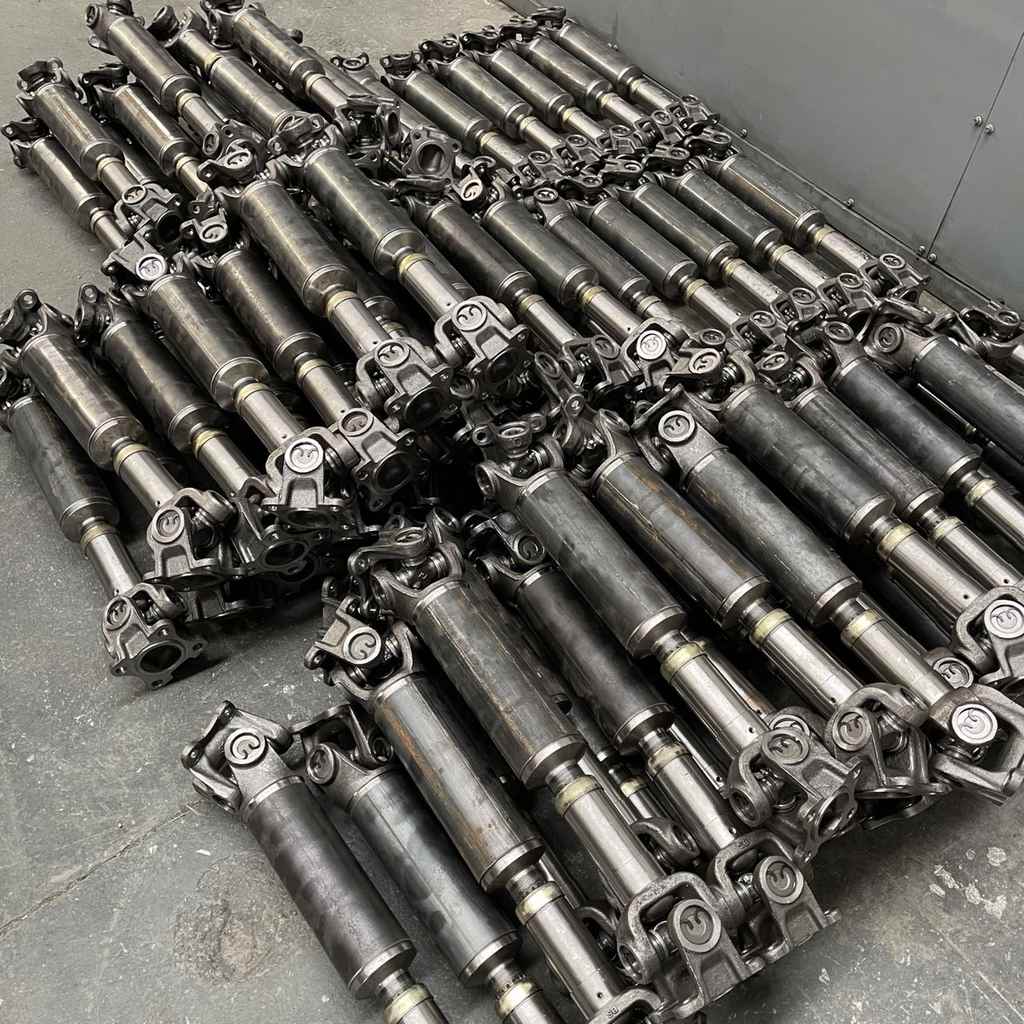
The materials used in the construction of contemporary agricultural PTO shafts also reflect improvements in safety thinking. High-strength seamless steel tubes, heat-treated yokes and universal joints, and precision-balanced assemblies all reduce the likelihood of component failure that could result in catastrophic disintegration or unexpected shaft whip. When a shaft fails suddenly — due to metal fatigue from a crack that developed through inadequate maintenance — the energy released can be sufficient to injure bystanders at considerable distance. This is why material integrity in PTO shaft construction is inseparable from safety considerations; it is not merely a performance specification.
PTO Shaft Technical & Performance Parameters
| पैरामीटर | Specification | Safety Relevance |
|---|---|---|
| Standard Operating Speed | 540 RPM / 1,000 RPM | Determines entanglement speed — guarding mandatory at all speeds |
| Torque Range | 300 Nm – 2,500+ Nm | High torque amplifies injury severity; overload clutches protect components |
| शाफ्ट सामग्री | Seamless alloy steel (C45 / 20CrMo4) | Consistent wall thickness prevents fatigue cracking and failure |
| Guard Material | HDPE / Reinforced Nylon (PA6) | Impact-resistant, UV-stable; must remain intact under field conditions |
| Maximum Joint Angle (WA) | Up to 80° (wide-angle CV joints) | Reduces guard stress and vibration; prevents guard cracking at tight angles |
| ओवरलोड सुरक्षा | Shear bolt / Slip clutch / Torque limiter | Prevents violent shock loads; reduces shaft failure risk |
| सतह की फिनिश | Hot-dip galvanising / Phosphate + paint | Corrosion resistance maintains structural integrity over field life |
| Compliance Standard | BS EN ISO 4254, UK PSSR 2000 | Legal minimum for operation on UK farms under HSE inspection |
| Retention System | Chain / Bracket (anti-rotation) | Prevents guard spinning with shaft — critical for entanglement prevention |
Operational Best Practices That Actually Prevent Accidents
The engineering of a safe PTO shaft provides the platform for protection, but the behaviours of operators, farm managers, and maintenance teams determine whether that protection is realised in practice. There is a persistent tendency in agricultural safety literature to focus on rules and checklists, when the evidence points consistently to a different underlying factor: the culture of the workplace. Farms in the East Midlands, the Welsh Marches, and across Devon have demonstrated that where senior operators model safe behaviours consistently — never walking past a spinning shaft, always disengaging PTO before leaving the tractor, always replacing a damaged guard immediately — accident rates fall dramatically and stay low. Culture cannot be mandated by a poster on a barn wall; it is transmitted through consistent daily behaviour.
Procedural discipline around PTO engagement and disengagement is the single most impactful operational measure. The tractor engine should be at idle before engaging PTO where the implement’s design permits it. When work requires the operator to leave the tractor seat — even momentarily, even for a task that will take ten seconds — the PTO must be disengaged. This is not a suggestion for particularly dangerous situations; it is a fixed rule for every situation. There are no documented cases in HSE incident reports where a brief dismount with PTO engaged proved to be genuinely necessary. Every such case resulted either from luck or from injury. Familiarity with a specific shaft or implement does not reduce the rotational speed or the torque; it only reduces the operator’s attention.
Pre-Operation Inspection
Before each working day, physically inspect the guard for cracks, missing end caps, and damaged retention chains. Rotate the guard by hand to confirm it does not bind on the shaft. Replace any component that shows wear or impact damage. A two-minute inspection prevents career-ending injury.
Correct Clothing Protocol
All persons working near PTO-operated machinery must wear close-fitting clothing. No loose cuffs, scarves, drawstring waistbands, or open-ended knitwear. High-visibility vests should be the zip-front type, never the bib type with loose neck apertures. Secure long hair completely; hairnets are not excessive caution in this context.
Shaft Maintenance Schedule
Universal joints require regular greasing — typically every 8 to 25 operating hours depending on manufacturer specification. Neglected joints run dry, overheat, and develop uneven wear that generates vibration and accelerated guard damage. Grease nipples that refuse to accept lubricant indicate a joint already seized internally and requiring replacement, not further greasing.
Exclusion Zone Management
When any PTO-operated machine is running, a minimum exclusion zone should be enforced around the shaft and the implement danger area. On arable operations in Cambridgeshire or large estates in Northumberland, this is straightforward. On smaller mixed farms or when contractors work near farm buildings, communicating this zone to all persons present requires active supervision, not just a verbal briefing.
Training Standards and UK Regulatory Compliance
Under the Provision and Use of Work Equipment Regulations 1998 (PUWER) and the Management of Health and Safety at Work Regulations 1999, UK employers — including farm operators — have a legal duty to ensure that all persons who use or supervise work equipment, including PTO-operated implements, receive adequate training. This training requirement is not satisfied by a brief verbal explanation on the first day of work. It demands that workers understand the specific hazards presented by PTO systems, the correct procedures for connecting and disconnecting shafts, the inspection protocols for guards, and the emergency response procedure if an entanglement incident begins.
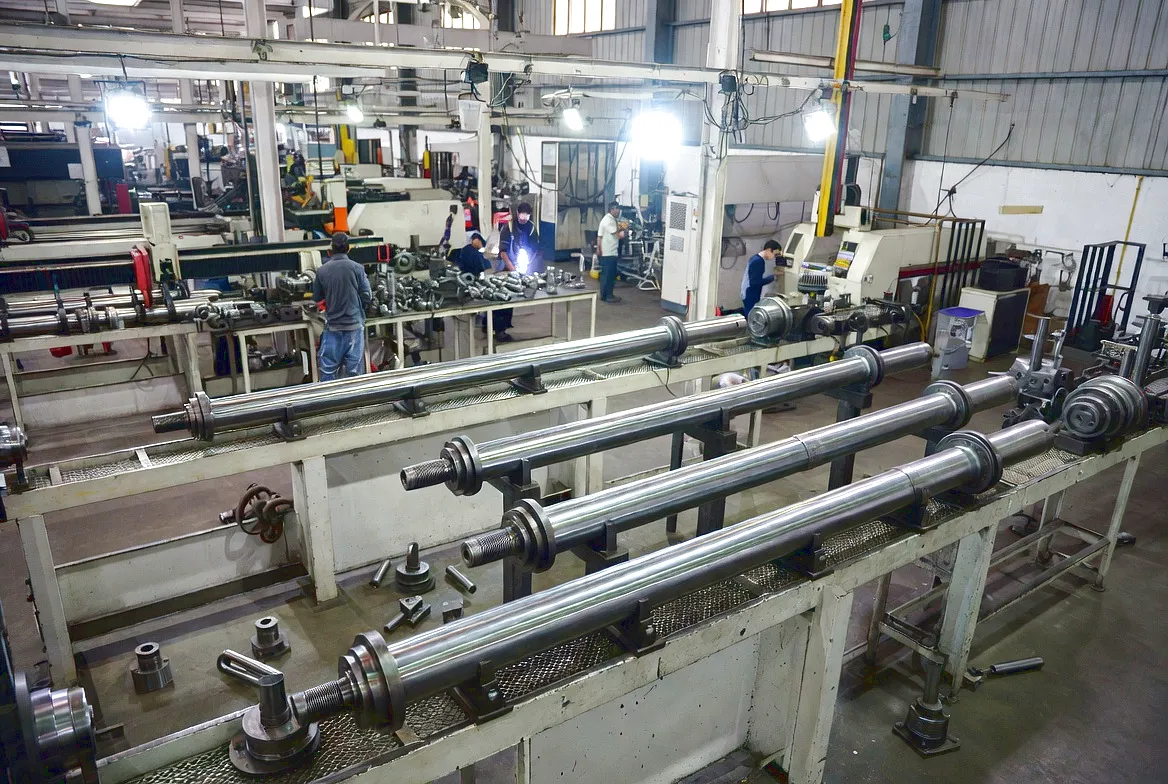
The Royal Agricultural University, Lantra, and the National Register of Land-based Instructors (NRLI) all offer accredited training pathways relevant to agricultural machinery operation in England, Scotland, and Wales. The Farm Safety Partnership — a collaborative initiative involving the NFU, the Country Land and Business Association, and the HSE — has produced freely available guidance specifically addressing PTO hazards in formats suited to the practical constraints of small family farms as much as large corporate agricultural businesses. Attendance at structured training should be documented in a training record, as this provides legal protection to the employer and clarity to the employee about the expected standards of working practice.
For contractors and seasonal workers entering a farm premises — a common scenario across the arable and horticultural sectors of Lincolnshire, Herefordshire, and Kent — a site-specific induction covering PTO hazards is a legal requirement under existing UK health and safety legislation. The induction must cover the specific equipment configurations present on that farm, not just a generic safety briefing. Farms that receive labour through gangmasters or labour providers should ensure those arrangements include contractual confirmation that PTO safety training has been delivered prior to deployment.
Key UK Regulations Governing PTO Safety
PUWER 1998 requires guarding of dangerous parts. LOLER 1998 addresses inspection and maintenance of lifting equipment often paired with PTO systems. The Machinery Directive requirements (now retained in UK law post-Brexit as the UK Supply of Machinery (Safety) Regulations 2008) set design standards for new equipment placed on the market. The Agriculture (Tractor Cabs) Act 1967 and associated safety regulations may also apply where tractor configuration interacts with PTO operation.
Application Scenarios: Where PTO Safety Matters Most
PTO shaft systems power an extraordinarily diverse range of agricultural and land management implements across the UK. Each application presents its own combination of hazard factors, and a safety approach that is appropriate for one context may be insufficient for another. Understanding the specific risks of each application is the prerequisite for effective risk management. The following scenarios represent the most common and highest-risk PTO applications encountered by UK farmers, contractors, estate managers, and local authority grounds teams.
Slurry & Pump Applications
Dairy and mixed farms across Cheshire, Somerset, and South Wales use PTO-driven slurry pumps and agitators. The proximity of operators to running shafts during pump monitoring is a significant risk factor, compounded by slippery underfoot conditions and the visual distraction of managing slurry flows. A rigid inspection routine before every use is mandatory in these environments.
Combine Harvesting & Grain Augers
During harvest in the arable heartlands of Cambridgeshire, Norfolk, and Lincolnshire, long working days and time pressure combine to create conditions where shortcuts on PTO safety procedures are tempting. Grain auger connections, in particular, frequently require operators to work in confined spaces around running shafts. Harvest operations should have a designated person responsible for equipment safety checks independent of operational pressure.
Hedge Cutting & Verge Management
Contractors providing hedge cutting across the farm belts of Kent, Shropshire, and the Scottish Borders typically use hydraulic reach cutters driven via PTO. The wide-angle joints required for boom clearance create additional guard stress and require inspection after every shift. Public road working introduces additional hazards from pedestrians and passing traffic approaching the operating zone.
Fertiliser Spreading & Spraying
PTO-driven fertiliser spreaders and pump-based sprayer systems are used extensively in the pastoral and arable sectors. Blockage clearance is a known high-risk activity: operators often attempt to clear blockages without disengaging the PTO, resulting in hand and arm injuries. A clear and enforced rule — PTO off, engine off, key out before any blockage clearance — must be part of every farm’s operating procedure for these implements.
Maintenance Regimes That Keep Guards Effective
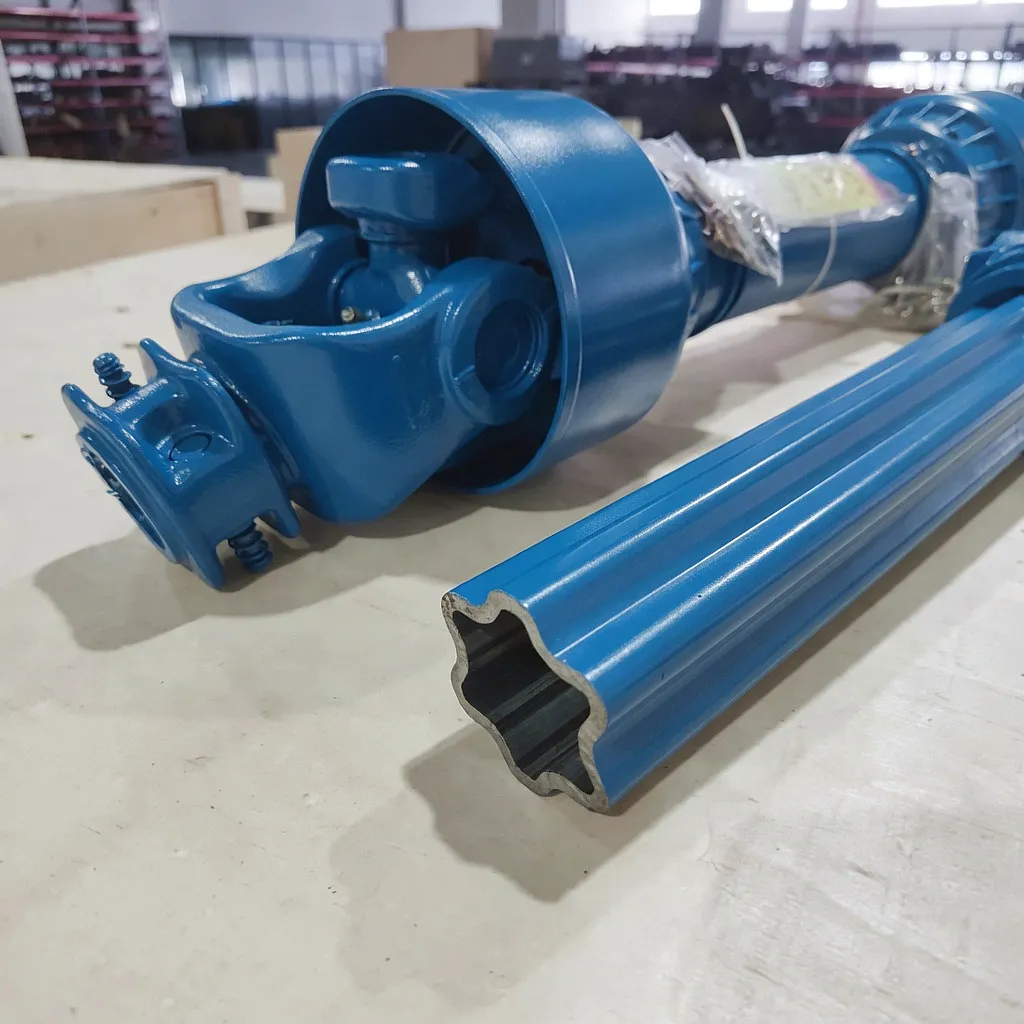 A PTO shaft guard removed for a maintenance task and not replaced is among the most common proximate causes in entanglement incidents documented in HSE investigation reports. The maintenance and servicing of PTO systems requires the same systematic attention as any other critical safety component on farm machinery. Seasonal service schedules should include not only the lubrication of universal joints and the inspection of yokes, but explicit sign-off that guards have been inspected, retention chains tested, and end caps verified to be present and undamaged.
The condition of the bearing supporting the guard on the outer tubes deserves particular attention. These bearings allow the guard to remain stationary while the shaft rotates inside it — a fundamental part of the protective function. When the bearing fails, the guard begins to rotate with the shaft. An operator touching a guard that is rotating may believe the shaft is not running; a loose trouser cuff brushing a rotating guard has the same outcome as brushing the shaft directly. Guard bearing failure is typically silent and progressive, detectable only by manually checking for guard rotation with the shaft running at idle, a procedure that should be included in every pre-season service checklist.
Replacement guards and components are not a commodity purchase where price should be the primary criterion. The guard that came with the implement or shaft assembly was designed and tested for that specific application. Third-party replacement guards should be confirmed to meet the same dimensional and material specifications. Using an incorrect guard — one that does not fully cover the connection points or that has a bearing arrangement incompatible with the shaft diameter — may appear to satisfy the visual requirement for guarding while providing substantially less protection than the original design. When sourcing replacement PTO components and guards, work with suppliers who can provide documentation confirming compliance with BS EN ISO 4254 and current UK regulatory standards.
Visible cracks, impact deformation, missing end caps, broken or absent retention chains, discolouration from heat, or excessive longitudinal play in the telescoping tubes. Any of these signs means the guard should be replaced before the machine returns to work — not patched, taped, or tied in place temporarily.
Universal joints showing roughness, clicking, or resistance through the rotation cycle are at the end of their service life. Running a shaft with worn universal joints increases vibration, accelerates guard wear, and raises the risk of sudden joint failure — which can cause the shaft to separate and whip at high speed. Replace joints at the first sign of roughness in the rotation check.
Ever Power: Precision PTO Shaft Manufacturing & Custom Solutions
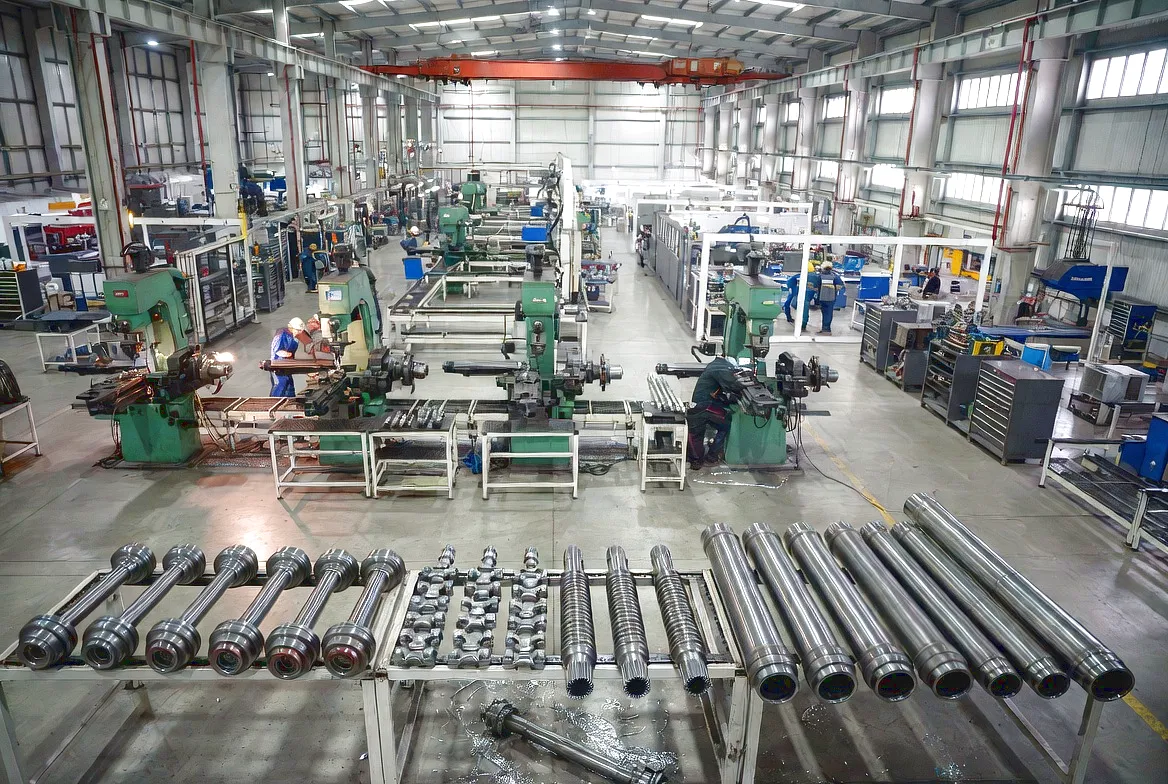
Ever Power has established itself as a trusted precision manufacturer of agricultural and industrial PTO drive shafts, supplying components to customers across the United Kingdom, continental Europe, and global markets. With dedicated manufacturing lines equipped with CNC precision machining centres, robotic welding stations, and in-house heat treatment facilities, Ever Power delivers shaft assemblies that meet and exceed the dimensional and material tolerances demanded by both OEM customers and aftermarket replacement supply chains. Our engineering team works directly with customers to develop shaft configurations that address the specific operational requirements of their equipment, rather than offering a catalogue-constrained selection of standard sizes.
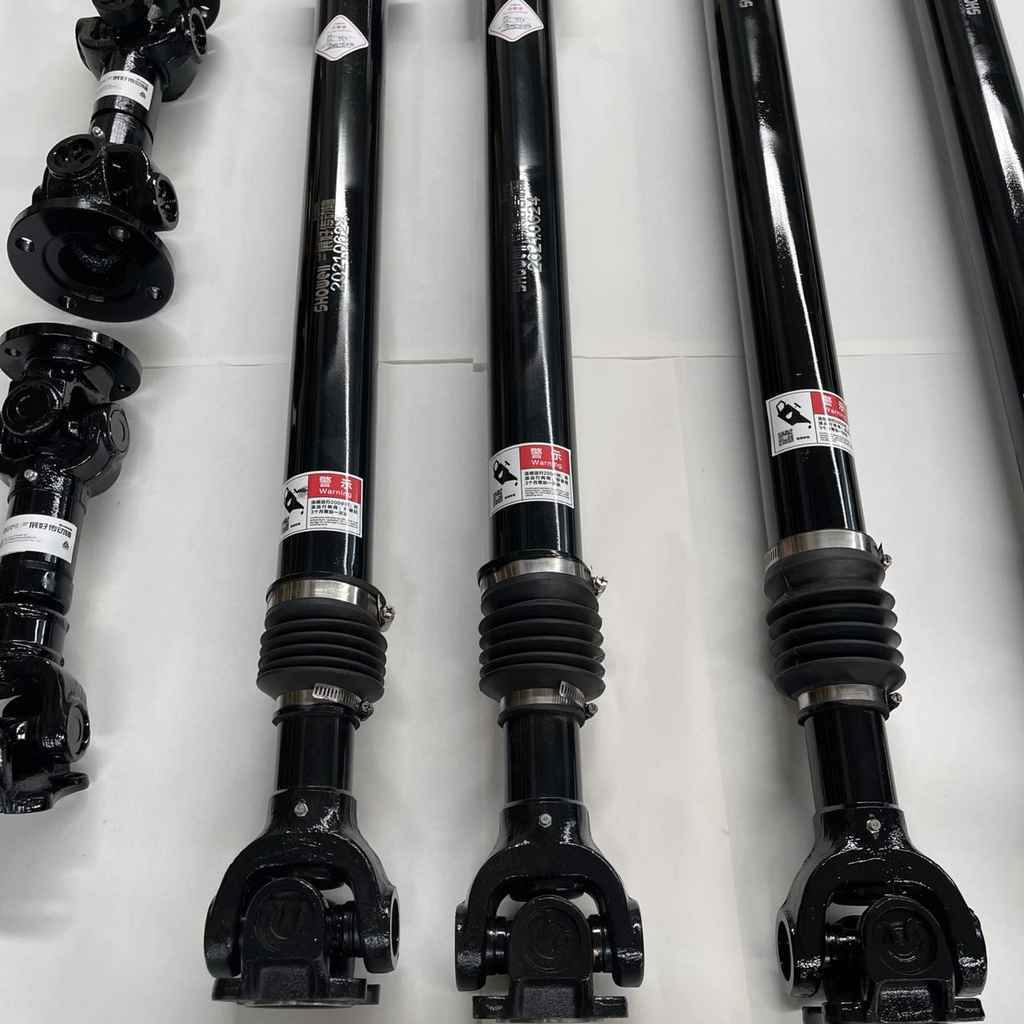
The customisation capabilities at Ever Power extend across every element of PTO shaft design. Torque capacity, shaft length, cross-section geometry, joint type, guard material and profile, overload protection specification, and surface treatment are all configurable within the design process. Customers supplying specialised machinery to the UK horticulture sector in Sussex, the construction plant sector in the West Midlands, or the utility and grounds care sector across Scotland receive shaft assemblies designed specifically for their operating conditions. Every assembly passes through a controlled final inspection process that includes dimensional verification, bearing pre-load check, guard rotation confirmation, and torque capacity documentation — all traceable to the batch certification file held in our quality management system.
Customer Success: Herefordshire Contractor Fleet Upgrade
 Brecknock Agricultural Services, a family-run contracting business operating 14 tractors and servicing farms across Herefordshire and into the Welsh Marches, approached Ever Power in late 2024 following a near-miss incident during silage harvesting operations. A damaged guard on one of their older PTO-driven forage wagons had gone undetected, and a seasonal worker’s jacket sleeve made contact with the exposed shaft. Fortunately, the sleeve tore free rather than winding. The close call prompted the business owner, James Harrington, to commission a complete audit of the PTO shaft systems across the entire fleet.
Ever Power’s technical team conducted a detailed assessment of the fleet’s shaft configurations — a mix of ages, manufacturers, and implement types — and produced a phased replacement programme that addressed the highest-risk applications first. Custom shaft assemblies with correctly rated wide-angle joints and upgraded HDPE guards were supplied for the forage and slurry equipment that operates in the closest proximity to field workers. Standard shaft replacements with new guard kits were supplied for the crop application equipment. The entire programme was completed in six weeks, well ahead of the spring contracting season. Harrington notes that the company has since incorporated a structured monthly PTO inspection protocol based on guidance from the Ever Power team, and has had zero guard-related incidents through the subsequent 12 months of intensive contracting operation across the region.
What Our Customers Say About Ever Power PTO Shafts
“The wide-angle CV joints Ever Power supplied for our articulated slurry tanker have made a tangible difference to guard longevity. Previous guards from other suppliers were cracking within a single season on our terrain. These have been in service for 18 months without a single issue. The torque limiter specification they recommended has also eliminated the shock damage we were getting on the PTO input shaft of the tanker.”
“We approached Ever Power needing a bespoke shaft for a specialised potato harvester we were rebuilding. The standard catalogue sizes were not compatible with the implement’s PTO input geometry after the modifications. Their engineering team took our drawings and delivered a custom shaft assembly that fitted perfectly and came with full certification documentation. The price was competitive and the delivery was faster than I expected for a custom item.”
“As a health and safety adviser to several farms in the Shropshire area, I frequently recommend Ever Power shafts to clients who have legacy equipment with damaged or non-compliant guarding. The quality of their replacement guard kits is noticeably better than the budget options on the market, and the retention chain configuration is a genuine improvement on older designs. Importantly, the guards are compliant with current UK regulations, which matters enormously when we are audited under PUWER.”
Frequently Asked Questions About PTO Shaft Safety
What are the main legal requirements for PTO shaft guarding on UK farms, and what happens if I fail to comply with them?
How often should I inspect and replace PTO shaft guards on my farm machinery to keep everything compliant and safe in the UK?
Where can I find a reliable UK supplier who can provide a custom quote for replacement PTO shaft guards and assemblies for older or unusual agricultural equipment?
What is the correct training a farm worker in Yorkshire or the East Midlands should receive before operating PTO-driven machinery on a commercial farm?
How much does a replacement PTO drive shaft or guard kit cost for a standard UK agricultural tractor, and what factors affect the price I should expect to pay?
Which type of overload protection — slip clutch, shear bolt, or torque limiter — is most suitable for PTO-driven equipment used on mixed UK farms with varied terrain and crop types?
Ready to Upgrade Your PTO Shaft Safety?
Talk to the Ever Power technical team about your specific UK farm or contracting operation. We supply standard and custom PTO shafts, guard kits, and replacement components with fast UK delivery and full certification documentation.























