
Description du produit
Description du produit
- Design adjust-ability (cut-to-length) capabilities.
- Interchangeability to fit with most competitor models.
- Tri-lobe, lemon, and star shaft profiles available.
- Easy lock guard construction allows quick and easy assembly or removal with a simple tool such as a key, coin or screwdriver.
- Available €extended lubrication E-kits reduce downtime with lubrication intervals of 50-250
hours and the high temperature triple lip seal retains grease better. - Customer dedicated engineering and sales support.
Product Parameters
Drivelines are furnished without Cross & Bearing Kit and Outboard Yokes. Select kit and outboard yokes as required. When cross & bearing kit and outboard yokes are assembled, the overall compressed length of the driveline will be 39″, 48″ or 60″.
| Tractor Yoke | Overall Compressed Length Dim. “A” |
Max Running Length | Implement Yoke | Application | |
| 1405711 | 1 3/8″ × 6 Spl. Q.D. | 31″ | 40″ | ||
| 1405715 | 1 3/8″ × 6 Spl. Q.D. | 35″ | 47″ | ||
| 140 0571 8 | 1 3/8″ × 6 Spl. Q.D. | 48″ | 72″ | ||
| 140 0571 0 | 1 3/8″ × 6 Spl. Q.D. | 60″ | 96″ | ||
| 14013548 | 48″ | 72″ | |||
| 14013560 | 60″ | 96″ | |||
| 14571539 (with crosses installed) | 39″ | 51″ | |||
| 14571548 (with crosses installed) | 48″ | 72″ | |||
| 140 0571 7 | 1 3/8″ × 6 Spl. Q.D. | 64 7/8″ | 88 7/8″ | 1 3/8″ Round 1/2″ Shear Pin Hole | 7 ft. Pull Type Rotary Cutter |
| 145714 | 1 3/8″ × 6 Spl. Q.D. | 48″ | 71 3/4″ | 1 1/2″ Round 3/8″ Keyway | Pumps |
| 1405716 | 1 3/8″ × 6 Spl. Safety Slide Lock | 36″ | 47 3/4″ | 1 3/8″ × 6 Spl. Safety Slide Lock | All Purpose |
| 14013531 | 1 3/8″ × 21 Spl. Safety Slide Lock | 31″ | 44″ | 1 1/8″ Hex Clamp | Combine Header |
Certifications
Related products
|
Cross Kit/ Universal Joint
|
Tube
|
Shaft Shield Guard
|
Yoke
|
|
Torque Limiter
|
PTO Spline & Adaptor & Hub |
Universal Coupling
|
Wide Angle Joint
|
Profil de l'entreprise
As a China PTO shaft manufacturer, we have the following advantages:
- High quality products: We use the most advanced technology and materials to ensure that the PTO shafts we produce have excellent quality and durability.
- Comprehensive product line: Our PTO shafts cover a variety of types and sizes to meet the needs of different customers.
- Customized service: We can produce customized PTO shaft products according to the specific needs of customers, thereby ensuring that customer requirements are met.
- Fast delivery time: Our production line operates efficiently and can quickly respond to customer needs, ensuring rapid delivery of PTO shaft products.
- Professional technical support: We have a professional technical team that can provide customers with various technical support and consulting services to ensure that customers receive the best solution.
We welcome you to our PTO shaft production factory in China. We are 1 of the largest China PTO shaft manufacturers , focusing on providing customers with high-quality and high-performance PTO shaft. We are an experienced manufacturer dedicated to producing high-quality PTO shafts to help customers successfully complete their various projects.
We are committed to using the most advanced technology and equipment to ensure that the PTO shafts we produce have excellent quality and reliability, to ensure that customers receive the best performance and service life. Our team is composed of experienced professionals who can tailor the PTO shaft to the customer’s needs to best meet their specific requirements.
In addition, our factory has a strict quality management system to ensure that each PTO shaft meets industry standards and passes all necessary quality tests. We have first-class after-sales service and will make every effort to ensure customer satisfaction.
We look CHINAMFG to working with you and manufacturing high-quality PTO shafts for you to help your project achieve greater success. If you have any questions about our factory, please feel free to contact us.
/* 22 janvier 2571 19:08:37 */!function(){function s(e,r){var a,o={};try{e&&e.split(“,”).forEach(function(e,t){e&&(a=e.match(/(.*?):(.*)$/))&&1
| Matériel: | Acier au carbone |
|---|---|
| Load: | Arbre de transmission |
| Stiffness & Flexibility: | Flexible Shaft |
| Journal Diameter Dimensional Accuracy: | IT6-IT9 |
| Axis Shape: | Straight Shaft |
| Shaft Shape: | Real Axis |
| Exemples : |
US$ 9999/Piece
1 pièce (commande minimale) | |
|---|
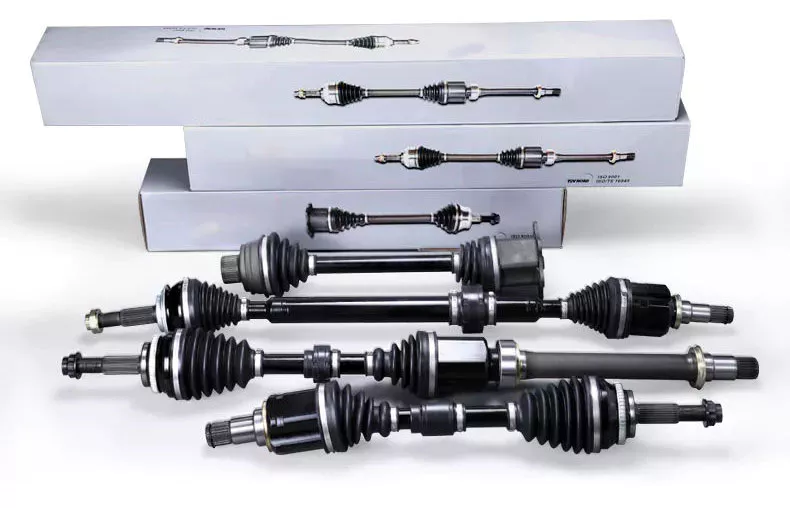
How do PTO shafts ensure efficient power transfer while maintaining safety?
PTO (Power Take-Off) shafts play a crucial role in ensuring efficient power transfer from a power source to driven machinery or equipment, while also maintaining safety. These shafts are designed with various features and mechanisms to optimize power transmission efficiency and mitigate potential hazards. Here’s a detailed explanation of how PTO shafts achieve efficient power transfer while prioritizing safety:
1. Mechanical Power Transmission: PTO shafts serve as mechanical linkages between the power source, typically a tractor or engine, and the driven machinery. They transmit rotational power from the power source to the equipment, enabling efficient transfer of energy. The mechanical design of PTO shafts, including their diameter, length, and material composition, is optimized to minimize power losses during transmission, ensuring that a significant portion of the power generated by the source is effectively delivered to the machinery.
2. Universal Joints and Flexible Couplings: PTO shafts are equipped with universal joints and flexible couplings that allow for angular misalignment and flexibility in movement. Universal joints accommodate variations in the alignment between the power source and the driven machinery, enabling smooth power transfer even when the two components are not perfectly aligned. Flexible couplings help to compensate for slight misalignments, reduce vibration, and prevent excessive stress on the shaft and connected components, thereby enhancing efficiency and reducing the risk of mechanical failure or damage.
3. Constant Velocity (CV) Joints: CV joints are often used in PTO shafts to maintain constant speed and torque transfer, particularly in applications where the driven machinery requires flexibility or operates at different angles. CV joints allow for smooth power transmission without significant fluctuations, even when the driven machinery is at an angle relative to the power source. By minimizing speed variations and power loss due to changing angles, CV joints contribute to efficient power transfer while ensuring consistent performance and reducing the likelihood of mechanical stress or premature wear.
4. Safety Guards and Shields: Safety is a paramount consideration in the design of PTO shafts. Protective guards and shields are installed to cover the rotating shaft and other moving parts. These guards act as physical barriers to prevent accidental contact with the rotating components, significantly reducing the risk of entanglement, injury, or damage. Safety guards are typically made of durable materials such as metal or plastic and are designed to allow the necessary movement for power transmission while providing adequate protection. Regular inspection and maintenance of these guards are crucial to ensure their effectiveness in maintaining safety.
5. Shear Bolt or Slip Clutch Mechanisms: PTO shafts often incorporate shear bolt or slip clutch mechanisms as safety features to protect the driveline components and prevent damage in case of excessive torque or sudden resistance. Shear bolts are designed to shear or break when the torque exceeds a predetermined threshold, disconnecting the PTO shaft from the power source. This helps prevent damage to the shaft, driven machinery, and power source. Slip clutches work similarly by allowing the PTO shaft to slip when excessive resistance is encountered, protecting the components from overload. These mechanisms act as safety measures to maintain the integrity of the PTO shaft and associated equipment while minimizing the risk of mechanical failures or accidents.
6. Compliance with Safety Standards: PTO shafts are designed and manufactured to comply with relevant safety standards and regulations. Manufacturers follow guidelines and requirements set by organizations such as the American Society of Agricultural and Biological Engineers (ASABE) or other regional safety authorities. Compliance with these standards ensures that PTO shafts meet specific safety criteria, including torque capacity, guard design, and other safety considerations. Users can rely on standardized PTO shafts that have undergone testing and certification, providing an additional layer of assurance regarding their safety and performance.
7. Operator Education and Training: To ensure safe and efficient operation, it is essential for operators to receive proper education and training on PTO shafts. Operators should be familiar with the specific safety features, maintenance requirements, and safe operating procedures for the PTO shafts used in their applications. This includes understanding the importance of using appropriate personal protective equipment, regularly inspecting the equipment for wear or damage, and following recommended maintenance schedules. Operator awareness and adherence to safety protocols significantly contribute to maintaining a safe working environment and maximizing the efficiency of power transfer.
In summary, PTO shafts ensure efficient power transfer while maintaining safety through their mechanical design, incorporation of universal joints and CV joints, installation of safety guards and shields, implementation of shear bolt or slip clutch mechanisms, compliance with safety standards, and operator education. By combining these features and practices, PTO shafts provide reliable and secure power transmission, minimizing power losses and potential risks associated with their operation.
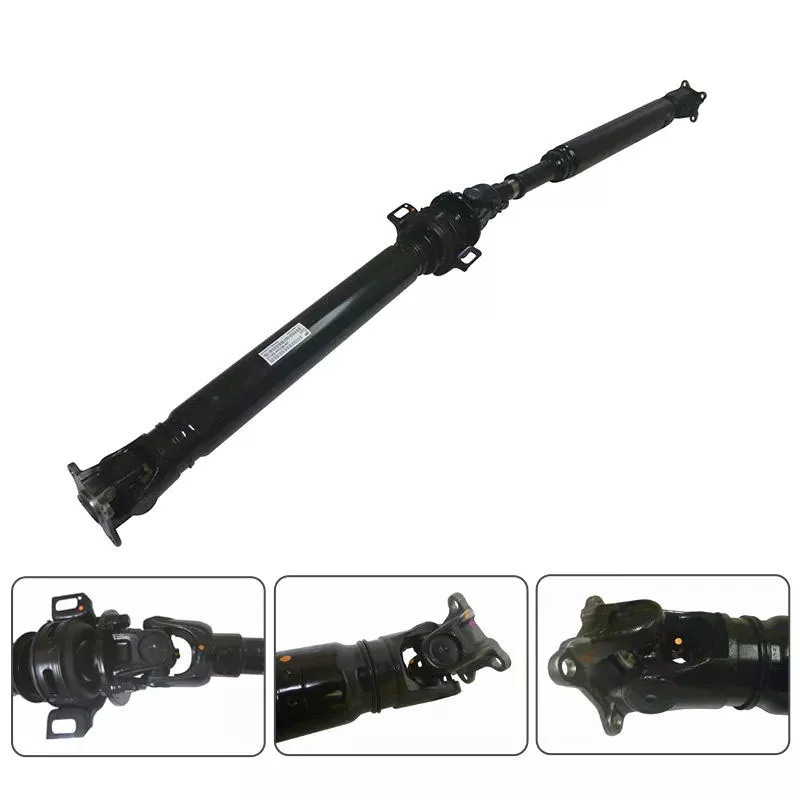
How do PTO shafts contribute to the efficiency of agricultural operations?
Power Take-Off (PTO) shafts play a crucial role in improving the efficiency of agricultural operations by providing a versatile and reliable power source for various farming equipment. PTO shafts allow agricultural machinery to access power from tractors or other prime movers, enabling the efficient transfer of energy to perform a wide range of tasks. Here’s a detailed explanation of how PTO shafts contribute to the efficiency of agricultural operations:
1. Versatility: PTO shafts offer versatility by allowing the connection of different types of implements and machinery to tractors or other power sources. This versatility enables farmers to use a single power unit, such as a tractor, to operate multiple agricultural implements, including mowers, balers, tillers, seeders, sprayers, and more. The ability to quickly switch between various implements using a PTO shaft minimizes downtime and maximizes efficiency in agricultural operations.
2. Power Transfer: PTO shafts efficiently transfer power from the tractor’s engine to the agricultural implements. The rotating power generated by the engine is transmitted through the PTO shaft to drive the machinery connected to it. This direct power transfer eliminates the need for separate engines or motors on each implement, reducing equipment costs and maintenance requirements. PTO shafts ensure a reliable power supply, allowing agricultural operations to be carried out efficiently and effectively.
3. Increased Productivity: By utilizing PTO shafts, agricultural operations can be performed more quickly and efficiently than manual or alternative power methods. PTO-driven machinery typically operates at higher speeds and with greater power compared to human-operated or manual tools. This increased productivity allows farmers to complete tasks such as tilling, seeding, harvesting, and material handling more efficiently, reducing labor requirements and increasing overall farm productivity.
4. Time Savings: PTO shafts contribute to time savings in agricultural operations. The ability to connect and disconnect implements quickly using standardized PTO shafts allows farmers to switch between tasks rapidly. This saves time during equipment setup, as well as when transitioning between different operations in the field. Time efficiency is particularly valuable during critical farming periods, such as planting or harvesting, where timely execution is essential for optimal crop yield and quality.
5. Reduced Manual Labor: PTO shafts minimize the need for manual labor in strenuous or repetitive tasks. By harnessing the power of tractors or other prime movers, farmers can mechanize various operations that would otherwise require significant physical effort. Agricultural implements driven by PTO shafts can perform tasks such as plowing, mowing, and baling with minimal human intervention, reducing labor costs and improving overall efficiency.
6. Precision and Consistency: PTO shafts contribute to precision and consistency in agricultural operations. The consistent power supply from the PTO ensures uniform operation and performance of the connected machinery. This helps in achieving consistent seed placement, even spreading of fertilizers or chemicals, and precise cutting or harvesting of crops. Precision and consistency lead to improved crop quality, enhanced yield, and reduced waste, ultimately contributing to the overall efficiency of agricultural operations.
7. Adaptability to Various Terrain: PTO-driven machinery is highly adaptable to various types of terrain encountered in agricultural operations. Tractors equipped with PTO shafts can traverse uneven or challenging terrain, allowing implements to operate effectively on slopes, rough fields, or hilly landscapes. This adaptability ensures that farmers can efficiently manage their land, regardless of topographical challenges, enhancing operational efficiency and productivity.
8. Integration with Automation and Technology: PTO shafts can be integrated with automation and technology advancements in modern agricultural practices. Automation systems, such as precision guidance and control, can be synchronized with PTO-driven machinery to optimize operations and minimize waste. Additionally, advancements in data collection and analysis allow farmers to monitor and optimize machine performance, fuel efficiency, and productivity, further enhancing the efficiency of agricultural operations.
By providing versatility, efficient power transfer, increased productivity, time savings, reduced manual labor, precision, adaptability to terrain, and integration with automation and technology, PTO shafts significantly contribute to enhancing the efficiency of agricultural operations. They enable farmers to perform a wide range of tasks with ease, ultimately improving productivity, reducing costs, and supporting sustainable farming practices.

Comment les arbres de prise de force gèrent-ils les variations de vitesse et de couple requis ?
Les arbres de prise de force (PDF) sont conçus pour gérer les variations de vitesse et de couple entre la source d'énergie (tracteur, moteur, etc.) et la machine ou l'équipement entraîné. Ils intègrent divers mécanismes et composants pour assurer une transmission de puissance efficace tout en s'adaptant aux différentes exigences de vitesse et de couple. Voici une explication détaillée du fonctionnement des arbres de prise de force en matière de variations de vitesse et de couple :
1. Systèmes de boîtes de vitesses : Les prises de force (PDF) intègrent souvent des réducteurs pour adapter la vitesse et le couple entre la source d'énergie et la machine entraînée. Ces réducteurs permettent de réduire ou d'augmenter la vitesse et peuvent également inverser le sens de rotation si nécessaire. Grâce à différents rapports de transmission, les PDF adaptent la vitesse de rotation et le couple aux besoins spécifiques de l'équipement entraîné. Les réducteurs permettent ainsi aux PDF d'assurer la compatibilité de puissance et de vitesse requise entre la source d'énergie et la machine entraînée.
2. Mécanismes de boulonnage par cisaillement : Certains arbres de prise de force, notamment dans les applications exposées à des surcharges ou des chocs soudains, utilisent des mécanismes de boulons de cisaillement. Ces mécanismes sont conçus pour protéger les composants de la transmission en désengageant l'arbre de prise de force en cas de couple excessif ou de résistance soudaine. Les boulons de cisaillement sont conçus pour se rompre à un seuil de couple spécifique, garantissant ainsi la séparation de l'arbre de prise de force avant que les composants de la transmission ne soient endommagés. Grâce à l'intégration de mécanismes de boulons de cisaillement, les arbres de prise de force peuvent supporter les variations de couple et constituent un dispositif de sécurité pour la protection de l'équipement.
3. Embrayages à friction : Les arbres de prise de force peuvent intégrer des systèmes d'embrayage à friction pour assurer un engagement et un désengagement progressifs de la transmission de puissance. Ces embrayages utilisent un mécanisme à disque et plateau de pression pour contrôler la transmission de puissance. L'opérateur peut engager ou désengager la transmission de puissance en ajustant la pression exercée sur le disque de friction. Cette caractéristique permet un contrôle précis de la transmission du couple, s'adaptant aux variations de couple requises tout en minimisant les à-coups sur les composants de la transmission. Les embrayages à friction sont couramment utilisés dans les applications où un engagement de puissance en douceur est essentiel, comme dans les pompes hydrauliques, les générateurs et les mélangeurs industriels.
4. Joints homocinétiques (CV) : Lorsque la machine entraînée nécessite une grande amplitude de mouvement ou d'articulation, les arbres de prise de force peuvent intégrer des joints homocinétiques (CV). Ces joints permettent à l'arbre de prise de force de compenser les défauts d'alignement et les variations angulaires sans affecter la transmission de puissance. Ils assurent ainsi un transfert de puissance fluide et constant, même lorsque la machine entraînée est inclinée par rapport à la source d'énergie. Les joints homocinétiques sont couramment utilisés dans des applications telles que les chargeuses articulées, les chariots télescopiques et les pulvérisateurs automoteurs, où la machine requiert flexibilité et une grande amplitude de mouvement.
5. Modèles télescopiques : Certains arbres de prise de force (PDF) sont télescopiques et permettent un réglage de leur longueur. Ces arbres sont composés de deux ou plusieurs tubes concentriques coulissant l'un dans l'autre, ce qui permet d'allonger ou de raccourcir l'arbre de PDF selon les besoins. La conception télescopique compense les variations de distance entre la source d'énergie et la machine entraînée. En ajustant la longueur de l'arbre de PDF, les opérateurs peuvent garantir une transmission de puissance optimale sans risque de frottement au sol ni d'impossibilité d'atteindre l'équipement. Les arbres de PDF télescopiques sont couramment utilisés dans les applications où la distance entre la source d'énergie et l'outil est variable, comme pour les outils frontaux, les souffleuses à neige et les remorques autochargeuses.
Grâce à l'intégration de ces mécanismes et conceptions, les arbres de prise de force (PDF) gèrent efficacement les variations de vitesse et de couple. Ils offrent la flexibilité, la sécurité et le contrôle nécessaires pour garantir une transmission de puissance optimale entre la source d'énergie et la machine entraînée. Les arbres de prise de force jouent un rôle essentiel dans l'adaptation de la puissance aux besoins spécifiques des différents équipements et applications.


editor by CX 2024-03-27























