
Description du produit
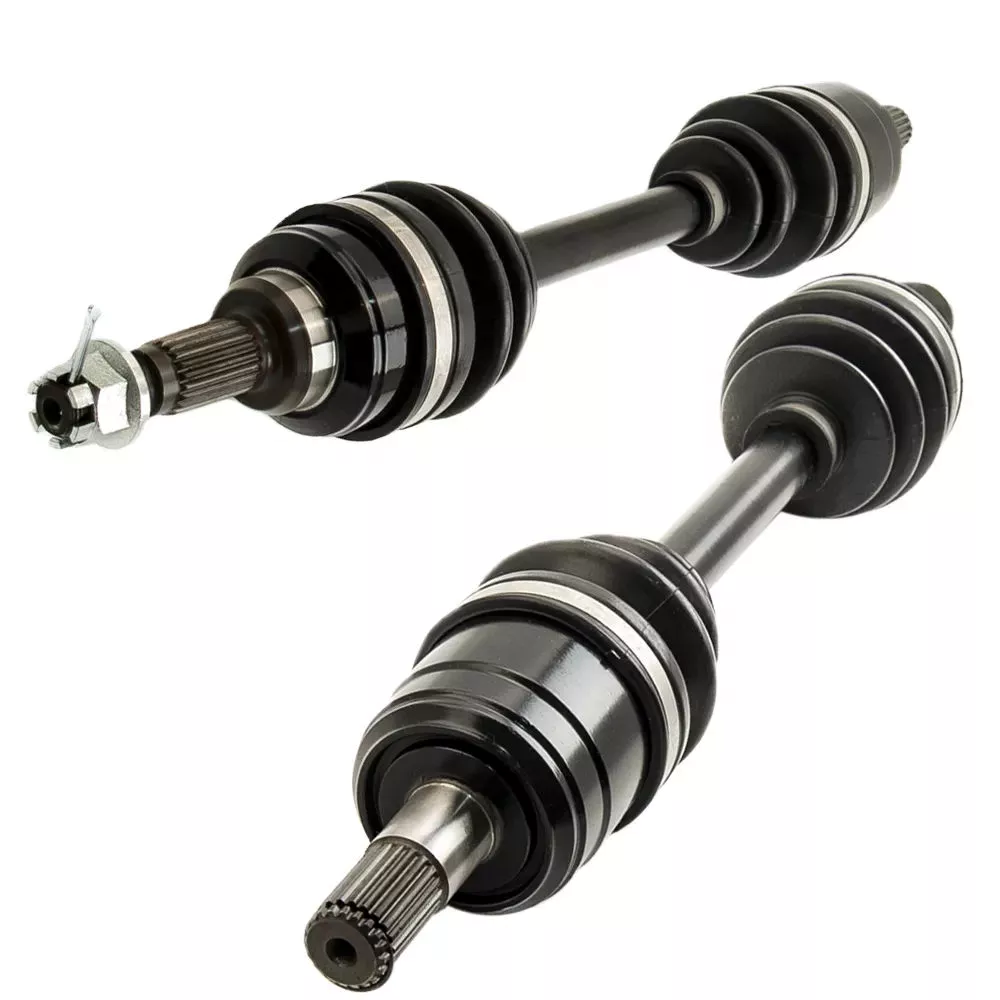
| Product Name | Half shaft |
| Car Make | Car |
| Quality | 100% Tested |
| Couleur | Photos |
| service | 24 Hours Customer Service |
| Packing | Neutral Packing |
| country of origin | Chine |
| Certification | ISO9001 |
| Delivery time | 15-45 Days |
| Marque | CNBF |
| Quality | High-Quality |
| MOQ | 10 |
| OEM | 1332883 |
| After-sales service | Quality problem, damage compensation |
| payment method | 30% deposit in advance,70% balance against the cop |
| FAQ | 1. who are we? We are based in ZHangZhoug, China, start from 2009,sell to South America(00.00%),North America(00.00%),Mid East(00.00%),Africa(00.00%). There are total about 11-50 people in our office. 2. how can we guarantee quality? 3.what can you buy from us? 4. why should you buy from us not from other suppliers? 5. what services can we provide? |
| Service après-vente : | Quality Problem, Damage Compensation |
|---|---|
| Condition: | Nouveau |
| Couleur: | Noir |
| Certification: | ISO |
| Taper: | Half Shaft |
| Application Brand: | Polaris |
| Personnalisation : |
Disponible
| Demande personnalisée |
|---|
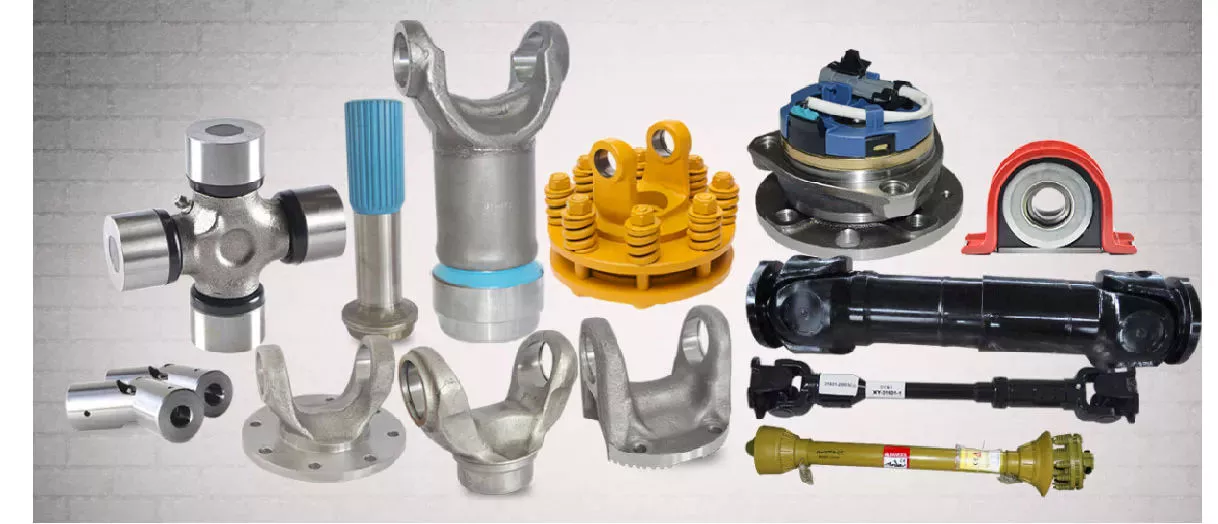
What factors should be considered when selecting the right drive shaft for an application?
When selecting the right drive shaft for an application, several factors need to be considered. The choice of drive shaft plays a crucial role in ensuring efficient and reliable power transmission. Here are the key factors to consider:
1. Power and Torque Requirements:
The power and torque requirements of the application are essential considerations. It is crucial to determine the maximum torque that the drive shaft will need to transmit without failure or excessive deflection. This includes evaluating the power output of the engine or power source, as well as the torque demands of the driven components. Selecting a drive shaft with the appropriate diameter, material strength, and design is essential to ensure it can handle the expected torque levels without compromising performance or safety.
2. Operating Speed:
The operating speed of the drive shaft is another critical factor. The rotational speed affects the dynamic behavior of the drive shaft, including the potential for vibration, resonance, and critical speed limitations. It is important to choose a drive shaft that can operate within the desired speed range without encountering excessive vibrations or compromising the structural integrity. Factors such as the material properties, balance, and critical speed analysis should be considered to ensure the drive shaft can handle the required operating speed effectively.
3. Length and Alignment:
The length and alignment requirements of the application must be considered when selecting a drive shaft. The distance between the engine or power source and the driven components determines the required length of the drive shaft. In situations where there are significant variations in length or operating angles, telescopic drive shafts or multiple drive shafts with appropriate couplings or universal joints may be necessary. Proper alignment of the drive shaft is crucial to minimize vibrations, reduce wear and tear, and ensure efficient power transmission.
4. Space Limitations:
The available space within the application is an important factor to consider. The drive shaft must fit within the allocated space without interfering with other components or structures. It is essential to consider the overall dimensions of the drive shaft, including length, diameter, and any additional components such as joints or couplings. In some cases, custom or compact drive shaft designs may be required to accommodate space limitations while maintaining adequate power transmission capabilities.
5. Environmental Conditions:
The environmental conditions in which the drive shaft will operate should be evaluated. Factors such as temperature, humidity, corrosive agents, and exposure to contaminants can impact the performance and lifespan of the drive shaft. It is important to select materials and coatings that can withstand the specific environmental conditions to prevent corrosion, degradation, or premature failure of the drive shaft. Special considerations may be necessary for applications exposed to extreme temperatures, water, chemicals, or abrasive substances.
6. Application Type and Industry:
The specific application type and industry requirements play a significant role in drive shaft selection. Different industries, such as automotive, aerospace, industrial machinery, agriculture, or marine, have unique demands that need to be addressed. Understanding the specific needs and operating conditions of the application is crucial in determining the appropriate drive shaft design, materials, and performance characteristics. Compliance with industry standards and regulations may also be a consideration in certain applications.
7. Maintenance and Serviceability:
The ease of maintenance and serviceability should be taken into account. Some drive shaft designs may require periodic inspection, lubrication, or replacement of components. Considering the accessibility of the drive shaft and associated maintenance requirements can help minimize downtime and ensure long-term reliability. Easy disassembly and reassembly of the drive shaft can also be beneficial for repair or component replacement.
By carefully considering these factors, one can select the right drive shaft for an application that meets the power transmission needs, operating conditions, and durability requirements, ultimately ensuring optimal performance and reliability.
Comment les arbres de transmission gèrent-ils les variations de charge et de vibrations en fonctionnement ?
Les arbres de transmission sont conçus pour supporter les variations de charge et de vibrations en fonctionnement grâce à divers mécanismes et caractéristiques. Ces mécanismes contribuent à assurer une transmission de puissance fluide, à minimiser les vibrations et à préserver l'intégrité structurelle de l'arbre de transmission. Voici une explication détaillée du fonctionnement des arbres de transmission face aux variations de charge et de vibrations :
1. Sélection et conception des matériaux :
Les arbres de transmission sont généralement fabriqués à partir de matériaux à haute résistance et rigidité, tels que les alliages d'acier ou les matériaux composites. Le choix des matériaux et la conception tiennent compte des charges prévues et des conditions de fonctionnement de l'application. Grâce à l'utilisation de matériaux appropriés et à l'optimisation de la conception, les arbres de transmission peuvent supporter les variations de charge attendues sans subir de déformation excessive.
2. Capacité de couple :
Les arbres de transmission sont conçus pour supporter un couple spécifique adapté aux charges prévues. Ce couple tient compte de facteurs tels que la puissance de la source d'entraînement et les besoins en couple des composants entraînés. En choisissant un arbre de transmission doté d'un couple suffisant, on peut absorber les variations de charge sans dépasser ses limites et risquer ainsi une panne ou un dommage.
3. Équilibrage dynamique :
Lors de la fabrication, les arbres de transmission peuvent subir un équilibrage dynamique. Un déséquilibre de l'arbre peut engendrer des vibrations en fonctionnement. Le processus d'équilibrage consiste à ajouter ou retirer stratégiquement des masses afin d'assurer une rotation régulière de l'arbre et de minimiser les vibrations. L'équilibrage dynamique contribue à atténuer les effets des variations de charge et réduit le risque de vibrations excessives.
4. Amortisseurs et contrôle des vibrations :
Les arbres de transmission peuvent intégrer des amortisseurs ou des mécanismes de contrôle des vibrations afin de minimiser davantage ces dernières. Ces dispositifs sont généralement conçus pour absorber ou dissiper les vibrations pouvant résulter de variations de charge ou d'autres facteurs. Les amortisseurs peuvent prendre la forme d'amortisseurs de torsion, d'isolateurs en caoutchouc ou d'autres éléments absorbant les vibrations, placés stratégiquement le long de l'arbre de transmission. En gérant et en atténuant les vibrations, les arbres de transmission garantissent un fonctionnement fluide et améliorent les performances globales du système.
5. Joints homocinétiques :
Les joints homocinétiques sont fréquemment utilisés dans les arbres de transmission pour compenser les variations d'angles de fonctionnement et maintenir une vitesse constante. Ils permettent à l'arbre de transmission de transmettre la puissance même lorsque les composants menant et mené sont inclinés différemment. En compensant ces variations d'angles, les joints homocinétiques contribuent à minimiser l'impact des variations de charge et à réduire les vibrations potentielles dues aux modifications de la géométrie de la transmission.
6. Lubrification et entretien :
Une lubrification adéquate et un entretien régulier sont essentiels pour que les arbres de transmission supportent efficacement les variations de charge et de vibrations. La lubrification contribue à réduire le frottement entre les pièces mobiles, minimisant ainsi l'usure et la production de chaleur. Un entretien régulier, comprenant l'inspection et la lubrification des joints, garantit le maintien de l'arbre de transmission en parfait état, réduisant ainsi le risque de panne ou de dégradation des performances due aux variations de charge.
7. Rigidité structurelle :
Les arbres de transmission sont conçus pour présenter une rigidité structurelle suffisante afin de résister aux forces de flexion et de torsion. Cette rigidité contribue à préserver l'intégrité de l'arbre de transmission face aux variations de charge. En minimisant la déformation et en maintenant son intégrité structurelle, l'arbre de transmission peut transmettre efficacement la puissance et supporter les variations de charge sans compromettre ses performances ni générer de vibrations excessives.
8. Systèmes de contrôle et rétroaction :
Dans certaines applications, les arbres de transmission peuvent être équipés de systèmes de contrôle qui surveillent et ajustent en temps réel des paramètres tels que le couple, la vitesse et les vibrations. Ces systèmes utilisent des capteurs et des mécanismes de rétroaction pour détecter les variations de charge ou de vibrations et effectuer des ajustements en temps réel afin d'optimiser les performances. En gérant activement les variations de charge et les vibrations, les arbres de transmission peuvent s'adapter aux conditions de fonctionnement changeantes et assurer un fonctionnement régulier.
En résumé, les arbres de transmission supportent les variations de charge et de vibrations en fonctionnement grâce à une sélection et une conception rigoureuses des matériaux, à la prise en compte du couple admissible, à un équilibrage dynamique, à l'intégration d'amortisseurs et de mécanismes de contrôle des vibrations, à l'utilisation de joints homocinétiques, à une lubrification et un entretien appropriés, à une rigidité structurelle et, dans certains cas, à des systèmes de contrôle et de rétroaction. L'intégration de ces caractéristiques et mécanismes garantit une transmission de puissance fiable et efficace tout en minimisant l'impact des variations de charge et des vibrations sur les performances globales du système.
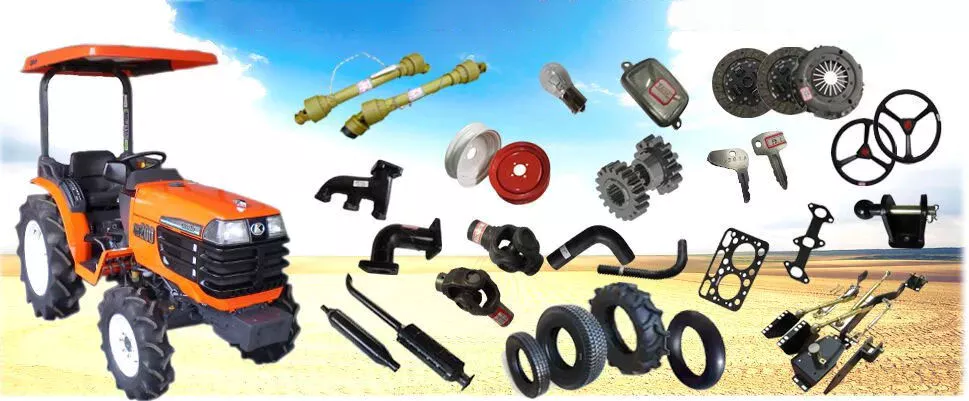
Are there variations in drive shaft designs for different types of machinery?
Yes, there are variations in drive shaft designs to cater to the specific requirements of different types of machinery. The design of a drive shaft is influenced by factors such as the application, power transmission needs, space limitations, operating conditions, and the type of driven components. Here’s an explanation of how drive shaft designs can vary for different types of machinery:
1. Automotive Applications:
In the automotive industry, drive shaft designs can vary depending on the vehicle’s configuration. Rear-wheel-drive vehicles typically use a single-piece or two-piece drive shaft, which connects the transmission or transfer case to the rear differential. Front-wheel-drive vehicles often use a different design, employing a drive shaft that combines with the constant velocity (CV) joints to transmit power to the front wheels. All-wheel-drive vehicles may have multiple drive shafts to distribute power to all wheels. The length, diameter, material, and joint types can differ based on the vehicle’s layout and torque requirements.
2. Industrial Machinery:
Drive shaft designs for industrial machinery depend on the specific application and power transmission requirements. In manufacturing machinery, such as conveyors, presses, and rotating equipment, drive shafts are designed to transfer power efficiently within the machine. They may incorporate flexible joints or use a splined or keyed connection to accommodate misalignment or allow for easy disassembly. The dimensions, materials, and reinforcement of the drive shaft are selected based on the torque, speed, and operating conditions of the machinery.
3. Agriculture and Farming:
Agricultural machinery, such as tractors, combines, and harvesters, often requires drive shafts that can handle high torque loads and varying operating angles. These drive shafts are designed to transmit power from the engine to attachments and implements, such as mowers, balers, tillers, and harvesters. They may incorporate telescopic sections to accommodate adjustable lengths, flexible joints to compensate for misalignment during operation, and protective shielding to prevent entanglement with crops or debris.
4. Construction and Heavy Equipment:
Construction and heavy equipment, including excavators, loaders, bulldozers, and cranes, require robust drive shaft designs capable of transmitting power in demanding conditions. These drive shafts often have larger diameters and thicker walls to handle high torque loads. They may incorporate universal joints or CV joints to accommodate operating angles and absorb shocks and vibrations. Drive shafts in this category may also have additional reinforcements to withstand the harsh environments and heavy-duty applications associated with construction and excavation.
5. Marine and Maritime Applications:
Drive shaft designs for marine applications are specifically engineered to withstand the corrosive effects of seawater and the high torque loads encountered in marine propulsion systems. Marine drive shafts are typically made from stainless steel or other corrosion-resistant materials. They may incorporate flexible couplings or dampening devices to reduce vibration and mitigate the effects of misalignment. The design of marine drive shafts also considers factors such as shaft length, diameter, and support bearings to ensure reliable power transmission in marine vessels.
6. Mining and Extraction Equipment:
In the mining industry, drive shafts are used in heavy machinery and equipment such as mining trucks, excavators, and drilling rigs. These drive shafts need to withstand extremely high torque loads and harsh operating conditions. Drive shaft designs for mining applications often feature larger diameters, thicker walls, and specialized materials such as alloy steel or composite materials. They may incorporate universal joints or CV joints to handle operating angles, and they are designed to be resistant to abrasion and wear.
These examples highlight the variations in drive shaft designs for different types of machinery. The design considerations take into account factors such as power requirements, operating conditions, space constraints, alignment needs, and the specific demands of the machinery or industry. By tailoring the drive shaft design to the unique requirements of each application, optimal power transmission efficiency and reliability can be achieved.


editor by CX 2023-10-26























