
Description du produit
Description du produit
OEM Agricultural Machinery Universal Joint Cross Cover Farm Tractor Machine Pto Drive Shaft
A PTO shaft (Power Take-Off shaft) is a mechanical component used to transfer power from a tractor or other power source to an attached implement such as a mower, tiller, or baler. The PTO shaft is typically located at the rear of the tractor and is powered by the tractor’s engine through the transmission.
The PTO shaft is designed to provide a rotating power source to the implement, allowing it to perform its intended function. The implement is connected to the PTO shaft using a universal joint, which allows for movement between the tractor and the implement while still maintaining a constant power transfer.
Application Area
Application Area:Lawn Mower, Rotary Tiller ,Farm Tractor,Harvester,Feeder,Cultivator
Product Specifications
SHIELD W
SHIELD S
Other PTO Drive Shaft Parts
Please click to see more farm machinery Spare Parts
| CROSS | TUBE | YOKE | WIDE ANGLE | TORQUE LIMITER | PTO ADAPTOR |
Profil de l'entreprise
ABOUT US
HangZhou Hanon Technology Co.,ltd is a modern enterprise specilizing in the development,production,sales and services of Agricultural Parts like PTO shaft and Gearboxes and Hydraulic parts like Cylinder , Valve ,Gearpump and motor etc..
We adhere to the principle of ” High Quality, Customers’Satisfaction”, using advanced technology and equipments to ensure all the technical standards of transmission .We follow the principle of people first , trying our best to set up a pleasant surroundings and platform of performance for each employee. So everyone can be self-consciously active to join Hanon Machinery.
WORK SHOP
Our Advantages
Here is our advantages when compare to similar products from China:
1.Forged yokes make PTO shafts strong enough for usage and working;
2.Internal sizes standard to confirm installation smooth;
3.CE and ISO certificates to guarantee to quality of our goods;
4.Strong and professional package to confirm the good situation when you receive the goods.
FAQ
Q:WHAT’S THE PAYMENT TERM?
A:When we quote for you,we will confirm with you the way of transaction,FOB,CIFetc.<br> For mass production goods, you need to pay 30% deposit before producing and70% balance against copy of documents.The most common way is by T/T.
Q:HOW TO DELIVER THE GOODS TO US?
A:Usually we will ship the goods to you by sea.
Q:HOW LONG IS YOUR DELIVERY TIME AND SHIPMENT?
A:30-45days.
Q:WHAT’RE YOUR MAIN PRODUCTS?
A:We currently product Agricultural Parts like PTO shaft and Gearboxes and Hydraulic parts like Cylinder , Valve ,Gear pump and motor.
/* 22 janvier 2571 19:08:37 */!function(){function s(e,r){var a,o={};try{e&&e.split(“,”).forEach(function(e,t){e&&(a=e.match(/(.*?):(.*)$/))&&1
| Taper: | Agricultural Spare Part |
|---|---|
| Usage: | Agricultural Products Processing, Farmland Infrastructure, Tillage, Harvester, Planting and Fertilization, Grain Threshing, Cleaning and Drying, Agricultural Machinery,Farm Tractor |
| Matériel: | 45cr Steel |
| Exemples : |
US$ 20/Piece
1 pièce (commande minimale) | Commander un échantillon |
|---|
| Personnalisation : |
Disponible
| Demande personnalisée |
|---|
.shipping-cost-tm .tm-status-off{background: none;padding:0;color: #1470cc}
|
Frais d'expédition :
Frais de transport estimés par unité. |
concernant les frais de livraison et le délai de livraison estimé. |
|---|
| Mode de paiement: |
|
|---|---|
|
Paiement initial Paiement intégral |
| Devise: | US$ |
|---|
| Retours et remboursements : | Vous pouvez demander un remboursement jusqu'à 30 jours après la réception des produits. |
|---|
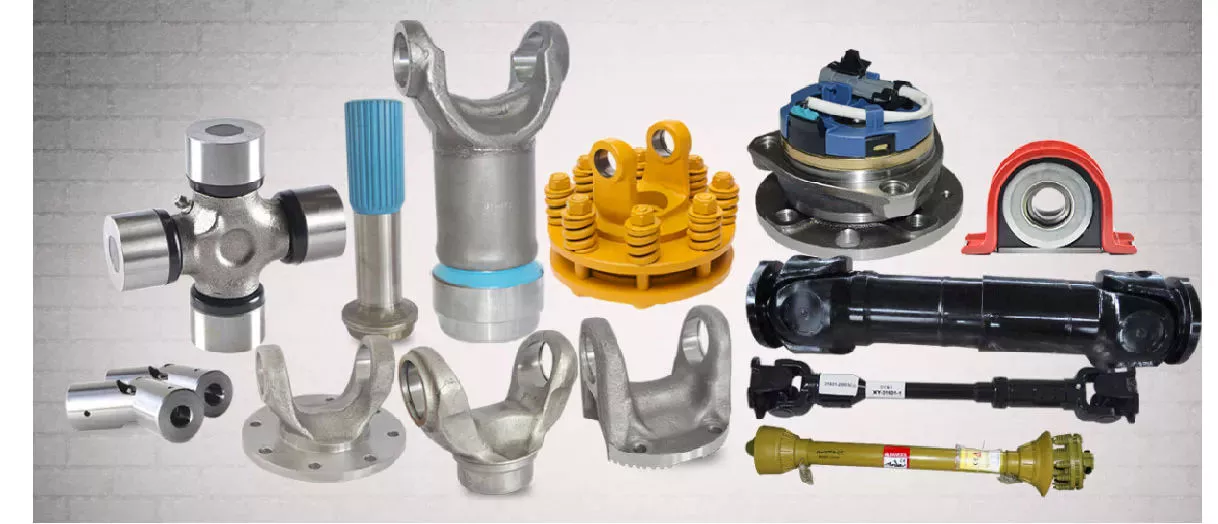
What factors should be considered when selecting the right drive shaft for an application?
When selecting the right drive shaft for an application, several factors need to be considered. The choice of drive shaft plays a crucial role in ensuring efficient and reliable power transmission. Here are the key factors to consider:
1. Power and Torque Requirements:
The power and torque requirements of the application are essential considerations. It is crucial to determine the maximum torque that the drive shaft will need to transmit without failure or excessive deflection. This includes evaluating the power output of the engine or power source, as well as the torque demands of the driven components. Selecting a drive shaft with the appropriate diameter, material strength, and design is essential to ensure it can handle the expected torque levels without compromising performance or safety.
2. Operating Speed:
The operating speed of the drive shaft is another critical factor. The rotational speed affects the dynamic behavior of the drive shaft, including the potential for vibration, resonance, and critical speed limitations. It is important to choose a drive shaft that can operate within the desired speed range without encountering excessive vibrations or compromising the structural integrity. Factors such as the material properties, balance, and critical speed analysis should be considered to ensure the drive shaft can handle the required operating speed effectively.
3. Length and Alignment:
The length and alignment requirements of the application must be considered when selecting a drive shaft. The distance between the engine or power source and the driven components determines the required length of the drive shaft. In situations where there are significant variations in length or operating angles, telescopic drive shafts or multiple drive shafts with appropriate couplings or universal joints may be necessary. Proper alignment of the drive shaft is crucial to minimize vibrations, reduce wear and tear, and ensure efficient power transmission.
4. Space Limitations:
The available space within the application is an important factor to consider. The drive shaft must fit within the allocated space without interfering with other components or structures. It is essential to consider the overall dimensions of the drive shaft, including length, diameter, and any additional components such as joints or couplings. In some cases, custom or compact drive shaft designs may be required to accommodate space limitations while maintaining adequate power transmission capabilities.
5. Environmental Conditions:
The environmental conditions in which the drive shaft will operate should be evaluated. Factors such as temperature, humidity, corrosive agents, and exposure to contaminants can impact the performance and lifespan of the drive shaft. It is important to select materials and coatings that can withstand the specific environmental conditions to prevent corrosion, degradation, or premature failure of the drive shaft. Special considerations may be necessary for applications exposed to extreme temperatures, water, chemicals, or abrasive substances.
6. Application Type and Industry:
The specific application type and industry requirements play a significant role in drive shaft selection. Different industries, such as automotive, aerospace, industrial machinery, agriculture, or marine, have unique demands that need to be addressed. Understanding the specific needs and operating conditions of the application is crucial in determining the appropriate drive shaft design, materials, and performance characteristics. Compliance with industry standards and regulations may also be a consideration in certain applications.
7. Maintenance and Serviceability:
The ease of maintenance and serviceability should be taken into account. Some drive shaft designs may require periodic inspection, lubrication, or replacement of components. Considering the accessibility of the drive shaft and associated maintenance requirements can help minimize downtime and ensure long-term reliability. Easy disassembly and reassembly of the drive shaft can also be beneficial for repair or component replacement.
By carefully considering these factors, one can select the right drive shaft for an application that meets the power transmission needs, operating conditions, and durability requirements, ultimately ensuring optimal performance and reliability.
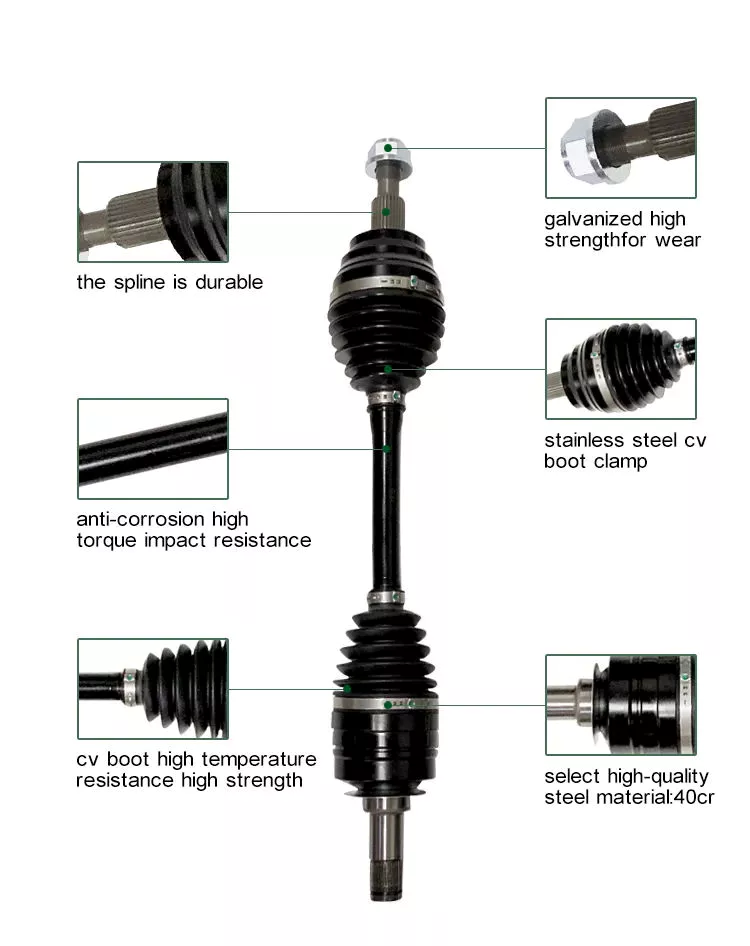
Comment les arbres de transmission améliorent-ils les performances des automobiles et des camions ?
Les arbres de transmission jouent un rôle essentiel dans l'amélioration des performances des automobiles et des camions. Ils contribuent à divers aspects de ces performances, notamment la transmission de la puissance, la traction, la tenue de route et le rendement global. Voici une explication détaillée de la manière dont les arbres de transmission améliorent les performances des automobiles et des camions :
1. Alimentation électrique :
Les arbres de transmission assurent le transfert de la puissance du moteur aux roues, permettant ainsi au véhicule d'avancer. En transmettant efficacement la puissance sans pertes significatives, ils garantissent une utilisation optimale de la puissance du moteur, ce qui améliore l'accélération et les performances générales. Des arbres de transmission bien conçus, minimisant les pertes de puissance, contribuent à la capacité du véhicule à transmettre efficacement la puissance aux roues.
2. Transfert de couple :
Les arbres de transmission permettent de transmettre le couple du moteur aux roues. Le couple est la force de rotation qui propulse le véhicule vers l'avant. Des arbres de transmission de haute qualité, dotés d'une capacité de conversion de couple optimale, garantissent une transmission efficace du couple généré par le moteur aux roues. Ceci améliore la capacité du véhicule à accélérer rapidement, à tracter des charges lourdes et à gravir des pentes abruptes, optimisant ainsi ses performances globales.
3. Traction et stabilité :
Les arbres de transmission contribuent à la traction et à la stabilité des automobiles et des camions. Ils transmettent la puissance aux roues, leur permettant d'exercer une force sur la chaussée. Ceci permet au véhicule de maintenir son adhérence, notamment lors des accélérations ou sur des terrains glissants ou accidentés. La transmission efficace de la puissance par les arbres de transmission améliore la stabilité du véhicule en assurant une répartition équilibrée de la puissance sur toutes les roues, optimisant ainsi le contrôle et la maniabilité.
4. Maniabilité et maniabilité :
Les arbres de transmission influent sur la tenue de route et la maniabilité des véhicules. Ils assurent une liaison directe entre le moteur et les roues, permettant un contrôle précis et une grande réactivité. Des arbres de transmission bien conçus, avec un jeu minimal, contribuent à une réponse plus directe et immédiate aux commandes du conducteur, améliorant ainsi l'agilité et la maniabilité du véhicule.
5. Réduction du poids :
Les arbres de transmission contribuent à réduire le poids des automobiles et des camions. Fabriqués à partir de matériaux tels que l'aluminium ou les composites renforcés de fibres de carbone, ils diminuent le poids total du véhicule. Cette réduction de poids améliore le rapport poids/puissance, ce qui se traduit par une meilleure accélération, une maniabilité accrue et une consommation de carburant optimisée. De plus, les arbres de transmission légers réduisent la masse en rotation, permettant au moteur de monter en régime plus rapidement et d'améliorer ainsi ses performances.
6. Rendement mécanique :
Les arbres de transmission performants minimisent les pertes d'énergie lors de la transmission de puissance. Grâce à des éléments tels que des roulements de haute qualité, des joints à faible friction et une lubrification optimisée, ils réduisent la friction et minimisent les pertes de puissance dues à la résistance interne. Ceci améliore le rendement mécanique de la transmission, permettant ainsi à une plus grande puissance d'atteindre les roues et d'optimiser les performances globales du véhicule.
7. Améliorations des performances :
L'amélioration de l'arbre de transmission est une option populaire pour optimiser les performances des véhicules. Les arbres de transmission renforcés, fabriqués avec des matériaux plus robustes ou offrant une capacité de couple accrue, peuvent supporter la puissance supérieure des moteurs modifiés. Ces améliorations permettent d'accroître les performances, notamment en termes d'accélération, de vitesse de pointe et de comportement routier.
8. Compatibilité avec les modifications de performance :
Les modifications apportées aux performances, telles que la mise à niveau du moteur, l'augmentation de la puissance ou les modifications de la transmission, nécessitent souvent des arbres de transmission compatibles. Les arbres de transmission conçus pour supporter des couples plus élevés ou s'adapter aux configurations de transmission modifiées garantissent des performances et une fiabilité optimales. Ils permettent au véhicule d'exploiter efficacement la puissance et le couple accrus, ce qui améliore les performances et la réactivité.
9. Durabilité et fiabilité :
Des arbres de transmission robustes et bien entretenus contribuent à la durabilité et à la fiabilité des automobiles et des camions. Ils sont conçus pour résister aux contraintes et aux charges liées à la transmission de puissance. Des matériaux de haute qualité, un équilibrage approprié et un entretien régulier garantissent le bon fonctionnement des arbres de transmission, minimisant ainsi les risques de pannes ou de problèmes de performance. Des arbres de transmission fiables améliorent les performances globales en assurant une transmission de puissance constante et en réduisant les temps d'arrêt.
10. Compatibilité avec les technologies avancées :
Les arbres de transmission évoluent au rythme des progrès technologiques dans le secteur automobile. Ils sont de plus en plus intégrés à des systèmes avancés tels que les motorisations hybrides, les moteurs électriques et le freinage régénératif. Les arbres de transmission conçus pour fonctionner en parfaite synergie avec ces technologies optimisent leur efficacité et leurs performances, contribuant ainsi à l'amélioration globale du véhicule.
En résumé, les arbres de transmission améliorent les performances des automobiles et des camions en optimisant la transmission de la puissance, en facilitant le transfert du couple, en améliorant la traction et la stabilité, en optimisant la maniabilité et la tenue de route, en réduisant le poids, en augmentant le rendement mécanique et en permettant l'intégration d'améliorations de performance et de technologies avancées. Ils jouent un rôle crucial pour garantir une transmission de puissance efficace, une accélération réactive, une maniabilité précise et des performances globales améliorées des véhicules.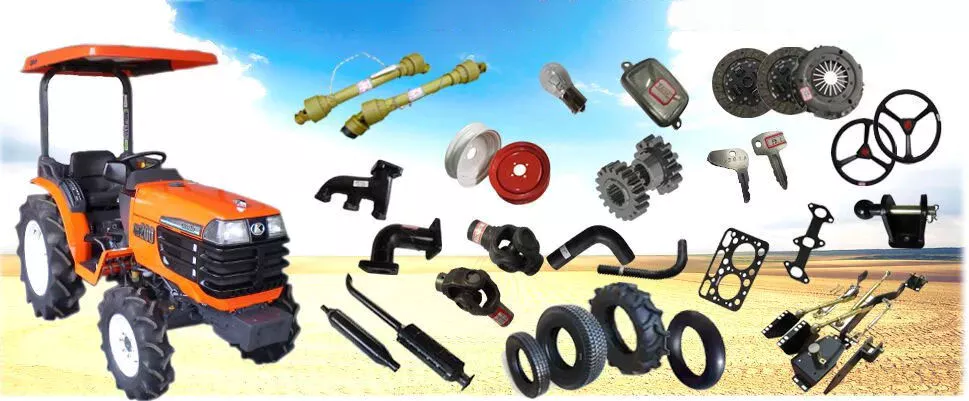
Are there variations in drive shaft designs for different types of machinery?
Yes, there are variations in drive shaft designs to cater to the specific requirements of different types of machinery. The design of a drive shaft is influenced by factors such as the application, power transmission needs, space limitations, operating conditions, and the type of driven components. Here’s an explanation of how drive shaft designs can vary for different types of machinery:
1. Automotive Applications:
In the automotive industry, drive shaft designs can vary depending on the vehicle’s configuration. Rear-wheel-drive vehicles typically use a single-piece or two-piece drive shaft, which connects the transmission or transfer case to the rear differential. Front-wheel-drive vehicles often use a different design, employing a drive shaft that combines with the constant velocity (CV) joints to transmit power to the front wheels. All-wheel-drive vehicles may have multiple drive shafts to distribute power to all wheels. The length, diameter, material, and joint types can differ based on the vehicle’s layout and torque requirements.
2. Industrial Machinery:
Drive shaft designs for industrial machinery depend on the specific application and power transmission requirements. In manufacturing machinery, such as conveyors, presses, and rotating equipment, drive shafts are designed to transfer power efficiently within the machine. They may incorporate flexible joints or use a splined or keyed connection to accommodate misalignment or allow for easy disassembly. The dimensions, materials, and reinforcement of the drive shaft are selected based on the torque, speed, and operating conditions of the machinery.
3. Agriculture and Farming:
Agricultural machinery, such as tractors, combines, and harvesters, often requires drive shafts that can handle high torque loads and varying operating angles. These drive shafts are designed to transmit power from the engine to attachments and implements, such as mowers, balers, tillers, and harvesters. They may incorporate telescopic sections to accommodate adjustable lengths, flexible joints to compensate for misalignment during operation, and protective shielding to prevent entanglement with crops or debris.
4. Construction and Heavy Equipment:
Construction and heavy equipment, including excavators, loaders, bulldozers, and cranes, require robust drive shaft designs capable of transmitting power in demanding conditions. These drive shafts often have larger diameters and thicker walls to handle high torque loads. They may incorporate universal joints or CV joints to accommodate operating angles and absorb shocks and vibrations. Drive shafts in this category may also have additional reinforcements to withstand the harsh environments and heavy-duty applications associated with construction and excavation.
5. Marine and Maritime Applications:
Drive shaft designs for marine applications are specifically engineered to withstand the corrosive effects of seawater and the high torque loads encountered in marine propulsion systems. Marine drive shafts are typically made from stainless steel or other corrosion-resistant materials. They may incorporate flexible couplings or dampening devices to reduce vibration and mitigate the effects of misalignment. The design of marine drive shafts also considers factors such as shaft length, diameter, and support bearings to ensure reliable power transmission in marine vessels.
6. Mining and Extraction Equipment:
In the mining industry, drive shafts are used in heavy machinery and equipment such as mining trucks, excavators, and drilling rigs. These drive shafts need to withstand extremely high torque loads and harsh operating conditions. Drive shaft designs for mining applications often feature larger diameters, thicker walls, and specialized materials such as alloy steel or composite materials. They may incorporate universal joints or CV joints to handle operating angles, and they are designed to be resistant to abrasion and wear.
These examples highlight the variations in drive shaft designs for different types of machinery. The design considerations take into account factors such as power requirements, operating conditions, space constraints, alignment needs, and the specific demands of the machinery or industry. By tailoring the drive shaft design to the unique requirements of each application, optimal power transmission efficiency and reliability can be achieved.


editor by CX 2024-05-09























