
Description du produit
Company Profile
Established in 2009, HangZhou CZPT Trading Co., Ltd is a professional supplier for conveyor parts, located in ZHangZhoug province. We focus on supplying a variety of conveyor parts, including conveyor tubes, conveyor frames, conveyor rollers, bearing housings and so forth.
With our professional technology R&D team, and experienced quality control department, our products have been awarded the ISO9001 Quality Management System Standard and our main markets are in America, Europe, Asia and Australia.
|
Factory advantage |
Professional and experienced technology team | ||
| All products inspected before shipping with reasonable prices | |||
| Low MOQ and free sample | |||
| We are audited by SGS and passed the ISO9001:2008 certification | |||
|
Industries service |
Industrial machine | ||
| Electronic and communication | |||
| Oil, gas,mining and petroleum | |||
| Construction industry | |||
| Equipment | CNC Machining Center, CNC Lathes, CNC Milling Machines, Punching and drilling machines, Stamping machines | ||
| Precision Processing | CNC machining, CNC turning and milling, laser cutting, drilling, grinding, bending, stamping, welding | ||
Roller size
| No. | Standard Diameter | Gamme de longueur (mm) |
Type de roulement Min-Max |
Shell Thickness of Roller | |
| mm | Inch | ||||
| 1 | 63.5 | 2 1/2 | 150-3500 | 203 204 | 3.0mm-4.0mm |
| 2 | 76 | 3 | 150-3500 | 204 | 3.0mm-4.5mm |
| 3 | 89 | 3 1/3 | 150-3500 | 204 205 | 3.0mm-4.5mm |
| 4 | 102 | 4 | 150-3500 | 3.2mm-4.5mm | |
| 5 | 108 | 4 1/4 | 150-3500 | 306 | 3.5mm-4.5mm |
| 6 | 114 | 4 1/2 | 150-3500 | 306 | 3.5mm-4.5mm |
| 7 | 127 | 5 | 150-3500 | 306 | 3.5mm-5.0mm |
| 8 | 133 | 5 1/4 | 150-3500 | 305 306 | 3.5mm-5.0mm |
| 9 | 140 | 5 1/2 | 150-3500 | 306 307 | 3.5mm-5.0mm |
| 10 | 152 | 6 | 150-3500 | 4.0mm-5.0mm | |
| 11 | 159 | 6 1/4 | 150-3500 | 4.0mm-5.0mm | |
| 12 | 165 | 6 1/2 | 150-3500 | 307 308 | 4.5mm-6.0mm |
| 13 | 177.8 | 7 | 150-3500 | 309 | 4.5mm-6.0mm |
| 14 | 190.7 | 7 1/2 | 150-3500 | 309 310 | 4.5mm-7.0mm |
| 15 | 194 | 7 5/8 | 150-3500 | 309 310 | 4.5mm-8.0mm |
| 16 | 219 | 8 5/8 | 150-3500 | 4.5mm-8.0mm | |
Advantage:
1.The life time: More than 50000 hours
2. TIR (Total Indicator Runout)
0.5mm (0.0197″) for Roll Length 0-600mm
0.8mm (0.571″) for Roll Length 601-1350mm
1.0mm (0. 0571 “) for Roll Length over 1350mm
3.Shaft Float≤0.8mm
4..Samples for testing are available.
5. Lower resistance
6. Small maintain work
7. High load capability
8. Dust proof & water proof
CONVRYOR ROLLER SHAFTS
| We can produce roller shafts and We do customeized |
| Product Size:φ10mm – 70mm |
| Max Length: 3000mm |
| Surface Tolerance: g6 |
| Surface Roughness:0.8mm |
| Specification | ASTM A108 AS1443 |
| Acier de qualité | Q235B,C1571,C1045(we can also do other steel grade per your requirments) |
| Size | Φ18mm-φ62mm |
| Diameter Tolerance | ISO286-2,H7/H8 |
| Straightness | 2000:1 |
| O.D | 63.5-219.1mm |
| W .T | 0.45-20mm |
| Length | 6–12m |
| Standard | SANS 657/3,ASTM 513,AS 1163,BS6323,EN10305 |
| Matériel | Q235B, S355,S230,C350,E235 etc. |
| Technique | Welded,Seamless |
| Surface | oiled ,galvanized or painted with all kinds of colors according to client’s request. |
| Ends | 1.Plain ends, |
| 2.Threading at both side with plastice caps | |
| 3.Threading at both side with socket/coupling. | |
| 4.Beveled ends, and so on | |
| Packing | 1.Water-proof plastic cloth, |
| 2.Woven bags, | |
| 3.PVC package, | |
| 4.Steel strips in bundles | |
| 5.As your requirment | |
| Usage | 1.For low pressure liquid delivery such as water,gas and oil. |
| 2.For construction | |
| 3.Mechanical equipment | |
| 4.For Furniture | |
| Payment&Trade Terms | 1.Payment : T/T,L/C, D/P, Western union |
| 2.Trade Terms:FOB/CFR/CIF | |
| 3.Minimum quantity of order : 10 MT (10,000KGS) | |
| Delivery Time | 1.Usually,within10-20days after receiving your down payment. |
| 2.According to the order quantity |
Conveyor Roller Tube
|
Conveyor Roller Tube |
Specification | SANS657/3,ASTM513,AS1163,BS6323,EN10305 or equivalent international standard. |
| Steel grade | S355/S230,C350,E235,Q235B | |
| Sizes | 63.5mm-219.1mm ect | |
| Ovality tolerance of body | ≤0.4mm(60.3mm-152.4mm) | |
| ≤0.5mm(159MM-168.3mm) | ||
| ≤0.6mm(178mm-219mm) | ||
| Straightness | 2000:1 |
if you are interesting in our products or want any further information, please feel free to contact us!
I am looking CZPT to your reply.
Best regards
Ruth
HangZhou CZPT TRADING CO., LTD
1801 CZPT Building, No.268 Xierhuan Road, HangZhou City, ZHangZhoug Province, China
/* 22 janvier 2571 19:08:37 */!function(){function s(e,r){var a,o={};try{e&&e.split(“,”).forEach(function(e,t){e&&(a=e.match(/(.*?):(.*)$/))&&1
| Steel Grade: | C1018 C1020 |
|---|---|
| Standard: | ASTM A108 |
| Size: | Od18mm—62mm |
| Surface Tolerance: | G6 |
| Max Length: | Max 3000mm |
| Surface Roughness: | 0.8 |
| Exemples : |
US$ 0/Piece
1 pièce (commande minimale) | |
|---|
| Personnalisation : |
Disponible
| Demande personnalisée |
|---|
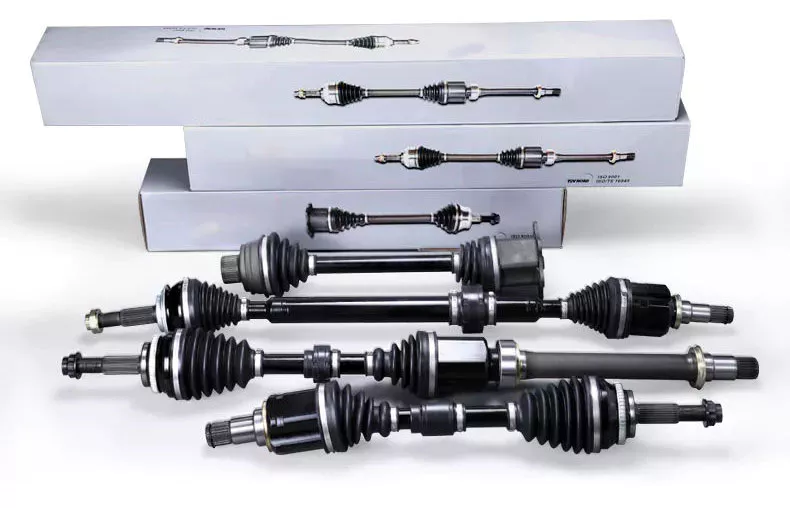
What maintenance practices are crucial for prolonging the lifespan of drive shafts?
To prolong the lifespan of drive shafts and ensure their optimal performance, several maintenance practices are crucial. Regular maintenance helps identify and address potential issues before they escalate, reduces wear and tear, and ensures the drive shaft operates smoothly and efficiently. Here are some essential maintenance practices for prolonging the lifespan of drive shafts:
1. Regular Inspection:
Performing regular inspections is vital for detecting any signs of wear, damage, or misalignment. Inspect the drive shaft visually, looking for cracks, dents, or any signs of excessive wear on the shaft itself and its associated components such as joints, yokes, and splines. Check for any signs of lubrication leaks or contamination. Additionally, inspect the fasteners and mounting points to ensure they are secure. Early detection of any issues allows for timely repairs or replacements, preventing further damage to the drive shaft.
2. Lubrication:
Proper lubrication is essential for the smooth operation and longevity of drive shafts. Lubricate the joints, such as universal joints or constant velocity joints, as recommended by the manufacturer. Lubrication reduces friction, minimizes wear, and helps dissipate heat generated during operation. Use the appropriate lubricant specified for the specific drive shaft and application, considering factors such as temperature, load, and operating conditions. Regularly check the lubrication levels and replenish as necessary to ensure optimal performance and prevent premature failure.
3. Balancing and Alignment:
Maintaining proper balancing and alignment is crucial for the lifespan of drive shafts. Imbalances or misalignments can lead to vibrations, accelerated wear, and potential failure. If vibrations or unusual noises are detected during operation, it is important to address them promptly. Perform balancing procedures as necessary, including dynamic balancing, to ensure even weight distribution along the drive shaft. Additionally, verify that the drive shaft is correctly aligned with the engine or power source and the driven components. Misalignment can cause excessive stress on the drive shaft, leading to premature failure.
4. Protective Coatings:
Applying protective coatings can help prolong the lifespan of drive shafts, particularly in applications exposed to harsh environments or corrosive substances. Consider using coatings such as zinc plating, powder coating, or specialized corrosion-resistant coatings to enhance the drive shaft’s resistance to corrosion, rust, and chemical damage. Regularly inspect the coating for any signs of degradation or damage, and reapply or repair as necessary to maintain the protective barrier.
5. Torque and Fastener Checks:
Ensure that the drive shaft’s fasteners, such as bolts, nuts, or clamps, are properly torqued and secured according to the manufacturer’s specifications. Loose or improperly tightened fasteners can lead to excessive vibrations, misalignment, or even detachment of the drive shaft. Periodically check and retighten the fasteners as recommended or after any maintenance or repair procedures. Additionally, monitor the torque levels during operation to ensure they remain within the specified range, as excessive torque can strain the drive shaft and lead to premature failure.
6. Environmental Protection:
Protecting the drive shaft from environmental factors can significantly extend its lifespan. In applications exposed to extreme temperatures, moisture, chemicals, or abrasive substances, take appropriate measures to shield the drive shaft. This may include using protective covers, seals, or guards to prevent contaminants from entering and causing damage. Regular cleaning of the drive shaft, especially in dirty or corrosive environments, can also help remove debris and prevent buildup that could compromise its performance and longevity.
7. Manufacturer Guidelines:
Follow the manufacturer’s guidelines and recommendations for maintenance practices specific to the drive shaft model and application. The manufacturer’s instructions may include specific intervals for inspections, lubrication, balancing, or other maintenance tasks. Adhering to these guidelines ensures that the drive shaft is properly maintained and serviced, maximizing its lifespan and minimizing the risk of unexpected failures.
By implementing these maintenance practices, drive shafts can operate reliably, maintain efficient power transmission, and have an extended service life, ultimately reducing downtime and ensuring optimal performance in various applications.

Comment les arbres de transmission améliorent-ils les performances des automobiles et des camions ?
Les arbres de transmission jouent un rôle essentiel dans l'amélioration des performances des automobiles et des camions. Ils contribuent à divers aspects de ces performances, notamment la transmission de la puissance, la traction, la tenue de route et le rendement global. Voici une explication détaillée de la manière dont les arbres de transmission améliorent les performances des automobiles et des camions :
1. Alimentation électrique :
Les arbres de transmission assurent le transfert de la puissance du moteur aux roues, permettant ainsi au véhicule d'avancer. En transmettant efficacement la puissance sans pertes significatives, ils garantissent une utilisation optimale de la puissance du moteur, ce qui améliore l'accélération et les performances générales. Des arbres de transmission bien conçus, minimisant les pertes de puissance, contribuent à la capacité du véhicule à transmettre efficacement la puissance aux roues.
2. Transfert de couple :
Les arbres de transmission permettent de transmettre le couple du moteur aux roues. Le couple est la force de rotation qui propulse le véhicule vers l'avant. Des arbres de transmission de haute qualité, dotés d'une capacité de conversion de couple optimale, garantissent une transmission efficace du couple généré par le moteur aux roues. Ceci améliore la capacité du véhicule à accélérer rapidement, à tracter des charges lourdes et à gravir des pentes abruptes, optimisant ainsi ses performances globales.
3. Traction et stabilité :
Les arbres de transmission contribuent à la traction et à la stabilité des automobiles et des camions. Ils transmettent la puissance aux roues, leur permettant d'exercer une force sur la chaussée. Ceci permet au véhicule de maintenir son adhérence, notamment lors des accélérations ou sur des terrains glissants ou accidentés. La transmission efficace de la puissance par les arbres de transmission améliore la stabilité du véhicule en assurant une répartition équilibrée de la puissance sur toutes les roues, optimisant ainsi le contrôle et la maniabilité.
4. Maniabilité et maniabilité :
Les arbres de transmission influent sur la tenue de route et la maniabilité des véhicules. Ils assurent une liaison directe entre le moteur et les roues, permettant un contrôle précis et une grande réactivité. Des arbres de transmission bien conçus, avec un jeu minimal, contribuent à une réponse plus directe et immédiate aux commandes du conducteur, améliorant ainsi l'agilité et la maniabilité du véhicule.
5. Réduction du poids :
Les arbres de transmission contribuent à réduire le poids des automobiles et des camions. Fabriqués à partir de matériaux tels que l'aluminium ou les composites renforcés de fibres de carbone, ils diminuent le poids total du véhicule. Cette réduction de poids améliore le rapport poids/puissance, ce qui se traduit par une meilleure accélération, une maniabilité accrue et une consommation de carburant optimisée. De plus, les arbres de transmission légers réduisent la masse en rotation, permettant au moteur de monter en régime plus rapidement et d'améliorer ainsi ses performances.
6. Rendement mécanique :
Les arbres de transmission performants minimisent les pertes d'énergie lors de la transmission de puissance. Grâce à des éléments tels que des roulements de haute qualité, des joints à faible friction et une lubrification optimisée, ils réduisent la friction et minimisent les pertes de puissance dues à la résistance interne. Ceci améliore le rendement mécanique de la transmission, permettant ainsi à une plus grande puissance d'atteindre les roues et d'optimiser les performances globales du véhicule.
7. Améliorations des performances :
L'amélioration de l'arbre de transmission est une option populaire pour optimiser les performances des véhicules. Les arbres de transmission renforcés, fabriqués avec des matériaux plus robustes ou offrant une capacité de couple accrue, peuvent supporter la puissance supérieure des moteurs modifiés. Ces améliorations permettent d'accroître les performances, notamment en termes d'accélération, de vitesse de pointe et de comportement routier.
8. Compatibilité avec les modifications de performance :
Les modifications apportées aux performances, telles que la mise à niveau du moteur, l'augmentation de la puissance ou les modifications de la transmission, nécessitent souvent des arbres de transmission compatibles. Les arbres de transmission conçus pour supporter des couples plus élevés ou s'adapter aux configurations de transmission modifiées garantissent des performances et une fiabilité optimales. Ils permettent au véhicule d'exploiter efficacement la puissance et le couple accrus, ce qui améliore les performances et la réactivité.
9. Durabilité et fiabilité :
Des arbres de transmission robustes et bien entretenus contribuent à la durabilité et à la fiabilité des automobiles et des camions. Ils sont conçus pour résister aux contraintes et aux charges liées à la transmission de puissance. Des matériaux de haute qualité, un équilibrage approprié et un entretien régulier garantissent le bon fonctionnement des arbres de transmission, minimisant ainsi les risques de pannes ou de problèmes de performance. Des arbres de transmission fiables améliorent les performances globales en assurant une transmission de puissance constante et en réduisant les temps d'arrêt.
10. Compatibilité avec les technologies avancées :
Les arbres de transmission évoluent au rythme des progrès technologiques dans le secteur automobile. Ils sont de plus en plus intégrés à des systèmes avancés tels que les motorisations hybrides, les moteurs électriques et le freinage régénératif. Les arbres de transmission conçus pour fonctionner en parfaite synergie avec ces technologies optimisent leur efficacité et leurs performances, contribuant ainsi à l'amélioration globale du véhicule.
En résumé, les arbres de transmission améliorent les performances des automobiles et des camions en optimisant la transmission de la puissance, en facilitant le transfert du couple, en améliorant la traction et la stabilité, en optimisant la maniabilité et la tenue de route, en réduisant le poids, en augmentant le rendement mécanique et en permettant l'intégration d'améliorations de performance et de technologies avancées. Ils jouent un rôle crucial pour garantir une transmission de puissance efficace, une accélération réactive, une maniabilité précise et des performances globales améliorées des véhicules.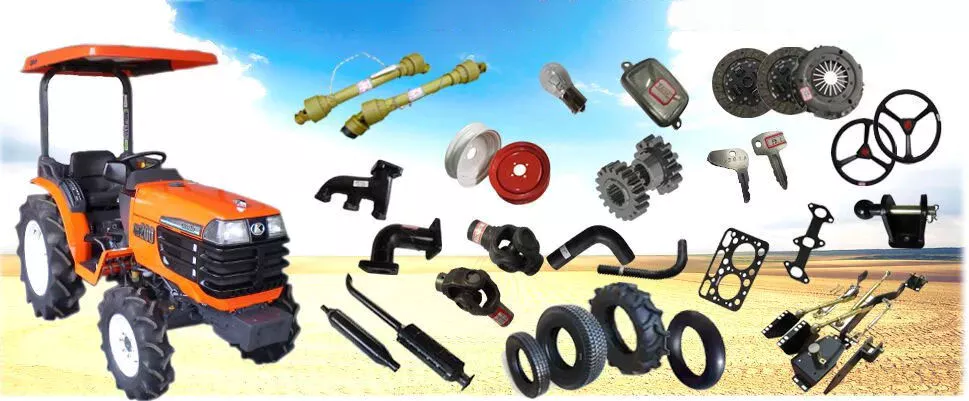
Are there variations in drive shaft designs for different types of machinery?
Yes, there are variations in drive shaft designs to cater to the specific requirements of different types of machinery. The design of a drive shaft is influenced by factors such as the application, power transmission needs, space limitations, operating conditions, and the type of driven components. Here’s an explanation of how drive shaft designs can vary for different types of machinery:
1. Automotive Applications:
In the automotive industry, drive shaft designs can vary depending on the vehicle’s configuration. Rear-wheel-drive vehicles typically use a single-piece or two-piece drive shaft, which connects the transmission or transfer case to the rear differential. Front-wheel-drive vehicles often use a different design, employing a drive shaft that combines with the constant velocity (CV) joints to transmit power to the front wheels. All-wheel-drive vehicles may have multiple drive shafts to distribute power to all wheels. The length, diameter, material, and joint types can differ based on the vehicle’s layout and torque requirements.
2. Industrial Machinery:
Drive shaft designs for industrial machinery depend on the specific application and power transmission requirements. In manufacturing machinery, such as conveyors, presses, and rotating equipment, drive shafts are designed to transfer power efficiently within the machine. They may incorporate flexible joints or use a splined or keyed connection to accommodate misalignment or allow for easy disassembly. The dimensions, materials, and reinforcement of the drive shaft are selected based on the torque, speed, and operating conditions of the machinery.
3. Agriculture and Farming:
Agricultural machinery, such as tractors, combines, and harvesters, often requires drive shafts that can handle high torque loads and varying operating angles. These drive shafts are designed to transmit power from the engine to attachments and implements, such as mowers, balers, tillers, and harvesters. They may incorporate telescopic sections to accommodate adjustable lengths, flexible joints to compensate for misalignment during operation, and protective shielding to prevent entanglement with crops or debris.
4. Construction and Heavy Equipment:
Construction and heavy equipment, including excavators, loaders, bulldozers, and cranes, require robust drive shaft designs capable of transmitting power in demanding conditions. These drive shafts often have larger diameters and thicker walls to handle high torque loads. They may incorporate universal joints or CV joints to accommodate operating angles and absorb shocks and vibrations. Drive shafts in this category may also have additional reinforcements to withstand the harsh environments and heavy-duty applications associated with construction and excavation.
5. Marine and Maritime Applications:
Drive shaft designs for marine applications are specifically engineered to withstand the corrosive effects of seawater and the high torque loads encountered in marine propulsion systems. Marine drive shafts are typically made from stainless steel or other corrosion-resistant materials. They may incorporate flexible couplings or dampening devices to reduce vibration and mitigate the effects of misalignment. The design of marine drive shafts also considers factors such as shaft length, diameter, and support bearings to ensure reliable power transmission in marine vessels.
6. Mining and Extraction Equipment:
In the mining industry, drive shafts are used in heavy machinery and equipment such as mining trucks, excavators, and drilling rigs. These drive shafts need to withstand extremely high torque loads and harsh operating conditions. Drive shaft designs for mining applications often feature larger diameters, thicker walls, and specialized materials such as alloy steel or composite materials. They may incorporate universal joints or CV joints to handle operating angles, and they are designed to be resistant to abrasion and wear.
These examples highlight the variations in drive shaft designs for different types of machinery. The design considerations take into account factors such as power requirements, operating conditions, space constraints, alignment needs, and the specific demands of the machinery or industry. By tailoring the drive shaft design to the unique requirements of each application, optimal power transmission efficiency and reliability can be achieved.


editor by CX 2024-03-27























