
Tuotekuvaus
product/gOhtldeWncUG/China-Factory-Supply-Hard-Chrome-Plated-Gcr15-S45c-Material-Induction-Hardness-Linear-Shaft.html High Hardness HRC62-65 Drive Shaft Gcr15 (SUJ2) Material Transmission Shaft Hard Chrome Plated Round Bars Linear Shaft
Tuotekuvaus
Linear Shaft is the guiding effect of sliding bearing, which can make the products of linear motion.
The necessary conditions required by the linear motion system is: Simple design, the best performance, low maintenance cost, using the selected durable material, high-frequency heat treatment, the accurate outside
Diameter size, roundness, really straight and surface treatment, etc.
Linear Shaft (Linear rod; Steel bar; Optical axis)
|
Model No. |
WCS CZPT WC SF series 3mm, 4mm, 5mm, 6mm, 8mm, 10mm, 12mm, 13mm, 16mm, 20mm, |
|
Materiaali |
45# steel,GCR15,SUS440C |
|
OEM & ODM |
Kyllä |
|
Hardened layer thickness |
0.8mm-3mm
|
|
Pituus |
0-6000mm (If you need above 6000mm, we can anti-connect for you) |
|
Precision |
G6 H6 G7 H7 customized |
|
Roughness |
Within 1.5μm |
|
Straightness |
Not excess 1.5μm of 100mm (Rmax) |
|
OEM & ODM |
We are Professional bearing manufactory in China, the bearing of High Quality can be OEM & Customized |
Linear Shaft Application:
1. CZPT shaft
Generally applicable to industrial robots, as a professional measuring instruments, medical equipment, precision machine tools, aircraft shaft, pneumatic mandrel movement part.
2. Hollow shaft
With its weight to reduce equipment, simplify the structure of the advantages, you can then wear the internal measurement of wire, compressed air, can also add lubricants and hydraulic oil.
3. Stainless steel shaft
It’s generally suitable for use as a part of the measurement in the presence of chemicals such as chemicals, seawater and other
Substances.
Special machining shafts are finely finished after heat treatment with hard chrome plating for all types of automation equipment.
Special Machining for Linear Shaft:
1. For the Length
We can offer linear shaft with diameterφ5mm-φ150mm. Maxium length up to 6000mm.
When you are special requirements on length, we can meet your machining requirements with different length.
When you request above 6000mm, we can anti-connect for you.
2. For Special Processing
When you have special requirements on machining. Such as threading, coaxial holes drilled and tapped, radial holes drilled and tapped, reduced shaft diameter etc, we can machine for you, and these special machines are finished after heat treatment and hard chromic so that ensure the precision of product.
Send us your detailed sketch or blue print for propmt quotation and action, you should be satisfied with our service.
Packing
1.Pipe
/* March 10, 2571 17:59:20 */!function(){function s(e,r){var a,o={};try{e&&e.split(“,”).forEach(function(e,t){e&&(a=e.match(/(.*?):(.*)$/))&&1
| Feature: | Linear Shaft |
|---|---|
| Toiminto: | Ordinary |
| Flange Shape: | Circular |
| Shape: | Circular |
| Series: | 3mm-150mm |
| Materiaali: | Bearing Steel |
| Mukauttaminen: |
Saatavilla
| Mukautettu pyyntö |
|---|
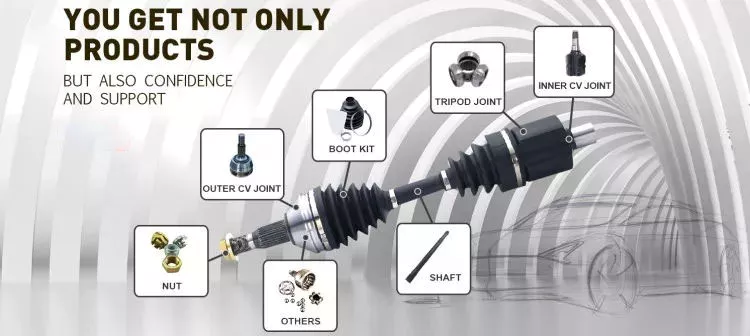
Miten vetoakselit varmistavat tehokkaan voimansiirron ja säilyttävät samalla tasapainon?
Vetoakseleissa käytetään erilaisia mekanismeja tehokkaan voimansiirron varmistamiseksi ja samalla tasapainon säilyttämiseksi. Tehokas voimansiirto viittaa vetoakselin kykyyn siirtää pyörimisvoimaa lähteestä (kuten moottorista) käytettävään komponenttiin (kuten pyöriin tai koneisiin) minimaalisella energiahäviöllä. Tasapainotus puolestaan tarkoittaa tärinän minimointia ja epätasaisen massan jakautumisen poistamista, joka voi aiheuttaa häiriöitä käytön aikana. Tässä selitys siitä, miten vetoakselit saavuttavat sekä tehokkaan voimansiirron että tasapainon:
1. Materiaalin valinta:
Vetoakselien materiaalivalinta on ratkaisevan tärkeää tasapainon ylläpitämiseksi ja tehokkaan voimansiirron varmistamiseksi. Vetoakselit valmistetaan yleensä materiaaleista, kuten teräksestä tai alumiiniseoksista, jotka valitaan niiden lujuuden, jäykkyyden ja kestävyyden perusteella. Näillä materiaaleilla on erinomainen mittapysyvyys ja ne kestävät käytön aikana ilmeneviä vääntömomenttikuormia. Käyttämällä korkealaatuisia materiaaleja vetoakselit voivat minimoida muodonmuutoksen, taipumisen ja epätasapainon, jotka voivat vaarantaa voimansiirtoa ja aiheuttaa tärinää.
2. Suunnittelunäkökohdat:
Vetoakselin suunnittelulla on merkittävä rooli sekä voimansiirron tehokkuudessa että tasapainossa. Vetoakselit on suunniteltu sopiviksi mitoituksiksi, mukaan lukien halkaisija ja seinämän paksuus, jotta ne kestävät odotetut vääntömomenttikuormat ilman liiallista taipumista tai tärinää. Suunnittelussa otetaan huomioon myös sellaiset tekijät kuin vetoakselin pituus, nivelten lukumäärä ja tyyppi (kuten murrosnivelet tai vakionopeusnivelet) sekä tasapainotuspainojen käyttö. Suunnittelemalla vetoakselin huolellisesti valmistajat voivat saavuttaa optimaalisen voimansiirron tehokkuuden ja samalla minimoida epätasapainosta aiheutuvien tärinöiden mahdollisuuden.
3. Tasapainotustekniikat:
Tasapaino on ratkaisevan tärkeää vetoakseleille, koska mikä tahansa epätasapaino voi aiheuttaa tärinää, melua ja kiihtynyttä kulumista. Tasapainon ylläpitämiseksi vetoakseleille tehdään erilaisia tasapainotustekniikoita valmistusprosessin aikana. Staattisia ja dynaamisia tasapainotusmenetelmiä käytetään sen varmistamiseksi, että massan jakautuminen vetoakselin pitkin on tasainen. Staattinen tasapainotus tarkoittaa vastapainojen lisäämistä tiettyihin paikkoihin mahdollisen painon epätasapainon kompensoimiseksi. Dynaaminen tasapainotus suoritetaan pyörittämällä vetoakselia suurilla nopeuksilla ja mittaamalla mahdolliset tärinät. Jos epätasapainoa havaitaan, tehdään lisäsäätöjä tasapainoisen tilan saavuttamiseksi. Nämä tasapainotustekniikat auttavat minimoimaan tärinöitä ja varmistamaan vetoakselin sujuvan toiminnan.
4. Kardaaninivelet ja vakionopeusnivelet:
Vetoakseleissa on usein ristiniveliä tai vakionopeusniveliä (CV), jotka kompensoivat linjausvirheitä ja ylläpitävät tasapainoa käytön aikana. Ristinivelet ovat joustavia niveliä, jotka mahdollistavat kulmaliikkeen akseleiden välillä. Niitä käytetään tyypillisesti sovelluksissa, joissa vetoakseli toimii vaihtelevissa kulmissa. CV-nivelet puolestaan on suunniteltu ylläpitämään vakio pyörimisnopeutta, ja niitä käytetään yleisesti etuvetoisissa ajoneuvoissa. Näiden nivelten avulla vetoakselit voivat kompensoida linjausvirheitä, vähentää akseliin kohdistuvaa rasitusta ja minimoida tärinää, joka voi vaikuttaa negatiivisesti voimansiirron tehokkuuteen ja tasapainoon.
5. Huolto ja tarkastus:
Vetoakseleiden säännöllinen huolto ja tarkastus ovat välttämättömiä tehokkaan voimansiirron ja tasapainon varmistamiseksi. Säännölliset kulumisen, vaurioiden tai virheellisen linjauksen tarkastukset voivat auttaa tunnistamaan mahdolliset ongelmat, jotka voivat vaikuttaa vetoakselin suorituskykyyn. Nivelten voitelu ja kiinnikkeiden asianmukainen kiristäminen ovat myös ratkaisevan tärkeitä optimaalisen toiminnan ylläpitämiseksi. Noudattamalla suositeltuja huoltotoimenpiteitä voidaan kaikki epätasapainot tai tehottomuudet korjata nopeasti, mikä varmistaa jatkuvan tehokkaan voimansiirron ja tasapainon.
Yhteenvetona voidaan todeta, että vetoakselit varmistavat tehokkaan voimansiirron ja säilyttävät tasapainon huolellisen materiaalivalinnan, harkitun suunnittelun, tasapainotustekniikoiden ja joustavien nivelten avulla. Näiden tekijöiden optimoinnilla vetoakselit voivat siirtää pyörimisvoimaa sujuvasti ja luotettavasti, minimoiden energiahäviöt ja tärinät, jotka voivat vaikuttaa suorituskykyyn ja pitkäikäisyyteen.
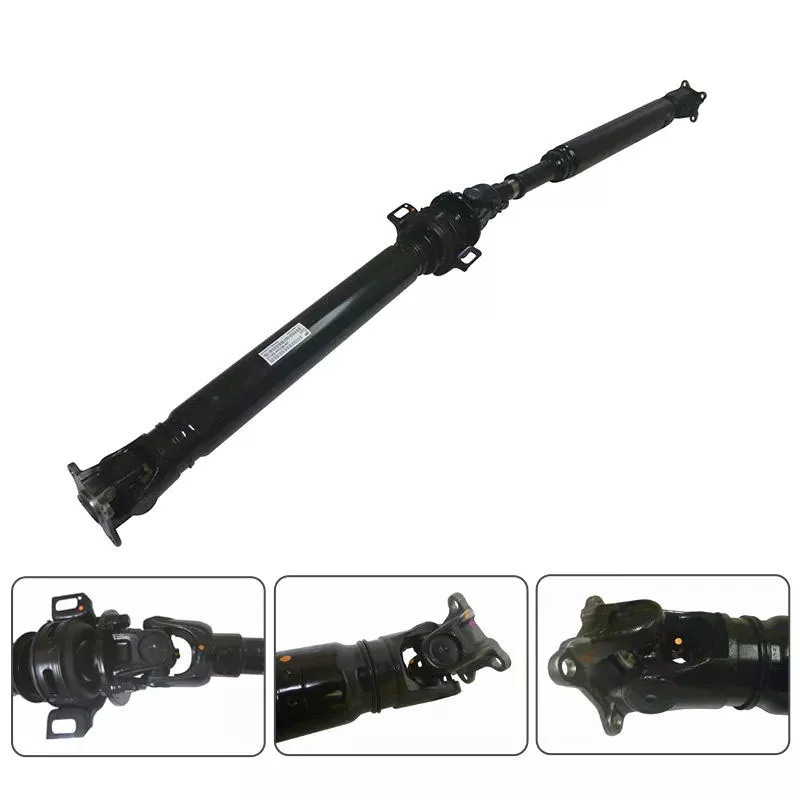
Can you provide real-world examples of vehicles and machinery that use drive shafts?
Drive shafts are widely used in various vehicles and machinery to transmit power from the engine or power source to the wheels or driven components. Here are some real-world examples of vehicles and machinery that utilize drive shafts:
1. Automobiles:
Drive shafts are commonly found in automobiles, especially those with rear-wheel drive or four-wheel drive systems. In these vehicles, the drive shaft transfers power from the transmission or transfer case to the rear differential or front differential, respectively. This allows the engine’s power to be distributed to the wheels, propelling the vehicle forward.
2. Trucks and Commercial Vehicles:
Drive shafts are essential components in trucks and commercial vehicles. They are used to transfer power from the transmission or transfer case to the rear axle or multiple axles in the case of heavy-duty trucks. Drive shafts in commercial vehicles are designed to handle higher torque loads and are often larger and more robust than those used in passenger cars.
3. Construction and Earthmoving Equipment:
Various types of construction and earthmoving equipment, such as excavators, loaders, bulldozers, and graders, rely on drive shafts for power transmission. These machines typically have complex drivetrain systems that use drive shafts to transfer power from the engine to the wheels or tracks, enabling them to perform heavy-duty tasks on construction sites or in mining operations.
4. Agricultural Machinery:
Agricultural machinery, including tractors, combines, and harvesters, utilize drive shafts to transmit power from the engine to the wheels or driven components. Drive shafts in agricultural machinery are often subjected to demanding conditions and may have additional features such as telescopic sections to accommodate variable distances between components.
5. Industrial Machinery:
Industrial machinery, such as manufacturing equipment, generators, pumps, and compressors, often incorporate drive shafts in their power transmission systems. These drive shafts transfer power from electric motors, engines, or other power sources to various driven components, enabling the machinery to perform specific tasks in industrial settings.
6. Marine Vessels:
In marine applications, drive shafts are commonly used to transmit power from the engine to the propeller in boats, ships, and other watercraft. Marine drive shafts are typically longer and designed to withstand the unique challenges posed by water environments, including corrosion resistance and appropriate sealing mechanisms.
7. Recreational Vehicles (RVs) and Motorhomes:
RVs and motorhomes often employ drive shafts as part of their drivetrain systems. These drive shafts transfer power from the transmission to the rear axle, allowing the vehicle to move and providing propulsion. Drive shafts in RVs may have additional features such as dampers or vibration-reducing components to enhance comfort during travel.
8. Off-Road and Racing Vehicles:
Off-road vehicles, such as SUVs, trucks, and all-terrain vehicles (ATVs), as well as racing vehicles, frequently utilize drive shafts. These drive shafts are designed to withstand the rigors of off-road conditions or high-performance racing, transmitting power efficiently to the wheels and ensuring optimal traction and performance.
9. Railway Rolling Stock:
In railway systems, drive shafts are employed in locomotives and some types of rolling stock. They transfer power from the locomotive’s engine to the wheels or propulsion system, enabling the train to move along the tracks. Railway drive shafts are typically much longer and may have additional features to accommodate the articulated or flexible nature of some train configurations.
10. Wind Turbines:
Large-scale wind turbines used for generating electricity incorporate drive shafts in their power transmission systems. The drive shafts transfer rotational energy from the turbine’s blades to the generator, where it is converted into electrical power. Drive shafts in wind turbines are designed to handle the significant torque and rotational forces generated by the wind.
These examples demonstrate the broad range of vehicles and machinery that rely on drive shafts for efficient power transmission and propulsion. Drive shafts are essential components in various industries, enabling the transfer of power from the source to the driven components, ultimately facilitating movement, operation, or the performance of specific tasks.

How do drive shafts handle variations in length and torque requirements?
Drive shafts are designed to handle variations in length and torque requirements in order to efficiently transmit rotational power. Here’s an explanation of how drive shafts address these variations:
Length Variations:
Drive shafts are available in different lengths to accommodate varying distances between the engine or power source and the driven components. They can be custom-made or purchased in standardized lengths, depending on the specific application. In situations where the distance between the engine and the driven components is longer, multiple drive shafts with appropriate couplings or universal joints can be used to bridge the gap. These additional drive shafts effectively extend the overall length of the power transmission system.
Additionally, some drive shafts are designed with telescopic sections. These sections can be extended or retracted, allowing for adjustments in length to accommodate different vehicle configurations or dynamic movements. Telescopic drive shafts are commonly used in applications where the distance between the engine and the driven components may change, such as in certain types of trucks, buses, and off-road vehicles.
Torque Requirements:
Drive shafts are engineered to handle varying torque requirements based on the power output of the engine or power source and the demands of the driven components. The torque transmitted through the drive shaft depends on factors such as the engine power, load conditions, and the resistance encountered by the driven components.
Manufacturers consider torque requirements when selecting the appropriate materials and dimensions for drive shafts. Drive shafts are typically made from high-strength materials, such as steel or aluminum alloys, to withstand the torque loads without deformation or failure. The diameter, wall thickness, and design of the drive shaft are carefully calculated to ensure it can handle the expected torque without excessive deflection or vibration.
In applications with high torque demands, such as heavy-duty trucks, industrial machinery, or performance vehicles, drive shafts may have additional reinforcements. These reinforcements can include thicker walls, cross-sectional shapes optimized for strength, or composite materials with superior torque-handling capabilities.
Furthermore, drive shafts often incorporate flexible joints, such as universal joints or constant velocity (CV) joints. These joints allow for angular misalignment and compensate for variations in the operating angles between the engine, transmission, and driven components. They also help absorb vibrations and shocks, reducing stress on the drive shaft and enhancing its torque-handling capacity.
In summary, drive shafts handle variations in length and torque requirements through customizable lengths, telescopic sections, appropriate materials and dimensions, and the inclusion of flexible joints. By carefully considering these factors, drive shafts can efficiently and reliably transmit power while accommodating the specific needs of different applications.


editor by CX 2024-01-31























