
Tuotekuvaus
PTO gearbox equivalent CHINAMFG ML52 male shaft
The Gearboxes are designed for connecting gear pumps to farm tractor power take offs (PTO).Output speed of power take offs is 540rpm which can be compared with the proper running speeds of hydraulic pumps.Different input running speeds can also be suitable,provided that the PTO gearbox output speed does not exceed 3000 rpm.
Gears
Made in Steel CHINAMFG 18 PCR M03.Stub teeth guarantee very high resistance and run very quietly.
Shafts
Made in steel CHINAMFG 16 CRN4.They are coupled with splined gears and are designed to stand the torque values stated in the catalogue.
Voitelu
SAE 90 gear oil must be put in the pto gearbox prior to use, change the oil after the first 60-80 hours and then every 12 months or 1500 hours which ever falls first.
Maintenance
Please check the oil level via the special oil window every 50 hours.Working temperatures should not exceed 120 degrees celcius under continuos duty cycle.
Packaging & Shipping
Plastic bag packing for 1 piece / two pieces in 1 exporting carton / 100 cartons put on a pallet
Usein kysytyt kysymykset
1.Q:Is your company a trading company or a manufacturer?
A:Our company is a trading company also a manufacturer, we have our own factory to produce gearbox, pump support..Etc
Also we distribute gear pumps, tractor machinery,dump truck pump from selected premium suppliers to meet customers’ variable demand.
2.Q:What about the quality control and warranty ?
A:”Quality first, Customers foremost”.Every piece of products is cheeked and tested strictly 1 by 1 before packing and shipping.
Our products have 1 year warranty, technical support is endless from us.
3.Q:Can you provide samples for checking and testing?
A:Yes,we provide free samples for checking the build quality and real performance of our products,the freight need to be coverd by customer.
4.Q:How can I get to your company?
A:Our company address is No.888 Huaxu Road,Xihu (West Lake) Dis. district,ZheJiang ,China
It is about 30 minutes by car from ZheJiang Xihu (West Lake) Dis.ao airport or ZheJiang Xihu (West Lake) Dis.ao Railway station.
/* March 10, 2571 17:59:20 */!function(){function s(e,r){var a,o={};try{e&&e.split(“,”).forEach(function(e,t){e&&(a=e.match(/(.*?):(.*)$/))&&1
| Tyyppi: | Forest Machine |
|---|---|
| Käyttö: | Agricultural Products Processing, Farmland Infrastructure |
| Materiaali: | Aluminum |
| Virtalähde: | Diesel |
| Weight: | 8.3kg |
| Kuljetuspaketti: | Carton+Pallet |
| Samples: |
US$ 70/Piece
1 Piece(Min.Order) | |
|---|
| Mukauttaminen: |
Saatavilla
| Mukautettu pyyntö |
|---|
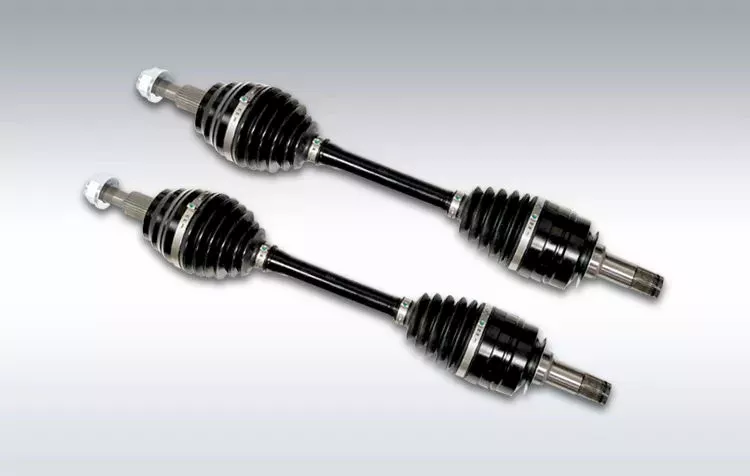
How do PTO shafts handle variations in length and connection methods?
PTO (Power Take-Off) shafts are designed to handle variations in length and connection methods to accommodate different equipment setups and ensure efficient power transfer. PTO shafts need to be adjustable in length to bridge the distance between the power source and the driven machinery. Additionally, they must provide versatile connection methods to connect to a wide range of equipment. Here’s a detailed explanation of how PTO shafts handle variations in length and connection methods:
1. Telescoping Design: PTO shafts often feature a telescoping design, allowing them to be adjusted in length to suit different equipment configurations. The telescoping feature enables the shaft to extend or retract, accommodating varying distances between the power source (such as a tractor or engine) and the driven machinery. By adjusting the length of the PTO shaft, it can be properly aligned and connected to ensure optimal power transfer. Telescoping PTO shafts typically consist of multiple tubular sections that slide into one another, providing flexibility in length adjustment.
2. Splined Shafts: PTO shafts commonly employ splined shafts as the primary connection method between the power source and driven machinery. Splines are a series of ridges or grooves along the shaft that interlock with corresponding grooves in the mating component. The splined connection allows for torque transfer while maintaining alignment between the power source and driven machinery. Splined shafts can handle variations in length by extending or retracting the telescoping sections while still maintaining a solid connection between the power source and the driven equipment.
3. Adjustable Sliding Yokes: PTO shafts typically feature adjustable sliding yokes on one or both ends of the shaft. These yokes allow for angular adjustment, accommodating variations in the alignment between the power source and driven machinery. The sliding yokes can be moved along the splined shaft to achieve the desired angle and maintain proper alignment. This flexibility ensures that the PTO shaft can handle length variations while ensuring efficient power transfer without placing excessive strain on the universal joints or other components.
4. Universal Joints: Universal joints are integral components of PTO shafts that allow for angular misalignment between the power source and driven machinery. They consist of a cross-shaped yoke with bearings that transmit torque between connected shafts while accommodating misalignment. Universal joints provide flexibility in connecting PTO shafts to equipment that may not be perfectly aligned. As the PTO shaft length varies, the universal joints compensate for the changes in angle, allowing for smooth power transmission even when there are variations in length or misalignment between the power source and driven machinery.
5. Kytkentämekanismit: PTO shafts utilize various coupling mechanisms to securely connect to the power source and driven machinery. These mechanisms often involve a combination of splines, bolts, locking pins, or quick-release mechanisms. The coupling methods can vary depending on the specific equipment and industry requirements. The versatility of PTO shafts allows for the use of different coupling methods, ensuring a reliable and secure connection regardless of the length variation or equipment configuration.
6. Customization Options: PTO shafts can be customized to handle specific length variations and connection methods. Manufacturers offer options to select different lengths of telescoping sections to match the specific distance between the power source and driven machinery. Additionally, PTO shafts can be tailored to accommodate various connection methods through the selection of splined shaft sizes, yoke designs, and coupling mechanisms. This customization enables PTO shafts to meet the specific requirements of different equipment setups, ensuring optimal power transfer and compatibility.
7. Safety Considerations: When handling variations in length and connection methods, it is essential to consider safety. PTO shafts incorporate protective guards and shields to prevent accidental contact with rotating components. These safety measures must be appropriately adjusted and installed to provide adequate coverage and protection, regardless of the PTO shaft’s length or connection configuration. Safety guidelines and regulations should be followed to ensure the proper installation, adjustment, and use of PTO shafts in order to prevent accidents or injuries.
By incorporating telescoping designs, splined shafts, adjustable sliding yokes, universal joints, and versatile coupling mechanisms, PTO shafts can handle variations in length and connection methods. The flexibility of PTO shafts allows them to adapt to different equipment setups, ensuring efficient power transfer while maintaining alignment and safety.
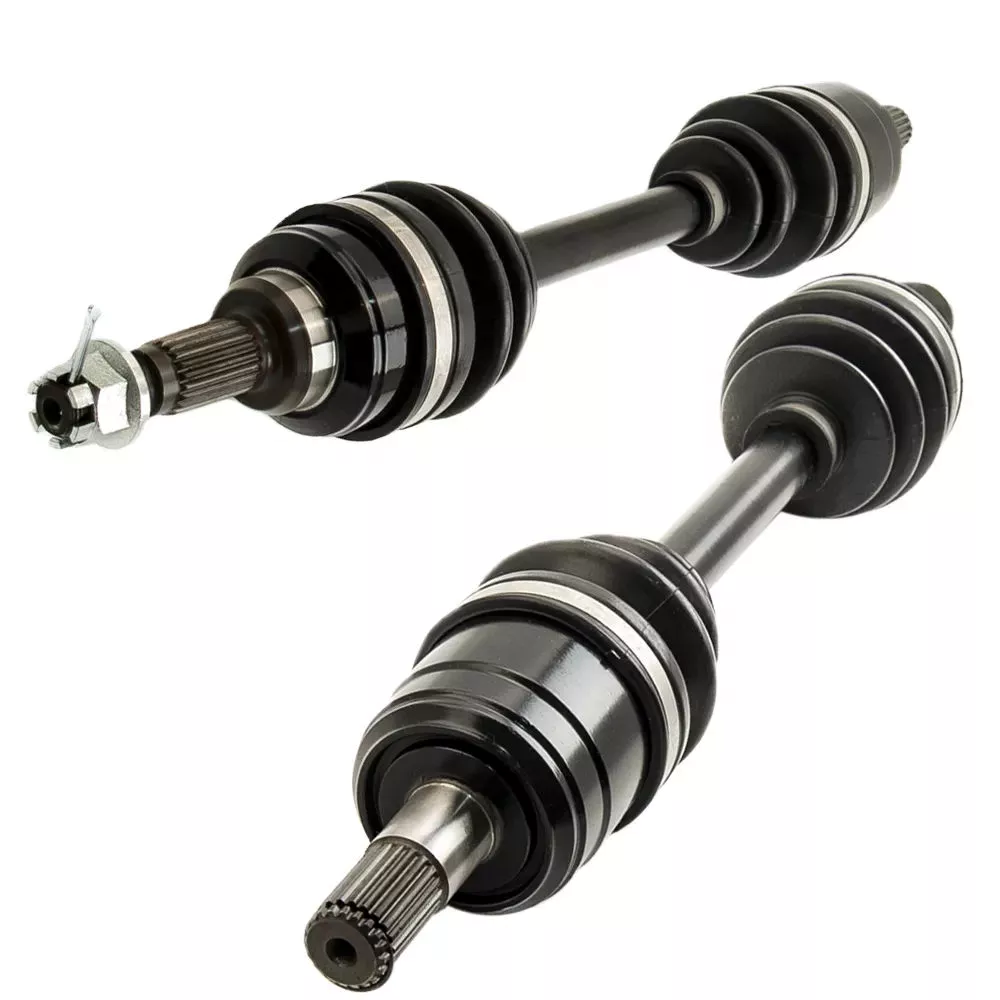
Voidaanko nivelakseleita räätälöidä tiettyjen koneiden ja tehovaatimusten mukaan?
Kyllä, voimanottoakseleita voidaan räätälöidä vastaamaan eri sovellusten koneiden ja tehovaatimusten erityispiirteitä. Valmistajat tarjoavat räätälöintivaihtoehtoja varmistaakseen, että voimanottoakselit räätälöidään tarkasti voimanlähteen, käytettävän koneiston ja aiotun sovelluksen mukaan. Tässä on yksityiskohtainen selitys siitä, miten voimanottoakseleita voidaan räätälöidä:
1. Akselin pituus: Voimanottoakseleita voidaan räätälöidä pituudeltaan erilaisten laitekokoonpanojen mukaan. Voimanottoakselin pituus on ratkaisevan tärkeä voimanlähteen ja käytettävän koneiston välisen oikean linjauksen ja kytkennän varmistamiseksi. Valmistajat voivat tarjota voimanottoakseleita säädettävillä tai kiinteäpituisilla vaihtoehtoilla, mikä mahdollistaa joustavuuden tiettyjen pituusvaatimusten täyttämisessä. Akselin pituuden mukauttaminen varmistaa, että voimanottoakseli sopii laitteeseen oikein, optimoi voimansiirron tehokkuuden ja vähentää linjausvirheiden tai liiallisen rasituksen riskiä.
2. Uran koot: Nivelakseleita on saatavana eri kokoisilla ura-akselilla, jotka sopivat erilaisten laitteiden tulo- ja lähtöakseleihin. Ura-akselin koon mukauttaminen mahdollistaa nivelakselin saumattoman liittämisen virtalähteeseen ja käytettävään koneistoon. Valmistajat voivat tarjota erilaisia ura-kokoonpanoja, kuten 1-3/8 tuumaa, 1-3/4 tuumaa tai metrisiä kokoja, tiettyjen koneiden vaatimusten täyttämiseksi. Ura-akselin koon mukauttaminen varmistaa oikean istuvuuden ja turvallisen liitoksen, mikä mahdollistaa tehokkaan voimansiirron ilman lisäsovittimia tai muutoksia.
3. Ikärakenteet: Voimanottoakseleita voidaan räätälöidä erilaisilla haarukkarakenteilla, jotka vastaavat voimanlähteen ja käytettävän koneen liitäntäpisteitä. Haarukka on komponentti, joka kiinnitetään akseliin ja yhdistetään laitteeseen. Valmistajat voivat tarjota erilaisia haarukkarakenteita, kuten pyöreitä, kolmionmuotoisia tai uritettuja haarukoita, varmistaakseen yhteensopivuuden tiettyjen koneiden kanssa. Haarukkarakenteen räätälöinti mahdollistaa turvallisen ja luotettavan liitännän, kohdistaa voimanottoakselin laitteen tulo-/lähtöakseleihin ja optimoi voimansiirron hyötysuhteen.
4. Vääntömomenttiarvot: Voimanottoakseleita voidaan räätälöidä käsittelemään tiettyjä vääntömomenttivaatimuksia sovelluksen tehovaatimusten perusteella. Vääntömomentti on pyörimisvoima, joka voimanottoakselin on siirrettävä voimanlähteestä käytettävään koneistoon. Valmistajat voivat suunnitella voimanottoakseleita erilaisilla vääntömomenttiarvoilla käyttämällä sopivia materiaaleja, mittoja ja vahvistustekniikoita. Vääntömomenttiarvon mukauttaminen varmistaa, että voimanottoakseli pystyy turvallisesti ja luotettavasti käsittelemään vaadittuja tehotasoja ilman ennenaikaista kulumista tai vikaantumista.
5. Kytkentämekanismit: Voimanottoakseleita voidaan räätälöidä erilaisilla kytkentämekanismeilla vastaamaan tiettyjen laitteiden kytkentävaatimuksia. Kytkinmekanismit ovat keinoja, joilla voimanottoakseli kytkeytyy voimanlähteeseen ja käytettävään koneeseen ja irtoaa niistä. Valmistajat voivat tarjota erilaisia kytkentävaihtoehtoja, kuten pikaliittimiä, murtotappikytkimiä tai mekaanisia lukituskytkimiä, erilaisten konemallien ja käyttötarpeiden mukaan. Kytkinmekanismin räätälöinti varmistaa helppokäyttöisyyden, turvallisen kiinnityksen ja nopean irrotuksen tarvittaessa.
6. Suojaavat ominaisuudet: Nivelakseleita voidaan räätälöidä lisäsuojaominaisuuksilla turvallisuuden ja kestävyyden parantamiseksi. Näitä ominaisuuksia voivat olla suojakilvet, turvakannet tai liukukytkimet. Suojakilvet ja turvakannet tarjoavat fyysistä suojaa sulkemalla pyörivän akselin ja estämällä vahingossa tapahtuvan kosketuksen, mikä vähentää loukkaantumisriskiä. Liukukytkimet tarjoavat ylikuormitussuojan sallimalla nivelakselin luistaa tai irrota, kun vääntömomentti tai vastus on liian suuri, estäen akselin ja siihen liittyvien laitteiden vaurioitumisen. Suojaominaisuuksien räätälöinti varmistaa turvallisuusmääräysten noudattamisen ja vastaa koneen tai sovelluksen erityisiin turvallisuusvaatimuksiin.
7. Materiaalivalinta: Nivelakseleita voidaan räätälöidä eri materiaaleista käyttötarkoituksen vaatimusten mukaan. Valmistajat voivat tarjota erilaisia materiaalivaihtoehtoja, kuten terästä, alumiinia tai komposiittimateriaaleja, joilla on vaihtelevat lujuus-, paino- ja korroosionkestävyysominaisuudet. Materiaalivalinnan räätälöinti mahdollistaa nivelakselin suorituskyvyn optimoinnin ottaen huomioon tekijät, kuten käyttöolosuhteet, ympäristölle altistuminen ja painorajoitukset.
Tarjoamalla räätälöintivaihtoehtoja, kuten akselin pituutta, urakoita, haarukkarakenteita, vääntömomentteja, kytkentämekanismeja, suojaominaisuuksia ja materiaalivalintoja, valmistajat voivat varmistaa, että nivelakselit on räätälöity erityisesti vastaamaan eri sovellusten koneisiin ja tehovaatimuksiin. Räätälöidyt nivelakselit helpottavat saumatonta integrointia, tehokasta voimansiirtoa ja luotettavaa toimintaa, mikä parantaa laitteiden yleistä suorituskykyä ja tuottavuutta.

Can you explain the different types of PTO shafts and their applications?
PTO shafts (Power Take-Off shafts) come in various types, each designed for specific applications and requirements. The different types of PTO shafts offer versatility and compatibility with a wide range of machinery and implements. Here’s an explanation of the most common types of PTO shafts and their applications:
1. Standard PTO Shaft: The standard PTO shaft, also known as a splined shaft, is the most common type used in agricultural and industrial machinery. It consists of a solid steel shaft with splines or grooves along its length. The standard PTO shaft typically has six splines, although variations with four or eight splines can be found. This type of PTO shaft is widely used in tractors and various implements, including mowers, balers, tillers, and rotary cutters. The splines provide a secure connection between the power source and the driven machinery, ensuring efficient power transfer.
2. Shear Bolt PTO Shaft: Shear bolt PTO shafts are designed with a safety feature that allows the shaft to separate in case of overload or sudden shock to protect the driveline components. These PTO shafts incorporate a shear bolt mechanism that connects the tractor’s power take-off to the driven machinery. In the event of excessive load or sudden resistance, the shear bolt is designed to break, disconnecting the PTO shaft and preventing damage to the driveline. Shear bolt PTO shafts are commonly used in equipment that may encounter sudden obstructions or high-stress situations, such as wood chippers, stump grinders, and heavy-duty rotary cutters.
3. Friction Clutch PTO Shaft: Friction clutch PTO shafts feature a clutch mechanism that allows for smooth engagement and disengagement of the power transfer. These PTO shafts typically incorporate a friction disc and a pressure plate, similar to a traditional vehicle clutch system. The friction clutch allows operators to gradually engage or disengage the power transfer, reducing shock loads and minimizing wear on the driveline components. Friction clutch PTO shafts are commonly used in applications where precise control of power engagement is required, such as in hydraulic pumps, generators, and industrial mixers.
4. Constant Velocity (CV) PTO Shaft: Constant Velocity (CV) PTO shafts, also known as homokinetic shafts, are designed to accommodate high angles of misalignment without affecting power transmission. They use a universal joint mechanism that allows for smooth power transfer even when the driven machinery is at an angle relative to the power source. CV PTO shafts are frequently used in applications where the machinery requires a significant range of movement or articulation, such as in articulated loaders, telescopic handlers, and self-propelled sprayers.
5. Telescopic PTO Shaft: Telescopic PTO shafts are adjustable in length, allowing for flexibility in equipment configuration and varying distances between the power source and the driven machinery. They consist of two or more concentric shafts that slide within each other, providing the ability to extend or retract the PTO shaft as needed. Telescopic PTO shafts are commonly used in applications where the distance between the tractor’s power take-off and the implement varies, such as in front-mounted implements, snow blowers, and self-loading wagons. The telescopic design enables easy adaptation to different equipment setups and minimizes the risk of the PTO shaft dragging on the ground.
6. Gearbox PTO Shaft: Gearbox PTO shafts are designed to adapt power transmission between different rotational speeds or directions. They incorporate a gearbox mechanism that allows for speed reduction or increase, as well as the ability to change rotational direction. Gearbox PTO shafts are commonly used in applications where the driven machinery requires a different speed or rotational direction than the tractor’s power take-off. Examples include grain augers, feed mixers, and industrial equipment that requires specific speed ratios or reversing capabilities.
It’s important to note that the availability and specific applications of PTO shaft types may vary based on regional and industry-specific factors. Additionally, certain machinery or implements may require specialized or custom PTO shafts to meet specific requirements.
In summary, the different types of PTO shafts, such as standard, shear bolt, friction clutch, constant velocity (CV), telescopic, and gearbox shafts, offer versatility and compatibility with various machinery and implements. Each type of PTO shaft is designed to address specific needs, such as power transfer efficiency, safety, smooth engagement, misalignment tolerance, adaptability, and speed/direction adjustment. Understanding the different types of PTO shafts and their applications is crucial for selecting the appropriate shaft forthe intended machinery and ensuring optimal performance and reliability.

editor by CX 2024-02-24























