
Tuotekuvaus
We Are Precision Metal Parts Manufacturer And We Providing Custom Processing Service. Send Us Drawings, We Will Feedback You Quotation Within 24 Hours
Precision Parts Display
Click Here Get More Information
Edut
Equipment
3-axis, 4-axis and full 5-axis processing equipment, CNC lathe, centering machine, turning and milling compound, wire cutting, EDM, grinding, etc
Processing
CNC machining, CNC Turning, CNC Milling, Welding, Laser Cutting, Bending, Spinning, Wire Cutting, Stamping, Electric Discharge Machining (EDM), Injection Molding
Materiaalit
Aluminum, metal, steel, metal, plastic, metal, brass, bronze, rubber, ceramic, cast iron, glass, copper, titanium, metal, titanium, steel, carbon fiber, etc
Toleranssi
+/-0.01mm, 100% QC quality inspection before delivery, can provide quality inspection form
Quality Assurance
ISO9001:2015, ISO13485:2016, SGS, RoHs, TUV
Toleranssi
Pintakäsittely
| Aluminum parts | Stainless Steel parts | Steel parts | Brass parts |
| Clear Anodized | Polishing | Zinc Plating | Nickel Plating |
| Color Anodized | Passivating | Oxide black | chrome plating |
| Sandblast Anodized | Sandblasting | Nickel Plating | Electrophoresis black |
| Chemical Film | Laser engraving | Chrome Plating | Oxide black |
| Brushing | Electrophoresis black | Carburized | Powder coated |
| Polishing | Oxide black | Heat treatment |
Machining Workshop
Tuotantoprosessi
Quality Guarantee
Click Here Get Free Quotation
Application industry
CNC Machining Parts Can Be Used in Many Industry
Aerospace/ Marine/ Metro/ Motorbike/ Automotive industries, Instruments & Meters, Office equipments, Home appliance, Medical equipments, Telecommunication, Electrical & Electronics, Fire detection system, etc
Areospace
Cylinder Heads, Turbochargers, Crankshafts, Connecting Rods Pistons, Bearing Caps, CV Joints, Steering Knuckles, Brake Calipers,Gears,Differential Housing, Axle Shafts
Auto&Motorcycle
Cylinder Heads, Turbochargers, Crankshafts, Connecting Rods Pistons,Bearing Caps, CV Joints, Steering Knuckles, Brake Calipers,Gears, Differential Housing, Axle Shafts
Energy
Drill Pipes and Casing, Impellers Casings, Pipe Control Valves, Shafts, Wellhead Equipment, Mud Pumps, Frac Pumps, Frac Tools,Rotor Shafts and disc
Robotics
Custom robotic end-effectors, Low-volume prototype, Pilot, Enclosures, Custom tooling, Fixturing
Medical Industry
Rotary Bearing Seal Rings for CZPT Knife,CT Scanner Frames,Mounting Brackets,Card Retainers for CT Scanners,Cooling Plenums for CT Scanners,Brackets for CT Scanners,Gearbox Components,Actuators,Large Shafts
Home Appliances
Screws, hinges, handles, slides, turntables, pneumatic rods, guide rails, steel drawers
Sertifioinnit
Usein kysytyt kysymykset
Q1. What kind of production service do you provide?
CNC machining, CNC Turning, CNC Milling, Welding, Laser Cutting, Bending, Spinning, Wire Cutting, Stamping, Electric Discharge Machining (EDM), Injection Molding, Simple Assembly and Various Metal Surface Treatment.
Q2. How about the lead time?
Mould : 3-5 weeks
Mass production : 3-4 weeks
Q3. How about your quality?
♦Our management and production executed strictly according to ISO9001 : 2008 quality System.
♦We will make the operation instruction once the sample is approval.
♦ We will 100% inspect the products before shipment.
♦If there is quality problem, we will supply the replacement by our shipping cost.
Q4. How long should we take for a quotation?
After receiving detail information we will quote within 24 hours
Q5. What is your quotation element?
Drawing or Sample, Material, finish and Quantity.
Q6. What is your payment term?
Mould : 50% prepaid, 50% after the mould finish, balance after sample approval.
Goods : 50% prepaid, balance T/T before shipment.
/* March 10, 2571 17:59:20 */!function(){function s(e,r){var a,o={};try{e&&e.split(“,”).forEach(function(e,t){e&&(a=e.match(/(.*?):(.*)$/))&&1
| Tyyppi: | Räätälöity |
|---|---|
| Käyttö: | Agricultural Products Processing, Farmland Infrastructure, Tillage, Harvester, Planting and Fertilization, Grain Threshing, Cleaning and Drying, Customized |
| Materiaali: | hiiliteräs |
| Virtalähde: | Räätälöity |
| Weight: | Räätälöity |
| Myynnin jälkeinen palvelu: | No |
| Samples: |
US$ 0.8/Piece
1 Piece(Min.Order) | |
|---|
| Mukauttaminen: |
Saatavilla
| Mukautettu pyyntö |
|---|
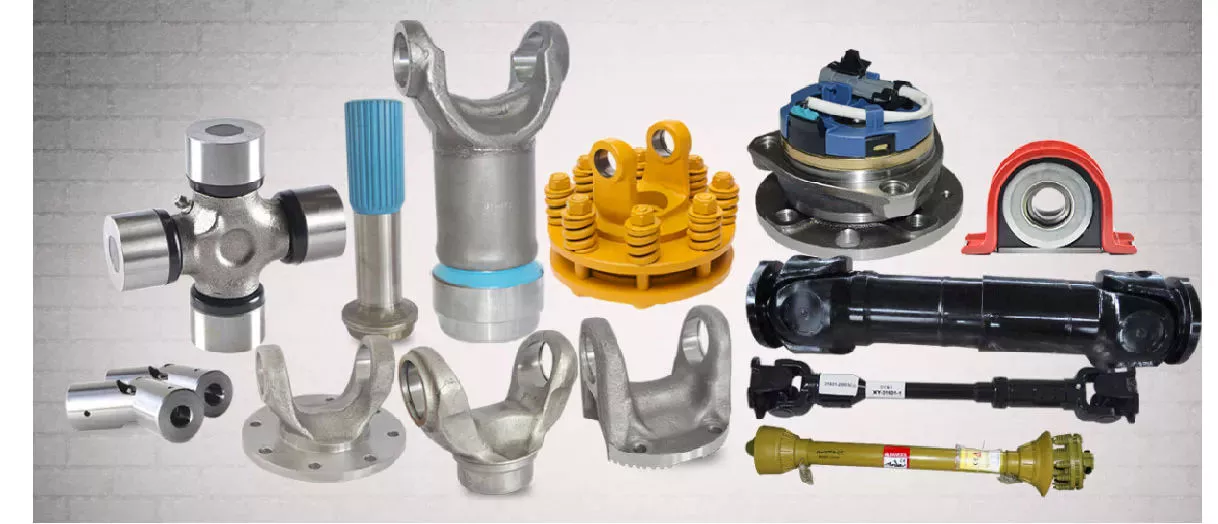
What factors should be considered when selecting the right drive shaft for an application?
When selecting the right drive shaft for an application, several factors need to be considered. The choice of drive shaft plays a crucial role in ensuring efficient and reliable power transmission. Here are the key factors to consider:
1. Teho- ja vääntömomenttivaatimukset:
The power and torque requirements of the application are essential considerations. It is crucial to determine the maximum torque that the drive shaft will need to transmit without failure or excessive deflection. This includes evaluating the power output of the engine or power source, as well as the torque demands of the driven components. Selecting a drive shaft with the appropriate diameter, material strength, and design is essential to ensure it can handle the expected torque levels without compromising performance or safety.
2. Operating Speed:
The operating speed of the drive shaft is another critical factor. The rotational speed affects the dynamic behavior of the drive shaft, including the potential for vibration, resonance, and critical speed limitations. It is important to choose a drive shaft that can operate within the desired speed range without encountering excessive vibrations or compromising the structural integrity. Factors such as the material properties, balance, and critical speed analysis should be considered to ensure the drive shaft can handle the required operating speed effectively.
3. Length and Alignment:
The length and alignment requirements of the application must be considered when selecting a drive shaft. The distance between the engine or power source and the driven components determines the required length of the drive shaft. In situations where there are significant variations in length or operating angles, telescopic drive shafts or multiple drive shafts with appropriate couplings or universal joints may be necessary. Proper alignment of the drive shaft is crucial to minimize vibrations, reduce wear and tear, and ensure efficient power transmission.
4. Space Limitations:
The available space within the application is an important factor to consider. The drive shaft must fit within the allocated space without interfering with other components or structures. It is essential to consider the overall dimensions of the drive shaft, including length, diameter, and any additional components such as joints or couplings. In some cases, custom or compact drive shaft designs may be required to accommodate space limitations while maintaining adequate power transmission capabilities.
5. Environmental Conditions:
The environmental conditions in which the drive shaft will operate should be evaluated. Factors such as temperature, humidity, corrosive agents, and exposure to contaminants can impact the performance and lifespan of the drive shaft. It is important to select materials and coatings that can withstand the specific environmental conditions to prevent corrosion, degradation, or premature failure of the drive shaft. Special considerations may be necessary for applications exposed to extreme temperatures, water, chemicals, or abrasive substances.
6. Application Type and Industry:
The specific application type and industry requirements play a significant role in drive shaft selection. Different industries, such as automotive, aerospace, industrial machinery, agriculture, or marine, have unique demands that need to be addressed. Understanding the specific needs and operating conditions of the application is crucial in determining the appropriate drive shaft design, materials, and performance characteristics. Compliance with industry standards and regulations may also be a consideration in certain applications.
7. Huolto ja huollettavuus:
The ease of maintenance and serviceability should be taken into account. Some drive shaft designs may require periodic inspection, lubrication, or replacement of components. Considering the accessibility of the drive shaft and associated maintenance requirements can help minimize downtime and ensure long-term reliability. Easy disassembly and reassembly of the drive shaft can also be beneficial for repair or component replacement.
By carefully considering these factors, one can select the right drive shaft for an application that meets the power transmission needs, operating conditions, and durability requirements, ultimately ensuring optimal performance and reliability.

Miten vetoakselit parantavat autojen ja kuorma-autojen suorituskykyä?
Vetoakseleilla on merkittävä rooli autojen ja kuorma-autojen suorituskyvyn parantamisessa. Ne vaikuttavat ajoneuvon suorituskyvyn eri osa-alueisiin, kuten tehonsiirtoon, pitoon, käsiteltävyyteen ja kokonaistehokkuuteen. Tässä on yksityiskohtainen selitys siitä, miten vetoakselit parantavat autojen ja kuorma-autojen suorituskykyä:
1. Virransyöttö:
Vetoakselit vastaavat voiman siirtämisestä moottorista pyöriin, mikä mahdollistaa ajoneuvon liikkumisen eteenpäin. Siirtämällä tehoa tehokkaasti ilman merkittäviä häviöitä vetoakselit varmistavat, että moottorin teho käytetään tehokkaasti, mikä parantaa kiihtyvyyttä ja kokonaissuorituskykyä. Hyvin suunnitellut vetoakselit, joilla on minimaalinen tehohäviö, edistävät ajoneuvon kykyä välittää tehoa pyöriin tehokkaasti.
2. Vääntömomentin siirto:
Vetoakselit helpottavat vääntömomentin siirtymistä moottorista pyöriin. Vääntömomentti on pyörimisvoima, joka ajaa ajoneuvoa eteenpäin. Korkealaatuiset vetoakselit, joilla on asianmukaiset vääntömomentin muuntamisominaisuudet, varmistavat, että moottorin tuottama vääntömomentti välittyy tehokkaasti pyöriin. Tämä parantaa ajoneuvon kykyä kiihdyttää nopeasti, vetää raskaita kuormia ja kiivetä jyrkissä mäissä, mikä parantaa kokonaissuorituskykyä.
3. Pito ja vakaus:
Vetoakselit edistävät autojen ja kuorma-autojen pitoa ja vakautta. Ne välittävät voiman pyörille, jolloin ne voivat kohdistaa voimaa tienpintaan. Tämä mahdollistaa ajoneuvon pidon säilyttämisen erityisesti kiihdytyksen aikana tai ajettaessa liukkaalla tai epätasaisella maastolla. Tehokas voimansiirto vetoakseleiden kautta parantaa ajoneuvon vakautta varmistamalla tasapainoisen voimanjaon kaikille pyörille, mikä parantaa hallintaa ja käsiteltävyyttä.
4. Käsittely ja ohjattavuus:
Vetoakseleilla on vaikutusta ajoneuvojen käsiteltävyyteen ja ohjattavuuteen. Ne auttavat luomaan suoran yhteyden moottorin ja pyörien välille, mikä mahdollistaa tarkan hallinnan ja herkän käsiteltävyyden. Hyvin suunnitellut vetoakselit, joissa on minimaalinen välys tai vastavirta, edistävät suorempaa ja välittömämpää vastetta kuljettajan liikkeisiin, mikä parantaa ajoneuvon ketteryyttä ja ohjattavuutta.
5. Painonpudotus:
Vetoakselit voivat auttaa vähentämään autojen ja kuorma-autojen painoa. Kevyet vetoakselit, jotka on valmistettu esimerkiksi alumiinista tai hiilikuituvahvisteisista komposiiteista, vähentävät ajoneuvon kokonaispainoa. Pienempi paino parantaa teho-painosuhdetta, mikä johtaa parempaan kiihtyvyyteen, käsiteltävyyteen ja polttoainetehokkuuteen. Lisäksi kevyet vetoakselit vähentävät pyörimismassaa, jolloin moottorin kierrokset nousevat nopeammin, mikä parantaa entisestään suorituskykyä.
6. Mekaaninen hyötysuhde:
Tehokkaat vetoakselit minimoivat energiahäviöitä voimansiirron aikana. Korkealaatuisten laakereiden, pienikitkaisten tiivisteiden ja optimoidun voitelun kaltaisten ominaisuuksien ansiosta vetoakselit vähentävät kitkaa ja minimoivat sisäisen vastuksesta johtuvat tehohäviöt. Tämä parantaa voimansiirtojärjestelmän mekaanista tehokkuutta, jolloin pyörille pääsee enemmän tehoa ja ajoneuvon kokonaissuorituskyky paranee.
7. Suorituskyvyn päivitykset:
Vetoakselin päivitykset voivat olla suosittu suorituskyvyn parannus harrastajien keskuudessa. Päivitetyt vetoakselit, kuten vahvemmista materiaaleista valmistetut tai suuremmalla vääntömomentilla varustetut, pystyvät käsittelemään muunneltujen moottoreiden suurempia tehoja. Nämä päivitykset mahdollistavat paremman suorituskyvyn, kuten paremman kiihtyvyyden, suuremmat huippunopeudet ja paremman ajodynamiikan.
8. Yhteensopivuus suorituskykymuutosten kanssa:
Suorituskyvyn muutokset, kuten moottorin päivitykset, tehonlisäys tai voimansiirtojärjestelmän muutokset, vaativat usein yhteensopivia vetoakseleita. Suurempia vääntömomentteja käsittelemään tai muokattuihin voimansiirtokokoonpanoihin mukautumaan suunnitellut vetoakselit varmistavat optimaalisen suorituskyvyn ja luotettavuuden. Ne mahdollistavat ajoneuvon tehokkaan tehon ja vääntömomentin hyödyntämisen, mikä parantaa suorituskykyä ja reagointikykyä.
9. Kestävyys ja luotettavuus:
Kestävät ja hyvin huolletut vetoakselit edistävät autojen ja kuorma-autojen kestävyyttä ja luotettavuutta. Ne on suunniteltu kestämään voimansiirtoon liittyviä rasituksia ja kuormia. Korkealaatuiset materiaalit, asianmukainen tasapainotus ja säännöllinen huolto varmistavat vetoakselien sujuvan toiminnan, mikä minimoi vikojen tai suorituskykyongelmien riskin. Luotettavat vetoakselit parantavat yleistä suorituskykyä tarjoamalla tasaisen tehonsyötön ja minimoimalla seisokkiajat.
10. Yhteensopivuus edistyneiden teknologioiden kanssa:
Vetoakselit kehittyvät ajoneuvotekniikan kehityksen tahdissa. Niitä integroidaan yhä enemmän edistyneisiin järjestelmiin, kuten hybridivoimansiirtoihin, sähkömoottoreihin ja regeneratiiviseen jarrutukseen. Näiden teknologioiden kanssa saumattomasti toimimaan suunnitellut vetoakselit maksimoivat niiden tehokkuuden ja suorituskyvyn hyödyt, mikä parantaa ajoneuvon kokonaissuorituskykyä.
Yhteenvetona voidaan todeta, että vetoakselit parantavat autojen ja kuorma-autojen suorituskykyä optimoimalla tehonsiirron, helpottamalla vääntömomentin siirtoa, parantamalla pitoa ja vakautta, parantamalla käsiteltävyyttä ja ohjattavuutta, vähentämällä painoa, lisäämällä mekaanista tehokkuutta ja mahdollistamalla yhteensopivuuden suorituskyvyn parannusten ja edistyneiden teknologioiden kanssa. Niillä on ratkaiseva rooli tehokkaan voimansiirron, reagoivan kiihtyvyyden, tarkan käsiteltävyyden ja ajoneuvojen yleisen suorituskyvyn parantamisessa.
How do drive shafts contribute to transferring rotational power in various applications?
Drive shafts play a crucial role in transferring rotational power from the engine or power source to the wheels or driven components in various applications. Whether it’s in vehicles or machinery, drive shafts enable efficient power transmission and facilitate the functioning of different systems. Here’s a detailed explanation of how drive shafts contribute to transferring rotational power:
1. Vehicle Applications:
In vehicles, drive shafts are responsible for transmitting rotational power from the engine to the wheels, enabling the vehicle to move. The drive shaft connects the gearbox or transmission output shaft to the differential, which further distributes the power to the wheels. As the engine generates torque, it is transferred through the drive shaft to the wheels, propelling the vehicle forward. This power transfer allows the vehicle to accelerate, maintain speed, and overcome resistance, such as friction and inclines.
2. Machinery Applications:
In machinery, drive shafts are utilized to transfer rotational power from the engine or motor to various driven components. For example, in industrial machinery, drive shafts may be used to transmit power to pumps, generators, conveyors, or other mechanical systems. In agricultural machinery, drive shafts are commonly employed to connect the power source to equipment such as harvesters, balers, or irrigation systems. Drive shafts enable these machines to perform their intended functions by delivering rotational power to the necessary components.
3. Power Transmission:
Drive shafts are designed to transmit rotational power efficiently and reliably. They are capable of transferring substantial amounts of torque from the engine to the wheels or driven components. The torque generated by the engine is transmitted through the drive shaft without significant power losses. By maintaining a rigid connection between the engine and the driven components, drive shafts ensure that the power produced by the engine is effectively utilized in performing useful work.
4. Joustava kytkentä:
One of the key functions of drive shafts is to provide a flexible coupling between the engine/transmission and the wheels or driven components. This flexibility allows the drive shaft to accommodate angular movement and compensate for misalignment between the engine and the driven system. In vehicles, as the suspension system moves or the wheels encounter uneven terrain, the drive shaft adjusts its length and angle to maintain a constant power transfer. This flexibility helps prevent excessive stress on the drivetrain components and ensures smooth power transmission.
5. Torque and Speed Transmission:
Drive shafts are responsible for transmitting both torque and rotational speed. Torque is the rotational force generated by the engine or power source, while rotational speed is the number of revolutions per minute (RPM). Drive shafts must be capable of handling the torque requirements of the application without excessive twisting or bending. Additionally, they need to maintain the desired rotational speed to ensure the proper functioning of the driven components. Proper design, material selection, and balancing of the drive shafts contribute to efficient torque and speed transmission.
6. Length and Balance:
The length and balance of drive shafts are critical factors in their performance. The length of the drive shaft is determined by the distance between the engine or power source and the driven components. It should be appropriately sized to avoid excessive vibrations or bending. Drive shafts are carefully balanced to minimize vibrations and rotational imbalances, which can affect the overall performance, comfort, and longevity of the drivetrain system.
7. Safety and Maintenance:
Drive shafts require proper safety measures and regular maintenance. In vehicles, drive shafts are often enclosed within a protective tube or housing to prevent contact with moving parts, reducing the risk of injury. Safety shields or guards may also be installed around exposed drive shafts in machinery to protect operators from potential hazards. Regular maintenance includes inspecting the drive shaft for wear, damage, or misalignment, and ensuring proper lubrication of the U-joints. These measures help prevent failures, ensure optimal performance, and extend the service life of the drive shaft.
In summary, drive shafts play a vital role in transferring rotational power in various applications. Whether in vehicles or machinery, drive shafts enable efficient power transmission from the engine or power source to the wheels or driven components. They provide a flexible coupling, handle torque and speed transmission, accommodate angular movement, and contribute to the safety and maintenance of the system. By effectively transferring rotational power, drive shafts facilitate the functioning and performance of vehicles and machinery in numerous industries.


editor by CX 2024-01-11























