
Tuotekuvaus
Tuotekuvaus
Ammattilaisena valmistaja potkuriakselille meillä on +1000 items for all kinds of car, At present, our products are mainly sold in North America, Europe, Australia, South Korea, the Middle East and Southeast Asia and other regions, applicable models are European cars, American cars, Japanese and Korean cars, etc.
Etumme:
1. Täydellinen tuotevalikoima
2. MOQ qty: 1pcs/esineet
3. Toimitus ajallaan
4: Takuu: 1 VUOSI
| OE NUMBER | 3401A018 |
| TYPE | MITSUBISHI Pajero V73 /V93/V77 rear 2003 auto |
| MATERIAL | STEEL |
| BALANCE STHangZhouRD | G16,3200RMP |
| Myynnin jälkeinen palvelu: | 1year |
|---|---|
| Kunto: | Uusi |
| Color: | Black |
| Mukauttaminen: |
Saatavilla
| Mukautettu pyyntö |
|---|
.shipping-cost-tm .tm-status-off{tausta: ei mitään;täyte:0;väri: #1470cc}
| Toimituskulut:
Arvioitu rahti yksikköä kohden. |
toimituskuluista ja arvioidusta toimitusajasta. |
|---|
| Maksutapa: |
|
|---|---|
|
Ensimmäinen maksu Täysi maksu |
| Valuutta: | US$ |
|---|
| Palautus ja hyvitykset: | Voit hakea hyvitystä 30 päivän kuluessa tuotteiden vastaanottamisesta. |
|---|
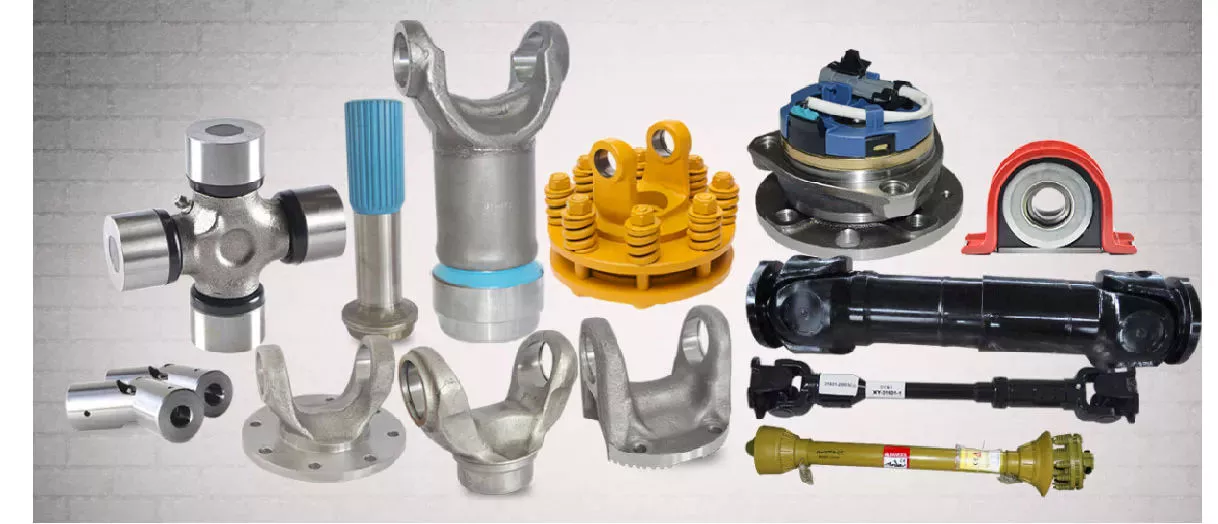
What factors should be considered when selecting the right drive shaft for an application?
When selecting the right drive shaft for an application, several factors need to be considered. The choice of drive shaft plays a crucial role in ensuring efficient and reliable power transmission. Here are the key factors to consider:
1. Teho- ja vääntömomenttivaatimukset:
The power and torque requirements of the application are essential considerations. It is crucial to determine the maximum torque that the drive shaft will need to transmit without failure or excessive deflection. This includes evaluating the power output of the engine or power source, as well as the torque demands of the driven components. Selecting a drive shaft with the appropriate diameter, material strength, and design is essential to ensure it can handle the expected torque levels without compromising performance or safety.
2. Operating Speed:
The operating speed of the drive shaft is another critical factor. The rotational speed affects the dynamic behavior of the drive shaft, including the potential for vibration, resonance, and critical speed limitations. It is important to choose a drive shaft that can operate within the desired speed range without encountering excessive vibrations or compromising the structural integrity. Factors such as the material properties, balance, and critical speed analysis should be considered to ensure the drive shaft can handle the required operating speed effectively.
3. Length and Alignment:
The length and alignment requirements of the application must be considered when selecting a drive shaft. The distance between the engine or power source and the driven components determines the required length of the drive shaft. In situations where there are significant variations in length or operating angles, telescopic drive shafts or multiple drive shafts with appropriate couplings or universal joints may be necessary. Proper alignment of the drive shaft is crucial to minimize vibrations, reduce wear and tear, and ensure efficient power transmission.
4. Space Limitations:
The available space within the application is an important factor to consider. The drive shaft must fit within the allocated space without interfering with other components or structures. It is essential to consider the overall dimensions of the drive shaft, including length, diameter, and any additional components such as joints or couplings. In some cases, custom or compact drive shaft designs may be required to accommodate space limitations while maintaining adequate power transmission capabilities.
5. Environmental Conditions:
The environmental conditions in which the drive shaft will operate should be evaluated. Factors such as temperature, humidity, corrosive agents, and exposure to contaminants can impact the performance and lifespan of the drive shaft. It is important to select materials and coatings that can withstand the specific environmental conditions to prevent corrosion, degradation, or premature failure of the drive shaft. Special considerations may be necessary for applications exposed to extreme temperatures, water, chemicals, or abrasive substances.
6. Application Type and Industry:
The specific application type and industry requirements play a significant role in drive shaft selection. Different industries, such as automotive, aerospace, industrial machinery, agriculture, or marine, have unique demands that need to be addressed. Understanding the specific needs and operating conditions of the application is crucial in determining the appropriate drive shaft design, materials, and performance characteristics. Compliance with industry standards and regulations may also be a consideration in certain applications.
7. Huolto ja huollettavuus:
The ease of maintenance and serviceability should be taken into account. Some drive shaft designs may require periodic inspection, lubrication, or replacement of components. Considering the accessibility of the drive shaft and associated maintenance requirements can help minimize downtime and ensure long-term reliability. Easy disassembly and reassembly of the drive shaft can also be beneficial for repair or component replacement.
By carefully considering these factors, one can select the right drive shaft for an application that meets the power transmission needs, operating conditions, and durability requirements, ultimately ensuring optimal performance and reliability.

Miten vetoakselit parantavat autojen ja kuorma-autojen suorituskykyä?
Vetoakseleilla on merkittävä rooli autojen ja kuorma-autojen suorituskyvyn parantamisessa. Ne vaikuttavat ajoneuvon suorituskyvyn eri osa-alueisiin, kuten tehonsiirtoon, pitoon, käsiteltävyyteen ja kokonaistehokkuuteen. Tässä on yksityiskohtainen selitys siitä, miten vetoakselit parantavat autojen ja kuorma-autojen suorituskykyä:
1. Virransyöttö:
Vetoakselit vastaavat voiman siirtämisestä moottorista pyöriin, mikä mahdollistaa ajoneuvon liikkumisen eteenpäin. Siirtämällä tehoa tehokkaasti ilman merkittäviä häviöitä vetoakselit varmistavat, että moottorin teho käytetään tehokkaasti, mikä parantaa kiihtyvyyttä ja kokonaissuorituskykyä. Hyvin suunnitellut vetoakselit, joilla on minimaalinen tehohäviö, edistävät ajoneuvon kykyä välittää tehoa pyöriin tehokkaasti.
2. Vääntömomentin siirto:
Vetoakselit helpottavat vääntömomentin siirtymistä moottorista pyöriin. Vääntömomentti on pyörimisvoima, joka ajaa ajoneuvoa eteenpäin. Korkealaatuiset vetoakselit, joilla on asianmukaiset vääntömomentin muuntamisominaisuudet, varmistavat, että moottorin tuottama vääntömomentti välittyy tehokkaasti pyöriin. Tämä parantaa ajoneuvon kykyä kiihdyttää nopeasti, vetää raskaita kuormia ja kiivetä jyrkissä mäissä, mikä parantaa kokonaissuorituskykyä.
3. Pito ja vakaus:
Vetoakselit edistävät autojen ja kuorma-autojen pitoa ja vakautta. Ne välittävät voiman pyörille, jolloin ne voivat kohdistaa voimaa tienpintaan. Tämä mahdollistaa ajoneuvon pidon säilyttämisen erityisesti kiihdytyksen aikana tai ajettaessa liukkaalla tai epätasaisella maastolla. Tehokas voimansiirto vetoakseleiden kautta parantaa ajoneuvon vakautta varmistamalla tasapainoisen voimanjaon kaikille pyörille, mikä parantaa hallintaa ja käsiteltävyyttä.
4. Käsittely ja ohjattavuus:
Vetoakseleilla on vaikutusta ajoneuvojen käsiteltävyyteen ja ohjattavuuteen. Ne auttavat luomaan suoran yhteyden moottorin ja pyörien välille, mikä mahdollistaa tarkan hallinnan ja herkän käsiteltävyyden. Hyvin suunnitellut vetoakselit, joissa on minimaalinen välys tai vastavirta, edistävät suorempaa ja välittömämpää vastetta kuljettajan liikkeisiin, mikä parantaa ajoneuvon ketteryyttä ja ohjattavuutta.
5. Painonpudotus:
Vetoakselit voivat auttaa vähentämään autojen ja kuorma-autojen painoa. Kevyet vetoakselit, jotka on valmistettu esimerkiksi alumiinista tai hiilikuituvahvisteisista komposiiteista, vähentävät ajoneuvon kokonaispainoa. Pienempi paino parantaa teho-painosuhdetta, mikä johtaa parempaan kiihtyvyyteen, käsiteltävyyteen ja polttoainetehokkuuteen. Lisäksi kevyet vetoakselit vähentävät pyörimismassaa, jolloin moottorin kierrokset nousevat nopeammin, mikä parantaa entisestään suorituskykyä.
6. Mekaaninen hyötysuhde:
Tehokkaat vetoakselit minimoivat energiahäviöitä voimansiirron aikana. Korkealaatuisten laakereiden, pienikitkaisten tiivisteiden ja optimoidun voitelun kaltaisten ominaisuuksien ansiosta vetoakselit vähentävät kitkaa ja minimoivat sisäisen vastuksesta johtuvat tehohäviöt. Tämä parantaa voimansiirtojärjestelmän mekaanista tehokkuutta, jolloin pyörille pääsee enemmän tehoa ja ajoneuvon kokonaissuorituskyky paranee.
7. Suorituskyvyn päivitykset:
Vetoakselin päivitykset voivat olla suosittu suorituskyvyn parannus harrastajien keskuudessa. Päivitetyt vetoakselit, kuten vahvemmista materiaaleista valmistetut tai suuremmalla vääntömomentilla varustetut, pystyvät käsittelemään muunneltujen moottoreiden suurempia tehoja. Nämä päivitykset mahdollistavat paremman suorituskyvyn, kuten paremman kiihtyvyyden, suuremmat huippunopeudet ja paremman ajodynamiikan.
8. Yhteensopivuus suorituskykymuutosten kanssa:
Suorituskyvyn muutokset, kuten moottorin päivitykset, tehonlisäys tai voimansiirtojärjestelmän muutokset, vaativat usein yhteensopivia vetoakseleita. Suurempia vääntömomentteja käsittelemään tai muokattuihin voimansiirtokokoonpanoihin mukautumaan suunnitellut vetoakselit varmistavat optimaalisen suorituskyvyn ja luotettavuuden. Ne mahdollistavat ajoneuvon tehokkaan tehon ja vääntömomentin hyödyntämisen, mikä parantaa suorituskykyä ja reagointikykyä.
9. Kestävyys ja luotettavuus:
Kestävät ja hyvin huolletut vetoakselit edistävät autojen ja kuorma-autojen kestävyyttä ja luotettavuutta. Ne on suunniteltu kestämään voimansiirtoon liittyviä rasituksia ja kuormia. Korkealaatuiset materiaalit, asianmukainen tasapainotus ja säännöllinen huolto varmistavat vetoakselien sujuvan toiminnan, mikä minimoi vikojen tai suorituskykyongelmien riskin. Luotettavat vetoakselit parantavat yleistä suorituskykyä tarjoamalla tasaisen tehonsyötön ja minimoimalla seisokkiajat.
10. Yhteensopivuus edistyneiden teknologioiden kanssa:
Vetoakselit kehittyvät ajoneuvotekniikan kehityksen tahdissa. Niitä integroidaan yhä enemmän edistyneisiin järjestelmiin, kuten hybridivoimansiirtoihin, sähkömoottoreihin ja regeneratiiviseen jarrutukseen. Näiden teknologioiden kanssa saumattomasti toimimaan suunnitellut vetoakselit maksimoivat niiden tehokkuuden ja suorituskyvyn hyödyt, mikä parantaa ajoneuvon kokonaissuorituskykyä.
Yhteenvetona voidaan todeta, että vetoakselit parantavat autojen ja kuorma-autojen suorituskykyä optimoimalla tehonsiirron, helpottamalla vääntömomentin siirtoa, parantamalla pitoa ja vakautta, parantamalla käsiteltävyyttä ja ohjattavuutta, vähentämällä painoa, lisäämällä mekaanista tehokkuutta ja mahdollistamalla yhteensopivuuden suorituskyvyn parannusten ja edistyneiden teknologioiden kanssa. Niillä on ratkaiseva rooli tehokkaan voimansiirron, reagoivan kiihtyvyyden, tarkan käsiteltävyyden ja ajoneuvojen yleisen suorituskyvyn parantamisessa.
Can you explain the different types of drive shafts and their specific applications?
Drive shafts come in various types, each designed to suit specific applications and requirements. The choice of drive shaft depends on factors such as the type of vehicle or equipment, power transmission needs, space limitations, and operating conditions. Here’s an explanation of the different types of drive shafts and their specific applications:
1. Solid Shaft:
A solid shaft, also known as a one-piece or solid-steel drive shaft, is a single, uninterrupted shaft that runs from the engine or power source to the driven components. It is a simple and robust design used in many applications. Solid shafts are commonly found in rear-wheel-drive vehicles, where they transmit power from the transmission to the rear axle. They are also used in industrial machinery, such as pumps, generators, and conveyors, where a straight and rigid power transmission is required.
2. Tubular Shaft:
Tubular shafts, also called hollow shafts, are drive shafts with a cylindrical tube-like structure. They are constructed with a hollow core and are typically lighter than solid shafts. Tubular shafts offer benefits such as reduced weight, improved torsional stiffness, and better damping of vibrations. They find applications in various vehicles, including cars, trucks, and motorcycles, as well as in industrial equipment and machinery. Tubular drive shafts are commonly used in front-wheel-drive vehicles, where they connect the transmission to the front wheels.
3. Constant Velocity (CV) Shaft:
Constant Velocity (CV) shafts are specifically designed to handle angular movement and maintain a constant velocity between the engine/transmission and the driven components. They incorporate CV joints at both ends, which allow flexibility and compensation for changes in angle. CV shafts are commonly used in front-wheel-drive and all-wheel-drive vehicles, as well as in off-road vehicles and certain heavy machinery. The CV joints enable smooth power transmission even when the wheels are turned or the suspension moves, reducing vibrations and improving overall performance.
4. Slip Joint Shaft:
Slip joint shafts, also known as telescopic shafts, consist of two or more tubular sections that can slide in and out of each other. This design allows for length adjustment, accommodating changes in distance between the engine/transmission and the driven components. Slip joint shafts are commonly used in vehicles with long wheelbases or adjustable suspension systems, such as some trucks, buses, and recreational vehicles. By providing flexibility in length, slip joint shafts ensure a constant power transfer, even when the vehicle chassis experiences movement or changes in suspension geometry.
5. Double Cardan Shaft:
A double Cardan shaft, also referred to as a double universal joint shaft, is a type of drive shaft that incorporates two universal joints. This configuration helps to reduce vibrations and minimize the operating angles of the joints, resulting in smoother power transmission. Double Cardan shafts are commonly used in heavy-duty applications, such as trucks, off-road vehicles, and agricultural machinery. They are particularly suitable for applications with high torque requirements and large operating angles, providing enhanced durability and performance.
6. Composite Shaft:
Composite shafts are made from composite materials such as carbon fiber or fiberglass, offering advantages such as reduced weight, improved strength, and resistance to corrosion. Composite drive shafts are increasingly being used in high-performance vehicles, sports cars, and racing applications, where weight reduction and enhanced power-to-weight ratio are critical. The composite construction allows for precise tuning of stiffness and damping characteristics, resulting in improved vehicle dynamics and drivetrain efficiency.
7. PTO Shaft:
Power Take-Off (PTO) shafts are specialized drive shafts used in agricultural machinery and certain industrial equipment. They are designed to transfer power from the engine or power source to various attachments, such as mowers, balers, or pumps. PTO shafts typically have a splined connection at one end to connect to the power source and a universal joint at the other end to accommodate angular movement. They are characterized by their ability to transmit high torque levels and their compatibility with a range of driven implements.
8. Marine Shaft:
Marine shafts, also known as propeller shafts or tail shafts, are specifically designed for marine vessels. They transmit power from the engine to the propeller, enabling propulsion. Marine shafts are usually long and operate in a harsh environment, exposed to water, corrosion, and high torque loads. They are typically made of stainless steel or other corrosion-resistant materials and are designed to withstand the challenging conditions encountered in marine applications.
It’simportant to note that the specific applications of drive shafts may vary depending on the vehicle or equipment manufacturer, as well as the specific design and engineering requirements. The examples provided above highlight common applications for each type of drive shaft, but there may be additional variations and specialized designs based on specific industry needs and technological advancements.


editor by CX 2023-12-04























