
Tuotekuvaus
Tuotekuvaus
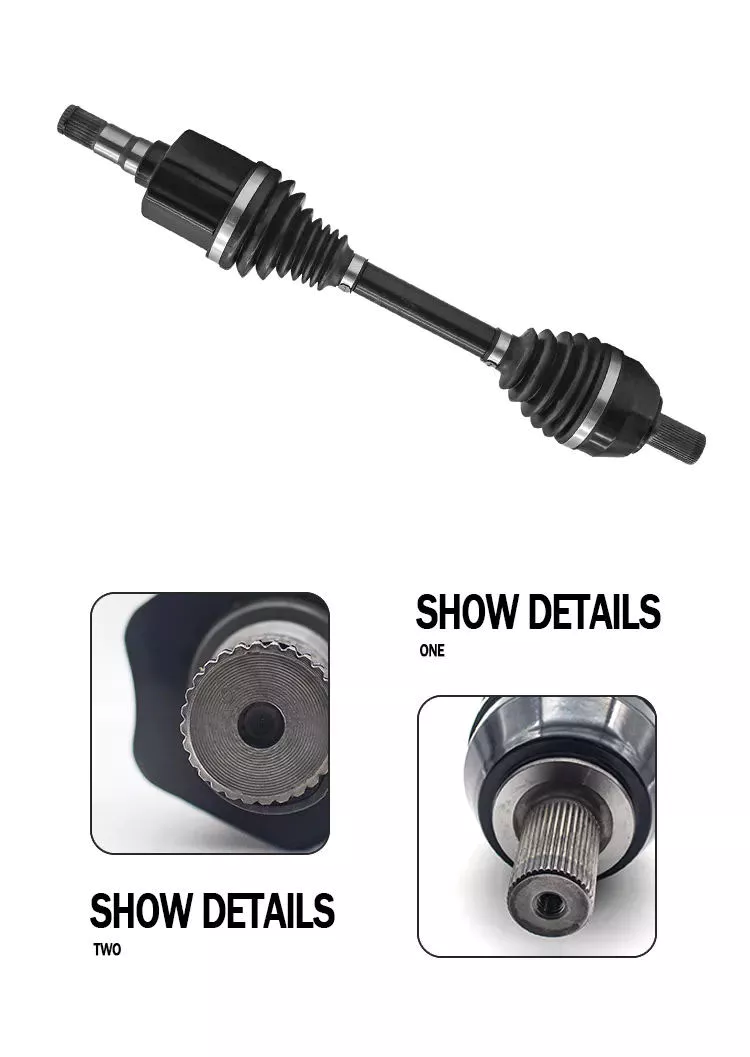
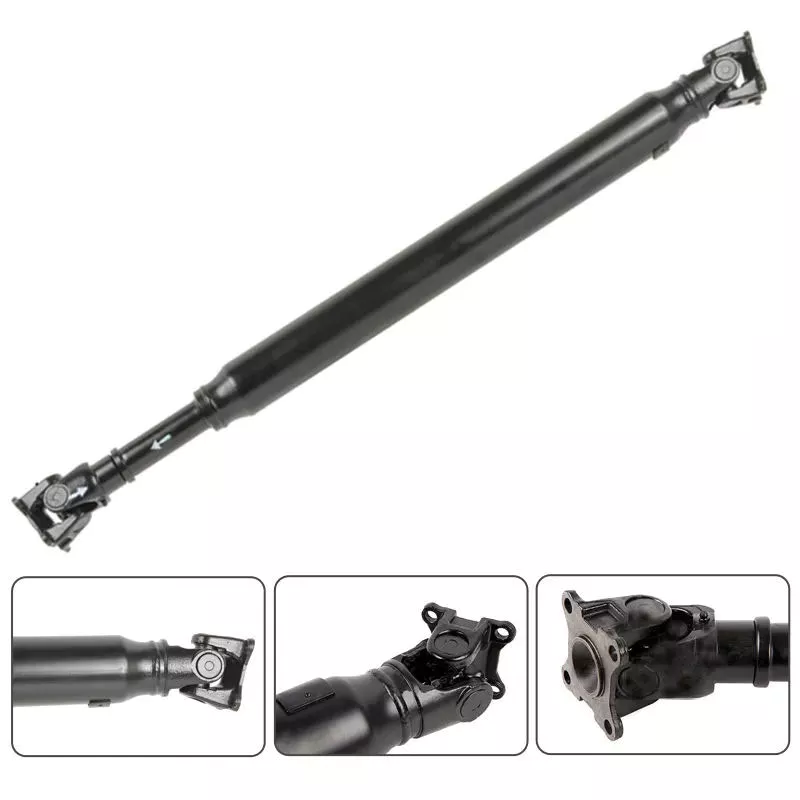
Ammattilaisena valmistaja potkuriakselille meillä on +1000 items for all kinds of car, At present, our products are mainly sold in North America, Europe, Australia, South Korea, the Middle East and Southeast Asia and other regions, applicable models are European cars, American cars, Japanese and Korean cars, etc.
Etumme:
1. Täydellinen tuotevalikoima
2. MOQ qty: 1pcs/esineet
3. Toimitus ajallaan
4: Takuu: 1 VUOSI
| OE NUMBER | 3401A018 |
| TYPE | MITSUBISHI Pajero V73 /V93/V77 rear 2003 auto |
| MATERIAL | STEEL |
| BALANCE STHangZhouRD | G16,3200RMP |
| Myynnin jälkeinen palvelu: | 1year |
|---|---|
| Kunto: | Uusi |
| Color: | Black |
| Mukauttaminen: |
Saatavilla
| Mukautettu pyyntö |
|---|
.shipping-cost-tm .tm-status-off{tausta: ei mitään;täyte:0;väri: #1470cc}
| Toimituskulut:
Arvioitu rahti yksikköä kohden. |
toimituskuluista ja arvioidusta toimitusajasta. |
|---|
| Maksutapa: |
|
|---|---|
|
Ensimmäinen maksu Täysi maksu |
| Valuutta: | US$ |
|---|
| Palautus ja hyvitykset: | Voit hakea hyvitystä 30 päivän kuluessa tuotteiden vastaanottamisesta. |
|---|
Are there any limitations or disadvantages associated with drive shafts?
While drive shafts are widely used and offer several advantages, they also have certain limitations and disadvantages that should be considered. Here’s a detailed explanation of the limitations and disadvantages associated with drive shafts:
1. Length and Misalignment Constraints:
Drive shafts have a maximum practical length due to factors such as material strength, weight considerations, and the need to maintain rigidity and minimize vibrations. Longer drive shafts can be prone to increased bending and torsional deflection, leading to reduced efficiency and potential driveline vibrations. Additionally, drive shafts require proper alignment between the driving and driven components. Misalignment can cause increased wear, vibrations, and premature failure of the drive shaft or its associated components.
2. Limited Operating Angles:
Drive shafts, especially those using U-joints, have limitations on operating angles. U-joints are typically designed to operate within specific angular ranges, and operating beyond these limits can result in reduced efficiency, increased vibrations, and accelerated wear. In applications requiring large operating angles, constant velocity (CV) joints are often used to maintain a constant speed and accommodate greater angles. However, CV joints may introduce higher complexity and cost compared to U-joints.
3. Maintenance Requirements:
Drive shafts require regular maintenance to ensure optimal performance and reliability. This includes periodic inspection, lubrication of joints, and balancing if necessary. Failure to perform routine maintenance can lead to increased wear, vibrations, and potential driveline issues. Maintenance requirements should be considered in terms of time and resources when using drive shafts in various applications.
4. Noise and Vibration:
Drive shafts can generate noise and vibrations, especially at high speeds or when operating at certain resonant frequencies. Imbalances, misalignment, worn joints, or other factors can contribute to increased noise and vibrations. These vibrations may affect the comfort of vehicle occupants, contribute to component fatigue, and require additional measures such as dampers or vibration isolation systems to mitigate their effects.
5. Weight and Space Constraints:
Drive shafts add weight to the overall system, which can be a consideration in weight-sensitive applications, such as automotive or aerospace industries. Additionally, drive shafts require physical space for installation. In compact or tightly packaged equipment or vehicles, accommodating the necessary drive shaft length and clearances can be challenging, requiring careful design and integration considerations.
6. Cost Considerations:
Drive shafts, depending on their design, materials, and manufacturing processes, can involve significant costs. Customized or specialized drive shafts tailored to specific equipment requirements may incur higher expenses. Additionally, incorporating advanced joint configurations, such as CV joints, can add complexity and cost to the drive shaft system.
7. Inherent Power Loss:
Drive shafts transmit power from the driving source to the driven components, but they also introduce some inherent power loss due to friction, bending, and other factors. This power loss can reduce overall system efficiency, particularly in long drive shafts or applications with high torque requirements. It is important to consider power loss when determining the appropriate drive shaft design and specifications.
8. Limited Torque Capacity:
While drive shafts can handle a wide range of torque loads, there are limits to their torque capacity. Exceeding the maximum torque capacity of a drive shaft can lead to premature failure, resulting in downtime and potential damage to other driveline components. It is crucial to select a drive shaft with sufficient torque capacity for the intended application.
Despite these limitations and disadvantages, drive shafts remain a widely used and effective means of power transmission in various industries. Manufacturers continuously work to address these limitations through advancements in materials, design techniques, joint configurations, and balancing processes. By carefully considering the specific application requirements and potential drawbacks, engineers and designers can mitigate the limitations and maximize the benefits of drive shafts in their respective systems.
Can drive shafts be customized for specific vehicle or equipment requirements?
Yes, drive shafts can be customized to meet specific vehicle or equipment requirements. Customization allows manufacturers to tailor the design, dimensions, materials, and other parameters of the drive shaft to ensure compatibility and optimal performance within a particular vehicle or equipment. Here’s a detailed explanation of how drive shafts can be customized:
1. Dimensional Customization:
Drive shafts can be customized to match the dimensional requirements of the vehicle or equipment. This includes adjusting the overall length, diameter, and spline configuration to ensure proper fitment and clearances within the specific application. By customizing the dimensions, the drive shaft can be seamlessly integrated into the driveline system without any interference or limitations.
2. Material Selection:
The choice of materials for drive shafts can be customized based on the specific requirements of the vehicle or equipment. Different materials, such as steel alloys, aluminum alloys, or specialized composites, can be selected to optimize strength, weight, and durability. The material selection can be tailored to meet the torque, speed, and operating conditions of the application, ensuring the drive shaft’s reliability and longevity.
3. Joint Configuration:
Drive shafts can be customized with different joint configurations to accommodate specific vehicle or equipment requirements. For example, universal joints (U-joints) may be suitable for applications with lower operating angles and moderate torque demands, while constant velocity (CV) joints are often used in applications requiring higher operating angles and smoother power transmission. The choice of joint configuration depends on factors such as operating angle, torque capacity, and desired performance characteristics.
4. Torque and Power Capacity:
Customization allows drive shafts to be designed with the appropriate torque and power capacity for the specific vehicle or equipment. Manufacturers can analyze the torque requirements, operating conditions, and safety margins of the application to determine the optimal torque rating and power capacity of the drive shaft. This ensures that the drive shaft can handle the required loads without experiencing premature failure or performance issues.
5. Balancing and Vibration Control:
Drive shafts can be customized with precision balancing and vibration control measures. Imbalances in the drive shaft can lead to vibrations, increased wear, and potential driveline issues. By employing dynamic balancing techniques during the manufacturing process, manufacturers can minimize vibrations and ensure smooth operation. Additionally, vibration dampers or isolation systems can be integrated into the drive shaft design to further mitigate vibrations and enhance overall system performance.
6. Integration and Mounting Considerations:
Customization of drive shafts takes into account the integration and mounting requirements of the specific vehicle or equipment. Manufacturers work closely with the vehicle or equipment designers to ensure that the drive shaft fits seamlessly into the driveline system. This includes adapting the mounting points, interfaces, and clearances to ensure proper alignment and installation of the drive shaft within the vehicle or equipment.
7. Collaboration and Feedback:
Manufacturers often collaborate with vehicle manufacturers, OEMs (Original Equipment Manufacturers), or end-users to gather feedback and incorporate their specific requirements into the drive shaft customization process. By actively seeking input and feedback, manufacturers can address specific needs, optimize performance, and ensure compatibility with the vehicle or equipment. This collaborative approach enhances the customization process and results in drive shafts that meet the exact requirements of the application.
8. Compliance with Standards:
Customized drive shafts can be designed to comply with relevant industry standards and regulations. Compliance with standards, such as ISO (International Organization for Standardization) or specific industry standards, ensures that the customized drive shafts meet quality, safety, and performance requirements. Adhering to these standards provides assurance that the drive shafts are compatible and can be seamlessly integrated into the specific vehicle or equipment.
In summary, drive shafts can be customized to meet specific vehicle or equipment requirements through dimensional customization, material selection, joint configuration, torque and power capacity optimization, balancing and vibration control, integration and mounting considerations, collaboration with stakeholders, and compliance with industry standards. Customization allows drive shafts to be precisely tailored to the needs of the application, ensuring compatibility, reliability, and optimal performance.

Mitä etuja vetoakselit tarjoavat erityyppisille ajoneuvoille ja laitteille?
Vetoakseleilla on useita etuja erityyppisille ajoneuvoille ja laitteille. Niillä on ratkaiseva rooli voimansiirrossa ja ne vaikuttavat eri järjestelmien yleiseen suorituskykyyn, tehokkuuteen ja toimivuuteen. Tässä on yksityiskohtainen selitys vetoakseleiden tarjoamista eduista:
1. Tehokas voimansiirto:
Vetoakselit mahdollistavat tehokkaan voimansiirron moottorista tai voimanlähteestä pyöriin tai muihin käytettyihin osiin. Yhdistämällä moottorin tai sähkömoottorin käytettävään järjestelmään vetoakselit siirtävät tehokkaasti pyörimisvoimaa, jolloin ajoneuvot ja laitteet voivat suorittaa tarkoitetut tehtävänsä. Tämä tehokas voimansiirto varmistaa, että moottorin tuottama teho käytetään tehokkaasti, mikä optimoi järjestelmän kokonaissuorituskyvyn ja tuottavuuden.
2. Monipuolisuus:
Vetoakseleiden käyttökohteet ovat monipuolisia. Niitä käytetään erityyppisissä ajoneuvoissa, kuten autoissa, kuorma-autoissa, moottoripyörissä ja maastoajoneuvoissa. Lisäksi vetoakseleita käytetään monenlaisissa laitteissa ja koneissa, kuten maatalouskoneissa, rakennuskoneissa, teollisuuskoneissa ja aluksissa. Kyky sopeutua erityyppisiin ajoneuvoihin ja laitteisiin tekee vetoakseleista monipuolisen komponentin voimansiirtoon.
3. Vääntömomentin käsittely:
Vetoakselit on suunniteltu käsittelemään suuria vääntömomentteja. Vääntömomentti on moottorin tai voimanlähteen tuottama pyörimisvoima. Vetoakselit on suunniteltu siirtämään tämä vääntömomentti tehokkaasti ilman liiallista vääntymistä tai taipumista. Käsittelemällä vääntömomenttia tehokkaasti vetoakselit varmistavat, että moottorin tuottama teho siirtyy luotettavasti pyöriin tai muihin käytettyihin osiin, jolloin ajoneuvot ja laitteet pystyvät voittamaan vastukset, kuten raskaat kuormat tai haastava maasto.
4. Joustavuus ja palkkaus:
Vetoakselit tarjoavat joustavuutta ja kompensoivat kulmaliikkeitä ja linjausvirheitä. Ajoneuvoissa vetoakselit mukautuvat jousitusjärjestelmän liikkeeseen, jolloin pyörät voivat liikkua ylös ja alas itsenäisesti. Tämä joustavuus varmistaa jatkuvan voimansiirron myös epätasaisessa maastossa. Vastaavasti koneissa vetoakselit kompensoivat moottorin ja käytettyjen komponenttien välisiä linjausvirheitä varmistaen tasaisen voimansiirron ja estäen voimansiirron liiallisen rasituksen.
5. Painonpudotus:
Vetoakselit auttavat vähentämään ajoneuvojen ja laitteiden painoa. Verrattuna muihin voimansiirtomuotoihin, kuten hihna- tai ketjukäyttöihin, vetoakselit ovat tyypillisesti kevyempiä. Tämä painonalennus auttaa parantamaan ajoneuvojen polttoainetehokkuutta ja vähentää laitteiden kokonaispainoa, mikä johtaa parempaan ohjattavuuteen ja suurempaan hyötykuormaan. Lisäksi kevyemmät vetoakselit parantavat teho-painosuhdetta, mikä puolestaan parantaa suorituskykyä ja kiihtyvyyttä.
6. Kestävyys ja pitkäikäisyys:
Vetoakselit on suunniteltu kestäviksi ja pitkäikäisiksi. Ne on valmistettu materiaaleista, kuten teräksestä tai alumiinista, jotka ovat erittäin lujia ja kestävät kulumista ja väsymistä. Vetoakselit käyvät läpi tiukat testit ja laadunvalvontatoimenpiteet niiden luotettavuuden ja pitkäikäisyyden varmistamiseksi. Asianmukainen huolto, mukaan lukien voitelu ja säännölliset tarkastukset, parantaa entisestään niiden kestävyyttä. Vetoakselien kestävä rakenne ja pitkä käyttöikä edistävät ajoneuvojen ja laitteiden yleistä luotettavuutta ja kustannustehokkuutta.
7. Turvallisuus:
Vetoakseleissa on turvaominaisuuksia käyttäjien ja sivullisten suojaamiseksi. Ajoneuvoissa vetoakselit on usein suljettu suojaputkeen tai -koteloon, mikä estää kosketuksen liikkuviin osiin ja vähentää loukkaantumisriskiä vikaantumisen sattuessa. Vastaavasti koneissa suojalevyjä asennetaan yleisesti paljaiden vetoakselien ympärille pyöriviin osiin liittyvien mahdollisten vaarojen minimoimiseksi. Nämä turvatoimenpiteet varmistavat ajoneuvojen ja laitteiden läheisyydessä työskentelevien henkilöiden hyvinvoinnin.
Yhteenvetona voidaan todeta, että vetoakselit tarjoavat useita etuja erityyppisille ajoneuvoille ja laitteille. Ne mahdollistavat tehokkaan voimansiirron, ovat monipuolisia erilaisissa sovelluksissa, käsittelevät vääntömomenttia tehokkaasti, tarjoavat joustavuutta ja kompensaatiota, edistävät painon alentamista, varmistavat kestävyyden ja pitkäikäisyyden sekä sisältävät turvaominaisuuksia. Näiden etujen ansiosta vetoakselit parantavat ajoneuvojen ja laitteiden suorituskykyä, tehokkuutta, luotettavuutta ja turvallisuutta monilla eri teollisuudenaloilla.


editor by CX 2023-12-01























