
Descripción del Producto
Tractor Pto Driveshaft Driveline Factory Hollow Spline Cardan Adapter Universal Joint Yoke Flexible Front Prop Rear CV Axle Propeller Automobile Drive Shaft
Descripción del Producto
Agricultural truck universal joint steering
PTO Shaft
| Function of PTO Shaft | Drive Shaft Parts & Power Transmission |
| Usage of PTO Shaft | Kinds of Tractors & Farm Implements |
| Yoke Types for PTO Shaft | Double push pin, Bolt pins, Split pins, Pushpin, Quick release, Ball attachment, Collar….. |
| Procesamiento del yugo | Forja |
| PTO Shaft Plastic Cover | YW; BW; YS; BS; Etc |
| Colors of PTO Shaft | Green; Orange; Yellow; Black Ect. |
| PTO Shaft Series | T1-T10; L1-L6;S6-S10;10HP-150HP with SA,RA,SB,SFF,WA,CV Etc |
| Tube Types for PTO Shaft | Lemon, Triangular, Star, Square, Hexangular, Spline, Special Ect |
| Procesamiento de tubos | Extracción en frío |
| Spline Types for PTO Shaft | 1 1/8″ Z6;1 3/8″ Z6; 1 3/8″ Z21 ;1 3/4″ Z20; 1 3/4″ Z6; 8-38*32*6 8-42*36*7; 8-48*42*8; |
We also sell accessories for the pto shaft, including :
Yoke: CV socket yoke, CV weld yoke, flange yoke, end yoke, weld yoke, slip yoke
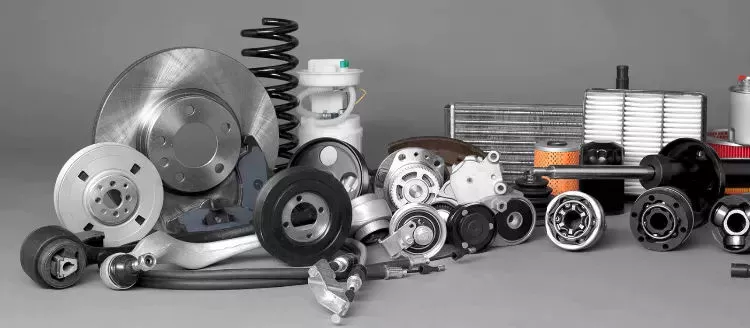
CV center housing, tube, spline, CV socket flange, u-joint, dust cap
Light vehicle drive line
Our products can be used for transmission shafts of the following brands
Toyota, Mitsubishi, Nissan, Isu zu, Suzuki, Dafa, Honda, Hyundai, Mazda, Fiat, Re nault, Kia, Dacia, Ford. Dodge, Land Rover, Peu geot, Volkswagen Audi, BMW Benz Volvo, Russian models
Gear shaft
Perfil de la empresa
Related Products
Solicitud:
Company information:
| Material: | Carbon Steel |
|---|---|
| Carga: | Eje de transmisión |
| Rigidez y flexibilidad: | Rigidez / Eje rígido |
| Precisión dimensional del diámetro del muñón: | IT6-IT9 |
| Forma del eje: | Eje recto |
| Forma del eje: | Eje real |
| Muestras: |
US$ 38/Piece
1 pieza (pedido mínimo) | |
|---|
What maintenance practices are essential for prolonging the lifespan of PTO shafts?
Maintaining proper care and performing regular maintenance on Power Take-Off (PTO) shafts is crucial for prolonging their lifespan and ensuring optimal performance. By following essential maintenance practices, you can prevent premature wear, identify potential issues early on, and maximize the longevity of your PTO shafts. Here are some key maintenance practices to consider:
1. Regular Inspection: Perform routine visual inspections of the PTO shaft to check for any signs of damage, wear, or misalignment. Look for cracks, dents, bent sections, or loose components. Inspect the universal joints, coupling mechanisms, protective guards, and other associated parts. Pay attention to any unusual noises, vibrations, or changes in performance, as these can indicate underlying issues that require attention.
2. Lubrication: Proper lubrication is essential for the smooth operation and longevity of PTO shafts. Follow the manufacturer’s recommendations regarding lubrication intervals and use the recommended lubricant type. Apply lubrication to the universal joints, CV joints (if applicable), and other moving parts as specified. Regularly check for adequate lubricant levels and replenish if necessary. Ensure that the lubricant used is compatible with the shaft material and does not attract dirt or debris that could cause abrasion or damage.
3. Cleaning: Keep the PTO shaft clean and free from dirt, debris, and other contaminants. Regularly remove any accumulated dirt, grease, or residue using a brush or compressed air. Be particularly diligent in cleaning the universal joints and areas where the shaft connects to other components. Cleaning prevents the buildup of abrasive particles that can accelerate wear and compromise the shaft’s performance.
4. Guard Inspection and Maintenance: Check the protective guards and shields regularly to ensure they are securely in place and free from damage. Guards play a critical role in preventing accidental contact with the rotating shaft and minimizing the risk of injury. Repair or replace any damaged or missing guards promptly. Ensure that the guards are correctly aligned and provide sufficient coverage for all moving parts of the PTO shaft.
5. Torque and Fastener Checks: Periodically inspect and check the torque of fasteners, such as bolts and nuts, that secure the PTO shaft and associated components. Over time, vibration and normal operation can loosen these fasteners, compromising the integrity of the shaft. Use the appropriate torque specifications provided by the manufacturer to ensure proper tightening. Regularly verify the tightness of fasteners and retighten as necessary.
6. Shear Bolt or Slip Clutch Maintenance: If your PTO shaft incorporates shear bolt or slip clutch mechanisms, ensure they are functioning correctly. Inspect the shear bolts for signs of wear or damage, and replace them when necessary. Check the slip clutch for proper adjustment and smooth operation. Follow the manufacturer’s recommendations regarding maintenance and adjustment of these safety mechanisms to ensure their effectiveness in protecting the driveline components.
7. Proper Storage: When the PTO shaft is not in use, store it in a clean and dry environment. Protect the shaft from exposure to moisture, extreme temperatures, and corrosive substances. If possible, store the shaft in a vertical position to prevent bending or distortion. Consider using protective covers or cases to shield the shaft from dust, dirt, and other potential sources of damage.
8. Operator Training: Provide proper training to operators on the correct operation, maintenance, and safety procedures related to the PTO shafts. Educate them about the importance of regular inspections, lubrication, and adherence to recommended maintenance practices. Encourage operators to report any abnormalities or concerns promptly to prevent further damage and ensure timely repairs or adjustments.
9. Manufacturer and Expert Guidance: Consult the manufacturer’s guidelines and recommendations regarding maintenance practices specific to your PTO shaft model. Additionally, seek advice from experts or authorized service technicians who are knowledgeable about PTO shaft maintenance. They can provide valuable insights and assistance in implementing the best maintenance practices for your specific PTO shafts.
By following these maintenance practices, you can extend the lifespan of your PTO shafts, optimize their performance, and reduce the likelihood of unexpected failures or costly repairs. Regular inspections, lubrication, cleaning, guard maintenance, torque checks, and proper storage are all essential in ensuring the longevity and reliability of your PTO shafts.

¿Podría proporcionar ejemplos reales de equipos que utilicen ejes de toma de fuerza (PTO)?
Los ejes de toma de fuerza (TDF) se utilizan ampliamente en diversas industrias, especialmente en la agricultura y la construcción. Proporcionan una fuente de energía fiable para una amplia gama de equipos, lo que permite un funcionamiento eficiente y una mayor productividad. A continuación, se muestran algunos ejemplos reales de equipos que suelen utilizar ejes de TDF:
1. Maquinaria agrícola:
- Implementos para tractor: Una amplia gama de implementos montados en tractores dependen de los ejes de la toma de fuerza (TDF) para la transmisión de potencia. Estos incluyen:
- Cortacéspedes y desbrozadoras rotativas
- Empacadoras y equipos para heno
- Motocultores y cultivadores
- Sembradoras y plantadoras
- Pulverizadores
- Esparcidoras de estiércol
- Cosechadoras, como las cosechadoras combinadas y las cosechadoras de forraje.
- Equipos fijos: Los ejes de toma de fuerza también se utilizan en equipos agrícolas estacionarios, entre ellos:
- Molinos y mezcladoras de piensos
- Descargadores de silos
- Transportadores de grano y elevadores
- Bombas de riego
- Trituradoras y desmenuzadoras de madera
- Trituradoras de tocones
2. Equipos de construcción y movimiento de tierras:
- Retroexcavadoras y excavadoras: Los ejes de toma de fuerza (PTO, por sus siglas en inglés) se pueden encontrar en retroexcavadoras y excavadoras, donde alimentan implementos como barrenas, martillos hidráulicos y desbrozadoras.
- Excavadoras de hoyos para postes: Las excavadoras de hoyos para postes que se utilizan para la instalación de cercas a menudo dependen de ejes de toma de fuerza (PTO) para transferir la potencia al mecanismo de excavación.
- Zanjadores: Las zanjadoras equipadas con tomas de fuerza excavan zanjas de manera eficiente para instalaciones de servicios públicos, sistemas de drenaje o líneas de riego.
- Trituradoras de tocones: Las trituradoras de tocones que se utilizan en las operaciones de desbroce de terrenos y tala de árboles suelen utilizar ejes de toma de fuerza para accionar sus cuchillas de corte.
- Estabilizadores de suelos y recuperadores de carreteras: Estas máquinas utilizan ejes de toma de fuerza para accionar el rotor y los tambores de molienda, que pulverizan y mezclan materiales para la construcción y el mantenimiento de carreteras.
3. Equipos forestales:
- Trituradoras de madera: Las trituradoras de madera que se utilizan para procesar ramas y troncos de árboles y convertirlos en astillas de madera suelen funcionar mediante ejes de toma de fuerza (PTO).
- Desbrozadoras y trituradoras: Las desbrozadoras y trituradoras accionadas por la toma de fuerza se utilizan para limpiar la vegetación y mantener las zonas boscosas.
- Cortadoras de leña: Las máquinas que parten troncos para convertirlos en leña suelen utilizar ejes de toma de fuerza (PTO) para accionar el mecanismo de división.
4. Equipos de servicios públicos:
- Generadores: Algunos generadores están diseñados para ser accionados por ejes de toma de fuerza (PTO), proporcionando una fuente de energía auxiliar para diversas aplicaciones en ubicaciones remotas o durante cortes de energía.
- Zapatillas: Las bombas accionadas por toma de fuerza (PTO) se utilizan habitualmente para el riego agrícola, la transferencia de agua y el drenaje.
5. Equipos especializados:
- Máquinas para el mantenimiento del hielo: Los ejes de toma de fuerza se utilizan en las máquinas de renovación de hielo que se emplean en las pistas de hielo para mantener una superficie de hielo lisa para el hockey sobre hielo y el patinaje artístico.
- Compresores de aire: Algunos compresores de aire son accionados por ejes de toma de fuerza (PTO), lo que proporciona una fuente de aire comprimido para diversas aplicaciones.
Estos ejemplos representan una variedad de equipos que dependen en gran medida de los ejes de toma de fuerza (PTO) para la transmisión de potencia. Los ejes PTO permiten el funcionamiento eficiente de estas máquinas, aumentando la productividad y la versatilidad en diversos sectores industriales.

What benefits do PTO shafts offer for various types of machinery?
PTO shafts (Power Take-Off shafts) offer several benefits for various types of machinery in agricultural and industrial applications. They provide a flexible and efficient means of power transmission, enabling machinery to perform specific tasks and functions. Here’s a detailed explanation of the benefits that PTO shafts offer for different types of machinery:
Versatility: PTO shafts contribute to the versatility of machinery by allowing them to be powered by a common power source, such as a tractor or an engine. This means that a single power source can be used to drive multiple implements or machines by simply connecting and disconnecting the PTO shaft. For example, in agriculture, a tractor equipped with a PTO shaft can power various implements such as mowers, balers, tillers, sprayers, and grain augers. Similarly, in industrial applications, PTO shafts enable the use of a single engine or motor to power different machines or equipment, such as generators, pumps, compressors, and industrial mixers.
Eficiencia: PTO shafts offer an efficient method of power transfer from the power source to the machinery. By directly connecting the power source to the driven machine, PTO shafts minimize energy losses that may occur with other power transmission methods. This direct power transfer results in improved overall efficiency and performance of the machinery. Additionally, PTO shafts allow for the adjustment of rotational speed and power output to match the requirements of the specific machinery, ensuring optimal operation and reducing unnecessary energy consumption.
Cost Savings: The use of PTO shafts can lead to cost savings in multiple ways. Firstly, by utilizing a single power source to drive multiple machines or implements, the need for separate engines or motors for each piece of equipment is eliminated, reducing capital costs. Secondly, PTO shafts eliminate the requirement for additional fuel or energy sources, as they tap into the existing power source, resulting in lower fuel or energy expenses. Additionally, the versatility offered by PTO shafts allows for improved equipment utilization, maximizing the return on investment.
Flexibility: PTO shafts provide flexibility in terms of equipment setup and configuration. They can be adjusted in length or equipped with telescopic sections, allowing for easy adaptation to different equipment arrangements and varying distances between the power source and the driven machinery. This flexibility enables operators to quickly connect and disconnect the PTO shafts as needed, facilitating efficient equipment changes and reducing downtime. Moreover, the ability to adjust the rotational speed and power output of the PTO shafts adds further flexibility, accommodating the specific requirements of different machinery and applications.
Ease of Use: PTO shafts are relatively easy to use, making them accessible to operators with minimal training. The process of connecting and disconnecting the PTO shafts is straightforward, often involving a simple coupling or locking mechanism. This ease of use enhances equipment operability, allowing operators to quickly switch between different implements or machines without significant effort or time-consuming procedures. Furthermore, the direct power transfer through PTO shafts simplifies equipment operation, as the machinery can be powered by the existing power source without the need for additional controls or power management systems.
Increased Productivity: PTO shafts contribute to increased productivity in agricultural and industrial operations. By enabling the use of versatile machinery configurations, operators can perform a wide range of tasks using a single power source. This eliminates the need for manual labor or the use of multiple machines, streamlining workflow and reducing the time required to complete various operations. The efficiency and reliability of power transfer through PTO shafts also contribute to improved productivity by ensuring consistent and effective operation of machinery, resulting in enhanced output and reduced downtime.
Safety: While not directly related to machinery performance, PTO shafts also offer safety benefits. The implementation of safety shields or guards on PTO shafts helps prevent accidental contact with the rotating shaft, reducing the risk of injuries to operators. These safety features are designed to cover the rotating shaft and universal joints, ensuring that operators cannot come into contact with them during operation. Proper training on PTO shaft operation and adherence to safety guidelines further enhance operator safety when working with PTO-driven machinery.
In summary, PTO shafts offer a range of benefits for various types of machinery. These benefits include increased versatility, improved efficiency, cost savings, flexibility in equipment configurations, ease of use, increased productivity, and enhanced operator safety. PTO shafts play a crucial role in agricultural and industrial applications by enabling the direct power transfer from a common power source to different machines or implements, resulting in optimized performance and operational effectiveness.


editor by CX 2023-09-19























