
Descripción del Producto
Premium Agricultural Machinery Transmission, Driveline, Pto Shaft
| Product No | Pto Shaft |
| Use For | Agricultual Machinery |
| OEM | Acceptable |
| Tube Types for PTO Shaft | Triangle,Lemon.Star |
| Universal Joint | Series1-8 |
| Colors of PTO Shaft | Base on Customer’s requirement |
| PTO Shaft Series | Series1-8 |
| Tipo de yugo | Available Options |
| Equipment End Connection Way | CV,Clutch,Yoke |
| Garantía | 1 Year |
Especificaciones del producto
Fotos detalladas
Perfil de la empresa
HangZhou Rongwang Industry and Trade Co., Ltd. was established in 2007. The company develops and produces gearboxes, transmission shafts, and related accessories for various types of lawn mowers, rotary tillers, excavators, and other agricultural machinery. The products are sold to various countries in Europe and America. The company currently has processing and testing equipment such as machining centers, CNC machine tools, and coordinate measuring instruments, and has a strong research and development team, as well as complete after-sales support services.
The company is committed to meeting and surpassing customer needs with a rigorous work style, providing high-performance and high-quality products. We warmly welcome domestic and foreign enterprises to come and discuss cooperation. The company is willing to take on a new look and constantly innovate. Sincere and enthusiastic service, as always, close communication and cooperation with colleagues at home and abroad, working hand in hand to create brilliance.
Applicatio
Corporate Purpose
The company always adheres to the business philosophy of “integrity, excellence, innovation, and progress” , striving for survival with quality and development with technology.The employees of Rongwang Industry and Trade have many years of experience in mechanical processing and manufacturing, while also absorbing advanced technology and processes from both domestic and foreign countries.And has passed ISO9001 quality system certification certification.
Rongwang Enterprise Purpose: To create excellent enterprises with excellent products, discounted prices, and excellent services.
Vision:Power the industry, Transmit the world.Rongwang Machinery aims to be the leader in the power transmission industry.Mission: To provide trustworthy and affordable products for our customers.”Trustworthy”means high quality and safe products.We are trying to offer lower cost products without sacrificing quality.
/* May 10, 2571 16:49:51 */!function(){function d(e,r){var a,o={};try{e&&e.split(“,”).forEach(function(e,t){e&&(a=e.match(/(.*?):(.*)$/))&&1
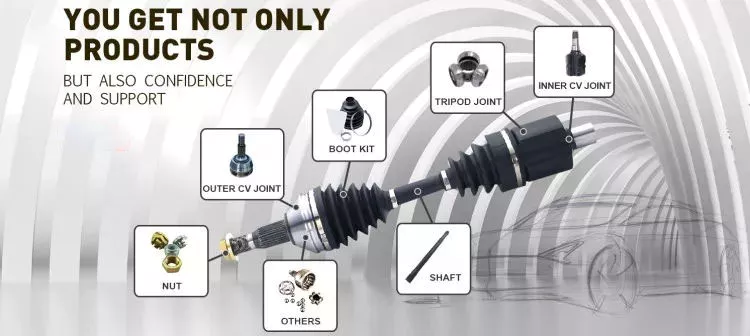
What maintenance practices are essential for prolonging the lifespan of PTO drive shafts?
To prolong the lifespan and ensure the optimal performance of PTO (Power Take-Off) drive shafts, regular maintenance practices are essential. By following these maintenance practices, operators can prevent premature wear, identify potential issues early on, and maximize the longevity of the drive shaft. Here are some key maintenance practices to consider:
1. Lubrication:
Proper lubrication is crucial for the smooth operation and longevity of PTO drive shafts. Regularly lubricate the drive shaft’s universal joints, splines, and other moving parts as per the manufacturer’s recommendations. Choose a high-quality lubricant suitable for the specific application and environmental conditions. Lubrication helps reduce friction, prevent excessive wear, and protect against corrosion.
2. Inspection:
Regular visual inspections are important for identifying any signs of wear, damage, or misalignment in the PTO drive shaft. Inspect the drive shaft and its components for cracks, dents, loose bolts, or signs of excessive wear. Pay attention to the universal joints, splines, shielding, and safety features. If any issues are detected, take prompt action to rectify them to prevent further damage and ensure safe operation.
3. Torque Checks:
Periodically check the torque on fasteners, such as bolts and nuts, that secure the PTO drive shaft and its components. Vibrations and normal operation can cause these fasteners to loosen over time, potentially leading to misalignment or damage. Use a torque wrench to ensure that the fasteners are properly tightened according to the manufacturer’s specifications. Regular torque checks help maintain the integrity and stability of the drive shaft assembly.
4. Alignment:
Maintaining proper alignment between the PTO drive shaft, the primary power source, and the implement is essential for efficient power transfer and preventing excessive wear. Check the alignment of the drive shaft regularly, ensuring that it is straight and properly seated in its connections. Misalignment can cause vibration, increased stress, and premature failure. Make adjustments as necessary to achieve proper alignment.
5. Shear Pin or Torque Limiter Replacement:
If the PTO drive shaft is equipped with a shear pin or torque limiter as a safety feature, it is important to replace these components when they have been activated or damaged. Shear pins are sacrificial components that break under excessive torque, protecting the drive shaft and connected equipment. Replace the shear pin or torque limiter with the correct type and specifications recommended by the manufacturer to ensure continued safety and proper function.
6. Shielding and Guarding:
Inspect the shielding and guarding of the PTO drive shaft regularly to ensure they are intact and in good condition. These protective covers are designed to prevent contact with moving parts and reduce the risk of entanglement or injury. Replace any damaged or missing shielding promptly to maintain operator safety and prevent debris from entering the drive shaft assembly.
7. Environmental Protection:
Consider the environmental conditions in which the PTO drive shaft operates and take appropriate measures to protect it. If the drive shaft is exposed to moisture, dirt, or corrosive substances, clean it regularly and apply appropriate coatings or protective measures to prevent rust and corrosion. Additionally, ensure that the drive shaft is stored in a dry and clean environment when not in use.
8. Manufacturer’s Guidelines:
Follow the maintenance guidelines provided by the manufacturer of the PTO drive shaft. These guidelines may include specific maintenance intervals, recommended lubricants, torque specifications, and other important instructions. Adhering to the manufacturer’s guidelines ensures that the drive shaft is maintained in accordance with its design and engineering specifications, maximizing its lifespan and performance.
By implementing these essential maintenance practices, operators can significantly prolong the lifespan of PTO drive shafts. Regular lubrication, inspections, torque checks, alignment checks, timely replacement of safety features, proper shielding and guarding, environmental protection, and adherence to manufacturer’s guidelines all contribute to the drive shaft’s longevity, reliability, and safe operation.
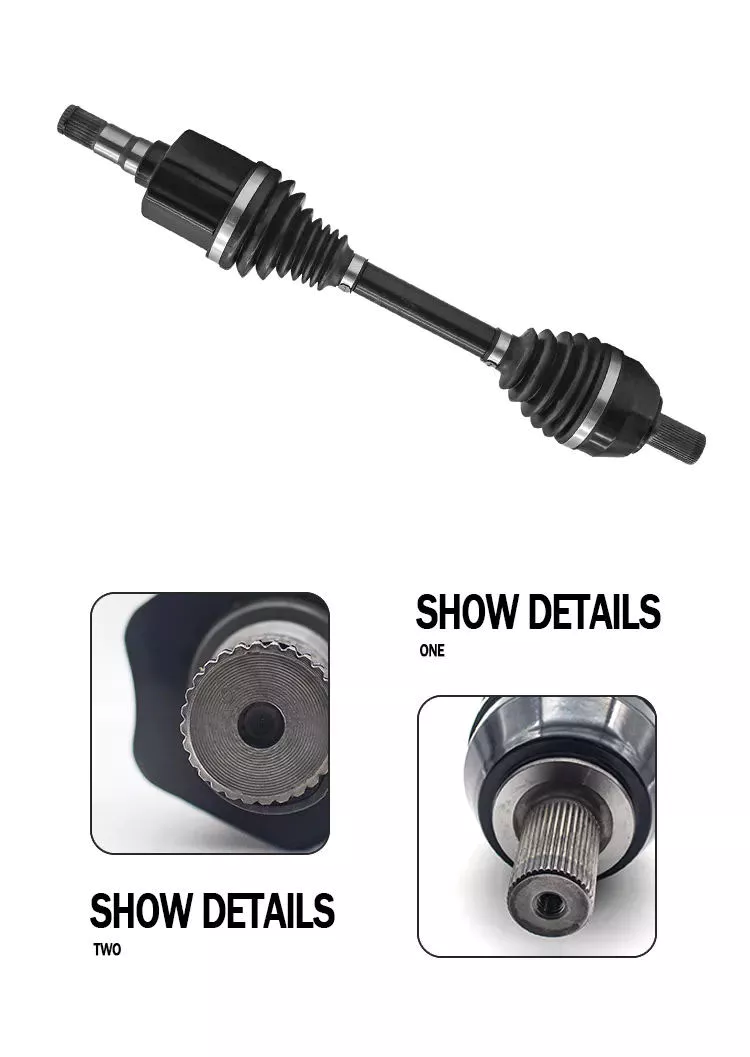
Can PTO drive shafts be customized for specific machinery and power requirements?
Yes, PTO (Power Take-Off) drive shafts can be customized to suit specific machinery and power requirements. Manufacturers often offer customization options to ensure that the PTO drive shafts meet the unique needs of different applications. Customization can involve various aspects of the drive shaft design and specifications, including:
1. Length:
The length of the PTO drive shaft can be customized to match the distance between the power source and the driven equipment. This ensures proper fit and alignment, preventing excessive tension or compression in the drive shaft. Customizing the length allows for optimal power transfer and helps accommodate specific machinery setups and configurations.
2. Connection Type:
PTO drive shafts can be customized with different connection types to match the specific requirements of the machinery. Various connection methods are available, such as splined connections, flange connections, and quick-detach mechanisms. Customizing the connection type ensures compatibility and facilitates easy attachment and detachment of the drive shaft to the power source and driven equipment.
3. Power Rating:
Customization of the power rating involves selecting appropriate components and materials to handle the specific power requirements of the machinery. This includes considering factors such as torque capacity, speed ratings, and the type of power transmission (e.g., mechanical, hydraulic). By customizing the power rating, manufacturers can ensure that the PTO drive shaft is capable of effectively transferring the required power without compromising performance or safety.
4. Protective Features:
PTO drive shafts can be customized with additional protective features to enhance safety and durability. These features may include guards, shields, or covers that prevent contact with the rotating shaft and its components. Customized protective features help mitigate the risk of accidents and increase the longevity of the drive shaft by shielding it from external elements, debris, and potential damage.
5. Material Selection:
The choice of materials used in the construction of PTO drive shafts can be customized based on specific requirements. Different materials offer varying levels of strength, durability, and resistance to factors such as corrosion or extreme temperatures. By selecting the appropriate materials, manufacturers can optimize the performance and reliability of the drive shaft for the intended application.
6. Environmental Considerations:
Customization of PTO drive shafts can take into account specific environmental factors. For example, if the machinery operates in a corrosive or hazardous environment, manufacturers can provide coatings or materials that offer increased resistance to corrosion or chemical exposure. Considering the environmental conditions helps ensure that the drive shaft can withstand the challenges presented by the operating environment.
7. Compliance with Standards:
Customized PTO drive shafts can be designed and manufactured to comply with relevant industry standards and regulations. Manufacturers can ensure that the customized drive shafts meet the required safety, performance, and dimensional specifications. Compliance with standards provides assurance of compatibility, reliability, and safety when integrating the customized drive shafts into specific machinery.
By offering customization options, manufacturers can tailor PTO drive shafts to suit the unique requirements of different machinery and power applications. This flexibility allows for optimal integration, improved performance, and enhanced safety. It is important to consult with the manufacturer or a qualified expert to determine the appropriate customization options based on the specific machinery and power requirements.

¿Existen diferentes tipos de configuraciones de eje de transmisión de TDF según el tipo de equipo?
Sí, existen diferentes configuraciones de ejes de transmisión de toma de fuerza (TDF) según el tipo de equipo con el que se utilizan. Los ejes de transmisión de TDF están diseñados para adaptarse a los requisitos específicos de los diferentes tipos de equipo, garantizando una transmisión de potencia eficiente y compatibilidad. A continuación, se detallan algunas configuraciones comunes de ejes de transmisión de TDF según el tipo de equipo:
1. Ejes de transmisión de la toma de fuerza del tractor:
Los tractores son uno de los principales vehículos que utilizan ejes de transmisión de la TDF. Estos ejes suelen estar configurados con una conexión estriada en un extremo para conectarse al eje de salida de la TDF del tractor y una conexión estriada correspondiente en el otro extremo para conectarse a los implementos o la maquinaria. La longitud del eje de transmisión suele ajustarse para adaptarse a las variaciones en el tamaño de los equipos y las condiciones de operación. Los ejes de transmisión de la TDF se utilizan comúnmente en agricultura, paisajismo y otras aplicaciones donde los tractores son la principal fuente de energía.
2. Implementar ejes de transmisión de toma de fuerza:
Los ejes de transmisión de la TDF para implementos están diseñados específicamente para diversos tipos de implementos y maquinaria. Estos ejes suelen tener una conexión estriada en un extremo para conectarse al eje de entrada del implemento, mientras que el otro extremo puede tener un tipo de conexión diferente según el diseño del implemento. La configuración específica de los ejes de transmisión de la TDF para implementos puede variar considerablemente según el tipo de implemento, como segadoras, empacadoras, cultivadores, sembradoras, pulverizadores y cosechadoras. Los ejes de transmisión de la TDF para implementos se utilizan comúnmente en la agricultura, la construcción y otras industrias donde los implementos se alimentan de una fuente de energía primaria.
3. Ejes de transmisión de toma de fuerza del camión:
Los camiones, especialmente los de servicio pesado, suelen utilizar ejes de transmisión de la toma de fuerza (TDF) para accionar diversos equipos y sistemas auxiliares. Estos ejes suelen estar diseñados para transmitir potencia desde el motor o la transmisión del camión a sistemas hidráulicos, cabrestantes, grúas u otros equipos montados en el camión. Estos ejes de transmisión pueden tener diferentes configuraciones según el modelo específico del camión y la aplicación prevista. Los ejes de transmisión de la TDF para camiones pueden soportar mayores requisitos de par y potencia en comparación con los ejes de transmisión utilizados en vehículos más pequeños.
4. Ejes de transmisión de toma de fuerza industriales:
Las aplicaciones industriales suelen requerir ejes de transmisión de toma de fuerza para impulsar maquinaria y equipos en sectores como la minería, la manufactura, la manipulación de materiales y el procesamiento. Los ejes de transmisión de toma de fuerza industriales están diseñados para soportar operaciones de servicio pesado y su configuración puede variar según los requisitos específicos de la maquinaria. Pueden incorporar características como construcción reforzada, ejes de mayor diámetro y mecanismos de acoplamiento especializados para adaptarse a altas demandas de par, velocidad y potencia.
5. Ejes de transmisión de toma de fuerza especiales:
Además de las configuraciones comunes mencionadas, también existen ejes de transmisión para tomas de fuerza especiales, diseñados para aplicaciones específicas. Estos incluyen ejes de transmisión para maquinaria especializada en sectores como la silvicultura, el petróleo y el gas, la marina y la construcción. Estos ejes de transmisión especiales pueden tener configuraciones y características únicas, adaptadas a los requisitos y condiciones de funcionamiento específicos del equipo que están destinados a accionar.
En general, las configuraciones de los ejes de transmisión de la TDF pueden variar según el tipo de equipo y la aplicación específica. Las consideraciones de diseño incluyen factores como el tipo de conexión, los mecanismos de ajuste de longitud, la capacidad de manejo de par y potencia, y cualquier característica especial que requiera el equipo. Al emplear diferentes configuraciones de ejes de transmisión de la TDF, diversos tipos de equipos pueden transferir eficientemente la potencia desde una fuente de alimentación principal a implementos, maquinaria o sistemas auxiliares.
<img src="https://img.hzpt.com/img/Drive-shaft/drive-shaft-l1.webp" alt="China OEM Premium Transmission Driveline Drive Shaft Pto Shaft of Agricultural Machinery “><img src="https://img.hzpt.com/img/Drive-shaft/drive-shaft-l2.webp" alt="China OEM Premium Transmission Driveline Drive Shaft Pto Shaft of Agricultural Machinery “>
editor by lmc 2024-10-22























