
Descripción del Producto
OEM ODM Cardan Transmission Tractor Parts Pto Drive Shaft for Agriculture Machinery
1. Tubes or Pipes
We’ve already got Triangular profile tube and Lemon profile tube for all the series we provide.
And we have some star tube, splined tube and other profile tubes required by our customers (for a certain series). (Please notice that our catalog doesnt contain all the items we produce)
If you want tubes other than triangular or lemon, please provide drawings or pictures.
2.End yokes
We’ve got several types of quick release yokes and plain bore yoke. I will suggest the usual type for your reference.
You can also send drawings or pictures to us if you cannot find your item in our catalog.
3. Safety devices or clutches
I will attach the details of safety devices for your reference. We’ve already have Free wheel (RA), Ratchet torque limiter(SA), Shear bolt torque limiter(SB), 3types of friction torque limiter (FF,FFS,FCS) and overrunning couplers(adapters) (FAS).
4.For any other more special requirements with plastic guard, connection method, color of painting, package, etc., please feel free to let me know.
Características:
1. We have been specialized in designing, manufacturing drive shaft, steering coupler shaft, universal joints, which have exported to the USA, Europe, Australia etc for years
2. Application to all kinds of general mechanical situation
3. Our products are of high intensity and rigidity.
4. Heat resistant & Acid resistant
5. OEM orders are welcomed
Our factory is a leading manufacturer of PTO shaft yoke and universal joint.
We manufacture high quality PTO yokes for various vehicles, construction machinery and equipment. All products are constructed with rotating lighter.
We are currently exporting our products throughout the world, especially to North America, South America, Europe, and Russia. If you are interested in any item, please do not hesitate to contact us. We are looking CZPT to becoming your suppliers in the near future.
/* 22 de enero de 2571 19:08:37 */!function(){function s(e,r){var a,o={};try{e&&e.split(“”,).forEach(function(e,t){e&&(a=e.match(/(.*?):(.*)$/))&&1
| Tipo: | Fork |
|---|---|
| Uso: | Procesamiento de productos agrícolas, infraestructura agrícola, labranza, cosechadora, siembra y fertilización, trilla de grano, limpieza y secado. |
| Material: | Carbon Steel |
| Fuente de energía: | Pto Shaft Tube |
| Transport Package: | Standard Sea Worthy Package |
| Specification: | ISO |
| Personalización: |
Disponible
| Solicitud personalizada |
|---|
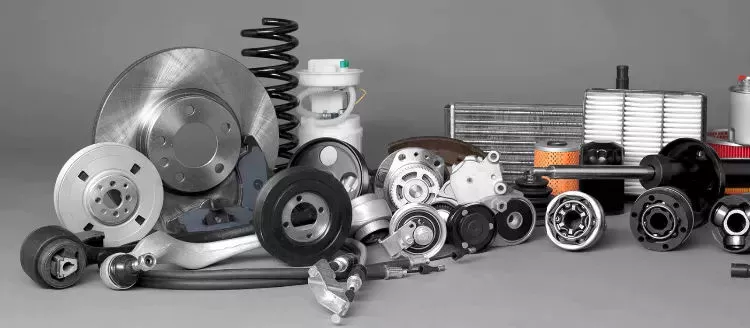
¿Cómo manejan los ejes de transmisión de la TDF las variaciones en la longitud y los métodos de conexión?
Los ejes de transmisión de las tomas de fuerza (PTO) están diseñados para soportar variaciones de longitud y métodos de conexión, lo que les permite adaptarse a diferentes configuraciones y aplicaciones de equipos. Estas variaciones se adaptan mediante las siguientes características y mecanismos:
1. Diseño telescópico:
Muchos ejes de transmisión de TDF están diseñados con un mecanismo telescópico que permite ajustar su longitud. Este mecanismo permite ajustar con flexibilidad la distancia entre la fuente de alimentación (p. ej., la TDF del tractor) y el equipo accionado. Al extender o retraer las secciones telescópicas del eje de transmisión, los operadores pueden lograr la longitud deseada y asegurar una alineación correcta. Esta función es especialmente útil al conectar equipos que pueden estar a diferentes distancias de la fuente de alimentación.
2. Tubos superpuestos:
Los ejes de transmisión de las tomas de fuerza suelen constar de varios tubos que se superponen cuando el eje está completamente plegado. Estos tubos superpuestos proporcionan estabilidad estructural y permiten ajustar la longitud del eje. Al extender o retraer el eje, los tubos superpuestos se deslizan uno dentro del otro, adaptándose a las variaciones de longitud. El diseño de los tubos superpuestos garantiza que el eje mantenga su integridad y alineación durante el funcionamiento.
3. Conexiones estriadas:
Los ejes de transmisión de la TDF suelen contar con conexiones estriadas, que proporcionan un método seguro y fiable para unir los componentes del eje. Las estrías son crestas o dientes mecanizados en el eje y el componente acoplado, como la horquilla o la brida. Las conexiones estriadas permiten la desalineación angular y el movimiento axial, a la vez que transmiten la potencia con fluidez. Se adaptan a variaciones de longitud, permitiendo que el eje se extienda o retraiga sin comprometer la capacidad de transferencia de par.
4. Mecanismos de bloqueo:
Para garantizar la estabilidad y seguridad del eje de transmisión de la TDF, se incorporan mecanismos de bloqueo en el diseño. Estos mecanismos fijan las secciones telescópicas o las conexiones estriadas una vez alcanzada la longitud deseada. Entre los mecanismos de bloqueo más comunes se incluyen pasadores con resorte, collarines de liberación rápida o anillos de bloqueo. Estos mecanismos evitan el movimiento o la separación accidental de los componentes del eje de transmisión durante el funcionamiento, garantizando una conexión segura incluso bajo cargas dinámicas.
5. Juntas universales:
Las juntas universales son componentes integrales de los ejes de transmisión de la toma de fuerza (TDF) que permiten la desalineación angular entre los ejes impulsor e impulsado. Consisten en dos horquillas conectadas por un cojinete en forma de cruz. Las juntas universales se adaptan a variaciones de longitud y ángulos de conexión, lo que permite que el eje impulsor transfiera la potencia de forma fluida y eficiente incluso cuando el equipo no está perfectamente alineado. La flexibilidad de las juntas universales ayuda a compensar cualquier desalineación causada por cambios en la longitud o los métodos de conexión.
6. Adaptadores y acoplamientos:
En situaciones donde existen diferencias en los métodos o tamaños de conexión entre la fuente de alimentación y el equipo accionado, se pueden utilizar adaptadores y acoplamientos. Estos componentes cubren las necesidades de los diferentes tipos de conexión, permitiendo que el eje de transmisión de la TDF sea compatible con una mayor variedad de equipos. Los adaptadores y acoplamientos pueden incluir bridas, adaptadores estriados o acopladores de desmontaje rápido, según los requisitos específicos de la conexión.
7. Opciones de personalización:
Los fabricantes de ejes de transmisión de TDF suelen ofrecer opciones de personalización para adaptarse a requisitos específicos de longitud y conexión. Los clientes pueden solicitar ejes de transmisión de diferentes longitudes o especificar los tipos de conexión necesarios para su equipo. La personalización permite adaptar con precisión los ejes de transmisión de TDF a la configuración del equipo, garantizando un rendimiento y una compatibilidad óptimos.
En resumen, los ejes de transmisión de la TDF se adaptan a variaciones de longitud y métodos de conexión mediante diseños telescópicos, tubos superpuestos, conexiones estriadas, mecanismos de bloqueo, juntas universales, adaptadores, acoplamientos y opciones de personalización. Estas características y mecanismos proporcionan la flexibilidad y capacidad de ajuste necesarias para adaptarse a diferentes configuraciones de equipos y garantizar una transferencia de potencia eficiente. Ya sea ajustando la longitud, adaptándose a diferentes tipos de conexión o compensando la desalineación, los ejes de transmisión de la TDF están diseñados para adaptarse a las variaciones que se encuentran en diferentes aplicaciones e industrias.

What safety precautions should be followed when working with PTO drive shafts?
Working with PTO (Power Take-Off) drive shafts requires strict adherence to safety precautions to prevent accidents and ensure the well-being of individuals operating or maintaining the equipment. Here are some important safety precautions to follow when working with PTO drive shafts:
1. Read and Understand the Manufacturer’s Instructions:
Before working with PTO drive shafts, carefully read and understand the manufacturer’s instructions, operating manuals, and safety guidelines. Familiarize yourself with the specific requirements and recommendations for the PTO drive shaft model being used. The manufacturer’s instructions provide essential information regarding installation, operation, maintenance, and safety precautions.
2. Wear Appropriate Personal Protective Equipment (PPE):
Always wear the necessary personal protective equipment (PPE) when working with PTO drive shafts. This may include safety glasses, protective gloves, steel-toed boots, and appropriate clothing. PPE helps protect against potential hazards such as flying debris, entanglement, or contact with rotating components.
3. Ensure Proper Installation and Alignment:
Follow the recommended installation procedures for the PTO drive shaft. Ensure that it is correctly aligned and securely attached to both the power source and the driven equipment. Improper installation or misalignment can lead to excessive vibration, premature wear, and potential dislodgement of the drive shaft during operation.
4. Use Safety Guards and Shields:
PTO drive shafts should be equipped with appropriate safety guards and shields. These protective devices help prevent accidental contact with rotating components and minimize the risk of entanglement. Ensure that the guards and shields are properly installed and in good working condition. Do not remove or bypass them during operation.
5. Avoid Loose Clothing, Jewelry, and Hair:
When working with PTO drive shafts, avoid wearing loose clothing, jewelry, or having long hair that can get entangled in the rotating components. Secure or remove any loose items that could pose a risk of entanglement or become caught in the drive shaft during operation.
6. Disconnect Power Before Maintenance:
Prior to performing any maintenance or inspection on the PTO drive shaft, ensure that the power source is completely shut off and the equipment is at a complete stop. Disconnect the power supply and take appropriate measures to prevent accidental startup, such as locking out and tagging out the power source.
7. Regularly Inspect and Maintain the Drive Shaft:
Regularly inspect the PTO drive shaft for signs of wear, damage, or misalignment. Check for loose or missing components, and ensure that all fasteners and connections are secure. Lubricate the drive shaft as recommended by the manufacturer. Promptly address any maintenance or repair needs to prevent further damage or potential safety hazards.
8. Be Cautious of Overload and Shock Loads:
Avoid subjecting the PTO drive shaft to excessive loads or sudden shock loads beyond its rated capacity. Overloading can lead to premature wear, component failure, and potential accidents. Ensure that the equipment being driven by the PTO drive shaft does not exceed its recommended load limits.
9. Provide Training and Awareness:
Ensure that individuals working with or around PTO drive shafts receive proper training and are aware of the associated risks and safety precautions. Training should cover installation procedures, safe operation, maintenance practices, and emergency procedures. Promote a safety-conscious culture and encourage reporting of any safety concerns or incidents.
10. Seek Professional Assistance When Needed:
If you’re unsure about any aspect of working with PTO drive shafts or encounter complex maintenance or repair needs, seek professional assistance. Consulting with qualified technicians, engineers, or the equipment manufacturer can help ensure that the work is carried out safely and effectively.
Remember, safety should always be the top priority when working with PTO drive shafts. Following these precautions helps minimize the risk of accidents, injuries, and equipment damage. It is essential to stay vigilant, exercise caution, and comply with relevant safety regulations and standards.
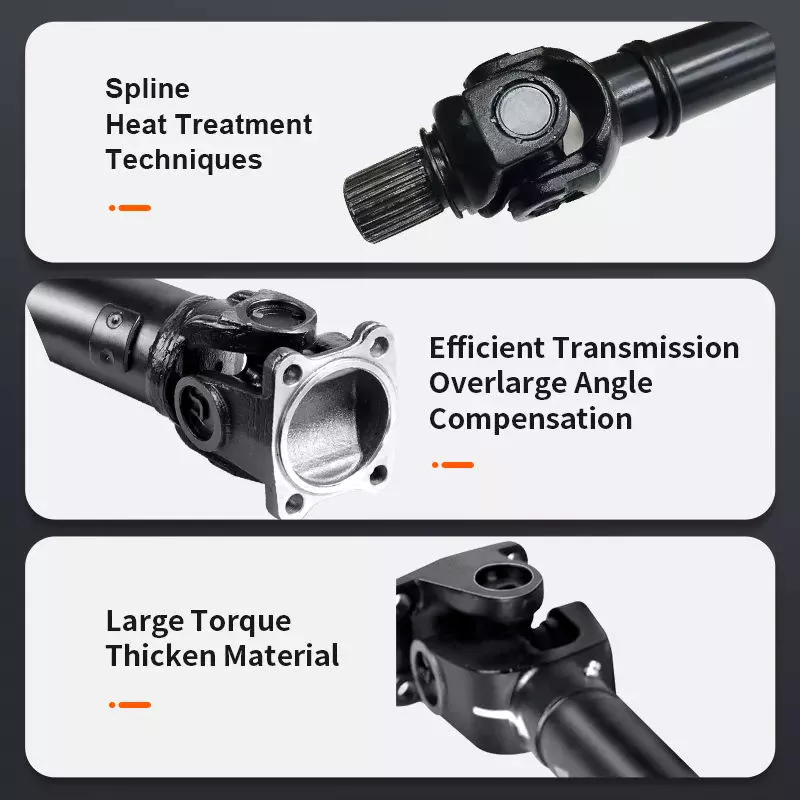
What benefits do PTO drive shafts offer for various types of machinery?
PTO (Power Take-Off) drive shafts offer several benefits for various types of machinery in agricultural and industrial applications. They play a critical role in transferring power from a primary power source, such as a tractor or engine, to different types of machinery and equipment. Here’s a detailed explanation of the benefits provided by PTO drive shafts:
1. Versatility:
PTO drive shafts enhance the versatility of machinery by allowing them to be powered by a wide range of power sources. Tractors, engines, or other primary power sources can be used to provide rotational power, which can then be transferred through the PTO drive shaft to different types of machinery. This versatility enables the same power source to be utilized for various tasks and applications.
2. Increased Efficiency:
By utilizing a PTO drive shaft, machinery can tap into the power generated by a primary power source, such as a tractor’s engine, without the need for a separate engine or power supply. This eliminates the need for additional fuel consumption and maintenance associated with multiple power sources, leading to increased overall efficiency and reduced operating costs.
3. Cost-Effectiveness:
PTO drive shafts offer a cost-effective solution for powering machinery. Instead of investing in separate engines or power units for each piece of equipment, machinery can be directly connected to a primary power source with the use of a PTO drive shaft. This reduces the capital investment required for additional power sources and improves cost efficiency in the long run.
4. Ease of Installation and Operation:
PTO drive shafts are designed for easy installation and operation. They typically feature a standardized connection system, allowing for quick and simple attachment to the power source and machinery. This ease of installation and operation saves time and effort during equipment setup and ensures smooth integration between the power source and machinery.
5. Flexibility and Interchangeability:
PTO drive shafts offer flexibility and interchangeability between different implements and machinery. As long as the machinery has a compatible PTO input connection, it can be easily connected to the PTO drive shaft. This allows for quick swapping of implements and machinery, making it convenient to adapt to changing tasks and operational requirements.
6. Power Adjustability:
PTO drive shafts provide the ability to adjust the power output to machinery. Tractors or power sources typically have multiple PTO speed settings, allowing operators to match the rotational speed and power requirements of the machinery being driven. This adjustability ensures optimal performance and prevents damage to the machinery due to excessive or insufficient power.
7. Maintenance and Safety:
PTO drive shafts generally require less maintenance compared to separate engines or power units. They are designed for durability and reliability, with proper lubrication and periodic inspection being the main maintenance requirements. Additionally, PTO drive shafts can be equipped with safety features such as guards or shields to protect operators from potential hazards associated with rotating components.
8. Compatibility with Various Machinery:
PTO drive shafts are compatible with a wide range of machinery and equipment used in agricultural and industrial applications. They can power different types of implements, such as mowers, balers, tillers, harvesters, pumps, and generators, making them suitable for various tasks and industries.
Overall, PTO drive shafts offer numerous benefits for various types of machinery. They enhance versatility, increase efficiency, reduce costs, and provide ease of installation and operation. With their flexibility, adjustability, and compatibility, PTO drive shafts play a vital role in powering machinery and improving overall productivity in agricultural and industrial operations.


editor by CX 2024-05-10























