
Descripción del Producto
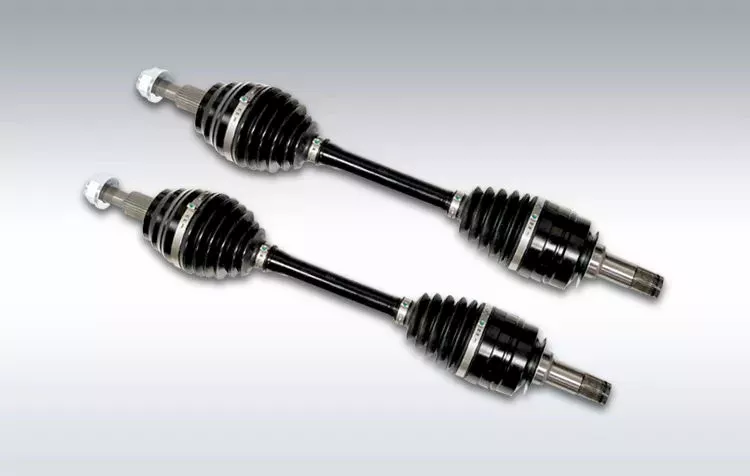
T4-660-01B-07G-YIIIP Agriculture PTO Drive Shaft for Earth Mover and Potato Harvester
| Product: | Eje de transmisión de la toma de fuerza |
| Model: | T4-660-01B-07G-YIIIP |
| Size: | φ27*74.6 Length 660mm |
| Raw Material: | 45# Steel |
| Hardness: | 58-64HRC |
| Delivery Date: | 7-60 Days |
| MOQ: | 100 sets or according to stocks without minimum Qty. |
| Sample: | Acceptable |
| We could produce all kinds of PTO Drive Shaft and Parts according to customers’ requirement. | |
| REF. | UJ | L.mm |
| T4-660-01B-07G-YIIIP | ø27*74.6 | 660 |
About us
We have more than 17 years experience of Spare parts, especially on Drive Line Parts.
We deeply participant in the Auto Spare parts business in HangZhou city which is the most import spare parts production area in China.
We are supply products with good cost performance for different customers of all over the world.
We keep very good relationship with local produces with the WIN-WIN-WIN policy.
Factory supply good and fast products;
We supply good and fast service;
And Customers gain the good products and good service for their customers.
This is a healthy and strong equilateral triangle keep HangZhou Speedway going forward until now.
/* 22 de enero de 2571 19:08:37 */!function(){function s(e,r){var a,o={};try{e&&e.split(“”,).forEach(function(e,t){e&&(a=e.match(/(.*?):(.*)$/))&&1
| Tipo: | Transmission |
|---|---|
| Uso: | Tillage, Harvester, Planting and Fertilization |
| Material: | 45# Steel |
| Fuente de energía: | Diesel |
| Peso: | 8 |
| Servicio postventa: | Online Support |
Are there any limitations or disadvantages associated with PTO drive shaft systems?
While PTO (Power Take-Off) drive shaft systems offer numerous advantages, there are also some limitations and disadvantages associated with their use. It’s important to consider these factors when deciding whether to implement a PTO drive shaft system. The limitations and disadvantages include:
1. Safety Risks:
PTO drive shaft systems can pose safety risks if not used and maintained properly. The rotating drive shaft, exposed splines, and universal joints can present hazards to operators and bystanders if they come into contact with them while in operation. Entanglement or entrapment of clothing, hair, or body parts in the rotating components can result in severe injuries. It is crucial to follow safety guidelines, use appropriate shielding, and implement safety devices to mitigate these risks.
2. Mantenimiento y lubricación:
PTO drive shaft systems require regular maintenance and lubrication to ensure optimal performance and longevity. The joints, splines, and bearings need to be inspected, cleaned, and lubricated as recommended by the manufacturer. Failure to perform routine maintenance can lead to premature wear, increased friction, and eventual component failure, resulting in unexpected downtime and costly repairs.
3. Misalignment and Vibrations:
PTO drive shaft systems can experience misalignment and vibrations, especially when the driven equipment is not perfectly aligned with the power source. Misalignment places additional stress on the drive shaft and its components, leading to increased wear and reduced efficiency. Vibrations generated during operation can also contribute to fatigue and accelerated wear of the drive shaft and connected equipment.
4. Limited Operating Angles:
PTO drive shaft systems typically have limited operating angles due to the design constraints of universal joints. Exceeding the recommended operating angles can cause binding, increased wear, and reduced power transmission efficiency. This limitation may restrict the range of movement or flexibility when connecting PTO-driven equipment, requiring careful planning and alignment during installation.
5. Noise and Vibration:
PTO drive shaft systems can generate noise and vibrations during operation. The rotating components, especially at high speeds, can create audible noise and vibrations that may be transmitted to the operator, the equipment, and the surrounding environment. Excessive noise and vibrations can negatively impact the operator’s comfort, equipment performance, and may require additional measures to mitigate their effects.
6. Limited Power Transfer Capacity:
PTO drive shaft systems have limitations in terms of power transfer capacity. The torque and power that can be transmitted through the drive shaft depend on its design, material strength, and the selected components. In applications requiring high torque or power, alternative power transmission methods such as hydraulic systems or direct mechanical drives may be more suitable and capable of handling the required loads.
7. Compatibility Challenges:
Ensuring compatibility between PTO drive shafts and different equipment can sometimes be challenging. Equipment may have unique connection requirements, such as non-standard splines or flanges, which may require custom adapters or modifications. Achieving compatibility with older or specialized equipment can require additional effort and may not always be straightforward.
8. Cost:
Implementing a PTO drive shaft system can involve significant upfront costs, including the purchase of the drive shaft, compatible equipment, and any necessary adapters or couplings. Additionally, ongoing maintenance, lubrication, and potential repairs can contribute to the overall cost of ownership. It is important to consider the cost-benefit ratio and the specific needs of the application before investing in a PTO drive shaft system.
Despite these limitations and disadvantages, PTO drive shaft systems continue to be widely used due to their versatility, ease of use, and compatibility with a wide range of equipment. By addressing safety concerns, performing regular maintenance, and considering the specific requirements of the application, many of these limitations can be mitigated, allowing for reliable and efficient operation.

¿Cómo mejoran los ejes de transmisión TDF el rendimiento de los tractores y la maquinaria agrícola?
Los ejes de transmisión de la toma de fuerza (TDF) desempeñan un papel fundamental en la mejora del rendimiento de tractores y maquinaria agrícola. Proporcionan un mecanismo de transmisión de potencia fiable y eficiente, lo que permite diversas funciones y mejora la productividad general. Así es como los ejes de transmisión de la TDF mejoran el rendimiento de tractores y maquinaria agrícola:
1. Versatilidad y compatibilidad:
Los ejes de transmisión de la TDF están diseñados para ser versátiles y compatibles con una amplia gama de implementos y maquinaria agrícola. Vienen en tamaños y configuraciones estandarizados, lo que facilita la conexión y desconexión de los implementos. Esta compatibilidad permite a los agricultores y operadores cambiar rápidamente entre diferentes implementos, como arados, segadoras, empacadoras y sembradoras, sin necesidad de realizar cambios o modificaciones importantes en el equipo. La versatilidad de los ejes de transmisión de la TDF mejora la flexibilidad y la eficiencia de la maquinaria agrícola, permitiéndoles realizar múltiples tareas con facilidad.
2. Transferencia de potencia:
Una de las funciones principales de los ejes de transmisión de la TDF es transferir la potencia del motor del tractor a los diversos implementos agrícolas. Transmiten la potencia de rotación a una velocidad constante, lo que permite que los implementos realicen sus tareas de manera eficiente. Esta transferencia directa de potencia elimina la necesidad de motores separados en cada implemento, lo que ahorra tiempo y recursos. Los ejes de transmisión de la TDF proporcionan un medio de transmisión de potencia fiable y eficiente, garantizando un rendimiento óptimo de la maquinaria agrícola.
3. Mayor productividad:
Al permitir la conexión de diferentes implementos, los ejes de transmisión de la TDF contribuyen significativamente a una mayor productividad. Los tractores equipados con ejes de transmisión de la TDF pueden cambiar rápidamente entre tareas, como arar, sembrar y cosechar, sin necesidad de largos periodos de inactividad ni cambios de equipo. Esto permite a los agricultores optimizar el uso de su maquinaria y completar las tareas a tiempo. La fácil conexión y desconexión de implementos mediante ejes de transmisión de la TDF mejora la productividad general de las operaciones agrícolas.
4. Eficiencia de tiempo:
Los ejes de transmisión de la TDF desempeñan un papel crucial en el ahorro de tiempo durante las tareas agrícolas. Eliminan la necesidad de mano de obra o tracción animal, lo que permite operaciones más rápidas y eficientes. Con los ejes de transmisión de la TDF, la maquinaria agrícola puede realizar tareas como arar, labrar y segar a un ritmo constante y eficiente. Esta eficiencia en el tiempo aumenta la productividad general de la explotación y permite a los operadores cubrir áreas más extensas en menos tiempo.
5. Control de potencia preciso:
Los ejes de transmisión de la TDF ofrecen un control preciso de la potencia, permitiendo a los operadores ajustar la velocidad de rotación de los implementos según las necesidades de la tarea. Este control es especialmente valioso en tareas como la siega o la pulverización, donde diferentes tipos de vegetación o cultivos pueden requerir ajustes de potencia específicos. Con los ejes de transmisión de la TDF, los operadores pueden ajustar con precisión la potencia para lograr resultados óptimos, garantizando un rendimiento eficiente y eficaz de la maquinaria agrícola.
6. Reducción de la fatiga del operador:
El uso de ejes de transmisión de la TDF reduce el esfuerzo físico de los operadores. En lugar de depender de la fuerza manual o la tracción animal para operar los implementos, los operadores pueden aprovechar la potencia transmitida a través del eje de transmisión de la TDF. Esto reduce la fatiga, permitiendo a los operadores trabajar durante más tiempo sin agotamiento excesivo. La reducción de la fatiga del operador contribuye a una mayor productividad y un mayor rendimiento general en las tareas agrícolas.
7. Integración con tecnología moderna:
Los ejes de transmisión de la TDF se integran con la tecnología y los sistemas de control de los tractores modernos. Esta integración permite un control cómodo y preciso de la conexión y desconexión de la TDF, la velocidad de rotación y otros parámetros. Los tractores equipados con ejes de transmisión de la TDF pueden integrarse con sistemas de guiado GPS, tecnologías de agricultura de precisión y sistemas de gestión de datos, mejorando aún más el rendimiento y la eficiencia de las operaciones agrícolas.
8. Facilidad de mantenimiento:
Los ejes de transmisión de las tomas de fuerza suelen estar diseñados para facilitar su mantenimiento. Suelen contar con puntos de lubricación accesibles, puertos de inspección y componentes reemplazables, lo que facilita su correcto funcionamiento. El mantenimiento regular garantiza un rendimiento óptimo, reduce el riesgo de averías inesperadas y maximiza la eficiencia de los tractores y la maquinaria agrícola.
En resumen, los ejes de transmisión de la TDF mejoran el rendimiento de los tractores y la maquinaria agrícola al ofrecer versatilidad, facilitar la transferencia de potencia, aumentar la productividad, ahorrar tiempo, ofrecer un control preciso de la potencia, reducir la fatiga del operador, integrarse con la tecnología moderna y facilitar el mantenimiento. Gracias a las capacidades que ofrecen los ejes de transmisión de la TDF, los agricultores y operadores pueden lograr un funcionamiento eficiente y eficaz de su maquinaria, lo que en última instancia se traduce en una mayor productividad y rentabilidad agrícola.

How do PTO drive shafts handle variations in speed, torque, and angles of rotation?
PTO (Power Take-Off) drive shafts are designed to handle variations in speed, torque, and angles of rotation, allowing for efficient power transmission between the primary power source and the implement or machinery. These variations can occur due to differences in equipment sizes, operating conditions, and the specific tasks being performed. Here’s a detailed explanation of how PTO drive shafts handle these variations:
1. Speed Variations:
PTO drive shafts are engineered to accommodate speed variations between the primary power source and the implement. They achieve this through a combination of factors:
- Splined Connections: PTO drive shafts are equipped with splined connections at both ends, allowing for a secure and precise connection to the PTO output shaft and the implement input shaft. These splines provide flexibility to adjust the length of the drive shaft and accommodate different speed requirements.
- Telescoping or Sliding Mechanism: Some PTO drive shafts feature a telescoping or sliding mechanism that allows for length adjustment. This mechanism enables the drive shaft to handle speed variations by extending or retracting to maintain proper alignment and prevent excessive tension or binding. It allows the drive shaft to operate efficiently even when the distance between the primary power source and the implement changes.
- Shear Pins or Clutch Mechanism: In situations where there is a sudden increase in speed or an overload, PTO drive shafts may incorporate shear pins or a clutch mechanism. These safety features are designed to disconnect the drive shaft from the primary power source, preventing damage to the drive shaft and associated equipment.
2. Torque Variations:
PTO drive shafts are built to handle variations in torque, which are often encountered when powering different types of implements and machinery. Here’s how they manage torque variations:
- Splined Connections: The splined connections on the drive shaft and the PTO output shaft provide a secure and robust connection that can transmit high levels of torque. The splines ensure proper alignment and torque transfer between the two shafts, allowing the drive shaft to handle varying torque demands.
- Shear Pins or Clutch Mechanism: Similar to handling speed variations, shear pins or a clutch mechanism can be incorporated into PTO drive shafts to protect them from excessive torque. In the event of an overload or sudden increase in torque, these safety features disengage the drive shaft from the primary power source, preventing damage to the drive shaft and the connected equipment.
- Reinforced Construction: PTO drive shafts are typically constructed using durable materials such as steel or composite alloys. This robust construction allows them to withstand high torque levels and handle variations without compromising their structural integrity.
3. Angles of Rotation:
PTO drive shafts are designed to accommodate variations in angles of rotation between the primary power source and the implement. Here’s how they address these variations:
- Flexible Design: PTO drive shafts are flexible in nature, allowing them to adapt to different angles of rotation. The splined connections and telescoping or sliding mechanisms mentioned earlier provide the necessary flexibility to handle angular variations without compromising power transmission.
- Universal Joints: In situations where there are significant angular variations, PTO drive shafts may incorporate universal joints. Universal joints allow for smooth power transmission even when the input and output shafts are misaligned or at different angles. They accommodate the changes in rotational direction and compensate for angular variations, ensuring efficient power transfer.
By incorporating features such as splined connections, telescoping or sliding mechanisms, shear pins or clutch mechanisms, reinforced construction, and universal joints, PTO drive shafts can handle speed variations, torque variations, and angles of rotation. These design elements enable efficient power transmission and ensure the smooth operation of implements and machinery across different tasks and operating conditions.


editor by CX 2024-03-04























