
Descripción del Producto
Shaft-Pto (15252439) for CHINAMFG Dumper Part
Various way to deliver the parts
Our goals: Fast, complete and safe delivery goods to you…
Raptors do:
Genuine parts
Reasonable price
Enough inventories
Fast delivery
Original terex (mining)dump truck parts,include TR50,TR60,TR100 series.competitive price.
Welcome to inquiry!
1.framed structure
2.PTO assembly
3.Connection
4.transmission shaft
5.wheel hub
6.absorber
7.Front axle and wheel hub
8.differential mechanism
9.rear axle assembly, axle shaft
10.braking system
11.gap adjuster
12.wheel-side/planetary structure
13.front suspension cylinder
14.rear suspension cylinder
15.steering cylinder
16.lifting cylinder
17.Chassis parts, fastening bolt, pin, shaft sleeve.
| drawing NO | Vehicle model |
| framed structure | |
| 9015218 | TR50 |
| 20019310 | TR50 |
| 9240460 | TR50 |
| 0571 5394 | TR50 |
| TR50 |
| PTO assembly | |
| 20000042 | TR50 |
| 9060268 | TR50 |
| 9274893 | TR50 |
| 9195847 | TR50 |
| 571528 | TR50 |
| 009 0571 6 | TR50 |
| 0905711 | TR50 |
| 0905710 | TR50 |
| 15252439 | TR50 |
| 15245600 | TR50 |
| 15016501 | TR50 |
| 09264925 | TR50 |
| 1530571 | TR50 |
| 05714209 | TR50 |
| 06772182 | TR50 |
| 6772182 | TR50 |
| 09269703 | TR50 |
| connection | |
| 1530 0571 | TR50 |
| 1530 0571 | TR50 |
| 09227330 | TR50 |
| 06772182 | TR50 |
| transmission shaft | |
| old 0571 0571 /new1530 0571 | 3307/TR50 |
| old15233277/new15272774 | 3307/TR50 |
| old09072552/new1530571 | 3307/TR50 |
| old0957152/new15272772 | 3307/TR50 |
| 15352300 | TR100new |
| 15352330 | TR100 |
| 15352327 | TR100. |
| 09253468 | TR100 |
| 09255689 | TR100.11E |
| 0571 3576 | TR100 |
| 0571 2983 | TR100.11E. |
| 15571746 | TR100 |
| 0571 2983 | TR100 |
| 9011828 | TR100 |
| 1500 0571 | TR100 |
| 0571 5398 | TR100 |
| 15249677 | TR100 |
| 15228480 | TR100 |
| 15335654 | TR100 |
| PTO assembly | |
| 15252682 | TR60 |
| 9065715 | TR60 |
| 9274893 | TR60 |
| 9195847 | TR60 |
| 15252439 | TR60 |
| 15300845 | TR60 |
| transmission shaft | |
| 15300843 | TR60 |
| 15272772 | TR60 |
| 1530571 | TR60 |
| 15272865 | TR60 |
| wheel hub | |
| 15246296 | TR60 |
| 9253468 | TR60 |
| 15265338 | TR60 |
| differential mechanism | |
| 9272352 | TR60 |
| 1530571 | TR60 |
| 9272346 | TR60 |
| 9272386 | TR60 |
| front suspension cylinder | |
| 15336056 | TR60 |
| 15336055 | TR60 |
| 15247973 | TR60 |
| 0571 8668 | TR60 |
| 5714086 | TR60 |
| 0957149 | TR60 |
| 5716508A | TR60 |
| absorber | |
| 15228210 | TR100 |
| 9065712 | TR100 |
| 9423067 | TR100 |
| 15246912 | TR100 |
| 15229318 | 3311E |
| 15336167 | TR100 |
| 1535712 | TR100 |
| 15336167 | TR100 |
| PTO assembly | |
| old15257485/new15331595 | TR100 |
| old15257459/new15331594 | TR100 |
| 20038184 | TR100new |
| 20038083 | TR100new |
| 9274893 | TR100 |
| 9195847 | TR100 |
| 15331585 | TR100new |
| 15246910 | 3311E |
| 1530571 | TR100/11E |
| 15331582 | TR100 |
| connection | |
| old06777070/new1530571 | TR100 |
| old15258084/new15230619 | TR100 |
| 09227330 | TR100 |
| 06772182 | TR100 |
| transmission shaft | |
| old15300850/new15336537 | TR100 |
| 15272865 | TR100 |
| old15258114/new15352888 | TR100 |
| 15271476 | TR100 |
| differential mechanism | |
| 15315244 | TR100 |
| 9272346 | TR100 |
| 9272352 | TR100 |
| 9272386 | TR100 |
| 150571 | TR100 |
| 15007646 | TR100 |
| Front suspension cylinder | |
| 20 0571 1/1525 0571 /15352794 | TR100 |
| 15335709/1525 0571 /15335709 | TR100 |
| 0571 9475 | TR100 |
| 5713858 | TR100 |
| 0571 9476 | TR100 |
| 9396484/9396486 | TR100 |
Various shipment ways.
If you have other demands for Terex dump truck parts,please feel free to contact with me. /* January 22, 2571 19:08:37 */!function(){function s(e,r){var a,o={};try{e&&e.split(“,”).forEach(function(e,t){e&&(a=e.match(/(.*?):(.*)$/))&&1
| Terex Part: | Terex Part |
|---|---|
| Brand: | Terex |
| Model1: | TR50 |
| Model2: | TR60 |
| Model3: | TR100 |
| Warranty: | 3 Months |
| Muestras: |
US$ 900/Piece
1 pieza (pedido mínimo) | |
|---|
| Personalización: |
Disponible
| Solicitud personalizada |
|---|
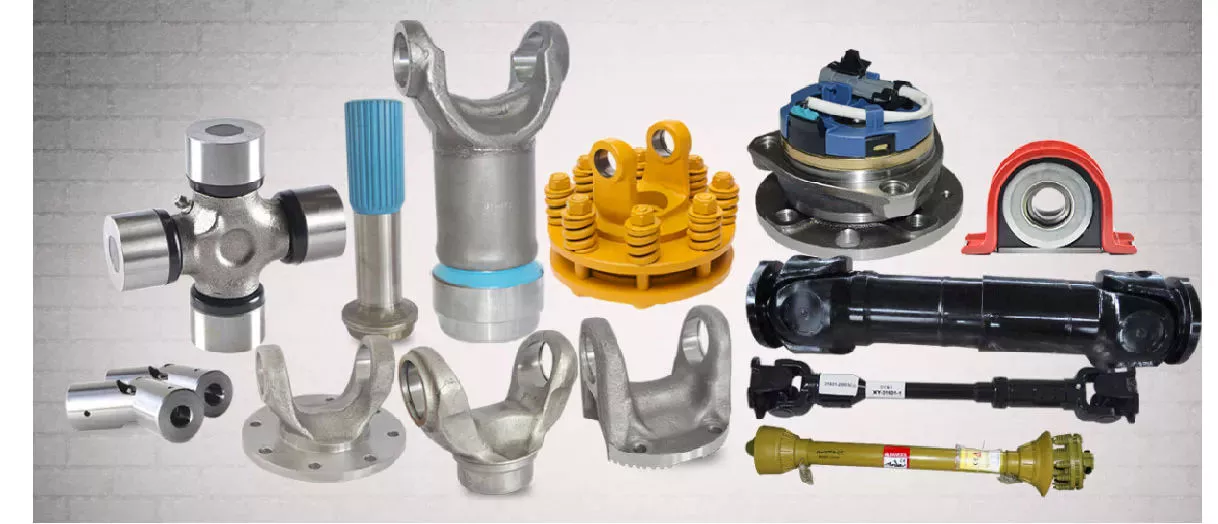
Are there variations in PTO shaft designs for different types of machinery?
Yes, there are variations in PTO (Power Take-Off) shaft designs to accommodate the specific requirements of different types of machinery. PTO shafts are highly versatile and adaptable components used to transfer power from a power source, such as a tractor or engine, to driven machinery or equipment. The design variations in PTO shafts are necessary to ensure compatibility, efficiency, and safety in various applications. Here’s a detailed explanation of the different PTO shaft designs for different types of machinery:
1. Standard PTO Shafts: Standard PTO shafts are the most common design and are widely used in a variety of applications. They typically consist of a solid steel shaft with a universal joint at each end. These universal joints allow for angular misalignment between the power source and the driven machinery. Standard PTO shafts are suitable for applications where the distance between the power source and the driven machinery remains relatively fixed. They are commonly used in agricultural implements, such as mowers, balers, tillers, and seeders, as well as in industrial applications.
2. Telescopic PTO Shafts: Telescopic PTO shafts feature a telescoping design that allows for length adjustment. These shafts consist of two or more concentric shafts that can slide within each other. Telescopic PTO shafts are beneficial in applications where the distance between the power source and the driven machinery varies. By adjusting the length of the shaft, operators can ensure proper power transmission without the risk of the shaft dragging on the ground or being too short to reach the equipment. Telescopic PTO shafts are commonly used in front-mounted implements, snow blowers, self-loading wagons, and other applications where the distance between the power source and the implement changes.
3. CV (Constant Velocity) PTO Shafts: CV PTO shafts incorporate Constant Velocity joints to accommodate misalignment and angular variations. These joints maintain a constant speed and torque transfer even when the driven machinery is at an angle relative to the power source. CV PTO shafts are beneficial in applications where the driven machinery requires flexibility and a wide range of movement. They are commonly used in articulated loaders, telescopic handlers, self-propelled sprayers, and other equipment that requires continuous power transmission while operating at various angles.
4. Gearbox Driven PTO Shafts: Some machinery requires specific speed or torque ratios between the power source and the driven equipment. In such cases, PTO shafts may incorporate gearbox systems. Gearbox driven PTO shafts allow for speed reduction or increase and can change the rotational direction if necessary. The gear ratios in the gearbox can be adjusted to match the speed and torque requirements of the driven machinery. These PTO shafts are commonly used in applications where the power source operates at a different speed or torque level than the equipment it drives, such as in certain industrial manufacturing processes and specialized machinery.
5. High-Torque PTO Shafts: Some heavy-duty machinery requires high torque levels for power transmission. High-torque PTO shafts are designed to handle these demanding applications. They are constructed with reinforced components, including larger diameter shafts and heavier-duty universal joints, to withstand the increased torque requirements. High-torque PTO shafts are commonly used in equipment such as wood chippers, crushers, and heavy-duty agricultural implements that require substantial power and torque for their operation.
6. Safety PTO Shafts: Safety is a crucial consideration when using PTO shafts. Safety PTO shafts incorporate mechanisms to reduce the risk of accidents and injuries. One common safety feature is the use of protective guards that cover the rotating shaft to prevent accidental contact. These guards are typically made of metal or plastic and are designed to shield the rotating components while allowing the necessary movement for power transmission. Safety PTO shafts are used in various applications where the risk of entanglement or accidental contact with the rotating shaft is high, such as in grass mowers, rotary cutters, and other equipment used in landscaping and agriculture.
These are some of the key variations in PTO shaft designs for different types of machinery. The specific design used depends on factors such as the application requirements, power source characteristics, torque levels, movement flexibility, and safety considerations. PTO shaft manufacturers offer a range of designs to ensure compatibility and efficient power transmission in diverse industries and applications.

How do PTO shafts enhance the performance of tractors and agricultural machinery?
Power Take-Off (PTO) shafts play a crucial role in enhancing the performance of tractors and agricultural machinery. By providing a reliable power transfer mechanism, PTO shafts enable these machines to operate efficiently, effectively, and with increased versatility. Here’s a detailed explanation of how PTO shafts enhance the performance of tractors and agricultural machinery:
1. Transferencia de potencia: PTO shafts facilitate the transfer of power from the tractor’s engine to various agricultural implements and machinery. The rotating power generated by the engine is transmitted through the PTO shaft to drive the connected equipment. This direct power transfer eliminates the need for separate engines or motors on each implement, reducing complexity, weight, and maintenance requirements. PTO shafts ensure a consistent and reliable power supply, enabling agricultural machinery to perform tasks with optimal efficiency and effectiveness.
2. Versatilidad: PTO shafts provide tractors and agricultural machinery with increased versatility. Since PTO shafts have standardized dimensions and connection methods, a wide range of implements can be easily attached and powered by the same tractor. This versatility allows farmers to quickly switch between different tasks, such as mowing, tilling, planting, and harvesting, without the need for multiple specialized machines. The ability to use a single power unit for various operations reduces costs, saves storage space, and improves overall operational efficiency.
3. Improved Productivity: PTO shafts contribute to improved productivity in agricultural operations. By harnessing the power of tractors, agricultural machinery can operate at higher speeds and with greater efficiency compared to manual or alternative power methods. PTO-driven implements, such as mowers, balers, and harvesters, can cover larger areas and complete tasks more quickly, reducing the time required to perform agricultural operations. This increased productivity allows farmers to accomplish more within a given timeframe, leading to higher crop yields and improved overall farm efficiency.
4. Reduced Labor Requirements: PTO shafts help reduce labor requirements in agricultural operations. By utilizing mechanized equipment powered by PTO shafts, farmers can minimize manual labor and the associated physical effort. Tasks such as plowing, tilling, and harvesting can be performed more efficiently and with less reliance on human labor. This reduction in labor requirements allows farmers to allocate resources more effectively, focus on other essential tasks, and potentially reduce labor costs.
5. Precision and Accuracy: PTO shafts contribute to precision and accuracy in agricultural operations. The consistent power supply from the tractor’s engine ensures uniform operation and performance of the connected machinery. This precision is crucial for tasks such as seed placement, fertilizer or chemical application, and crop harvesting. PTO-driven equipment can provide consistent rotations per minute (RPM) and maintain the necessary operational parameters, resulting in precise and accurate agricultural practices. This precision leads to improved crop quality, reduced waste, and optimized resource utilization.
6. Adaptability to Various Tasks: PTO shafts enhance the adaptability of tractors and agricultural machinery to perform various tasks. With the ability to connect different implements, such as mowers, seeders, sprayers, or balers, via PTO shafts, farmers can quickly transform their tractors into specialized machines for specific operations. This adaptability allows for efficient utilization of equipment across different stages of crop production, enabling farmers to respond to changing needs and conditions in a cost-effective manner.
7. Enhanced Safety: PTO shafts contribute to enhanced safety in agricultural operations. Many PTO shafts are equipped with safety features, such as shields or guards, to protect operators from potential hazards associated with rotating components. These safety measures help prevent entanglement accidents and reduce the risk of injuries. Additionally, by using PTO-driven machinery, farmers can keep a safe distance from certain hazardous tasks, such as mowing or shredding, further improving overall safety on the farm.
8. Integration with Technology: PTO shafts can be integrated with advanced technology and automation systems in modern tractors and agricultural machinery. This integration allows for precise control, data monitoring, and optimization of machine performance. For example, precision guidance systems can be synchronized with PTO-driven implements to ensure accurate seed placement or chemical application. Furthermore, data collection and analysis can provide insights into fuel efficiency, maintenance needs, and overall equipment performance, leading to optimized operation and improved productivity.
In summary, PTO shafts enhance the performance of tractors and agricultural machinery by enabling efficient power transfer, increasing versatility, improving productivity, reducing labor requirements, ensuring precision and accuracy, facilitating adaptability, enhancing safety, and integrating with advanced technologies. These benefits contribute to overall operational efficiency, cost-effectiveness, and the ability of farmers to effectively manage theiragricultural operations.
¿Podría explicar los diferentes tipos de ejes de toma de fuerza (PTO) y sus aplicaciones?
Los ejes de toma de fuerza (PTO) se presentan en varios tipos, cada uno diseñado para aplicaciones y requisitos específicos. Los diferentes tipos de ejes PTO ofrecen versatilidad y compatibilidad con una amplia gama de maquinaria e implementos. A continuación, se explican los tipos más comunes de ejes PTO y sus aplicaciones:
1. Eje de toma de fuerza estándar: El eje de toma de fuerza estándar, también conocido como eje estriado, es el tipo más común en maquinaria agrícola e industrial. Consiste en un eje de acero macizo con estrías o ranuras a lo largo de su longitud. El eje de toma de fuerza estándar suele tener seis estrías, aunque existen variantes con cuatro u ocho. Este tipo de eje se utiliza ampliamente en tractores y diversos implementos, como segadoras, empacadoras, cultivadoras y desbrozadoras rotativas. Las estrías proporcionan una conexión segura entre la fuente de energía y la maquinaria accionada, garantizando una transmisión de potencia eficiente.
2. Perno de seguridad del eje de la toma de fuerza: Los ejes de toma de fuerza con perno de seguridad están diseñados con un mecanismo que permite la separación del eje en caso de sobrecarga o impacto repentino, protegiendo así los componentes de la transmisión. Estos ejes incorporan un mecanismo de perno de seguridad que conecta la toma de fuerza del tractor con la maquinaria accionada. En caso de carga excesiva o resistencia repentina, el perno de seguridad se rompe, desconectando el eje de toma de fuerza y evitando daños a la transmisión. Los ejes de toma de fuerza con perno de seguridad se utilizan comúnmente en equipos que pueden encontrar obstáculos repentinos o situaciones de alta tensión, como trituradoras de madera, desbrozadoras de tocones y cortadoras rotativas de alta resistencia.
3. Embrague de fricción del eje de la toma de fuerza: Los ejes de toma de fuerza con embrague de fricción incorporan un mecanismo que permite un acoplamiento y desacoplamiento suaves de la transmisión de potencia. Estos ejes suelen incluir un disco de fricción y una placa de presión, similar a un sistema de embrague convencional. El embrague de fricción permite acoplar o desacoplar gradualmente la transmisión de potencia, reduciendo las cargas de impacto y minimizando el desgaste de los componentes de la transmisión. Los ejes de toma de fuerza con embrague de fricción se utilizan habitualmente en aplicaciones donde se requiere un control preciso del acoplamiento de potencia, como en bombas hidráulicas, generadores y mezcladoras industriales.
4. Eje de toma de fuerza de velocidad constante (CV): Los ejes de toma de fuerza de velocidad constante (CV PTO), también conocidos como ejes homocinéticos, están diseñados para soportar grandes ángulos de desalineación sin afectar la transmisión de potencia. Utilizan un mecanismo de junta universal que permite una transferencia de potencia fluida incluso cuando la maquinaria accionada se encuentra inclinada con respecto a la fuente de energía. Los ejes CV PTO se utilizan frecuentemente en aplicaciones donde la maquinaria requiere un amplio rango de movimiento o articulación, como en cargadoras articuladas, manipuladores telescópicos y pulverizadores autopropulsados.
5. Eje de toma de fuerza telescópico: Las tomas de fuerza telescópicas son ajustables en longitud, lo que permite flexibilidad en la configuración del equipo y variar las distancias entre la fuente de alimentación y la maquinaria accionada. Consisten en dos o más ejes concéntricos que se deslizan uno dentro del otro, permitiendo extender o retraer la toma de fuerza según sea necesario. Las tomas de fuerza telescópicas se utilizan comúnmente en aplicaciones donde la distancia entre la toma de fuerza del tractor y el implemento varía, como en implementos frontales, quitanieves y remolques autocargables. El diseño telescópico facilita la adaptación a diferentes configuraciones de equipo y minimiza el riesgo de que la toma de fuerza se arrastre por el suelo.
6. Eje de la toma de fuerza de la caja de engranajes: Los ejes de toma de fuerza con reductora están diseñados para adaptar la transmisión de potencia entre diferentes velocidades o direcciones de rotación. Incorporan un mecanismo de engranajes que permite reducir o aumentar la velocidad, así como cambiar el sentido de giro. Estos ejes se utilizan habitualmente en aplicaciones donde la maquinaria accionada requiere una velocidad o dirección de rotación diferente a la de la toma de fuerza del tractor. Algunos ejemplos son los sinfines para grano, las mezcladoras de pienso y los equipos industriales que requieren relaciones de velocidad específicas o capacidad de inversión de giro.
Es importante tener en cuenta que la disponibilidad y las aplicaciones específicas de los distintos tipos de ejes de toma de fuerza (TDF) pueden variar según factores regionales y propios de cada sector. Además, ciertas máquinas o implementos pueden requerir ejes de TDF especializados o personalizados para cumplir con requisitos específicos.
En resumen, los distintos tipos de ejes de toma de fuerza (TDF), como los estándar, de perno de seguridad, de embrague de fricción, de velocidad constante (VC), telescópicos y de caja de engranajes, ofrecen versatilidad y compatibilidad con diversas máquinas e implementos. Cada tipo de eje de TDF está diseñado para satisfacer necesidades específicas, como la eficiencia en la transferencia de potencia, la seguridad, el acoplamiento suave, la tolerancia a la desalineación, la adaptabilidad y el ajuste de velocidad y dirección. Comprender los diferentes tipos de ejes de TDF y sus aplicaciones es fundamental para seleccionar el eje adecuado para la maquinaria prevista y garantizar un rendimiento y una fiabilidad óptimos.

editor by CX 2024-04-29























