
Descripción del Producto
|
Solicitud |
|||||
|
• Agricultural equipment |
• Armament |
• Automobile industry |
• Computing equipment |
• Medical / dental instruments |
• Measuring instruments |
|
•Miscellaneous equipment |
•Pharmaceutical industry |
• Orthopedic implants |
• Safety equipment |
• Petrochemical industry |
• Industrial valves |
|
•Fixing and movable equipment |
• Sanitary fittings |
• General machinery |
• Pumps and general connections |
• Food and beverage processing |
• Instrumentation equipment |
|
Nombre del producto: |
Factory Custom Made As Drawing Parts Small Electric Motor Pto Shaft |
|
Applicable Machining Process |
CNC Machining/ Lathing/ Milling/ Turning/ Boring/ Drilling/ Tapping/ |
|
Machining Tolerance |
From 0.005mm-0.01mm-0.1mm |
|
Machined Surface Quality |
Ra 0.8-Ra3.2 according to customer requirement |
|
Applicable Heat Treatment |
T5~T6 |
|
MOQ for batch order |
For cnc machining metal parts: 50 pcs |
|
Plazo de entrega |
7-20 days for precision drilled shaft |
|
Main Materials |
Steel: carbon steel, alloy steel, stainless steel, 4140,20#,45# ,40Cr,20Cr ,etc |
|
Aluminum: AL6061,AL6063,AL6082,AL7075,AL5052 etc. |
|
|
Stainless steel: 201SS,301SS,304SS,316SS etc. |
|
|
Brass: C37700,C28000, C11000,C36000 etc |
|
|
Tratamiento de superficies |
Stainless Steel: Polishing, Passivating, Sandblasting, Laser engraving |
|
Steel: Zinc plating, Oxide black, Nickel plating, Chrome platingk, Carburized, Powder Coated |
|
|
Aluminum parts: Clear Anodized, Color Anodized, Sandblast Anodized, Chemical Film,Brushing,Polishing |
Technical Support:
ZheJiang Matech is professional at independent development and design. Our engineers are skilled at AUTO CAD, PRO ENGINEER, SOLID WORKS and other 2D & 3D softwares. We are able to design, develop,produce and deliver your PO according to your drawings, samples or just an idea. Dural control of standard products and OEM products.
Quality Control:
1) Checking the raw material after they reach our factory——- Incoming quality control ( IQC)
2) Checking the details before the production line operated
3) Have full inspection and routing inspection during mass production—In process quality control(IPQC)
4) Checking the goods after they are finished—- Final quality control(FQC)
5) Checking the goods after they are finished—–Outgoing quality control(OQC)
Our Factory
ZheJiang CHINAMFG Machinery Manufacture Co., Ltd.
–Branch of CHINAMFG Industry Ltd.
We specialize in Metal Parts Solution for Vehicle, Agriculture machine, Construction Machine, transportation equipment, Valve and Pump system.
With keeping manufacturing process design, quality plHangZhou, key manufacturing processes and final quality control in house.
We are mastering key competence to supply quality mechanical parts and assembly to our customers for both Chinese and Export Market.
To satisfy different mechanical and functional requirements from our customers we are making a big range of metal products for our clients on base of different blanks solutions and technologies.
These blanks solutions and technologies include processes of Iron Casting, Steel Casting, Stainless Steel Casting, Aluminum Casting and Forging.
During the early involvement of the customer’s design process we are giving professional input to our customers in terms of process feasibility, cost reduction and function approach.
You are welcome to contact us for technical enquiry and business cooperation.
Our Certificate
Our Customer
Our Team
Our Package
Inner Packing →Strong & waterproof plastic big is packed inside, to keep the product in safe condition.Or as customer requests.
Outer Packing →Multilayer wooden box with strong bandages, used for standard export package. Or customized as per customer’s requirements.
Related Products
Preguntas frecuentes
1Q: Are you trading company or manufacturer?
A: We are a factory, so we can provide competitive price and fast delivery for you.
2Q: What kind of service can you provide?
A: Our company can provide custom casting, CNC machining, surface treatment according to your requirements.
3Q: What’s kinds of information you need for a quote?
A: In order to quote for you earlier, please provide us the following information together with your inquiry.
1. Detailed drawings (STEP, CAD, CHINAMFG Works, PROE, DXF and PDF)
2. Material requirement (SUS, SPCC, SECC, SGCC, Copper, AL, ETC.)
3. Surface treatment (powder coating, sand blasting, planting, polishing, oxidization, brushing, etc.)
4. Quantity (per order/ per month/ annual)
5. Any special demands or requirements, such as packing, labels, delivery, etc.
4Q: What shall we do if we do not have drawings?
A: Please send your sample to our factory, then we can copy or provide you better solutions. Please send us pictures or drafts with dimensions (Thickness, Length, Height, Width), CAD or 3D file will be made for you if placed order.
5Q: What makes you different from others?
A: 1. Our Excellent Service
We will submit the quotation in 48 hours if getting detailed information during working days.
2. Our quick manufacturing time
For Normal orders, we will promise to produce within 3 to 4 weeks.
As a factory, we can ensure the delivery time according to the formal contract.
6Q: Is it possible to know how are my products going on without visiting your company?
A: We will offer a detailed production schedule and send weekly reports with photos or videos which show the machining progress.
7Q: Can I have a trial order or samples only for several pieces?
A: As the product is customized and need to be produced, we will charge sample cost, but if the sample is not more expensive, we will refund the sample cost after you placed mass orders.
8Q: Why there is tooling cost?
A: It’s mold cost. Indispensable production process. Only need to pay for first order, and we will bear maintenance cost of mold damage.
9Q: What is your terms of payment?
A: Payment of sample order ≤ 1000USD, 100% T/T full payment.
Payment of tooling or batch order ≥ 5000USD, 70% T/T in advance, balance before shipment.
10Q: What’s your after-sale service?
A: If there is quality problem, please provide photos or test report, we will replace defective goods or return funds.
If you have any other questions please find us online, or send messages via email, WhatsApp for better communication! /* 10 de marzo de 2571 17:59:20 */!function(){function s(e,r){var a,o={};try{e&&e.split(“”,).forEach(function(e,t){e&&(a=e.match(/(.*?):(.*)$/))&&1
| Material: | Carbon Steel |
|---|---|
| Carga: | Customized Shafts |
| Rigidez y flexibilidad: | Flexible Shaft |
| Personalización: |
Disponible
| Solicitud personalizada |
|---|
.shipping-cost-tm .tm-status-off{fondo: ninguno;relleno:0;color: #1470cc}
|
Costo de envío:
Flete estimado por unidad. |
Sobre el costo de envío y el tiempo estimado de entrega. |
|---|
| Método de pago: |
|
|---|---|
|
Pago inicial Pago completo |
| Divisa: | US$ |
|---|
| Devoluciones y reembolsos: | Puede solicitar un reembolso hasta 30 días después de la recepción de los productos. |
|---|
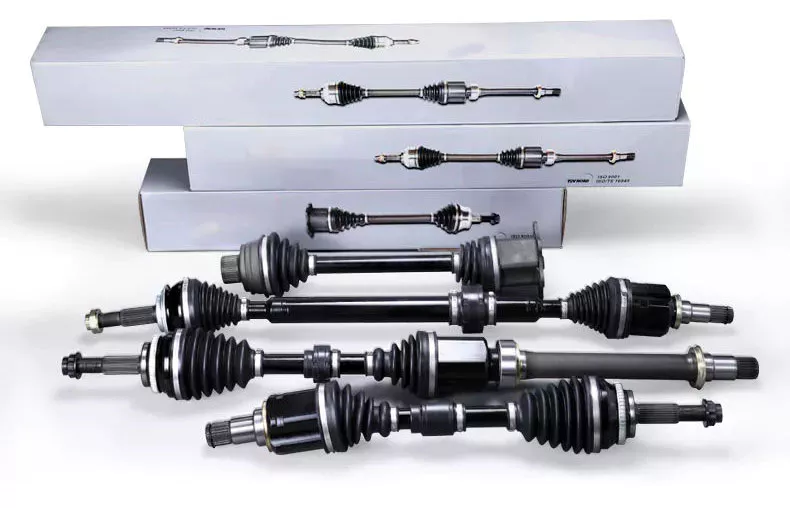
¿Cómo garantizan los ejes de la toma de fuerza una transferencia de potencia eficiente sin comprometer la seguridad?
Los ejes de toma de fuerza (TDF) desempeñan un papel crucial para garantizar una transferencia de potencia eficiente desde la fuente de energía a la maquinaria o el equipo accionado, manteniendo al mismo tiempo la seguridad. Estos ejes están diseñados con diversas características y mecanismos para optimizar la eficiencia de la transmisión de potencia y mitigar los riesgos potenciales. A continuación, se explica detalladamente cómo los ejes de TDF logran una transferencia de potencia eficiente priorizando la seguridad:
1. Transmisión de potencia mecánica: Los ejes de toma de fuerza (TDF) actúan como enlaces mecánicos entre la fuente de energía, generalmente un tractor o un motor, y la maquinaria accionada. Transmiten la potencia rotacional desde la fuente de energía al equipo, lo que permite una transferencia eficiente de energía. El diseño mecánico de los ejes de TDF, incluyendo su diámetro, longitud y composición del material, está optimizado para minimizar las pérdidas de potencia durante la transmisión, asegurando que una parte significativa de la potencia generada por la fuente se transmita eficazmente a la maquinaria.
2. Juntas universales y acoplamientos flexibles: Los ejes de la toma de fuerza (TDF) están equipados con juntas universales y acoplamientos flexibles que permiten la desalineación angular y una mayor flexibilidad de movimiento. Las juntas universales compensan las variaciones en la alineación entre la fuente de energía y la maquinaria accionada, lo que permite una transmisión de potencia fluida incluso cuando ambos componentes no están perfectamente alineados. Los acoplamientos flexibles ayudan a compensar pequeñas desalineaciones, reducen las vibraciones y evitan tensiones excesivas en el eje y los componentes conectados, mejorando así la eficiencia y reduciendo el riesgo de fallos o daños mecánicos.
3. Juntas de velocidad constante (CV): Las juntas homocinéticas se utilizan frecuentemente en ejes de toma de fuerza (TDF) para mantener una velocidad y un par constantes, especialmente en aplicaciones donde la maquinaria accionada requiere flexibilidad o funciona en diferentes ángulos. Estas juntas permiten una transmisión de potencia fluida y sin fluctuaciones significativas, incluso cuando la maquinaria accionada se encuentra en ángulo con respecto a la fuente de energía. Al minimizar las variaciones de velocidad y la pérdida de potencia debida a los cambios de ángulo, las juntas homocinéticas contribuyen a una transferencia de potencia eficiente, garantizando un rendimiento constante y reduciendo la probabilidad de tensión mecánica o desgaste prematuro.
4. Protectores y escudos de seguridad: La seguridad es una consideración primordial en el diseño de los ejes de toma de fuerza (TDF). Se instalan protectores y cubiertas para proteger el eje giratorio y otras piezas móviles. Estos protectores actúan como barreras físicas para evitar el contacto accidental con los componentes giratorios, reduciendo significativamente el riesgo de atrapamiento, lesiones o daños. Los protectores de seguridad suelen estar fabricados con materiales duraderos como metal o plástico y están diseñados para permitir el movimiento necesario para la transmisión de potencia, a la vez que proporcionan una protección adecuada. La inspección y el mantenimiento periódicos de estos protectores son cruciales para garantizar su eficacia en el mantenimiento de la seguridad.
5. Mecanismos de perno de seguridad o embrague deslizante: Los ejes de la toma de fuerza (TDF) suelen incorporar pernos de seguridad o embragues deslizantes como elementos de protección para salvaguardar los componentes de la transmisión y evitar daños en caso de torsión excesiva o resistencia repentina. Los pernos de seguridad están diseñados para romperse cuando la torsión supera un umbral predeterminado, desconectando el eje de la TDF de la fuente de alimentación. Esto ayuda a prevenir daños en el eje, la maquinaria accionada y la fuente de alimentación. Los embragues deslizantes funcionan de manera similar, permitiendo que el eje de la TDF se deslice cuando se encuentra una resistencia excesiva, protegiendo así los componentes de sobrecargas. Estos mecanismos actúan como medidas de seguridad para mantener la integridad del eje de la TDF y el equipo asociado, minimizando el riesgo de fallos mecánicos o accidentes.
6. Cumplimiento de las normas de seguridad: Los ejes de toma de fuerza (TDF) están diseñados y fabricados para cumplir con las normas y regulaciones de seguridad pertinentes. Los fabricantes siguen las directrices y los requisitos establecidos por organizaciones como la Sociedad Americana de Ingenieros Agrícolas y Biológicos (ASABE) u otras autoridades regionales de seguridad. El cumplimiento de estas normas garantiza que los ejes de TDF cumplan con criterios de seguridad específicos, incluyendo la capacidad de torsión, el diseño de la protección y otras consideraciones de seguridad. Los usuarios pueden confiar en ejes de TDF estandarizados que han sido sometidos a pruebas y certificación, lo que proporciona una garantía adicional sobre su seguridad y rendimiento.
7. Formación y capacitación del operador: Para garantizar un funcionamiento seguro y eficiente, es fundamental que los operarios reciban la formación y capacitación adecuadas sobre los ejes de toma de fuerza (TDF). Deben conocer las características de seguridad específicas, los requisitos de mantenimiento y los procedimientos de operación seguros de los ejes de TDF que utilizan en sus aplicaciones. Esto incluye comprender la importancia de usar el equipo de protección personal adecuado, inspeccionar periódicamente el equipo para detectar desgaste o daños y seguir los programas de mantenimiento recomendados. La concienciación y el cumplimiento de los protocolos de seguridad por parte de los operarios contribuyen significativamente a mantener un entorno de trabajo seguro y a maximizar la eficiencia de la transmisión de potencia.
En resumen, los ejes de toma de fuerza (TDF) garantizan una transferencia de potencia eficiente y segura gracias a su diseño mecánico, la incorporación de juntas universales y juntas homocinéticas, la instalación de protecciones y cubiertas de seguridad, la implementación de mecanismos de embrague deslizante o de perno de seguridad, el cumplimiento de las normas de seguridad y la capacitación del operador. Al combinar estas características y prácticas, los ejes de TDF proporcionan una transmisión de potencia fiable y segura, minimizando las pérdidas de potencia y los riesgos potenciales asociados a su funcionamiento.

How do PTO shafts handle variations in load and torque during operation?
PTO (Power Take-Off) shafts are designed to handle variations in load and torque during operation by employing specific mechanisms and features that ensure efficient power transfer and protection against overload conditions. Here’s a detailed explanation of how PTO shafts handle variations in load and torque:
1. Mechanical Design: PTO shafts are engineered with robust mechanical design principles that enable them to handle variations in load and torque. They are typically constructed using high-strength materials such as steel, which provides durability and resistance to bending or twisting forces. The shaft’s diameter, wall thickness, and overall dimensions are carefully calculated to withstand the expected torque levels and load variations. The mechanical design of the PTO shaft ensures that it can transmit power reliably and accommodate the dynamic forces encountered during operation.
2. Universal Joints: Universal joints are a key component of PTO shafts that allow for flexibility and compensation of misalignment between the power source and driven machinery. These joints can accommodate variations in angular alignment, which may occur due to changes in load or movement of the machinery. Universal joints consist of a cross-shaped yoke with needle bearings that allow for smooth rotation and transfer of torque, even when the shafts are not perfectly aligned. The design of universal joints enables PTO shafts to handle variations in load and torque while maintaining consistent power transmission.
3. Slip Clutches: Slip clutches are often incorporated into PTO shafts to provide overload protection. These clutches allow the PTO shaft to slip or disengage momentarily when excessive torque or resistance is encountered. Slip clutches typically consist of friction plates that can be adjusted to a specific torque setting. When the torque surpasses the predetermined limit, the clutch slips, preventing damage to the PTO shaft and connected equipment. Slip clutches are particularly useful when sudden changes in load or torque occur, providing a safety mechanism to protect the PTO shaft and associated machinery.
4. Torque Limiters: Torque limiters are another protective feature found in some PTO shafts. These devices are designed to automatically disengage the power transmission when a predetermined torque threshold is exceeded. Torque limiters can be mechanical, such as shear pin couplings or friction clutches, or electronic, utilizing sensors and control systems. When the torque exceeds the set limit, the torque limiter disengages, preventing further power transfer and protecting the PTO shaft from overload conditions. Torque limiters are effective in handling sudden spikes in torque and safeguarding the PTO shaft and associated equipment.
5. Maintenance and Inspection: Regular maintenance and inspection of PTO shafts are essential to ensure their proper functioning and ability to handle variations in load and torque. Routine maintenance includes lubrication of universal joints, inspection of shaft integrity, and tightening of fasteners. Regular inspections allow for early detection of wear, misalignment, or other issues that may affect the PTO shaft’s performance. By addressing maintenance and inspection requirements, operators can identify and address any concerns that may arise due to variations in load and torque, ensuring the continued safe and efficient operation of the PTO shaft.
6. Operator Awareness and Control: Operators play a crucial role in managing variations in load and torque during PTO shaft operation. They should be aware of the machinery’s operational limits, including the recommended torque ratings and load capacities of the PTO shaft. Proper training and understanding of the equipment’s capabilities enable operators to make informed decisions and adjust the operation when encountering significant load or torque changes. Operators should also be vigilant in monitoring the equipment’s performance, watching for any signs of excessive vibration, noise, or other indications of potential issues related to load and torque variations.
By incorporating robust mechanical design, utilizing universal joints, slip clutches, torque limiters, and implementing proper maintenance practices, PTO shafts are equipped to handle variations in load and torque during operation. These features ensure reliable power transmission, protect against overload conditions, and contribute to the safe and efficient functioning of the PTO shaft and the machinery it drives.

What benefits do PTO shafts offer for various types of machinery?
PTO shafts (Power Take-Off shafts) offer several benefits for various types of machinery in agricultural and industrial applications. They provide a flexible and efficient means of power transmission, enabling machinery to perform specific tasks and functions. Here’s a detailed explanation of the benefits that PTO shafts offer for different types of machinery:
Versatility: PTO shafts contribute to the versatility of machinery by allowing them to be powered by a common power source, such as a tractor or an engine. This means that a single power source can be used to drive multiple implements or machines by simply connecting and disconnecting the PTO shaft. For example, in agriculture, a tractor equipped with a PTO shaft can power various implements such as mowers, balers, tillers, sprayers, and grain augers. Similarly, in industrial applications, PTO shafts enable the use of a single engine or motor to power different machines or equipment, such as generators, pumps, compressors, and industrial mixers.
Eficiencia: PTO shafts offer an efficient method of power transfer from the power source to the machinery. By directly connecting the power source to the driven machine, PTO shafts minimize energy losses that may occur with other power transmission methods. This direct power transfer results in improved overall efficiency and performance of the machinery. Additionally, PTO shafts allow for the adjustment of rotational speed and power output to match the requirements of the specific machinery, ensuring optimal operation and reducing unnecessary energy consumption.
Cost Savings: The use of PTO shafts can lead to cost savings in multiple ways. Firstly, by utilizing a single power source to drive multiple machines or implements, the need for separate engines or motors for each piece of equipment is eliminated, reducing capital costs. Secondly, PTO shafts eliminate the requirement for additional fuel or energy sources, as they tap into the existing power source, resulting in lower fuel or energy expenses. Additionally, the versatility offered by PTO shafts allows for improved equipment utilization, maximizing the return on investment.
Flexibility: PTO shafts provide flexibility in terms of equipment setup and configuration. They can be adjusted in length or equipped with telescopic sections, allowing for easy adaptation to different equipment arrangements and varying distances between the power source and the driven machinery. This flexibility enables operators to quickly connect and disconnect the PTO shafts as needed, facilitating efficient equipment changes and reducing downtime. Moreover, the ability to adjust the rotational speed and power output of the PTO shafts adds further flexibility, accommodating the specific requirements of different machinery and applications.
Ease of Use: PTO shafts are relatively easy to use, making them accessible to operators with minimal training. The process of connecting and disconnecting the PTO shafts is straightforward, often involving a simple coupling or locking mechanism. This ease of use enhances equipment operability, allowing operators to quickly switch between different implements or machines without significant effort or time-consuming procedures. Furthermore, the direct power transfer through PTO shafts simplifies equipment operation, as the machinery can be powered by the existing power source without the need for additional controls or power management systems.
Increased Productivity: PTO shafts contribute to increased productivity in agricultural and industrial operations. By enabling the use of versatile machinery configurations, operators can perform a wide range of tasks using a single power source. This eliminates the need for manual labor or the use of multiple machines, streamlining workflow and reducing the time required to complete various operations. The efficiency and reliability of power transfer through PTO shafts also contribute to improved productivity by ensuring consistent and effective operation of machinery, resulting in enhanced output and reduced downtime.
Safety: While not directly related to machinery performance, PTO shafts also offer safety benefits. The implementation of safety shields or guards on PTO shafts helps prevent accidental contact with the rotating shaft, reducing the risk of injuries to operators. These safety features are designed to cover the rotating shaft and universal joints, ensuring that operators cannot come into contact with them during operation. Proper training on PTO shaft operation and adherence to safety guidelines further enhance operator safety when working with PTO-driven machinery.
In summary, PTO shafts offer a range of benefits for various types of machinery. These benefits include increased versatility, improved efficiency, cost savings, flexibility in equipment configurations, ease of use, increased productivity, and enhanced operator safety. PTO shafts play a crucial role in agricultural and industrial applications by enabling the direct power transfer from a common power source to different machines or implements, resulting in optimized performance and operational effectiveness.


editor by CX 2024-01-10























