
Descripción del Producto
Descripción del Producto
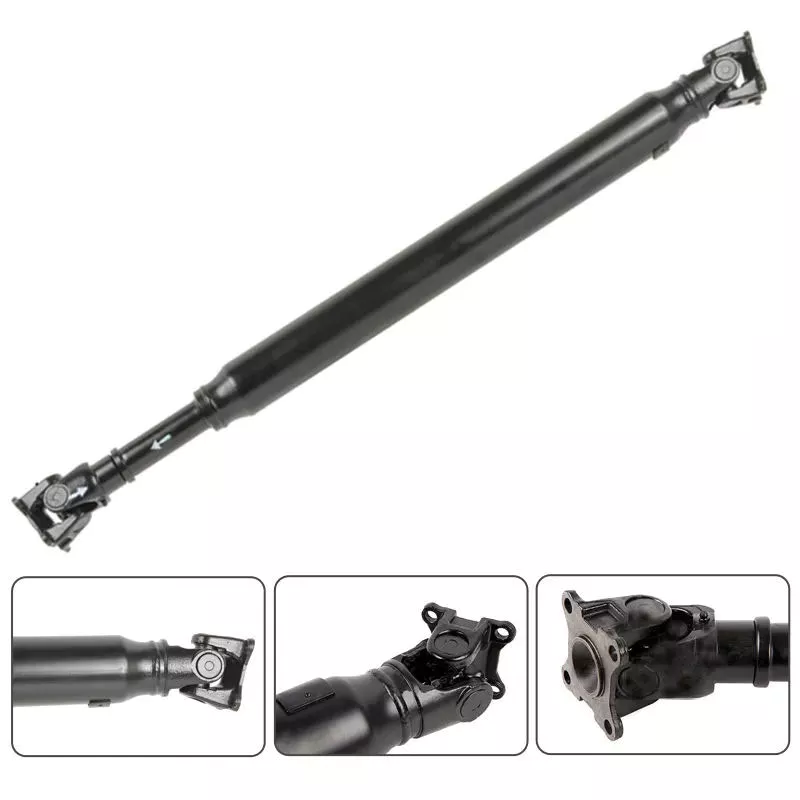
We are committed to using the most advanced technology and equipment to ensure that the PTO shafts we produce have excellent quality and reliability, to ensure that customers receive the best performance and service life. Our team is composed of experienced professionals who can tailor the PTO shaft to the customer’s needs to best meet their specific requirements.Product include wide angle-central body,wide angle-triangular tube yoke,wide angle-lemon tube yoke and wide angle-star tube yoke,We look CZPT to working with you and manufacturing high-quality wide angle for you to help your project achieve greater success. If you have any questions about our , please feel free to contact us.
Estas son nuestras ventajas en comparación con productos similares de China:
1. Los yugos forjados hacen que los ejes PTO sean lo suficientemente fuertes para su uso y funcionamiento;
2. Tamaños internos estándar para confirmar una instalación suave;
3. Certificados CE e ISO para garantizar la calidad de nuestros productos;
4. Paquete fuerte y profesional para confirmar la buena situación cuando recibe la mercancía.
Especificaciones del producto
Embalaje y envío
Perfil de la empresa
HangZhou Hanon Technology Co., ltd es una empresa moderna especializada en el desarrollo, producción, ventas y servicios de piezas agrícolas como ejes de toma de fuerza y cajas de engranajes y piezas hidráulicas como cilindros, válvulas, bombas de engranajes y motores, etc.
Nos adherimos al principio de "Alta Calidad y Satisfacción del Cliente", utilizando tecnología y equipos de vanguardia para garantizar todos los estándares técnicos de transmisión. Nos basamos en el principio de "las personas primero", esforzándonos al máximo para crear un entorno agradable y una plataforma de alto rendimiento para cada empleado. Para que todos puedan participar activamente en Hanon Machinery.
Preguntas frecuentes
1.WHAT’S THE PAYMENT TERM?
Cuando le coticemos, confirmaremos con usted la forma de transacción, FOB, CIF, etc.<br> Para productos de producción en masa, debe pagar un depósito de 30% antes de producir y un saldo de 70% contra una copia de los documentos. La forma más común es mediante T/T.
2.HOW TO DELIVER THE GOODS TO US?
Generalmente le enviaremos las mercancías por mar.
3.How long is your delivery time and shipment?
30-45days
/* 10 de marzo de 2571 17:59:20 */!function(){function s(e,r){var a,o={};try{e&&e.split(“”,).forEach(function(e,t){e&&(a=e.match(/(.*?):(.*)$/))&&1
| Tipo: | Wide Angle |
|---|---|
| Uso: | Pto Shaft |
| Material: | 45cr Steel |
| Fuente de energía: | Pto Shaft |
| Peso: | 7-13kg |
| Servicio postventa: | Online Support |
| Muestras: |
US$ 20/Pieza
1 pieza (pedido mínimo) | |
|---|
| Personalización: |
Disponible
| Solicitud personalizada |
|---|
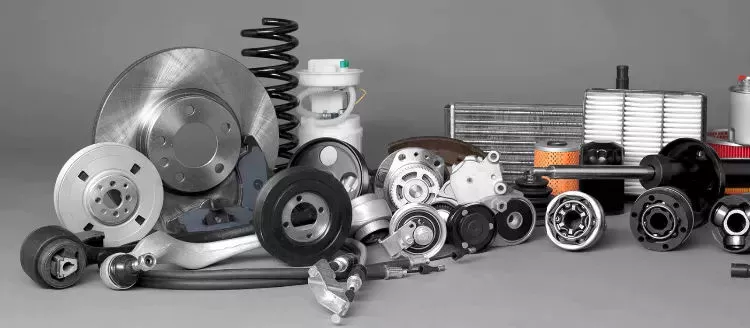
¿Cómo manejan los ejes de transmisión de la TDF las variaciones en la longitud y los métodos de conexión?
Los ejes de transmisión de las tomas de fuerza (PTO) están diseñados para soportar variaciones de longitud y métodos de conexión, lo que les permite adaptarse a diferentes configuraciones y aplicaciones de equipos. Estas variaciones se adaptan mediante las siguientes características y mecanismos:
1. Diseño telescópico:
Muchos ejes de transmisión de TDF están diseñados con un mecanismo telescópico que permite ajustar su longitud. Este mecanismo permite ajustar con flexibilidad la distancia entre la fuente de alimentación (p. ej., la TDF del tractor) y el equipo accionado. Al extender o retraer las secciones telescópicas del eje de transmisión, los operadores pueden lograr la longitud deseada y asegurar una alineación correcta. Esta función es especialmente útil al conectar equipos que pueden estar a diferentes distancias de la fuente de alimentación.
2. Tubos superpuestos:
Los ejes de transmisión de las tomas de fuerza suelen constar de varios tubos que se superponen cuando el eje está completamente plegado. Estos tubos superpuestos proporcionan estabilidad estructural y permiten ajustar la longitud del eje. Al extender o retraer el eje, los tubos superpuestos se deslizan uno dentro del otro, adaptándose a las variaciones de longitud. El diseño de los tubos superpuestos garantiza que el eje mantenga su integridad y alineación durante el funcionamiento.
3. Conexiones estriadas:
Los ejes de transmisión de la TDF suelen contar con conexiones estriadas, que proporcionan un método seguro y fiable para unir los componentes del eje. Las estrías son crestas o dientes mecanizados en el eje y el componente acoplado, como la horquilla o la brida. Las conexiones estriadas permiten la desalineación angular y el movimiento axial, a la vez que transmiten la potencia con fluidez. Se adaptan a variaciones de longitud, permitiendo que el eje se extienda o retraiga sin comprometer la capacidad de transferencia de par.
4. Mecanismos de bloqueo:
Para garantizar la estabilidad y seguridad del eje de transmisión de la TDF, se incorporan mecanismos de bloqueo en el diseño. Estos mecanismos fijan las secciones telescópicas o las conexiones estriadas una vez alcanzada la longitud deseada. Entre los mecanismos de bloqueo más comunes se incluyen pasadores con resorte, collarines de liberación rápida o anillos de bloqueo. Estos mecanismos evitan el movimiento o la separación accidental de los componentes del eje de transmisión durante el funcionamiento, garantizando una conexión segura incluso bajo cargas dinámicas.
5. Juntas universales:
Las juntas universales son componentes integrales de los ejes de transmisión de la toma de fuerza (TDF) que permiten la desalineación angular entre los ejes impulsor e impulsado. Consisten en dos horquillas conectadas por un cojinete en forma de cruz. Las juntas universales se adaptan a variaciones de longitud y ángulos de conexión, lo que permite que el eje impulsor transfiera la potencia de forma fluida y eficiente incluso cuando el equipo no está perfectamente alineado. La flexibilidad de las juntas universales ayuda a compensar cualquier desalineación causada por cambios en la longitud o los métodos de conexión.
6. Adaptadores y acoplamientos:
En situaciones donde existen diferencias en los métodos o tamaños de conexión entre la fuente de alimentación y el equipo accionado, se pueden utilizar adaptadores y acoplamientos. Estos componentes cubren las necesidades de los diferentes tipos de conexión, permitiendo que el eje de transmisión de la TDF sea compatible con una mayor variedad de equipos. Los adaptadores y acoplamientos pueden incluir bridas, adaptadores estriados o acopladores de desmontaje rápido, según los requisitos específicos de la conexión.
7. Opciones de personalización:
Los fabricantes de ejes de transmisión de TDF suelen ofrecer opciones de personalización para adaptarse a requisitos específicos de longitud y conexión. Los clientes pueden solicitar ejes de transmisión de diferentes longitudes o especificar los tipos de conexión necesarios para su equipo. La personalización permite adaptar con precisión los ejes de transmisión de TDF a la configuración del equipo, garantizando un rendimiento y una compatibilidad óptimos.
En resumen, los ejes de transmisión de la TDF se adaptan a variaciones de longitud y métodos de conexión mediante diseños telescópicos, tubos superpuestos, conexiones estriadas, mecanismos de bloqueo, juntas universales, adaptadores, acoplamientos y opciones de personalización. Estas características y mecanismos proporcionan la flexibilidad y capacidad de ajuste necesarias para adaptarse a diferentes configuraciones de equipos y garantizar una transferencia de potencia eficiente. Ya sea ajustando la longitud, adaptándose a diferentes tipos de conexión o compensando la desalineación, los ejes de transmisión de la TDF están diseñados para adaptarse a las variaciones que se encuentran en diferentes aplicaciones e industrias.
How do PTO drive shafts handle variations in load and torque during operation?
PTO (Power Take-Off) drive shafts are designed to handle variations in load and torque during operation, providing a flexible and efficient power transmission solution. They incorporate several mechanisms and features that enable them to accommodate changes in load and torque. Here’s how PTO drive shafts handle variations in load and torque:
1. Acoplamientos flexibles:
PTO drive shafts typically utilize flexible couplings, such as universal joints or constant velocity joints, at both ends. These couplings allow for angular misalignment and compensate for variations in load and torque. They can accommodate changes in the orientation and position of the driven equipment relative to the power source, reducing stress on the drive shaft and its components.
2. Spring-Loaded Friction Discs:
Some PTO drive shafts incorporate spring-loaded friction discs, commonly known as torque limiters or overload clutches. These devices provide a mechanical means of protecting the drive shaft and connected equipment from excessive torque. When the torque exceeds a predetermined threshold, the friction discs slip, effectively disconnecting the drive shaft from the power source. This protects the drive shaft from damage and allows the system to handle sudden increases or spikes in torque.
3. Slip Clutches:
Slip clutches are another mechanism used in PTO drive shafts to handle variations in torque. Slip clutches allow controlled slippage between the input and output shafts when a certain torque level is exceeded. They provide a means of limiting torque transmission and protecting the drive shaft from overload. Slip clutches can be adjustable, allowing the desired torque setting to be customized based on the specific application.
4. Torque Converters:
In certain applications, PTO drive shafts may incorporate torque converters. Torque converters are fluid coupling devices that use hydraulic principles to transmit torque. They provide a smooth and gradual ramp-up of torque, which helps in handling variations in load and torque. Torque converters can also provide additional benefits such as dampening vibrations and mitigating shock loads.
5. Load-Bearing Capacity:
PTO drive shafts are designed with sufficient load-bearing capacity to handle variations in load during operation. The material selection, diameter, and wall thickness of the drive shaft are optimized based on the anticipated loads and torque requirements. This allows the drive shaft to effectively transmit power without excessive deflection or deformation, ensuring reliable and efficient operation under different load conditions.
6. Regular Maintenance:
Proper maintenance is essential for the reliable operation of PTO drive shafts. Regular inspection, lubrication, and adjustment of the drive shaft components help ensure optimal performance and longevity. By maintaining the drive shaft in good condition, its ability to handle variations in load and torque can be preserved, reducing the risk of failures or unexpected downtime.
It’s important to note that while PTO drive shafts are designed to handle variations in load and torque, there are limits to their capacity. Exceeding the recommended load or torque limits can lead to premature wear, damage to the drive shaft and connected equipment, and compromise safety. It is crucial to operate within the specified parameters and consult the manufacturer’s guidelines for the specific PTO drive shaft model being used.
By incorporating flexible couplings, torque limiters, slip clutches, torque converters, and ensuring adequate load-bearing capacity, PTO drive shafts can effectively handle variations in load and torque during operation. These features contribute to the versatility, efficiency, and reliability of PTO drive shaft systems across a wide range of applications.

How do PTO drive shafts contribute to transferring power from tractors to implements?
PTO (Power Take-Off) drive shafts play a crucial role in transferring power from tractors to implements in agricultural and industrial applications. They provide a mechanical connection that enables the efficient and reliable transfer of rotational power from the tractor’s engine to various implements. Here’s a detailed explanation of how PTO drive shafts contribute to transferring power:
1. Power Source:
A tractor serves as the primary power source in agricultural operations. The engine of the tractor generates rotational power, which needs to be transmitted to the attached implements to perform specific tasks. The power generated by the engine is harnessed and transferred through the PTO drive shaft.
2. Eje de salida de la toma de fuerza:
Tractors are equipped with a PTO output shaft, typically located at the rear of the tractor. The PTO output shaft is specifically designed to transfer power to external devices, such as implements or machinery. The PTO drive shaft connects directly to this output shaft to receive power.
3. PTO Drive Shaft Configuration:
The PTO drive shaft consists of a rotating shaft with splines at both ends. These splines provide a secure and robust connection to the PTO output shaft of the tractor and the input shaft of the implement. The drive shaft is designed to transmit rotational power while accommodating the varying distance and alignment between the tractor and the implement.
4. Attachments and Implement Input Shaft:
The other end of the PTO drive shaft connects to the input shaft of the implement. The implement may have a specific attachment point or a PTO driveline connection designed to receive the drive shaft. The implement’s input shaft is precisely aligned with the drive shaft to ensure efficient power transfer.
5. Mechanical Power Transfer:
Once the PTO drive shaft is properly connected to both the tractor’s PTO output shaft and the implement’s input shaft, it serves as a mechanical link between the two. As the tractor’s engine runs, the rotational power generated by the engine is transferred through the PTO output shaft and into the drive shaft.
6. Rotational Power Delivery:
The PTO drive shaft rotates at the same speed as the tractor’s engine, effectively delivering the rotational power to the implement. The implement utilizes this power to drive its specific machinery or perform various tasks, such as cutting, tilling, mowing, or pumping.
7. Power Transmission Efficiency:
PTO drive shafts are designed to maximize power transmission efficiency. They are typically constructed using high-strength materials and precision engineering to minimize energy losses and ensure a reliable transfer of power. Proper maintenance, including lubrication and periodic inspections, is essential to maintain optimal power transmission efficiency.
8. Safety Considerations:
PTO drive shafts can pose safety risks if not used correctly. It is important to follow safety guidelines and ensure that the drive shaft is properly guarded to prevent contact with rotating components. Operators should also exercise caution during attachment and detachment procedures to avoid accidents or injuries.
In summary, PTO drive shafts serve as the vital link between tractors and implements, facilitating the transfer of rotational power. They provide a mechanical connection that efficiently transmits power from the tractor’s engine to the implement, enabling a wide range of agricultural and industrial tasks to be performed effectively and efficiently.


editor by CX 2024-02-18























