
Descripción del Producto
Descripción del Producto
Our PTO shaft can be interchanged with similar products from Germany’s Walterscheid company, which means we can provide you with high-quality products comparable to Germany’s Walterscheid company.
Our PTO shaft products use high-quality materials and advanced manufacturing processes to ensure excellent performance and durability. Our products have exquisite design and appearance, while also possessing the characteristics of efficiency, precision, and stability. Our products have undergone rigorous testing and verification to ensure that they meet the highest quality and performance standards.
Parámetros del producto
| Order No. | Length (mm) | Guard | Tube | A | B | ||
| Yoke | Bore dim | Yoke | Bore dim | ||||
| 1113111 | 560 | SD25 | S4/S5 | QSG | 1 3/8″ x 6 Spline | AG | 1 3/8″ x 6 Spline |
| 1113112 | 710 | SD25 | 1 3/8″ x 6 Spline | 1 3/8″ x 6 Spline | |||
| 1113113 | 860 | SD25 | 1 3/8″ x 6 Spline | 1 3/8″ x 6 Spline | |||
| 1113114 | 1571 | SD25 | 1 3/8″ x 6 Spline | 1 3/8″ x 6 Spline | |||
| 1113115 | 1210 | SD25Z | 1 3/8″ x 6 Spline | 1 3/8″ x 6 Spline | |||
Related products
|
Cross Kit/ Universal Joint
|
Tube
|
Shaft Shield Guard
|
Yoke
|
|
Torque Limiter
|
PTO Spline & Adaptor & Hub |
Universal Coupling
|
Wide Angle Joint
|
Perfil de la empresa
As a China PTO shaft manufacturer, we have the following advantages:
- High quality products: We use the most advanced technology and materials to ensure that the PTO shafts we produce have excellent quality and durability.
- Comprehensive product line: Our PTO shafts cover a variety of types and sizes to meet the needs of different customers.
- Customized service: We can produce customized PTO shaft products according to the specific needs of customers, thereby ensuring that customer requirements are met.
- Fast delivery time: Our production line operates efficiently and can quickly respond to customer needs, ensuring rapid delivery of PTO shaft products.
- Professional technical support: We have a professional technical team that can provide customers with various technical support and consulting services to ensure that customers receive the best solution.
We welcome you to our PTO shaft production factory in China. We are 1 of the largest China PTO shaft manufacturers , focusing on providing customers with high-quality and high-performance PTO shaft. We are an experienced manufacturer dedicated to producing high-quality PTO shafts to help customers successfully complete their various projects.
We are committed to using the most advanced technology and equipment to ensure that the PTO shafts we produce have excellent quality and reliability, to ensure that customers receive the best performance and service life. Our team is composed of experienced professionals who can tailor the PTO shaft to the customer’s needs to best meet their specific requirements.
In addition, our factory has a strict quality management system to ensure that each PTO shaft meets industry standards and passes all necessary quality tests. We have first-class after-sales service and will make every effort to ensure customer satisfaction.
We look CHINAMFG to working with you and manufacturing high-quality PTO shafts for you to help your project achieve greater success. If you have any questions about our factory, please feel free to contact us.
/* 10 de marzo de 2571 17:59:20 */!function(){function s(e,r){var a,o={};try{e&&e.split(“”,).forEach(function(e,t){e&&(a=e.match(/(.*?):(.*)$/))&&1
| Material: | Carbon Steel |
|---|---|
| Carga: | Eje de transmisión |
| Rigidez y flexibilidad: | Flexible Shaft |
| Precisión dimensional del diámetro del muñón: | IT6-IT9 |
| Forma del eje: | Eje recto |
| Forma del eje: | Eje real |
| Muestras: |
US$ 9999/Piece
1 pieza (pedido mínimo) | |
|---|
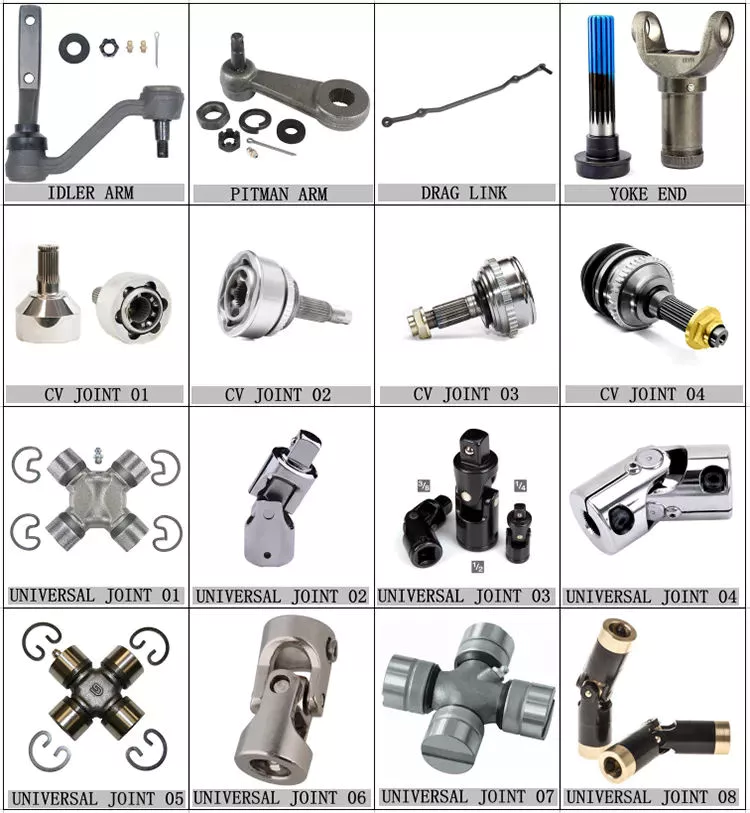
Can PTO shafts be adapted for use in both agricultural and industrial settings?
Yes, PTO (Power Take-Off) shafts can be adapted for use in both agricultural and industrial settings. While PTO shafts are commonly associated with agricultural machinery, they are versatile components that can be utilized in various applications beyond the agricultural sector. With appropriate modifications and considerations, PTO shafts can effectively transfer power in industrial settings as well. Here’s a detailed explanation of how PTO shafts can be adapted for both agricultural and industrial use:
1. Standard PTO Shaft Design: PTO shafts have a standardized design that allows for compatibility and interchangeability across different equipment and machinery. This standardization enables PTO shafts to be used in various applications, including both agricultural and industrial settings. The basic components of a PTO shaft, such as the universal joints, splined shafts, and protective guards, remain consistent, regardless of the specific application. This consistency allows for easy adaptation and integration into different machinery and equipment.
2. Shaft Length and Sizing: PTO shafts can be customized in terms of length and sizing to suit specific requirements in both agricultural and industrial settings. The length of the shaft can be adjusted to accommodate different distances between the power source and the driven machinery. This flexibility allows for optimal power transmission and ensures compatibility with various equipment setups. Similarly, the sizing of the PTO shaft, including the diameter and splined shaft specifications, can be tailored to meet the torque and power requirements of different applications, whether in agriculture or industry.
3. Power Requirements: PTO shafts are designed to transfer power from a power source to driven machinery. In agricultural settings, the power source is typically a tractor or other agricultural vehicles, while in industrial settings, it can be an engine, motor, or power unit specific to the industry. PTO shafts can be adapted to handle different power requirements by considering factors such as torque capacity, rotational speed, and the specific demands of the machinery or equipment being driven. By selecting the appropriate PTO shaft based on the power requirements, the shaft can effectively transfer power in both agricultural and industrial applications.
4. Consideraciones de seguridad: Safety is a critical aspect of PTO shaft design and usage, regardless of the application. PTO shafts incorporate safety features such as protective guards and shields to prevent accidental contact with rotating components. These safety measures are essential in agricultural and industrial settings to minimize the risk of entanglement, injury, or damage. Adapting PTO shafts for industrial use may require additional safety considerations based on the specific hazards present in industrial environments. However, the core safety principles and features of PTO shafts can be applied and adapted to ensure safe operation in both settings.
5. Specialized Attachments: PTO shafts can be equipped with specialized attachments or adapters to accommodate different driven machinery or equipment. In agricultural settings, PTO shafts commonly connect to implements such as mowers, balers, or sprayers. In industrial settings, PTO shafts may be adapted to connect to various industrial machinery, including pumps, generators, compressors, or conveyors. These specialized attachments ensure compatibility and efficient power transfer between the PTO shaft and the driven equipment, allowing for seamless integration in both agricultural and industrial applications.
6. Environmental Considerations: PTO shafts can be adapted to address specific environmental conditions in both agricultural and industrial settings. For example, in agricultural applications, PTO shafts may need to withstand exposure to dirt, dust, moisture, and varying weather conditions. Industrial settings may have their unique environmental challenges, such as exposure to chemicals, high temperatures, or abrasive materials. By selecting PTO shaft materials, protective coatings, and seals suitable for the specific environment, the shafts can be adapted to ensure reliable and durable performance in various settings.
7. Compliance with Standards: PTO shafts, whether used in agricultural or industrial settings, need to comply with relevant safety standards and regulations. Manufacturers adhere to guidelines and requirements set by organizations such as the American Society of Agricultural and Biological Engineers (ASABE) or other regional safety authorities. Compliance ensures that PTO shafts meet safety criteria and performance standards applicable to both agricultural and industrial environments. Users can rely on standardized PTO shafts that have undergone testing and certification, offering assurance regarding their reliability and safety.
By considering the factors mentioned above, PTO shafts can be adapted to effectively transfer power in both agricultural and industrial settings. The versatile nature of PTO shafts, coupled with customization options, safety considerations, specialized attachments, and compliance with standards, allows for their successful integration into a wide range of machinery and equipment across various industries.
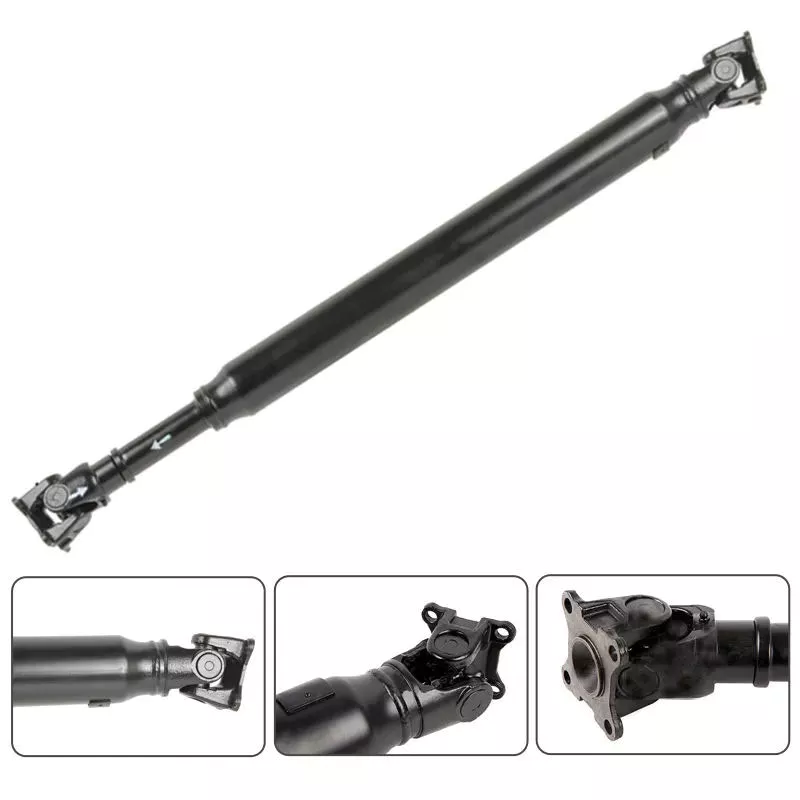
¿Existen limitaciones o desventajas asociadas a los ejes de toma de fuerza?
Si bien los ejes de toma de fuerza (TDF) ofrecen numerosas ventajas en cuanto a la transmisión de potencia y versatilidad, también presentan ciertas limitaciones y desventajas. Es importante tener en cuenta estos factores al utilizar ejes de TDF para garantizar un funcionamiento seguro y eficiente. A continuación, se ofrece una explicación detallada de algunas de las limitaciones y desventajas asociadas a los ejes de TDF:
1. Riesgos para la seguridad: Una de las principales preocupaciones con los ejes de toma de fuerza (TDF) es el riesgo potencial para la seguridad. Estos ejes giran a altas velocidades y pueden representar un riesgo significativo si no están debidamente protegidos o manipulados. El contacto accidental con un eje de TDF expuesto o con una protección insuficiente puede provocar lesiones graves, como atrapamiento, amputación o incluso la muerte. Es fundamental seguir las normas de seguridad, implementar la protección adecuada y garantizar que los operarios estén bien capacitados en prácticas de manipulación seguras para mitigar estos riesgos.
2. Mantenimiento y lubricación: Los ejes de la toma de fuerza (PTO) requieren mantenimiento y lubricación regulares para garantizar un rendimiento óptimo y una mayor durabilidad. Las piezas móviles, como las juntas universales y las estrías, deben inspeccionarse, limpiarse y lubricarse a intervalos recomendados. Descuidar el mantenimiento puede provocar un desgaste prematuro, una menor eficiencia y posibles fallos. Unas prácticas de mantenimiento adecuadas, que incluyan inspecciones periódicas y una lubricación oportuna, son esenciales para evitar estos problemas.
3. Alineación y ángulos: Los ejes de la toma de fuerza (TDF) dependen de una alineación y ángulos adecuados para garantizar una transferencia de potencia eficiente. Una desalineación o ángulos excesivos entre la fuente de energía y la maquinaria accionada pueden provocar un mayor desgaste y tensión en los componentes, lo que conlleva una falla prematura. Asegurar una alineación y un ajuste de ángulo correctos, mediante horquillas deslizantes ajustables u otros medios, es fundamental para evitar una tensión excesiva en el eje de la TDF y el equipo asociado.
4. Limitaciones de longitud: Los ejes de la toma de fuerza (TDF) tienen limitaciones en su longitud máxima y mínima debido a restricciones de ingeniería. El diseño telescópico permite cierto ajuste, pero existe un límite práctico en cuanto a cuánto puede extenderse o retraerse el eje. Si la distancia entre la fuente de energía y la maquinaria accionada supera la longitud máxima o es inferior a la mínima del eje de la TDF, podrían ser necesarias soluciones alternativas o modificaciones. En algunos casos, podrían requerirse componentes adicionales, como extensiones del eje de transmisión o cajas de engranajes, para salvar la distancia.
5. Compatibilidad: Si bien los fabricantes se esfuerzan por garantizar la compatibilidad, aún pueden surgir dificultades para encontrar el eje de toma de fuerza (TDF) adecuado para configuraciones de equipo específicas. Los equipos pueden tener requisitos únicos en cuanto a tamaños de estrías, valores de torque o métodos de conexión que podrían no estar disponibles o ser incompatibles con los ejes de TDF estándar. Para solucionar estos problemas de compatibilidad, podría ser necesario realizar modificaciones, lo que podría incrementar los costos o los plazos de entrega.
6. Ruido y vibraciones: Los ejes de toma de fuerza (TDF) en funcionamiento pueden generar ruido y vibraciones significativas, especialmente a altas velocidades. Esto puede resultar molesto para los operarios y requerir medidas adicionales para reducir el ruido o amortiguar las vibraciones. Las vibraciones excesivas también pueden afectar el rendimiento y la vida útil del eje de TDF y los equipos conectados. La instalación de amortiguadores de vibración o el uso de acoplamientos flexibles pueden ayudar a mitigar estos problemas.
7. Límites de potencia: Los ejes de toma de fuerza (TDF) tienen límites de potencia específicos según su diseño, materiales y componentes. Superar estos límites puede provocar desgaste prematuro, fallos en los componentes o incluso la rotura del eje. Es fundamental comprender y respetar las potencias recomendadas para los ejes de TDF a fin de garantizar un funcionamiento seguro y fiable. En algunos casos, puede ser necesario instalar un eje de TDF de mayor capacidad o incorporar componentes de transmisión de potencia adicionales para satisfacer mayores requerimientos de potencia.
8. Instalación y desmontaje complejos: La instalación y extracción de ejes de toma de fuerza (TDF) puede ser un proceso complejo, especialmente en espacios reducidos o al trabajar con maquinaria pesada. Puede requerir la alineación de estrías, el acoplamiento de piezas y el bloqueo de mecanismos. Las técnicas de instalación o extracción incorrectas pueden dañar el eje o el equipo asociado. Una capacitación adecuada, el manejo correcto del equipo y el cumplimiento de las instrucciones del fabricante son esenciales para simplificar y garantizar la instalación y extracción seguras de los ejes de TDF.
A pesar de estas limitaciones y desventajas, los ejes de toma de fuerza (TDF) siguen siendo componentes valiosos y ampliamente utilizados para la transmisión de potencia en diversas industrias. Al abordar estas consideraciones e implementar medidas de seguridad, prácticas de mantenimiento y procedimientos de alineación adecuados, se pueden mitigar eficazmente los posibles inconvenientes de los ejes de TDF, lo que permite un funcionamiento seguro y eficiente.

How do PTO shafts contribute to transferring power from tractors to implements?
PTO shafts (Power Take-Off shafts) play a critical role in transferring power from tractors to implements in agricultural and industrial settings. They provide a reliable and efficient means of power transmission, enabling tractors to drive various implements and perform a wide range of tasks. Here’s a detailed explanation of how PTO shafts contribute to transferring power from tractors to implements:
Fuente de energía: Tractors are equipped with powerful engines designed to generate substantial amounts of mechanical power. This power is harnessed to drive the tractor’s wheels and operate hydraulic systems, as well as to provide power for the attachment of implements through the PTO shaft. The PTO shaft typically connects to the rear or side of the tractor, where the power take-off mechanism is located. The power take-off derives power directly from the tractor’s engine or transmission, allowing for efficient power transfer to the PTO shaft.
PTO Shaft Design: PTO shafts are designed as driveline components that transmit rotational power and torque from the tractor’s power take-off to the implement. They consist of a hollow metal tube with universal joints at each end. The universal joints accommodate angular misalignments and allow the PTO shaft to transmit power even when the tractor and implement are not perfectly aligned. The PTO shaft is also equipped with a safety shield or guard to prevent accidental contact with the rotating shaft, ensuring operator safety during operation.
PTO Engagement: To transfer power from the tractor to the implement, the PTO shaft needs to be engaged. Tractors are equipped with a PTO clutch mechanism that allows operators to engage or disengage the PTO shaft as needed. When the PTO clutch is engaged, power flows from the tractor’s engine through the power take-off mechanism and into the PTO shaft. This rotational power is then transmitted through the PTO shaft to the implement, driving its working components.
Rotational Power Transmission: The rotational power generated by the tractor’s engine is transferred to the PTO shaft through the power take-off mechanism. The PTO shaft, being directly connected to the power take-off, rotates at the same speed as the engine. This rotational power is then transmitted from the PTO shaft to the implement’s driveline or gearbox. The implement’s driveline, in turn, distributes the power to the implement’s working components, such as blades, augers, or pumps, enabling them to carry out their respective functions.
Matching Speed and Power: PTO shafts are designed to match the rotational speed and power requirements of various implements. Tractors often feature multiple speed settings for the PTO, allowing operators to select the appropriate speed for the specific implement being used. Different implements may require different rotational speeds to operate optimally, and the PTO shaft allows for easy adjustment to match those requirements. Additionally, the power generated by the tractor’s engine is transmitted through the PTO shaft, providing the necessary torque to drive the implement’s working components effectively.
Versatility and Efficiency: PTO shafts offer significant versatility and efficiency in agricultural and industrial operations. They allow tractors to power a wide range of implements, including mowers, balers, tillers, sprayers, and grain augers, among others. By connecting implements directly to the tractor’s power source, operators can quickly switch between tasks without the need for separate power generators or engines. This versatility and efficiency streamline workflow, reduce costs, and increase overall productivity in agricultural and industrial settings.
Safety Considerations: While PTO shafts are essential for power transmission, they can pose safety risks if mishandled. The rotating shaft and universal joints can cause severe injuries if operators come into contact with them while in operation. That’s why PTO shafts are equipped with safety shields or guards to prevent accidental contact. Operators should always ensure that the safety shields are in place and secure before engaging the PTO shaft. Proper training, adherence to safety guidelines, and regular maintenance of PTO shafts and associated safety features are crucial to ensuring safe operation.
In summary, PTO shafts are vital components that enable the transfer of power from tractors to implements in agricultural and industrial applications. They provide a reliable and efficient means of power transmission, allowing tractors to drive various implements and perform a wide range of tasks. By engaging the PTO clutch and transmitting rotational power through the PTO shaft, tractors power the working components of implements, providing versatility, efficiency, and productivity in agricultural and industrial operations.


editor by CX 2024-02-25























