
Descripción del Producto
We Are Precision Metal Parts Manufacturer And We Providing Custom Processing Service. Send Us Drawings, We Will Feedback You Quotation Within 24 Hours
Precision Parts Display
Click Here Get More Information
Nuestras ventajas
Equipment
3-axis, 4-axis and full 5-axis processing equipment, CNC lathe, centering machine, turning and milling compound, wire cutting, EDM, grinding, etc
Processing
CNC machining, CNC Turning, CNC Milling, Welding, Laser Cutting, Bending, Spinning, Wire Cutting, Stamping, Electric Discharge Machining (EDM), Injection Molding
Materiales
Aluminum, metal, steel, metal, plastic, metal, brass, bronze, rubber, ceramic, cast iron, glass, copper, titanium, metal, titanium, steel, carbon fiber, etc
Tolerance
+/-0.01mm, 100% QC quality inspection before delivery, can provide quality inspection form
Quality Assurance
ISO9001:2015, ISO13485:2016, SGS, RoHs, TUV
Tolerance
Tratamiento de superficies
| Aluminum parts | Stainless Steel parts | Steel parts | Brass parts |
| Clear Anodized | Polishing | Zinc Plating | Nickel Plating |
| Color Anodized | Passivating | Oxide black | chrome plating |
| Sandblast Anodized | Sandblasting | Nickel Plating | Electrophoresis black |
| Chemical Film | Laser engraving | Chrome Plating | Oxide black |
| Brushing | Electrophoresis black | Carburized | Powder coated |
| Polishing | Oxide black | Heat treatment |
Machining Workshop
Production Process
Quality Guarantee
Click Here Get Free Quotation
Application industry
CNC Machining Parts Can Be Used in Many Industry
Aerospace/ Marine/ Metro/ Motorbike/ Automotive industries, Instruments & Meters, Office equipments, Home appliance, Medical equipments, Telecommunication, Electrical & Electronics, Fire detection system, etc
Areospace
Cylinder Heads, Turbochargers, Crankshafts, Connecting Rods Pistons, Bearing Caps, CV Joints, Steering Knuckles, Brake Calipers,Gears,Differential Housing, Axle Shafts
Auto&Motorcycle
Cylinder Heads, Turbochargers, Crankshafts, Connecting Rods Pistons,Bearing Caps, CV Joints, Steering Knuckles, Brake Calipers,Gears, Differential Housing, Axle Shafts
Energy
Drill Pipes and Casing, Impellers Casings, Pipe Control Valves, Shafts, Wellhead Equipment, Mud Pumps, Frac Pumps, Frac Tools,Rotor Shafts and disc
Robotics
Custom robotic end-effectors, Low-volume prototype, Pilot, Enclosures, Custom tooling, Fixturing
Medical Industry
Rotary Bearing Seal Rings for CZPT Knife,CT Scanner Frames,Mounting Brackets,Card Retainers for CT Scanners,Cooling Plenums for CT Scanners,Brackets for CT Scanners,Gearbox Components,Actuators,Large Shafts
Home Appliances
Screws, hinges, handles, slides, turntables, pneumatic rods, guide rails, steel drawers
Certificaciones
Preguntas frecuentes
Q1. What kind of production service do you provide?
CNC machining, CNC Turning, CNC Milling, Welding, Laser Cutting, Bending, Spinning, Wire Cutting, Stamping, Electric Discharge Machining (EDM), Injection Molding, Simple Assembly and Various Metal Surface Treatment.
Q2. How about the lead time?
Mould : 3-5 weeks
Mass production : 3-4 weeks
Q3. How about your quality?
♦Our management and production executed strictly according to ISO9001 : 2008 quality System.
♦We will make the operation instruction once the sample is approval.
♦ We will 100% inspect the products before shipment.
♦If there is quality problem, we will supply the replacement by our shipping cost.
Q4. How long should we take for a quotation?
After receiving detail information we will quote within 24 hours
Q5. What is your quotation element?
Drawing or Sample, Material, finish and Quantity.
Q6. What is your payment term?
Mould : 50% prepaid, 50% after the mould finish, balance after sample approval.
Goods : 50% prepaid, balance T/T before shipment.
/* 10 de marzo de 2571 17:59:20 */!function(){function s(e,r){var a,o={};try{e&&e.split(“”,).forEach(function(e,t){e&&(a=e.match(/(.*?):(.*)$/))&&1
| Tipo: | Customized |
|---|---|
| Uso: | Agricultural Products Processing, Farmland Infrastructure, Tillage, Harvester, Planting and Fertilization, Grain Threshing, Cleaning and Drying, Customized |
| Material: | Carbon Steel |
| Fuente de energía: | Customized |
| Peso: | Customized |
| Servicio postventa: | No |
| Muestras: |
US$ 0.8/Piece
1 pieza (pedido mínimo) | |
|---|
| Personalización: |
Disponible
| Solicitud personalizada |
|---|
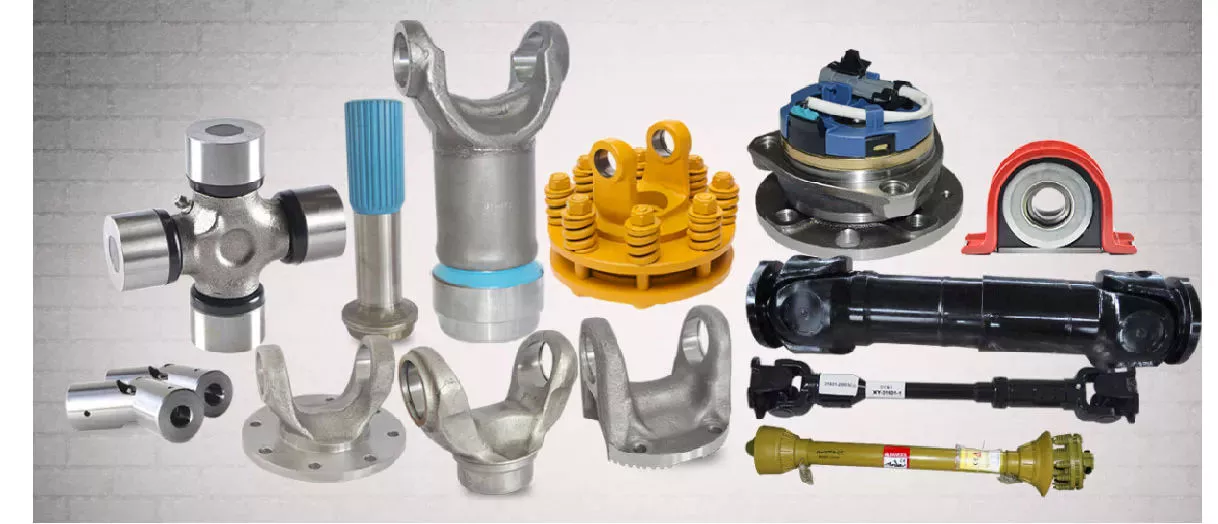
What factors should be considered when selecting the right drive shaft for an application?
When selecting the right drive shaft for an application, several factors need to be considered. The choice of drive shaft plays a crucial role in ensuring efficient and reliable power transmission. Here are the key factors to consider:
1. Requisitos de potencia y par:
The power and torque requirements of the application are essential considerations. It is crucial to determine the maximum torque that the drive shaft will need to transmit without failure or excessive deflection. This includes evaluating the power output of the engine or power source, as well as the torque demands of the driven components. Selecting a drive shaft with the appropriate diameter, material strength, and design is essential to ensure it can handle the expected torque levels without compromising performance or safety.
2. Operating Speed:
The operating speed of the drive shaft is another critical factor. The rotational speed affects the dynamic behavior of the drive shaft, including the potential for vibration, resonance, and critical speed limitations. It is important to choose a drive shaft that can operate within the desired speed range without encountering excessive vibrations or compromising the structural integrity. Factors such as the material properties, balance, and critical speed analysis should be considered to ensure the drive shaft can handle the required operating speed effectively.
3. Length and Alignment:
The length and alignment requirements of the application must be considered when selecting a drive shaft. The distance between the engine or power source and the driven components determines the required length of the drive shaft. In situations where there are significant variations in length or operating angles, telescopic drive shafts or multiple drive shafts with appropriate couplings or universal joints may be necessary. Proper alignment of the drive shaft is crucial to minimize vibrations, reduce wear and tear, and ensure efficient power transmission.
4. Space Limitations:
The available space within the application is an important factor to consider. The drive shaft must fit within the allocated space without interfering with other components or structures. It is essential to consider the overall dimensions of the drive shaft, including length, diameter, and any additional components such as joints or couplings. In some cases, custom or compact drive shaft designs may be required to accommodate space limitations while maintaining adequate power transmission capabilities.
5. Environmental Conditions:
The environmental conditions in which the drive shaft will operate should be evaluated. Factors such as temperature, humidity, corrosive agents, and exposure to contaminants can impact the performance and lifespan of the drive shaft. It is important to select materials and coatings that can withstand the specific environmental conditions to prevent corrosion, degradation, or premature failure of the drive shaft. Special considerations may be necessary for applications exposed to extreme temperatures, water, chemicals, or abrasive substances.
6. Application Type and Industry:
The specific application type and industry requirements play a significant role in drive shaft selection. Different industries, such as automotive, aerospace, industrial machinery, agriculture, or marine, have unique demands that need to be addressed. Understanding the specific needs and operating conditions of the application is crucial in determining the appropriate drive shaft design, materials, and performance characteristics. Compliance with industry standards and regulations may also be a consideration in certain applications.
7. Mantenimiento y capacidad de servicio:
The ease of maintenance and serviceability should be taken into account. Some drive shaft designs may require periodic inspection, lubrication, or replacement of components. Considering the accessibility of the drive shaft and associated maintenance requirements can help minimize downtime and ensure long-term reliability. Easy disassembly and reassembly of the drive shaft can also be beneficial for repair or component replacement.
By carefully considering these factors, one can select the right drive shaft for an application that meets the power transmission needs, operating conditions, and durability requirements, ultimately ensuring optimal performance and reliability.

¿Cómo mejoran los ejes de transmisión el rendimiento de los automóviles y camiones?
Los ejes de transmisión desempeñan un papel fundamental en la mejora del rendimiento de automóviles y camiones. Contribuyen a diversos aspectos del desempeño del vehículo, como la entrega de potencia, la tracción, el manejo y la eficiencia general. A continuación, se presenta una explicación detallada de cómo los ejes de transmisión mejoran el rendimiento de automóviles y camiones:
1. Suministro de energía:
Los ejes de transmisión son responsables de transferir la potencia del motor a las ruedas, permitiendo que el vehículo avance. Al transmitir la potencia de forma eficiente y sin pérdidas significativas, los ejes de transmisión garantizan un aprovechamiento efectivo de la potencia del motor, lo que se traduce en una mejor aceleración y un rendimiento general superior. Unos ejes de transmisión bien diseñados, con una mínima pérdida de potencia, contribuyen a que el vehículo transmita la potencia a las ruedas de forma eficiente.
2. Transferencia de par:
Los ejes de transmisión facilitan la transferencia del par motor a las ruedas. El par motor es la fuerza de rotación que impulsa el vehículo hacia adelante. Los ejes de transmisión de alta calidad con una adecuada capacidad de conversión de par garantizan que el par generado por el motor se transmita eficazmente a las ruedas. Esto mejora la capacidad del vehículo para acelerar rápidamente, remolcar cargas pesadas y subir pendientes pronunciadas, optimizando así su rendimiento general.
3. Tracción y estabilidad:
Los ejes de transmisión contribuyen a la tracción y estabilidad de automóviles y camiones. Transmiten potencia a las ruedas, permitiéndoles ejercer fuerza sobre la superficie de la carretera. Esto permite que el vehículo mantenga la tracción, especialmente durante la aceleración o al circular por terrenos resbaladizos o irregulares. La eficiente transmisión de potencia a través de los ejes de transmisión mejora la estabilidad del vehículo al garantizar una distribución equilibrada de la potencia a todas las ruedas, lo que optimiza el control y la maniobrabilidad.
4. Manejo y maniobrabilidad:
Los ejes de transmisión influyen en el manejo y la maniobrabilidad de los vehículos. Establecen una conexión directa entre el motor y las ruedas, lo que permite un control preciso y una respuesta ágil. Los ejes de transmisión bien diseñados, con una holgura mínima, contribuyen a una respuesta más directa e inmediata a las acciones del conductor, mejorando la agilidad y la maniobrabilidad del vehículo.
5. Reducción de peso:
Los ejes de transmisión pueden contribuir a la reducción de peso en automóviles y camiones. Los ejes de transmisión ligeros, fabricados con materiales como aluminio o compuestos reforzados con fibra de carbono, reducen el peso total del vehículo. Esta reducción de peso mejora la relación potencia-peso, lo que se traduce en una mejor aceleración, manejo y eficiencia de combustible. Además, los ejes de transmisión ligeros reducen la masa rotacional, lo que permite que el motor acelere más rápidamente, mejorando aún más el rendimiento.
6. Eficiencia mecánica:
Los ejes de transmisión eficientes minimizan las pérdidas de energía durante la transmisión de potencia. Al incorporar características como rodamientos de alta calidad, sellos de baja fricción y lubricación optimizada, los ejes de transmisión reducen la fricción y minimizan las pérdidas de potencia debidas a la resistencia interna. Esto mejora la eficiencia mecánica del sistema de transmisión, permitiendo que llegue más potencia a las ruedas y optimizando el rendimiento general del vehículo.
7. Mejoras de rendimiento:
Las mejoras en el eje de transmisión son una opción popular para optimizar el rendimiento entre los entusiastas. Los ejes de transmisión mejorados, fabricados con materiales más resistentes o con mayor capacidad de torsión, pueden soportar la mayor potencia de los motores modificados. Estas mejoras permiten un mejor rendimiento, como una aceleración optimizada, mayores velocidades máximas y una dinámica de conducción superior.
8. Compatibilidad con modificaciones de rendimiento:
Las modificaciones de rendimiento, como las mejoras del motor, el aumento de la potencia o los cambios en el sistema de transmisión, suelen requerir ejes de transmisión compatibles. Los ejes de transmisión diseñados para soportar mayores cargas de torsión o adaptarse a configuraciones de transmisión modificadas garantizan un rendimiento y una fiabilidad óptimos. Permiten que el vehículo aproveche eficazmente la mayor potencia y el par motor, lo que se traduce en un mejor rendimiento y una mayor capacidad de respuesta.
9. Durabilidad y fiabilidad:
Los ejes de transmisión robustos y bien mantenidos contribuyen a la durabilidad y fiabilidad de automóviles y camiones. Están diseñados para soportar las tensiones y cargas asociadas a la transmisión de potencia. Los materiales de alta calidad, el equilibrado adecuado y el mantenimiento regular garantizan un funcionamiento suave de los ejes de transmisión, minimizando el riesgo de fallos o problemas de rendimiento. Los ejes de transmisión fiables mejoran el rendimiento general al proporcionar una entrega de potencia constante y minimizar el tiempo de inactividad.
10. Compatibilidad con tecnologías avanzadas:
Los ejes de transmisión evolucionan a la par de los avances en la tecnología automotriz. Cada vez se integran más con sistemas avanzados como los sistemas de propulsión híbridos, los motores eléctricos y el frenado regenerativo. Los ejes de transmisión diseñados para funcionar a la perfección con estas tecnologías maximizan su eficiencia y rendimiento, contribuyendo a una mejora general del desempeño del vehículo.
En resumen, los ejes de transmisión mejoran el rendimiento de automóviles y camiones al optimizar la entrega de potencia, facilitar la transferencia de par, mejorar la tracción y la estabilidad, optimizar el manejo y la maniobrabilidad, reducir el peso, aumentar la eficiencia mecánica y permitir la compatibilidad con mejoras de rendimiento y tecnologías avanzadas. Desempeñan un papel crucial para garantizar una transmisión de potencia eficiente, una aceleración ágil, un manejo preciso y un rendimiento general mejorado de los vehículos.
How do drive shafts contribute to transferring rotational power in various applications?
Drive shafts play a crucial role in transferring rotational power from the engine or power source to the wheels or driven components in various applications. Whether it’s in vehicles or machinery, drive shafts enable efficient power transmission and facilitate the functioning of different systems. Here’s a detailed explanation of how drive shafts contribute to transferring rotational power:
1. Vehicle Applications:
In vehicles, drive shafts are responsible for transmitting rotational power from the engine to the wheels, enabling the vehicle to move. The drive shaft connects the gearbox or transmission output shaft to the differential, which further distributes the power to the wheels. As the engine generates torque, it is transferred through the drive shaft to the wheels, propelling the vehicle forward. This power transfer allows the vehicle to accelerate, maintain speed, and overcome resistance, such as friction and inclines.
2. Machinery Applications:
In machinery, drive shafts are utilized to transfer rotational power from the engine or motor to various driven components. For example, in industrial machinery, drive shafts may be used to transmit power to pumps, generators, conveyors, or other mechanical systems. In agricultural machinery, drive shafts are commonly employed to connect the power source to equipment such as harvesters, balers, or irrigation systems. Drive shafts enable these machines to perform their intended functions by delivering rotational power to the necessary components.
3. Power Transmission:
Drive shafts are designed to transmit rotational power efficiently and reliably. They are capable of transferring substantial amounts of torque from the engine to the wheels or driven components. The torque generated by the engine is transmitted through the drive shaft without significant power losses. By maintaining a rigid connection between the engine and the driven components, drive shafts ensure that the power produced by the engine is effectively utilized in performing useful work.
4. Acoplamiento flexible:
One of the key functions of drive shafts is to provide a flexible coupling between the engine/transmission and the wheels or driven components. This flexibility allows the drive shaft to accommodate angular movement and compensate for misalignment between the engine and the driven system. In vehicles, as the suspension system moves or the wheels encounter uneven terrain, the drive shaft adjusts its length and angle to maintain a constant power transfer. This flexibility helps prevent excessive stress on the drivetrain components and ensures smooth power transmission.
5. Torque and Speed Transmission:
Drive shafts are responsible for transmitting both torque and rotational speed. Torque is the rotational force generated by the engine or power source, while rotational speed is the number of revolutions per minute (RPM). Drive shafts must be capable of handling the torque requirements of the application without excessive twisting or bending. Additionally, they need to maintain the desired rotational speed to ensure the proper functioning of the driven components. Proper design, material selection, and balancing of the drive shafts contribute to efficient torque and speed transmission.
6. Length and Balance:
The length and balance of drive shafts are critical factors in their performance. The length of the drive shaft is determined by the distance between the engine or power source and the driven components. It should be appropriately sized to avoid excessive vibrations or bending. Drive shafts are carefully balanced to minimize vibrations and rotational imbalances, which can affect the overall performance, comfort, and longevity of the drivetrain system.
7. Safety and Maintenance:
Drive shafts require proper safety measures and regular maintenance. In vehicles, drive shafts are often enclosed within a protective tube or housing to prevent contact with moving parts, reducing the risk of injury. Safety shields or guards may also be installed around exposed drive shafts in machinery to protect operators from potential hazards. Regular maintenance includes inspecting the drive shaft for wear, damage, or misalignment, and ensuring proper lubrication of the U-joints. These measures help prevent failures, ensure optimal performance, and extend the service life of the drive shaft.
In summary, drive shafts play a vital role in transferring rotational power in various applications. Whether in vehicles or machinery, drive shafts enable efficient power transmission from the engine or power source to the wheels or driven components. They provide a flexible coupling, handle torque and speed transmission, accommodate angular movement, and contribute to the safety and maintenance of the system. By effectively transferring rotational power, drive shafts facilitate the functioning and performance of vehicles and machinery in numerous industries.


editor by CX 2024-01-11























