
Descripción del Producto
Descripción del Producto
OEM Agricultural Machinery Universal Joint Cross Cover Farm Tractor Machine Pto Drive Shaft
A PTO shaft (Power Take-Off shaft) is a mechanical component used to transfer power from a tractor or other power source to an attached implement such as a mower, tiller, or baler. The PTO shaft is typically located at the rear of the tractor and is powered by the tractor’s engine through the transmission.
The PTO shaft is designed to provide a rotating power source to the implement, allowing it to perform its intended function. The implement is connected to the PTO shaft using a universal joint, which allows for movement between the tractor and the implement while still maintaining a constant power transfer.
Application Area
Application Area:Lawn Mower, Rotary Tiller ,Farm Tractor,Segador,Feeder,Cultivator
Especificaciones del producto
SHIELD W
SHIELD S
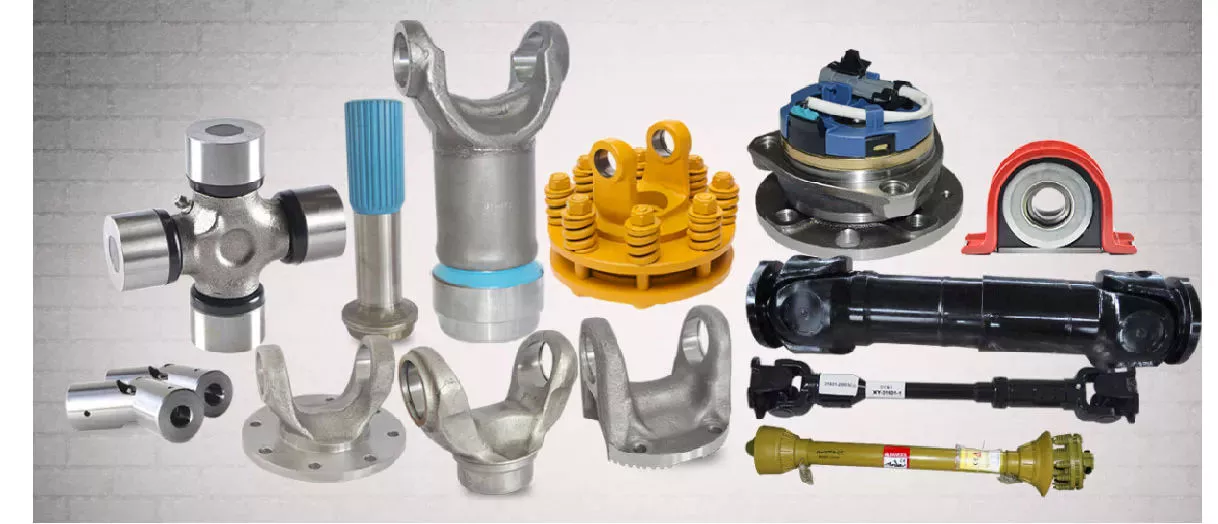
Other PTO Drive Shaft Parts
Please click to see more farm machinery Spare Parts
| CROSS | TUBE | YOKE | WIDE ANGLE | TORQUE LIMITER | PTO ADAPTOR |
Perfil de la empresa
ABOUT US
HangZhou Hanon Technology Co.,ltd is a modern enterprise specilizing in the development,production,sales and services of Agricultural Parts like PTO shaft and Gearboxes and Hydraulic parts like Cylinder , Valve ,Gearpump and motor etc..
We adhere to the principle of ” High Quality, Customers’Satisfaction”, using advanced technology and equipments to ensure all the technical standards of transmission .We follow the principle of people first , trying our best to set up a pleasant surroundings and platform of performance for each employee. So everyone can be self-consciously active to join Hanon Machinery.
WORK SHOP
Nuestras ventajas
Estas son nuestras ventajas en comparación con productos similares de China:
1. Los yugos forjados hacen que los ejes PTO sean lo suficientemente fuertes para su uso y funcionamiento;
2. Tamaños internos estándar para confirmar una instalación suave;
3. Certificados CE e ISO para garantizar la calidad de nuestros productos;
4. Paquete fuerte y profesional para confirmar la buena situación cuando recibe la mercancía.
Preguntas frecuentes
Q:WHAT’S THE PAYMENT TERM?
A:When we quote for you,we will confirm with you the way of transaction,FOB,CIFetc.<br> For mass production goods, you need to pay 30% deposit before producing and70% balance against copy of documents.The most common way is by T/T.
Q:HOW TO DELIVER THE GOODS TO US?
A:Usually we will ship the goods to you by sea.
Q:HOW LONG IS YOUR DELIVERY TIME AND SHIPMENT?
A:30-45days.
Q:WHAT’RE YOUR MAIN PRODUCTS?
A:We currently product Agricultural Parts like PTO shaft and Gearboxes and Hydraulic parts like Cylinder , Valve ,Gear pump and motor.
/* 22 de enero de 2571 19:08:37 */!function(){function s(e,r){var a,o={};try{e&&e.split(“”,).forEach(function(e,t){e&&(a=e.match(/(.*?):(.*)$/))&&1
| Tipo: | Agricultural Spare Part |
|---|---|
| Uso: | Agricultural Products Processing, Farmland Infrastructure, Tillage, Harvester, Planting and Fertilization, Grain Threshing, Cleaning and Drying, Agricultural Machinery,Farm Tractor |
| Material: | 45cr Steel |
| Muestras: |
US$ 20/Pieza
1 pieza (pedido mínimo) | Solicitar muestra |
|---|
| Personalización: |
Disponible
| Solicitud personalizada |
|---|
.shipping-cost-tm .tm-status-off{fondo: ninguno;relleno:0;color: #1470cc}
|
Costo de envío:
Flete estimado por unidad. |
Sobre el costo de envío y el tiempo estimado de entrega. |
|---|
| Método de pago: |
|
|---|---|
|
Pago inicial Pago completo |
| Divisa: | US$ |
|---|
| Devoluciones y reembolsos: | Puede solicitar un reembolso hasta 30 días después de la recepción de los productos. |
|---|
What factors should be considered when selecting the right drive shaft for an application?
When selecting the right drive shaft for an application, several factors need to be considered. The choice of drive shaft plays a crucial role in ensuring efficient and reliable power transmission. Here are the key factors to consider:
1. Requisitos de potencia y par:
The power and torque requirements of the application are essential considerations. It is crucial to determine the maximum torque that the drive shaft will need to transmit without failure or excessive deflection. This includes evaluating the power output of the engine or power source, as well as the torque demands of the driven components. Selecting a drive shaft with the appropriate diameter, material strength, and design is essential to ensure it can handle the expected torque levels without compromising performance or safety.
2. Operating Speed:
The operating speed of the drive shaft is another critical factor. The rotational speed affects the dynamic behavior of the drive shaft, including the potential for vibration, resonance, and critical speed limitations. It is important to choose a drive shaft that can operate within the desired speed range without encountering excessive vibrations or compromising the structural integrity. Factors such as the material properties, balance, and critical speed analysis should be considered to ensure the drive shaft can handle the required operating speed effectively.
3. Length and Alignment:
The length and alignment requirements of the application must be considered when selecting a drive shaft. The distance between the engine or power source and the driven components determines the required length of the drive shaft. In situations where there are significant variations in length or operating angles, telescopic drive shafts or multiple drive shafts with appropriate couplings or universal joints may be necessary. Proper alignment of the drive shaft is crucial to minimize vibrations, reduce wear and tear, and ensure efficient power transmission.
4. Space Limitations:
The available space within the application is an important factor to consider. The drive shaft must fit within the allocated space without interfering with other components or structures. It is essential to consider the overall dimensions of the drive shaft, including length, diameter, and any additional components such as joints or couplings. In some cases, custom or compact drive shaft designs may be required to accommodate space limitations while maintaining adequate power transmission capabilities.
5. Environmental Conditions:
The environmental conditions in which the drive shaft will operate should be evaluated. Factors such as temperature, humidity, corrosive agents, and exposure to contaminants can impact the performance and lifespan of the drive shaft. It is important to select materials and coatings that can withstand the specific environmental conditions to prevent corrosion, degradation, or premature failure of the drive shaft. Special considerations may be necessary for applications exposed to extreme temperatures, water, chemicals, or abrasive substances.
6. Application Type and Industry:
The specific application type and industry requirements play a significant role in drive shaft selection. Different industries, such as automotive, aerospace, industrial machinery, agriculture, or marine, have unique demands that need to be addressed. Understanding the specific needs and operating conditions of the application is crucial in determining the appropriate drive shaft design, materials, and performance characteristics. Compliance with industry standards and regulations may also be a consideration in certain applications.
7. Mantenimiento y capacidad de servicio:
The ease of maintenance and serviceability should be taken into account. Some drive shaft designs may require periodic inspection, lubrication, or replacement of components. Considering the accessibility of the drive shaft and associated maintenance requirements can help minimize downtime and ensure long-term reliability. Easy disassembly and reassembly of the drive shaft can also be beneficial for repair or component replacement.
By carefully considering these factors, one can select the right drive shaft for an application that meets the power transmission needs, operating conditions, and durability requirements, ultimately ensuring optimal performance and reliability.

¿Cómo mejoran los ejes de transmisión el rendimiento de los automóviles y camiones?
Los ejes de transmisión desempeñan un papel fundamental en la mejora del rendimiento de automóviles y camiones. Contribuyen a diversos aspectos del desempeño del vehículo, como la entrega de potencia, la tracción, el manejo y la eficiencia general. A continuación, se presenta una explicación detallada de cómo los ejes de transmisión mejoran el rendimiento de automóviles y camiones:
1. Suministro de energía:
Los ejes de transmisión son responsables de transferir la potencia del motor a las ruedas, permitiendo que el vehículo avance. Al transmitir la potencia de forma eficiente y sin pérdidas significativas, los ejes de transmisión garantizan un aprovechamiento efectivo de la potencia del motor, lo que se traduce en una mejor aceleración y un rendimiento general superior. Unos ejes de transmisión bien diseñados, con una mínima pérdida de potencia, contribuyen a que el vehículo transmita la potencia a las ruedas de forma eficiente.
2. Transferencia de par:
Los ejes de transmisión facilitan la transferencia del par motor a las ruedas. El par motor es la fuerza de rotación que impulsa el vehículo hacia adelante. Los ejes de transmisión de alta calidad con una adecuada capacidad de conversión de par garantizan que el par generado por el motor se transmita eficazmente a las ruedas. Esto mejora la capacidad del vehículo para acelerar rápidamente, remolcar cargas pesadas y subir pendientes pronunciadas, optimizando así su rendimiento general.
3. Tracción y estabilidad:
Los ejes de transmisión contribuyen a la tracción y estabilidad de automóviles y camiones. Transmiten potencia a las ruedas, permitiéndoles ejercer fuerza sobre la superficie de la carretera. Esto permite que el vehículo mantenga la tracción, especialmente durante la aceleración o al circular por terrenos resbaladizos o irregulares. La eficiente transmisión de potencia a través de los ejes de transmisión mejora la estabilidad del vehículo al garantizar una distribución equilibrada de la potencia a todas las ruedas, lo que optimiza el control y la maniobrabilidad.
4. Manejo y maniobrabilidad:
Los ejes de transmisión influyen en el manejo y la maniobrabilidad de los vehículos. Establecen una conexión directa entre el motor y las ruedas, lo que permite un control preciso y una respuesta ágil. Los ejes de transmisión bien diseñados, con una holgura mínima, contribuyen a una respuesta más directa e inmediata a las acciones del conductor, mejorando la agilidad y la maniobrabilidad del vehículo.
5. Reducción de peso:
Los ejes de transmisión pueden contribuir a la reducción de peso en automóviles y camiones. Los ejes de transmisión ligeros, fabricados con materiales como aluminio o compuestos reforzados con fibra de carbono, reducen el peso total del vehículo. Esta reducción de peso mejora la relación potencia-peso, lo que se traduce en una mejor aceleración, manejo y eficiencia de combustible. Además, los ejes de transmisión ligeros reducen la masa rotacional, lo que permite que el motor acelere más rápidamente, mejorando aún más el rendimiento.
6. Eficiencia mecánica:
Los ejes de transmisión eficientes minimizan las pérdidas de energía durante la transmisión de potencia. Al incorporar características como rodamientos de alta calidad, sellos de baja fricción y lubricación optimizada, los ejes de transmisión reducen la fricción y minimizan las pérdidas de potencia debidas a la resistencia interna. Esto mejora la eficiencia mecánica del sistema de transmisión, permitiendo que llegue más potencia a las ruedas y optimizando el rendimiento general del vehículo.
7. Mejoras de rendimiento:
Las mejoras en el eje de transmisión son una opción popular para optimizar el rendimiento entre los entusiastas. Los ejes de transmisión mejorados, fabricados con materiales más resistentes o con mayor capacidad de torsión, pueden soportar la mayor potencia de los motores modificados. Estas mejoras permiten un mejor rendimiento, como una aceleración optimizada, mayores velocidades máximas y una dinámica de conducción superior.
8. Compatibilidad con modificaciones de rendimiento:
Las modificaciones de rendimiento, como las mejoras del motor, el aumento de la potencia o los cambios en el sistema de transmisión, suelen requerir ejes de transmisión compatibles. Los ejes de transmisión diseñados para soportar mayores cargas de torsión o adaptarse a configuraciones de transmisión modificadas garantizan un rendimiento y una fiabilidad óptimos. Permiten que el vehículo aproveche eficazmente la mayor potencia y el par motor, lo que se traduce en un mejor rendimiento y una mayor capacidad de respuesta.
9. Durabilidad y fiabilidad:
Los ejes de transmisión robustos y bien mantenidos contribuyen a la durabilidad y fiabilidad de automóviles y camiones. Están diseñados para soportar las tensiones y cargas asociadas a la transmisión de potencia. Los materiales de alta calidad, el equilibrado adecuado y el mantenimiento regular garantizan un funcionamiento suave de los ejes de transmisión, minimizando el riesgo de fallos o problemas de rendimiento. Los ejes de transmisión fiables mejoran el rendimiento general al proporcionar una entrega de potencia constante y minimizar el tiempo de inactividad.
10. Compatibilidad con tecnologías avanzadas:
Los ejes de transmisión evolucionan a la par de los avances en la tecnología automotriz. Cada vez se integran más con sistemas avanzados como los sistemas de propulsión híbridos, los motores eléctricos y el frenado regenerativo. Los ejes de transmisión diseñados para funcionar a la perfección con estas tecnologías maximizan su eficiencia y rendimiento, contribuyendo a una mejora general del desempeño del vehículo.
En resumen, los ejes de transmisión mejoran el rendimiento de automóviles y camiones al optimizar la entrega de potencia, facilitar la transferencia de par, mejorar la tracción y la estabilidad, optimizar el manejo y la maniobrabilidad, reducir el peso, aumentar la eficiencia mecánica y permitir la compatibilidad con mejoras de rendimiento y tecnologías avanzadas. Desempeñan un papel crucial para garantizar una transmisión de potencia eficiente, una aceleración ágil, un manejo preciso y un rendimiento general mejorado de los vehículos.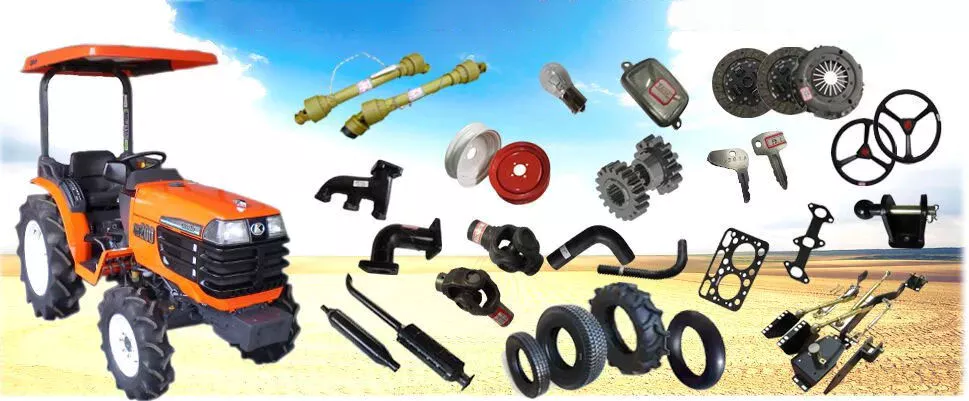
Are there variations in drive shaft designs for different types of machinery?
Yes, there are variations in drive shaft designs to cater to the specific requirements of different types of machinery. The design of a drive shaft is influenced by factors such as the application, power transmission needs, space limitations, operating conditions, and the type of driven components. Here’s an explanation of how drive shaft designs can vary for different types of machinery:
1. Automotive Applications:
In the automotive industry, drive shaft designs can vary depending on the vehicle’s configuration. Rear-wheel-drive vehicles typically use a single-piece or two-piece drive shaft, which connects the transmission or transfer case to the rear differential. Front-wheel-drive vehicles often use a different design, employing a drive shaft that combines with the constant velocity (CV) joints to transmit power to the front wheels. All-wheel-drive vehicles may have multiple drive shafts to distribute power to all wheels. The length, diameter, material, and joint types can differ based on the vehicle’s layout and torque requirements.
2. Industrial Machinery:
Drive shaft designs for industrial machinery depend on the specific application and power transmission requirements. In manufacturing machinery, such as conveyors, presses, and rotating equipment, drive shafts are designed to transfer power efficiently within the machine. They may incorporate flexible joints or use a splined or keyed connection to accommodate misalignment or allow for easy disassembly. The dimensions, materials, and reinforcement of the drive shaft are selected based on the torque, speed, and operating conditions of the machinery.
3. Agriculture and Farming:
Agricultural machinery, such as tractors, combines, and harvesters, often requires drive shafts that can handle high torque loads and varying operating angles. These drive shafts are designed to transmit power from the engine to attachments and implements, such as mowers, balers, tillers, and harvesters. They may incorporate telescopic sections to accommodate adjustable lengths, flexible joints to compensate for misalignment during operation, and protective shielding to prevent entanglement with crops or debris.
4. Construction and Heavy Equipment:
Construction and heavy equipment, including excavators, loaders, bulldozers, and cranes, require robust drive shaft designs capable of transmitting power in demanding conditions. These drive shafts often have larger diameters and thicker walls to handle high torque loads. They may incorporate universal joints or CV joints to accommodate operating angles and absorb shocks and vibrations. Drive shafts in this category may also have additional reinforcements to withstand the harsh environments and heavy-duty applications associated with construction and excavation.
5. Marine and Maritime Applications:
Drive shaft designs for marine applications are specifically engineered to withstand the corrosive effects of seawater and the high torque loads encountered in marine propulsion systems. Marine drive shafts are typically made from stainless steel or other corrosion-resistant materials. They may incorporate flexible couplings or dampening devices to reduce vibration and mitigate the effects of misalignment. The design of marine drive shafts also considers factors such as shaft length, diameter, and support bearings to ensure reliable power transmission in marine vessels.
6. Mining and Extraction Equipment:
In the mining industry, drive shafts are used in heavy machinery and equipment such as mining trucks, excavators, and drilling rigs. These drive shafts need to withstand extremely high torque loads and harsh operating conditions. Drive shaft designs for mining applications often feature larger diameters, thicker walls, and specialized materials such as alloy steel or composite materials. They may incorporate universal joints or CV joints to handle operating angles, and they are designed to be resistant to abrasion and wear.
These examples highlight the variations in drive shaft designs for different types of machinery. The design considerations take into account factors such as power requirements, operating conditions, space constraints, alignment needs, and the specific demands of the machinery or industry. By tailoring the drive shaft design to the unique requirements of each application, optimal power transmission efficiency and reliability can be achieved.


editor by CX 2024-05-09























