
Descripción del Producto
Wide Angle Square Pto Drive Clutch Shafts Tractor Agricultural Machinery Pto Shaft Industrial Factory
Descripción del Producto
Wide Angle Square Pto Drive Clutch Shafts Tractor Agricultural Machinery Pto Shaft Industrial Factory
|
We are a specialized manufacturing facility dedicated to the production of high-quality Power Take-Off (PTO) Shafts, which play an integral role in transferring power from a vehicle’s engine or transmission to auxiliary equipment such as agricultural machinery, construction tools, and various industrial applications. Our PTO Shafts are engineered with precision and built using robust materials that guarantee longevity and reliable performance under demanding conditions. Each shaft is meticulously crafted to ensure accurate fitment, efficient power transfer, and smooth operation across its full range of motion. |
/* 22 de enero de 2571 19:08:37 */!function(){function s(e,r){var a,o={};try{e&&e.split(“”,).forEach(function(e,t){e&&(a=e.match(/(.*?):(.*)$/))&&1
| Material: | Carbon Steel |
|---|---|
| Carga: | Eje de transmisión |
| Rigidez y flexibilidad: | Flexible Shaft |
| Precisión dimensional del diámetro del muñón: | IT6-IT9 |
| Forma del eje: | Eje recto |
| Forma del eje: | Eje real |
| Muestras: |
US$ 9999/Piece
1 pieza (pedido mínimo) | |
|---|
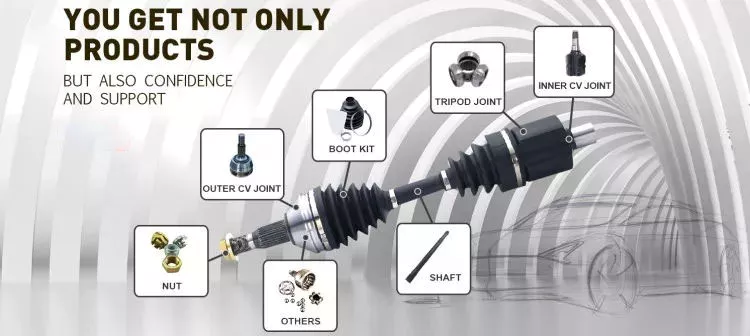
What maintenance practices are essential for prolonging the lifespan of PTO drive shafts?
To prolong the lifespan and ensure the optimal performance of PTO (Power Take-Off) drive shafts, regular maintenance practices are essential. By following these maintenance practices, operators can prevent premature wear, identify potential issues early on, and maximize the longevity of the drive shaft. Here are some key maintenance practices to consider:
1. Lubrication:
Proper lubrication is crucial for the smooth operation and longevity of PTO drive shafts. Regularly lubricate the drive shaft’s universal joints, splines, and other moving parts as per the manufacturer’s recommendations. Choose a high-quality lubricant suitable for the specific application and environmental conditions. Lubrication helps reduce friction, prevent excessive wear, and protect against corrosion.
2. Inspection:
Regular visual inspections are important for identifying any signs of wear, damage, or misalignment in the PTO drive shaft. Inspect the drive shaft and its components for cracks, dents, loose bolts, or signs of excessive wear. Pay attention to the universal joints, splines, shielding, and safety features. If any issues are detected, take prompt action to rectify them to prevent further damage and ensure safe operation.
3. Torque Checks:
Periodically check the torque on fasteners, such as bolts and nuts, that secure the PTO drive shaft and its components. Vibrations and normal operation can cause these fasteners to loosen over time, potentially leading to misalignment or damage. Use a torque wrench to ensure that the fasteners are properly tightened according to the manufacturer’s specifications. Regular torque checks help maintain the integrity and stability of the drive shaft assembly.
4. Alignment:
Maintaining proper alignment between the PTO drive shaft, the primary power source, and the implement is essential for efficient power transfer and preventing excessive wear. Check the alignment of the drive shaft regularly, ensuring that it is straight and properly seated in its connections. Misalignment can cause vibration, increased stress, and premature failure. Make adjustments as necessary to achieve proper alignment.
5. Shear Pin or Torque Limiter Replacement:
If the PTO drive shaft is equipped with a shear pin or torque limiter as a safety feature, it is important to replace these components when they have been activated or damaged. Shear pins are sacrificial components that break under excessive torque, protecting the drive shaft and connected equipment. Replace the shear pin or torque limiter with the correct type and specifications recommended by the manufacturer to ensure continued safety and proper function.
6. Shielding and Guarding:
Inspect the shielding and guarding of the PTO drive shaft regularly to ensure they are intact and in good condition. These protective covers are designed to prevent contact with moving parts and reduce the risk of entanglement or injury. Replace any damaged or missing shielding promptly to maintain operator safety and prevent debris from entering the drive shaft assembly.
7. Environmental Protection:
Consider the environmental conditions in which the PTO drive shaft operates and take appropriate measures to protect it. If the drive shaft is exposed to moisture, dirt, or corrosive substances, clean it regularly and apply appropriate coatings or protective measures to prevent rust and corrosion. Additionally, ensure that the drive shaft is stored in a dry and clean environment when not in use.
8. Manufacturer’s Guidelines:
Follow the maintenance guidelines provided by the manufacturer of the PTO drive shaft. These guidelines may include specific maintenance intervals, recommended lubricants, torque specifications, and other important instructions. Adhering to the manufacturer’s guidelines ensures that the drive shaft is maintained in accordance with its design and engineering specifications, maximizing its lifespan and performance.
By implementing these essential maintenance practices, operators can significantly prolong the lifespan of PTO drive shafts. Regular lubrication, inspections, torque checks, alignment checks, timely replacement of safety features, proper shielding and guarding, environmental protection, and adherence to manufacturer’s guidelines all contribute to the drive shaft’s longevity, reliability, and safe operation.
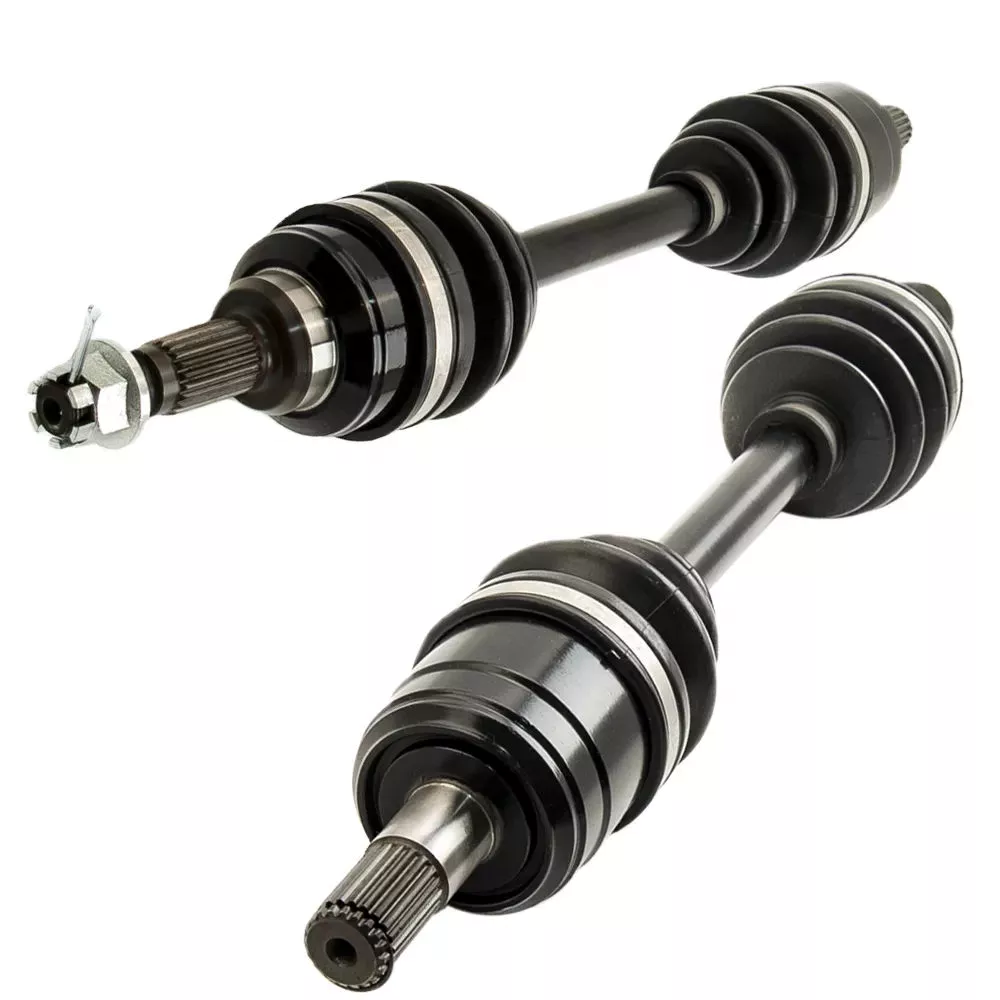
What safety precautions should be followed when working with PTO drive shafts?
Working with PTO (Power Take-Off) drive shafts requires strict adherence to safety precautions to prevent accidents and ensure the well-being of individuals operating or maintaining the equipment. Here are some important safety precautions to follow when working with PTO drive shafts:
1. Read and Understand the Manufacturer’s Instructions:
Before working with PTO drive shafts, carefully read and understand the manufacturer’s instructions, operating manuals, and safety guidelines. Familiarize yourself with the specific requirements and recommendations for the PTO drive shaft model being used. The manufacturer’s instructions provide essential information regarding installation, operation, maintenance, and safety precautions.
2. Wear Appropriate Personal Protective Equipment (PPE):
Always wear the necessary personal protective equipment (PPE) when working with PTO drive shafts. This may include safety glasses, protective gloves, steel-toed boots, and appropriate clothing. PPE helps protect against potential hazards such as flying debris, entanglement, or contact with rotating components.
3. Ensure Proper Installation and Alignment:
Follow the recommended installation procedures for the PTO drive shaft. Ensure that it is correctly aligned and securely attached to both the power source and the driven equipment. Improper installation or misalignment can lead to excessive vibration, premature wear, and potential dislodgement of the drive shaft during operation.
4. Use Safety Guards and Shields:
PTO drive shafts should be equipped with appropriate safety guards and shields. These protective devices help prevent accidental contact with rotating components and minimize the risk of entanglement. Ensure that the guards and shields are properly installed and in good working condition. Do not remove or bypass them during operation.
5. Avoid Loose Clothing, Jewelry, and Hair:
When working with PTO drive shafts, avoid wearing loose clothing, jewelry, or having long hair that can get entangled in the rotating components. Secure or remove any loose items that could pose a risk of entanglement or become caught in the drive shaft during operation.
6. Disconnect Power Before Maintenance:
Prior to performing any maintenance or inspection on the PTO drive shaft, ensure that the power source is completely shut off and the equipment is at a complete stop. Disconnect the power supply and take appropriate measures to prevent accidental startup, such as locking out and tagging out the power source.
7. Regularly Inspect and Maintain the Drive Shaft:
Regularly inspect the PTO drive shaft for signs of wear, damage, or misalignment. Check for loose or missing components, and ensure that all fasteners and connections are secure. Lubricate the drive shaft as recommended by the manufacturer. Promptly address any maintenance or repair needs to prevent further damage or potential safety hazards.
8. Be Cautious of Overload and Shock Loads:
Avoid subjecting the PTO drive shaft to excessive loads or sudden shock loads beyond its rated capacity. Overloading can lead to premature wear, component failure, and potential accidents. Ensure that the equipment being driven by the PTO drive shaft does not exceed its recommended load limits.
9. Provide Training and Awareness:
Ensure that individuals working with or around PTO drive shafts receive proper training and are aware of the associated risks and safety precautions. Training should cover installation procedures, safe operation, maintenance practices, and emergency procedures. Promote a safety-conscious culture and encourage reporting of any safety concerns or incidents.
10. Seek Professional Assistance When Needed:
If you’re unsure about any aspect of working with PTO drive shafts or encounter complex maintenance or repair needs, seek professional assistance. Consulting with qualified technicians, engineers, or the equipment manufacturer can help ensure that the work is carried out safely and effectively.
Remember, safety should always be the top priority when working with PTO drive shafts. Following these precautions helps minimize the risk of accidents, injuries, and equipment damage. It is essential to stay vigilant, exercise caution, and comply with relevant safety regulations and standards.

¿Puede explicar los componentes y la función de un sistema de eje de transmisión PTO?
Un sistema de eje de transmisión de una toma de fuerza (TDF) consta de varios componentes que trabajan en conjunto para transferir potencia desde una fuente de energía principal, como un tractor o un motor, a diversos implementos o maquinaria. Cada componente desempeña una función específica para garantizar la transmisión eficiente y fiable de la potencia rotacional. A continuación, se detallan los componentes y sus funciones dentro de un sistema de eje de transmisión de una TDF:
1. Fuente de energía primaria:
La fuente de energía principal suele ser un tractor o un motor equipado con un eje de salida de la toma de fuerza (TDF). Este eje genera potencia rotacional desde el cigüeñal o la transmisión del motor, actuando como punto de partida para la transmisión de potencia.
2. Eje de salida de la toma de fuerza:
El eje de salida de la TDF es un eje giratorio ubicado en la fuente de alimentación principal, diseñado específicamente para transferir potencia a dispositivos externos. Generalmente se ubica en la parte trasera del tractor y puede tener diversas configuraciones de estrías para adaptarse a diferentes tipos de ejes de transmisión de la TDF.
3. Eje de transmisión de la toma de fuerza:
El eje de transmisión de la TDF es el componente principal del sistema, responsable de transmitir la potencia desde la fuente de alimentación principal al implemento o maquinaria. Consiste en un eje giratorio con estrías en ambos extremos. Un extremo se conecta al eje de salida de la TDF, mientras que el otro extremo se conecta al eje de entrada del implemento. El eje de transmisión gira a la misma velocidad que la fuente de alimentación principal, suministrando potencia eficazmente al implemento.
4. Conexiones estriadas:
Las conexiones estriadas del eje de transmisión de la TDF y del eje de salida de la TDF de la fuente de alimentación principal proporcionan una conexión segura y robusta. Estas estrías garantizan una alineación y transmisión de par adecuadas entre ambos ejes, lo que permite una transferencia de potencia eficiente, adaptándose a diferentes distancias y alineaciones.
5. Protecciones y escudos de seguridad:
Los sistemas de eje de transmisión de la TDF suelen incorporar protectores y escudos de seguridad para proteger a los operadores de posibles peligros asociados con los componentes giratorios. Estos protectores y escudos cubren las piezas giratorias del eje de transmisión, reduciendo el riesgo de enredos o contacto durante la operación.
6. Mecanismo telescópico o deslizante:
Algunos ejes de transmisión de la TDF cuentan con un mecanismo telescópico o deslizante. Esto permite ajustar la longitud del eje, adaptándose a diferentes distancias entre la fuente de alimentación principal y el implemento. El mecanismo telescópico o deslizante garantiza una alineación correcta y evita la tensión excesiva o el atascamiento del eje.
7. Pasadores de corte o mecanismo de embrague:
Para proteger el eje de transmisión de la TDF y la maquinaria contra cargas excesivas o impactos repentinos, se pueden incorporar pasadores de seguridad o un mecanismo de embrague. Estos dispositivos de seguridad están diseñados para desconectar el eje de transmisión de la fuente de alimentación principal en caso de sobrecarga o impacto repentino, evitando así daños en el eje de transmisión y el equipo asociado.
8. Puntos de mantenimiento y lubricación:
Los sistemas de eje de transmisión de la toma de fuerza requieren mantenimiento y lubricación regulares para garantizar un rendimiento óptimo y una larga vida útil. Generalmente, se incluyen puntos de lubricación para aplicar grasa o aceite y reducir la fricción y el desgaste. Las inspecciones y el mantenimiento regulares ayudan a identificar cualquier problema o desgaste en los componentes, garantizando un funcionamiento seguro y eficiente.
9. Eje de entrada del implemento:
El eje de entrada del implemento es la contraparte del eje de la TDF en el lado del implemento o la maquinaria. Se conecta al eje de la TDF y recibe la potencia necesaria para impulsar la maquinaria específica o realizar diversas tareas. El eje de entrada está alineado con precisión con el eje de transmisión para garantizar una transferencia de potencia eficiente.
En resumen, un sistema de eje de transmisión de la TDF consta de componentes como la fuente de alimentación principal, el eje de salida de la TDF, el eje de transmisión de la TDF, las conexiones estriadas, las protecciones, los mecanismos telescópicos o deslizantes, los pasadores de seguridad o mecanismos de embrague, los puntos de mantenimiento y lubricación, y el eje de entrada del implemento. En conjunto, estos componentes permiten una transferencia eficiente y fiable de la potencia de rotación desde la fuente de alimentación principal al implemento o la maquinaria, lo que permite una amplia gama de tareas y aplicaciones en entornos agrícolas e industriales.


editor by CX 2024-04-09























